The kit design game is an ever-evolving one, and it’s a big part of the ongoing brand war that dominates the marketing for the beautiful game. Brands have to consistently reinvent their approaches to stay relevant and to ensure that their designs are on-point, ahead of the curve and hitting the heights. And one brand has been consistently ahead in this regard: adidas.
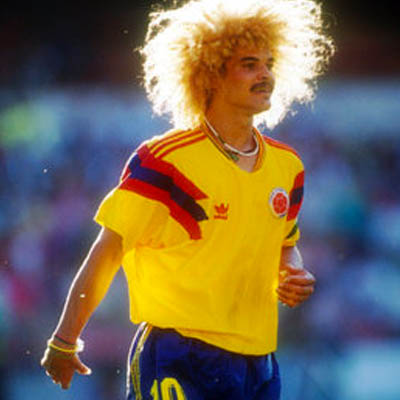
Following the gloriously big, baggy, bright and brash of the 90s, football kits rapidly got to the point where their functionality began and ended on the pitch. Lightweight fabric, aerodynamics, ventilation — performance was the story, and aesthetics were mostly incidental. But over the last decade, that story has been rewritten. Kits now carry cultural value. They bleed into lifestyle, streetwear, even music and design scenes. They’re badges of belonging, shorthand for identity. They’re worn as much off the pitch as on it.
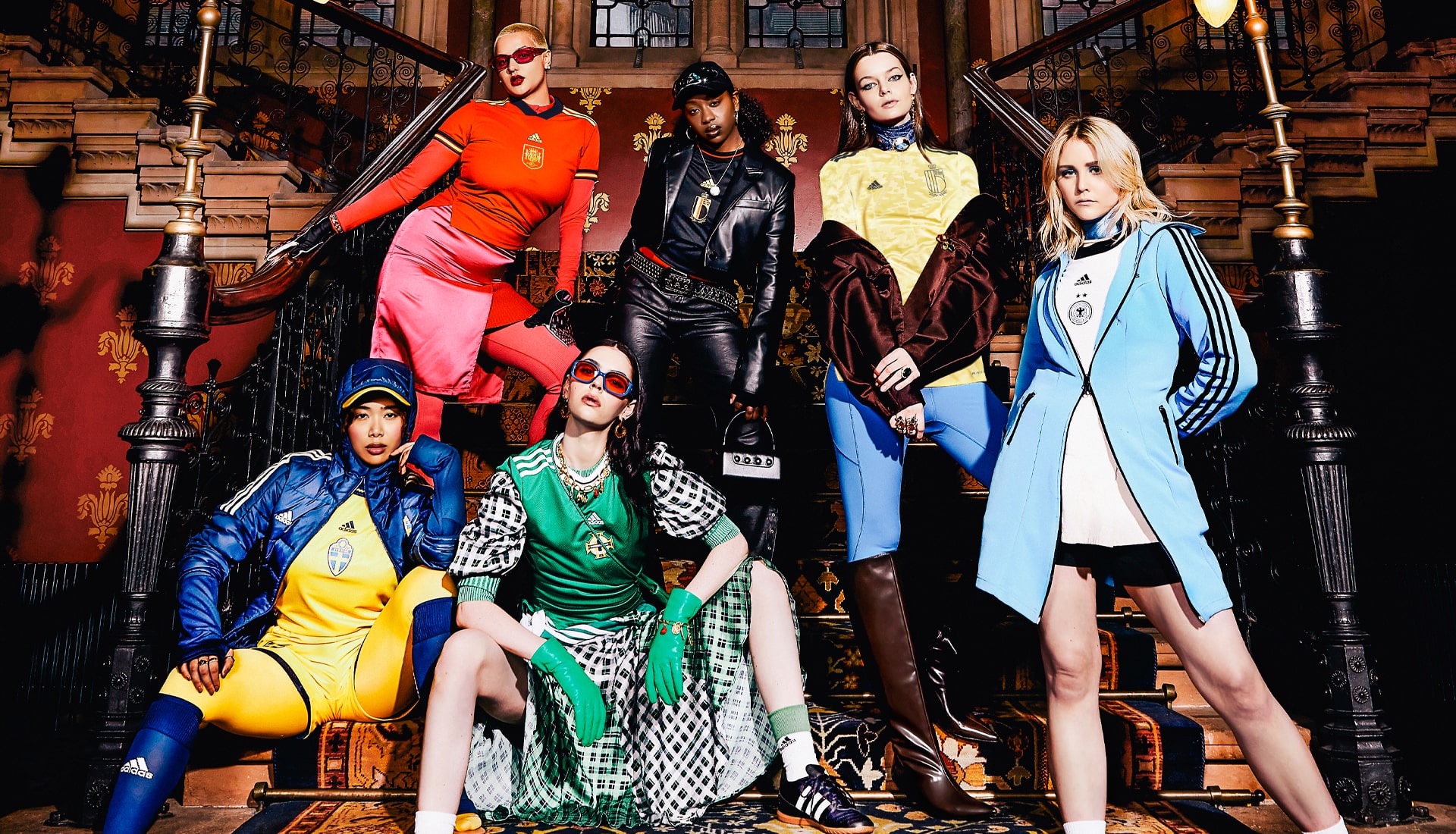
While the “big three” of adidas, Nike and PUMA dominate the global space, the pressure from refined players like Macron and Kappa over the last decade has raised the bar and intensified the competition. Yet adidas – and their output – have remained consistently ahead, not just for a handful of prestige clubs, but across continents, cultures, and entire federations. This isn’t because they chase trends, but because they build frameworks that others eventually follow.
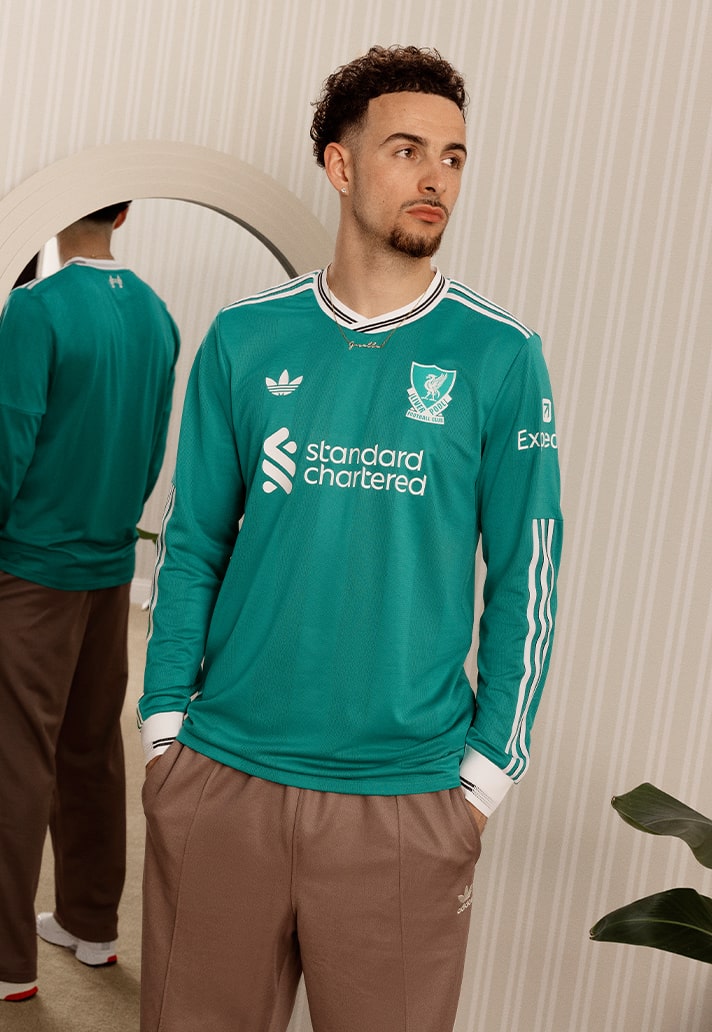
Take the reintroduction of the Trefoil on football kits. It wasn’t a nostalgic gimmick; it was a strategic cultural move. While other brands have occasionally recognised the value of reconnecting with their heritage marks, adidas understood that football shirts were becoming lifestyle garments again. The Trefoil instantly brought emotional gravity to kits — a marker of authenticity that resonated across generations. It changed how people wore football shirts, and where.
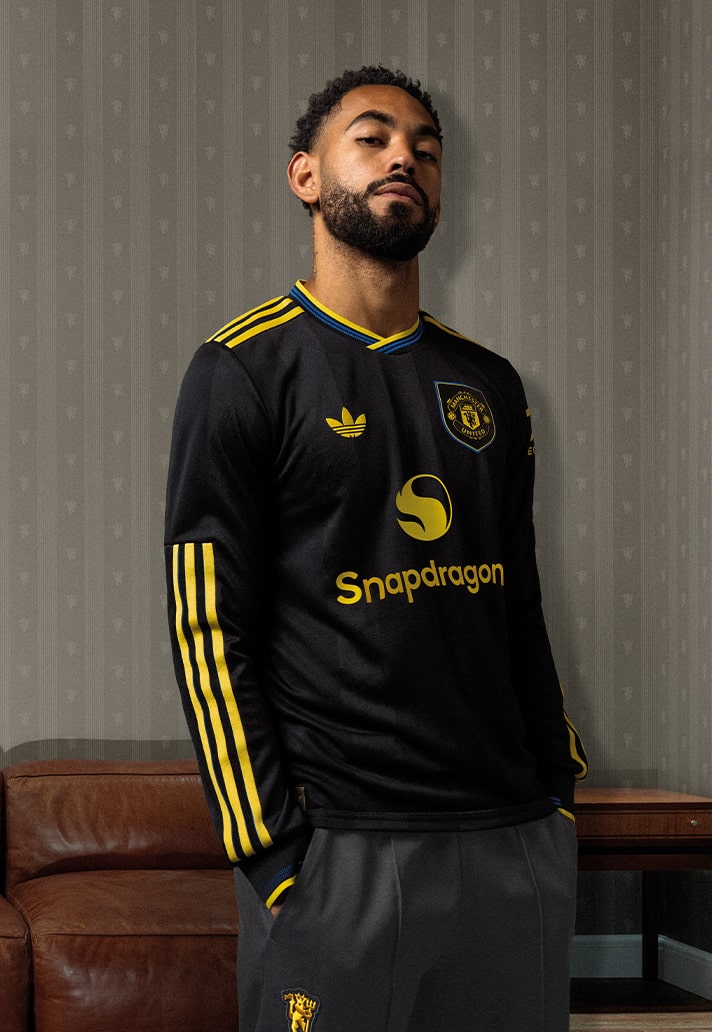
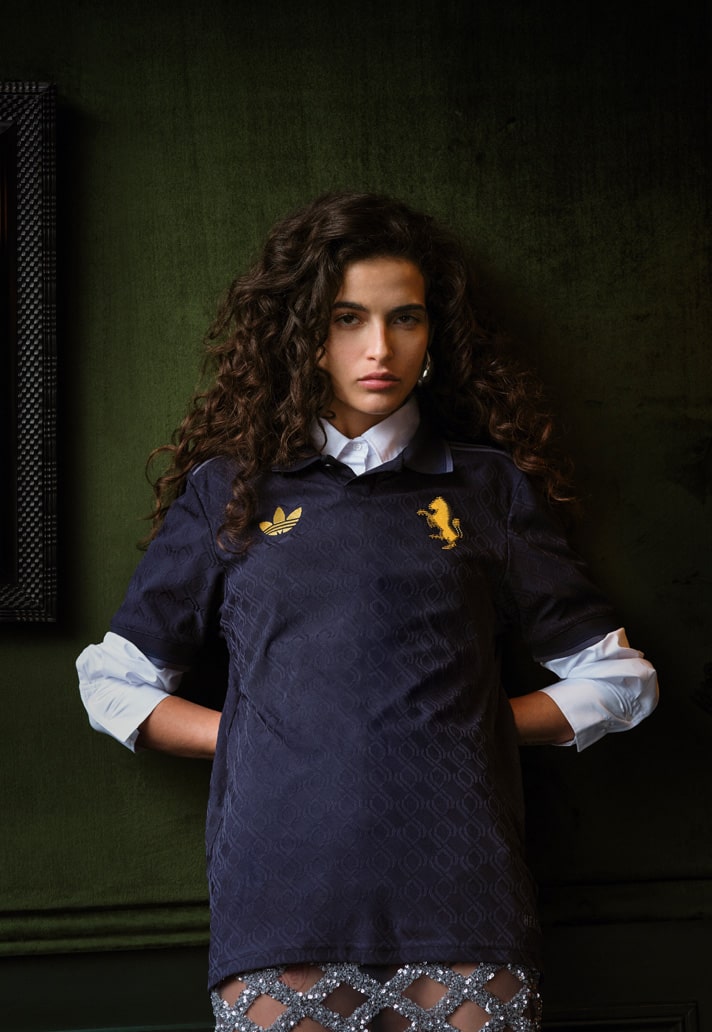

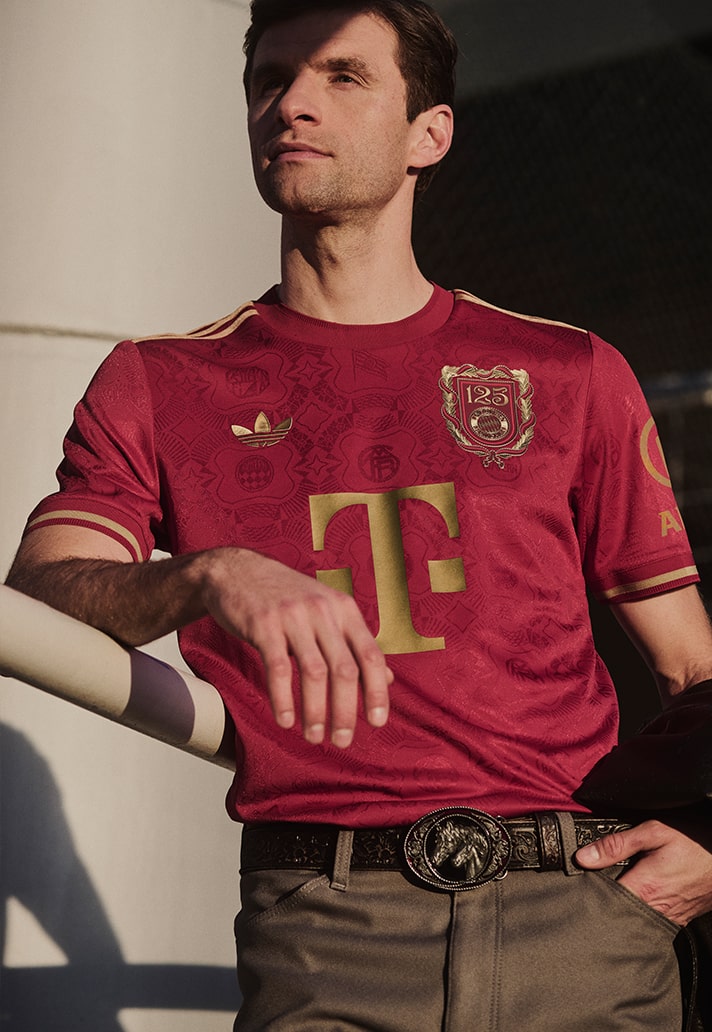
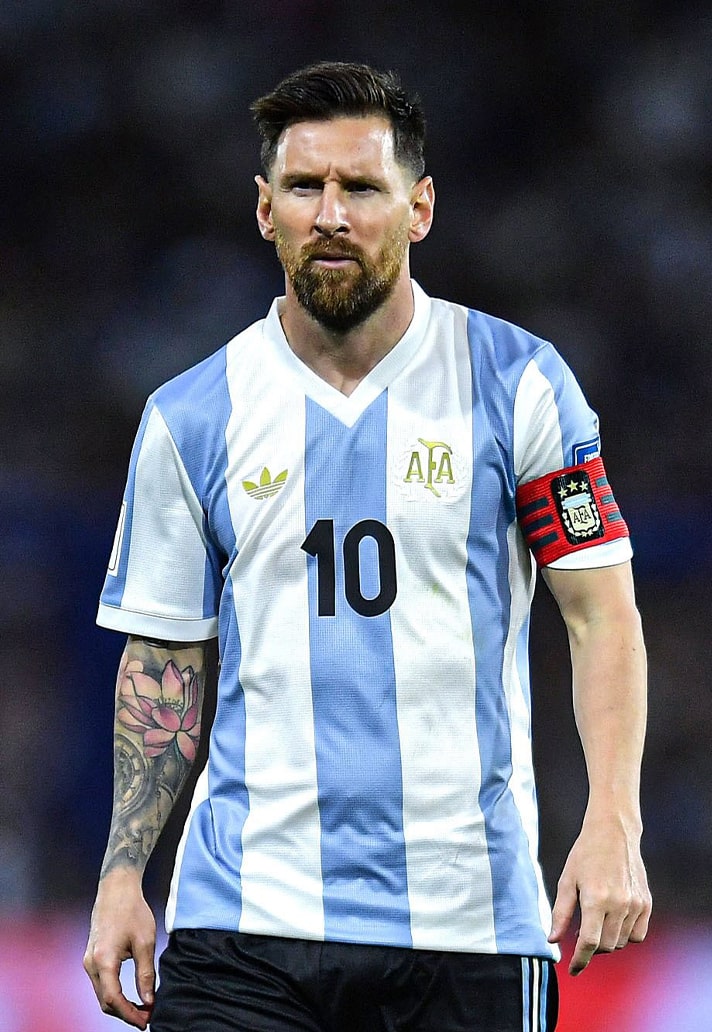
And then there’s the MLS project — an entire league built on adidas design principles. With all franchises under one umbrella, and with little restriction from tradition, adidas created a living laboratory for kit culture: experimenting with hyperlocal storytelling, fan-led collaborations, minimalistic drops one year and maximalist pattern language the next. This environment allowed adidas to refine the design philosophy that now underpins their global output: kits should feel like they belong to their communities, not just to their clubs.




This ability to build stories into shirts wasn’t an afterthought; it was the next evolution of kit design. And over the last decade, adidas have doubled down with some of the most culturally expressive designs the sport has ever seen.
Ajax’s catalogue under the Three Stripes is now legendary, but the Bob Marley-inspired third shirt of 21/22 moved beyond simple homage. It connected football with music culture in a way that felt organic to the club’s identity and fanbase — a design with emotional depth, not simply visual appeal. It was, quite simply, one of the best kits in modern memory, both in terms of aesthetics and story.


And adidas have also shown that they’re not afraid to call upon specialists to help elevate design. Leeds United’s 23/24 set, created with Acid FC, tapped into local narratives and visual heritage; it was a design built with the club’s history at heart, not merely inspired by it. Jamaica’s partnership with adidas launched under the creative direction of Wales Bonner — not only producing some of the most aesthetically striking national kits in recent memory, but rooting them in Caribbean cultural expression in a way that felt meaningful and considered.


This is the adidas advantage: they don’t just make kits about culture — they make kits with culture.
Nostalgia might be the easiest win in modern kit design, but adidas rarely take the shortcut. They reference the past only to move it forward; they don’t avoid nostalgia, but they refuse to use it lazily. Their approach is archaeological — digging up the past not to replicate it, but to reinterpret it.
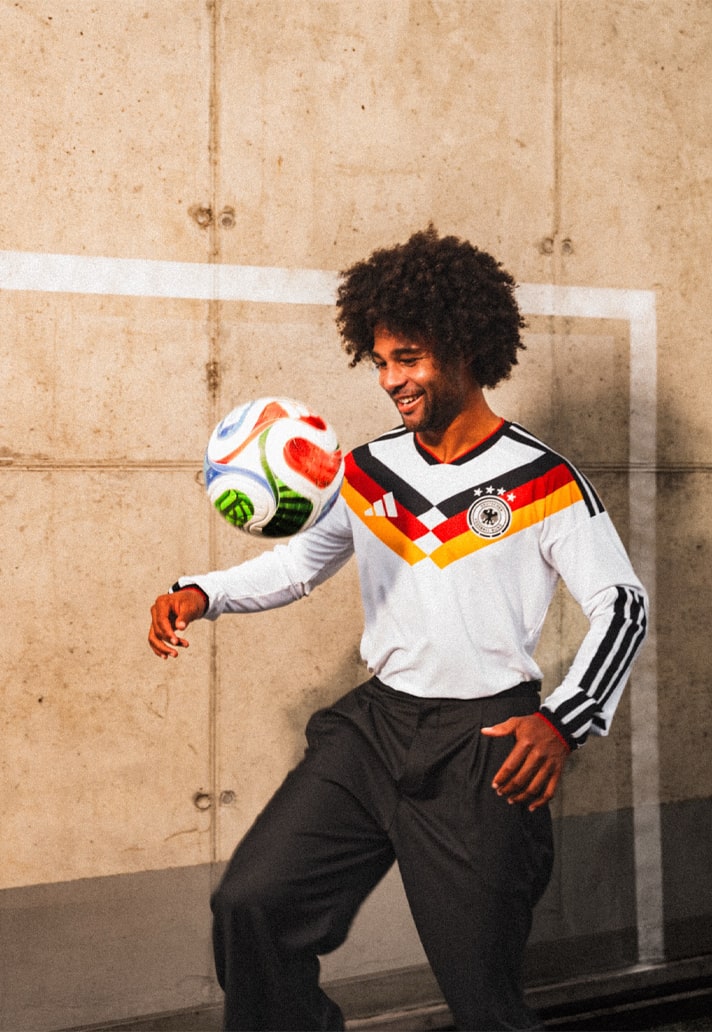

Germany’s 2026 World Cup home kit exemplifies this philosophy. In what will be their final adidas shirt of this iconic partnership, they’ve produced a design that looks both backward and forward: diamonds and chevrons echoing early-90s classics, graphic gestures nodding to the 2014 triumph, yet still a thoroughly modern visual identity. A poetic farewell — but more importantly, a progressive one.

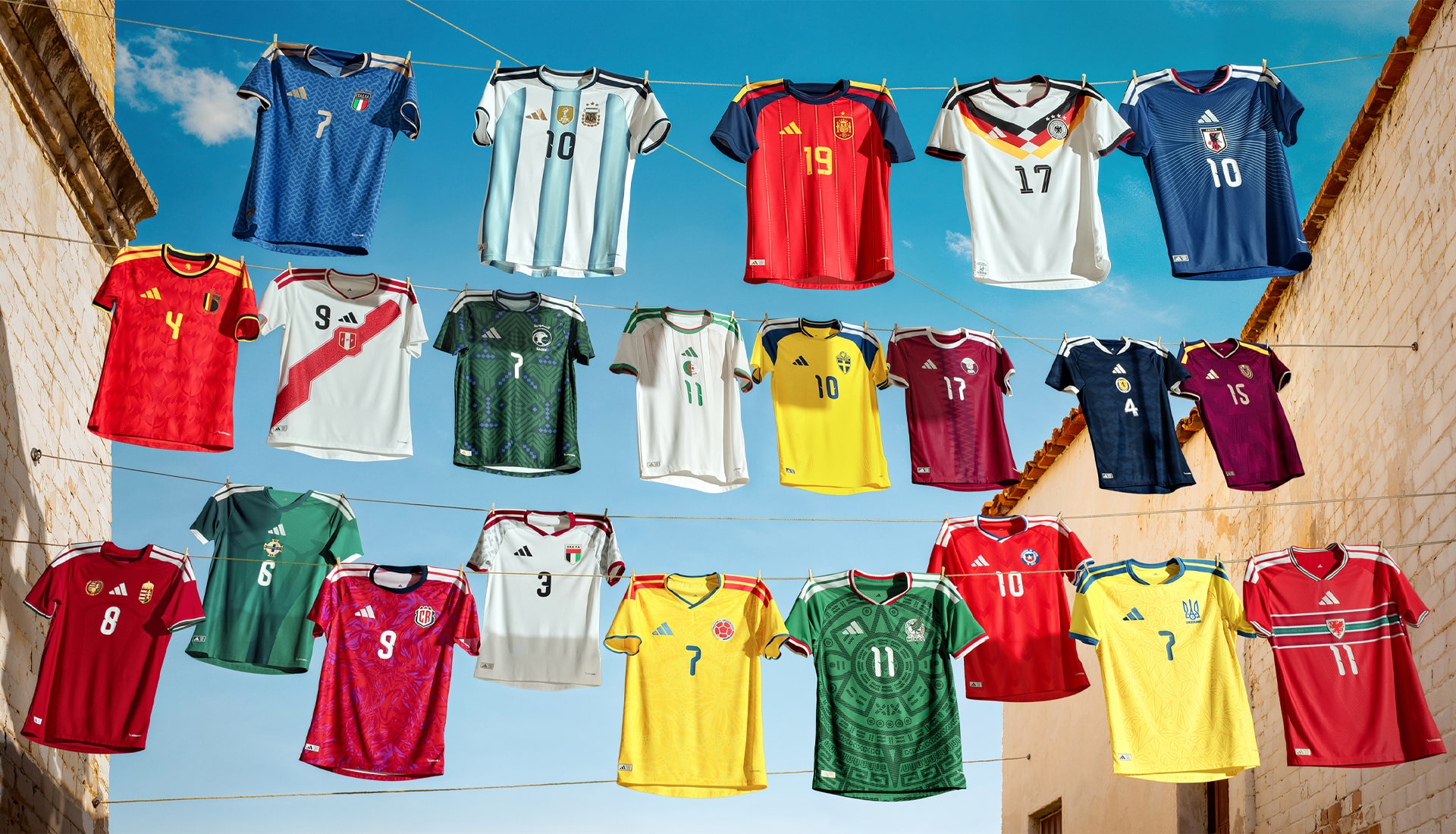
Following the widely celebrated 2022 World Cup collection — arguably one of the greatest in modern memory —there were understandable questions over whether it could be replicated. But with the reveal of the 2026 World Cup home shirts, the Three Stripes have yet again delivered a collection that sets the standard for the tournament’s visual landscape.
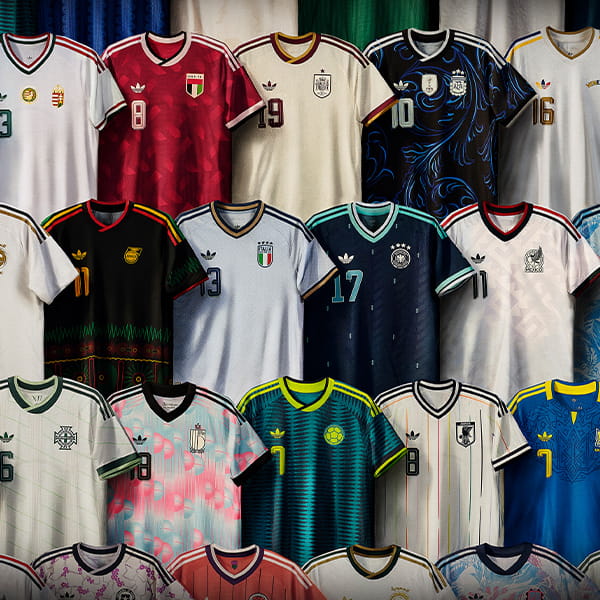
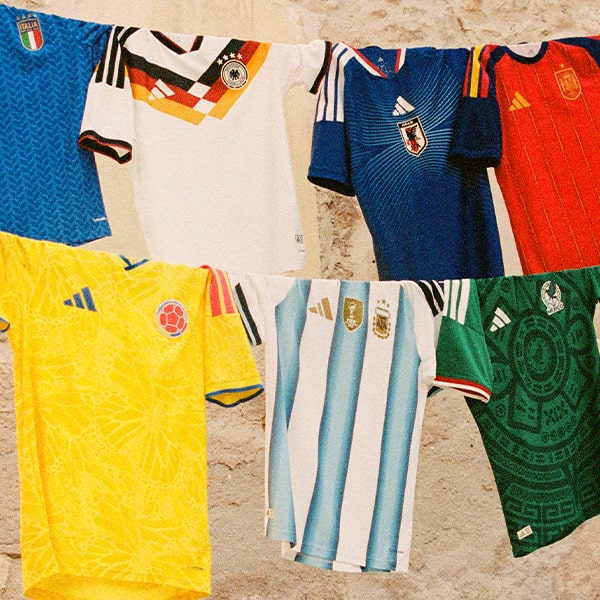
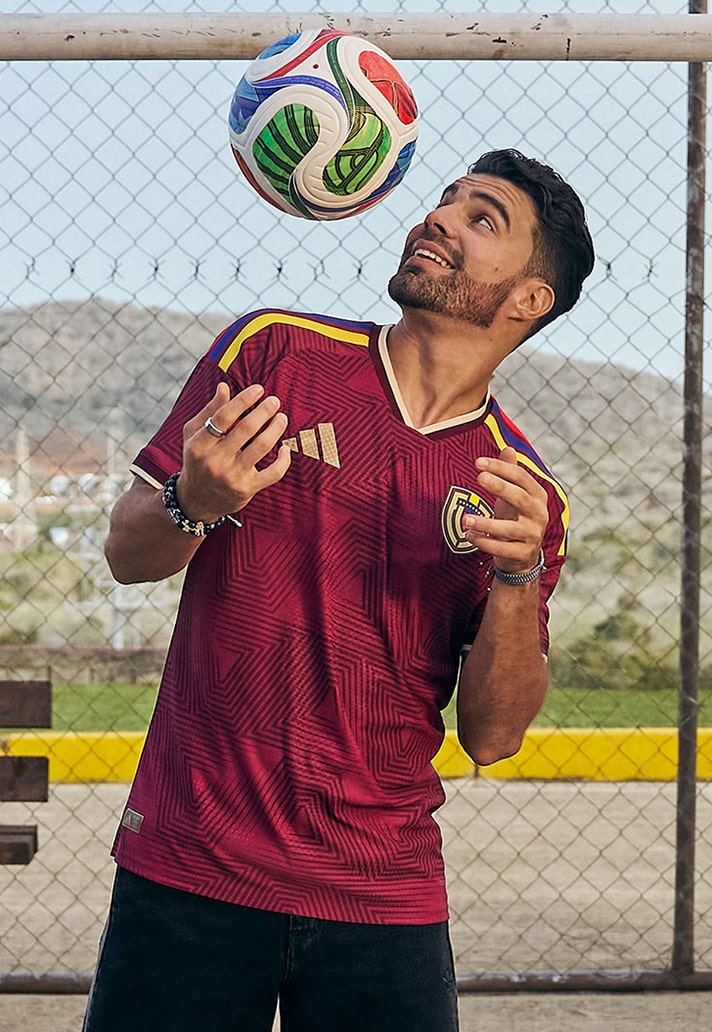
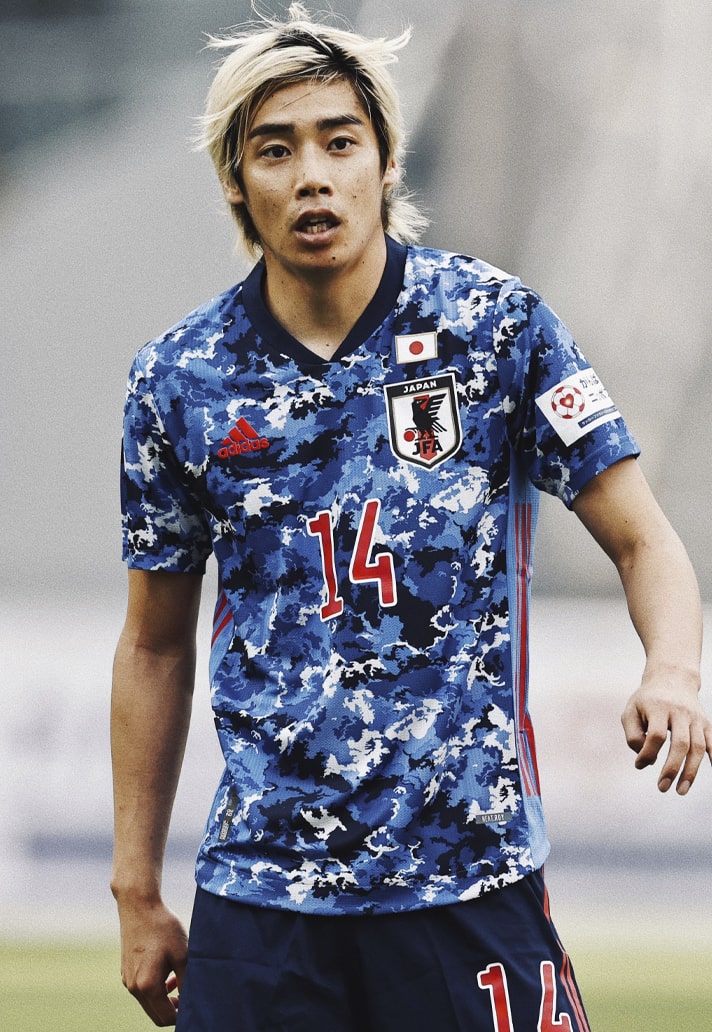
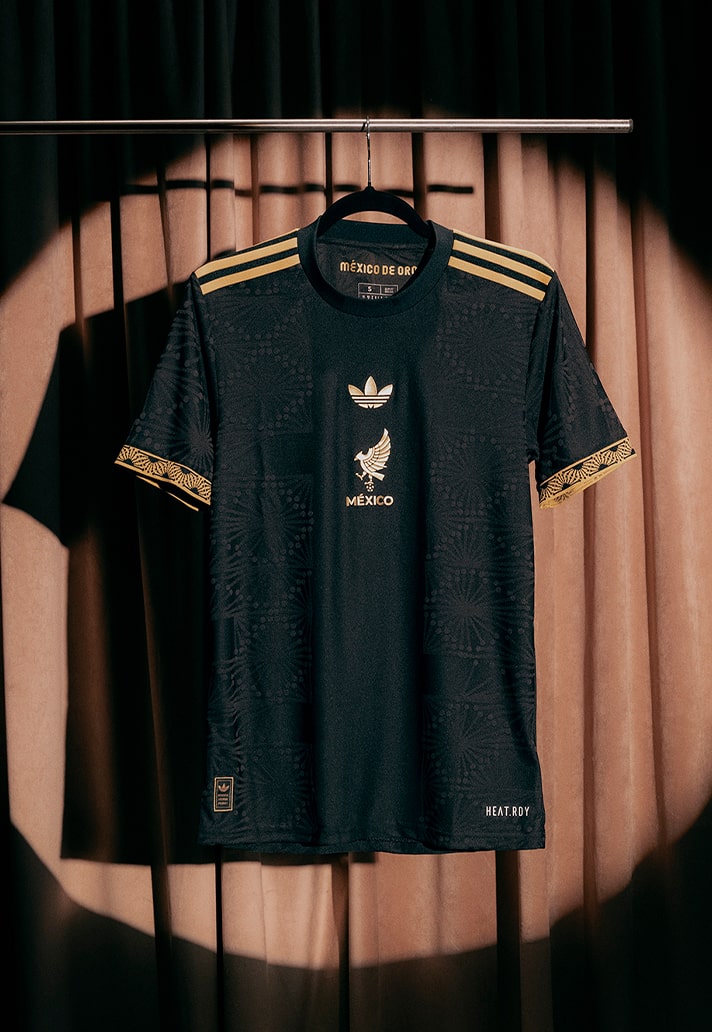
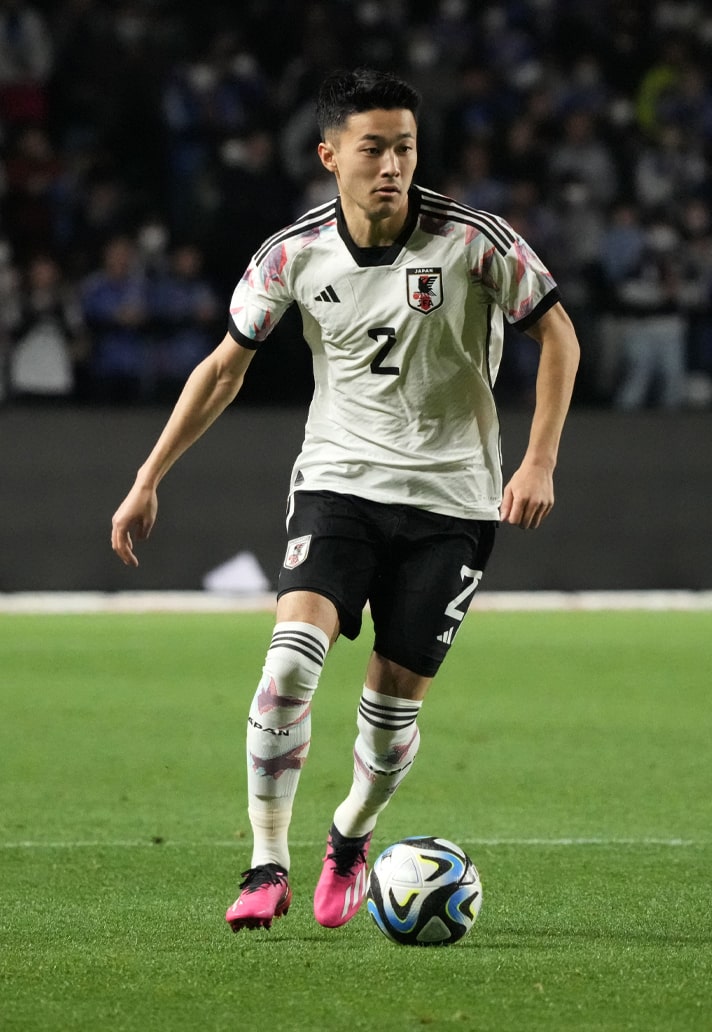
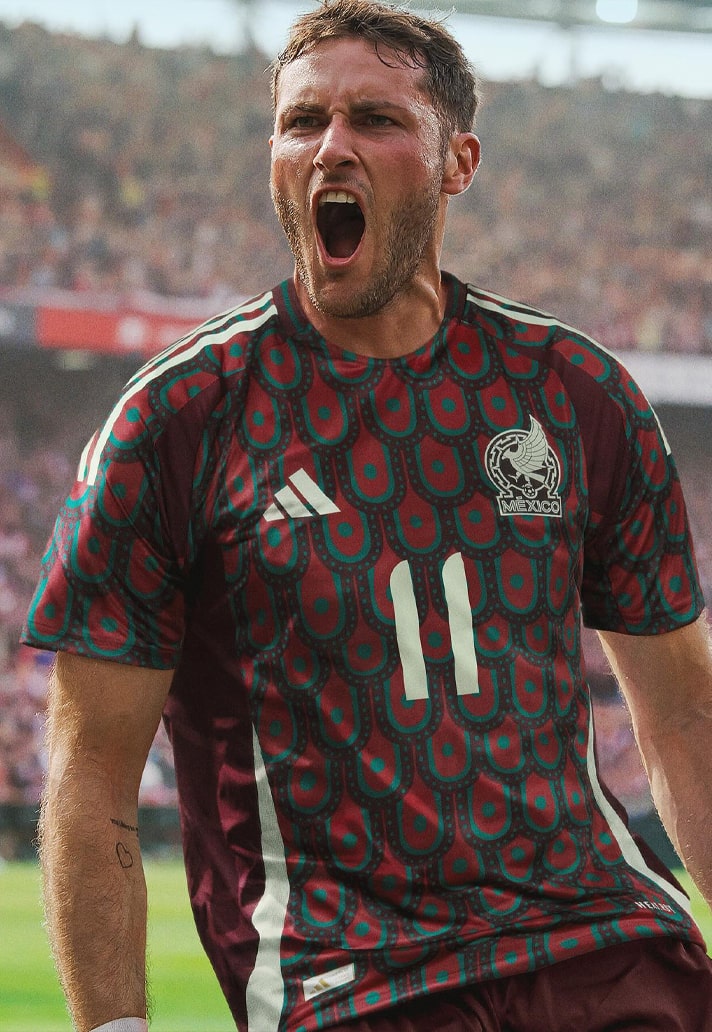
Across the rest of the 2026 lineup, the brief is clear: progressive ideas, culturally anchored, aesthetically fearless. Mexico and Japan continue to receive some of the most inventive kits on the planet — a tradition at this point, each grounded in bold design languages that resonate beyond the pitch. Italy’s home shirt is a masterclass in balancing heritage and modernity, its gold-lettered “Azzurra” sign-off elevating a design grounded in FIGC tradition. Saudi Arabia’s kit takes the architectural patterns of the nation’s decorated doorways and translates them into a purple-and-green visual language that also draws from lavender fields, falcons, and palms, creating a uniquely modern national identity. Even nations absent from the tournament haven’t been left behind: Venezuela’s home kit, for example, uses abstract topographical forms inspired by the Tepui mountains — a reminder that adidas’ commitment to narrative design isn’t selective, but systemic.
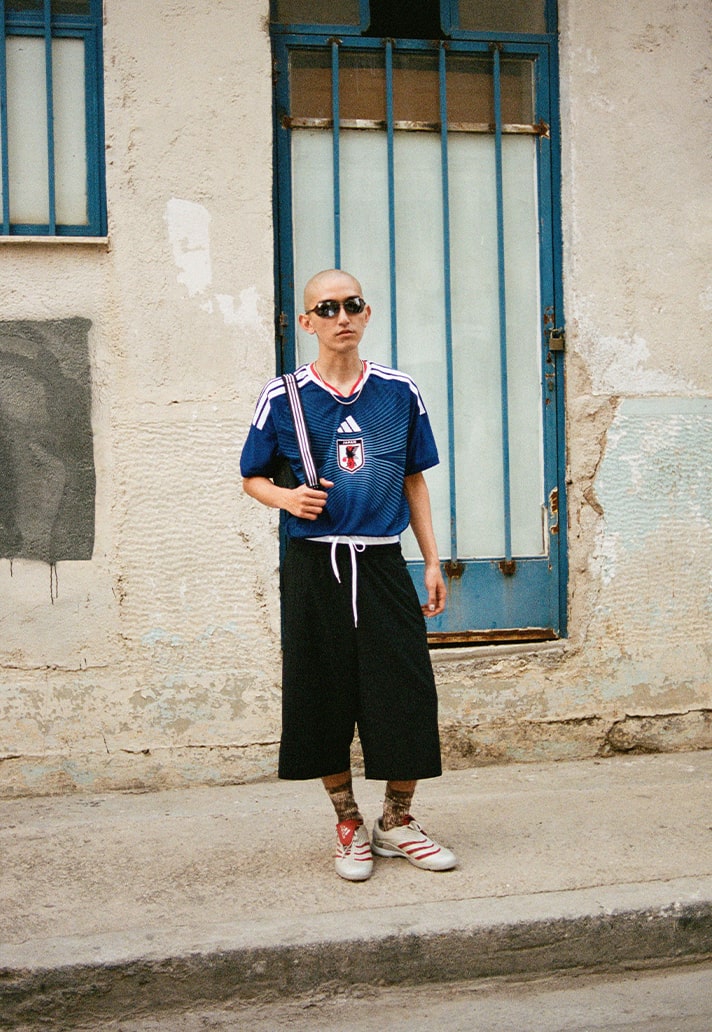
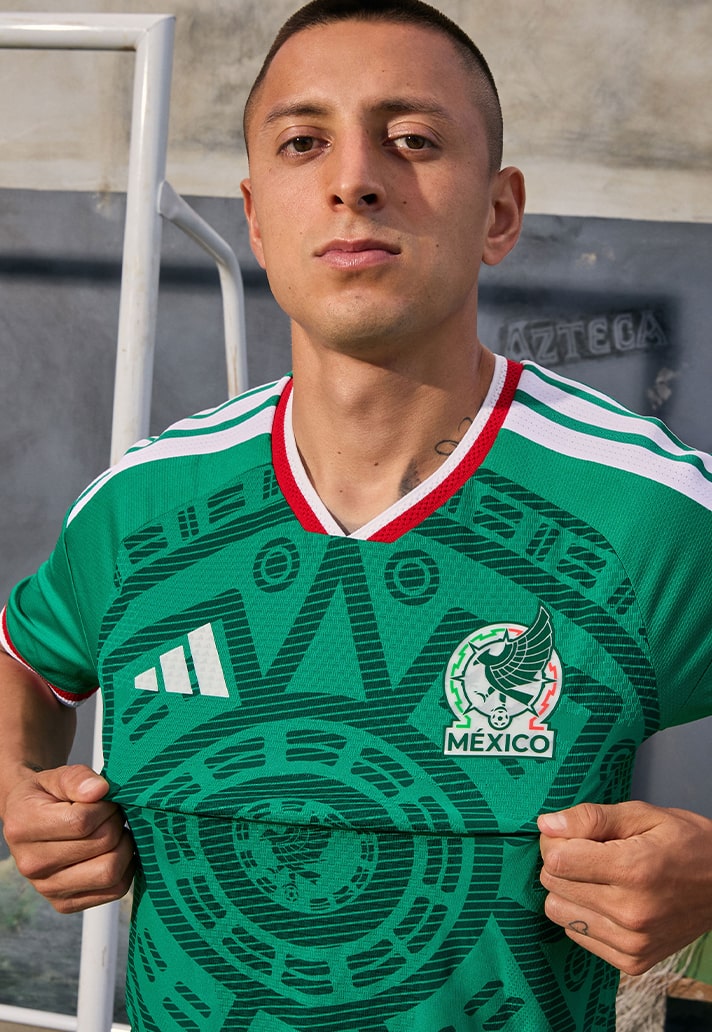
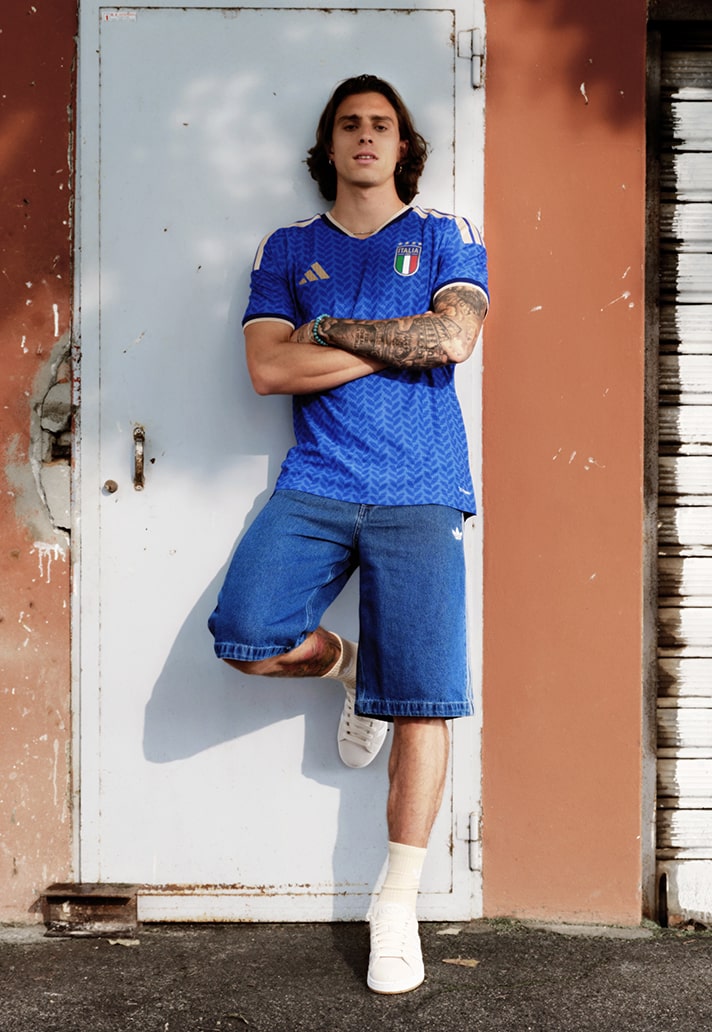
And if Del Piero’s accidental leak is anything to go by, the away set is set to be as impactful as the home. This isn’t a brand producing kits for a tournament. It’s a brand producing a cultural collection, and it’s just the latest example of the brand’s positioning at the forefront of jersey design.
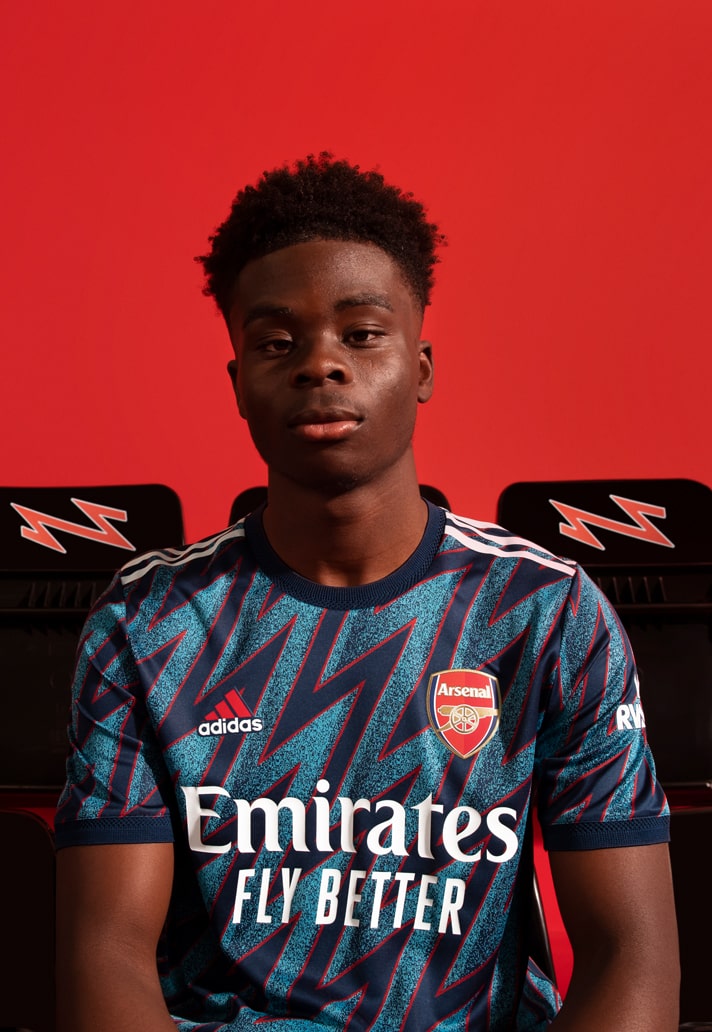
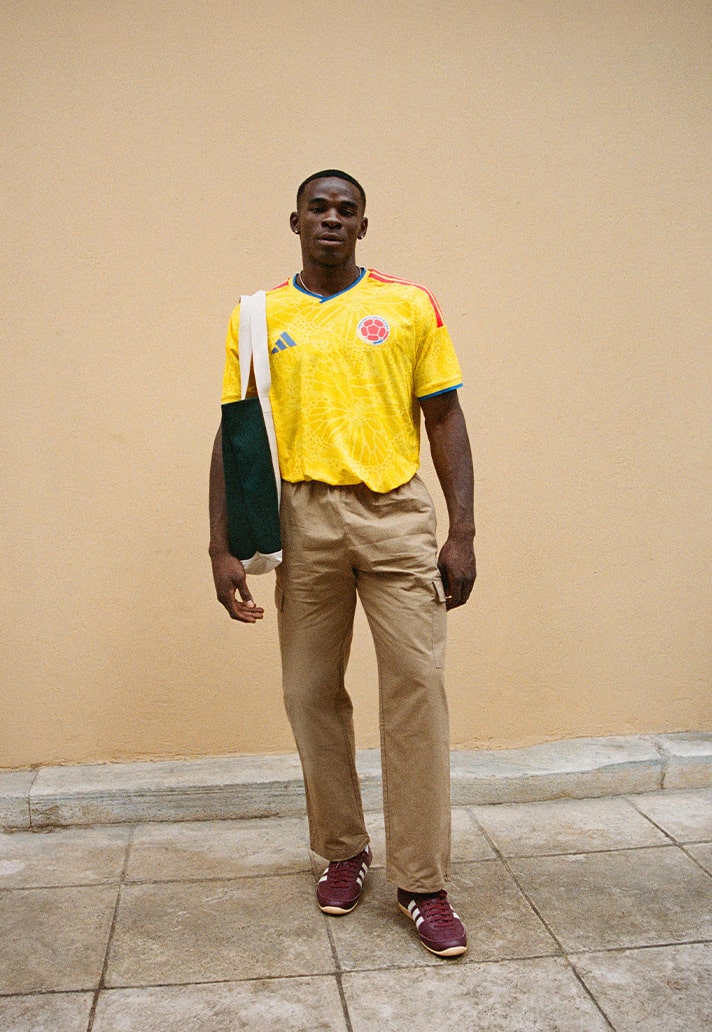
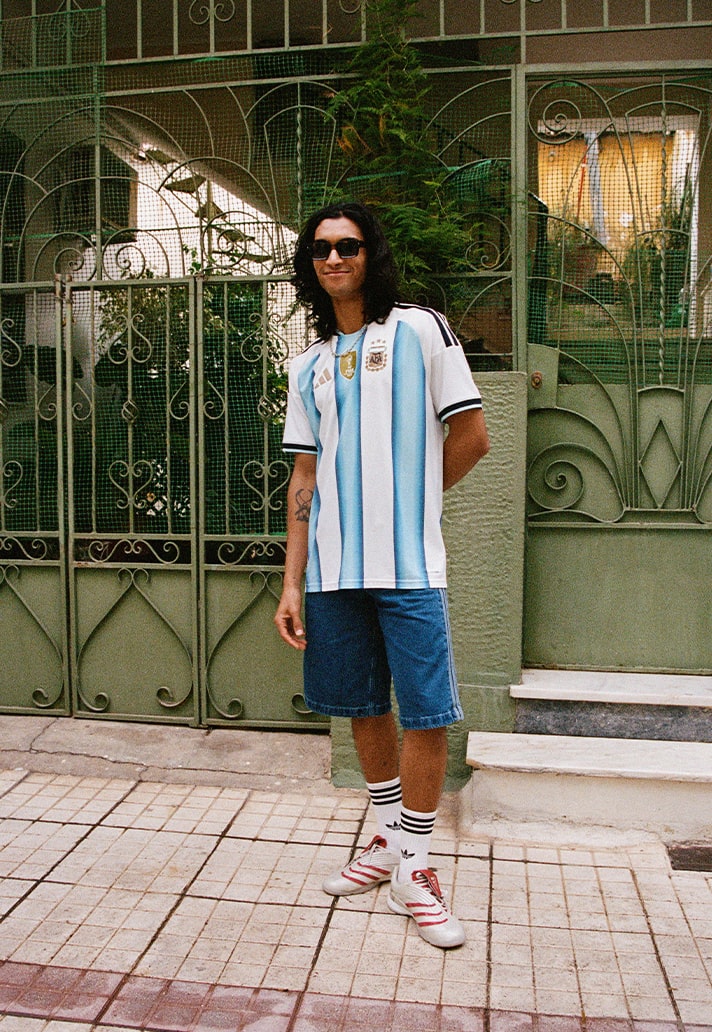
Across continents, competitions, and cultural contexts and across the shifting line where football meets fashion, adidas have shown the value of consistency paired with curiosity. Arsenal, Roma, Ajax, Juventus, Japan, Mexico, Argentina — you could rattle off a list of adidas teams that have been in a design renaissance for years. That doesn’t happen by accident. And with the reveal of the 2026 World Cup home kits, adidas have once again landed a collective set that feels both inevitable and extraordinary.
The brand’s approach is simple but powerful: engineer for performance; design for culture; tell stories that matter.
In an era where football kits have become cultural artefacts, social signifiers, and style statements, adidas don’t just keep up — they lead. And with every new release, from national teams to MLS to their Trefoil-marked club kits, they continue to set the pace for what a football shirt can be.

Shop adidas 2026 World Cup kits at prodirectsport.com/soccer