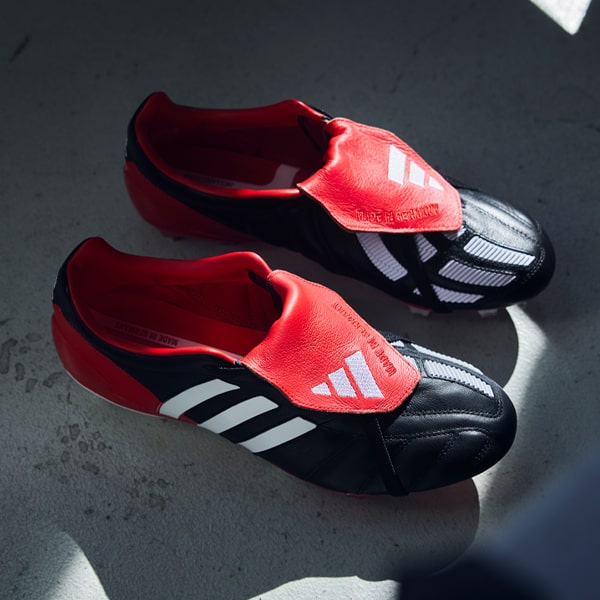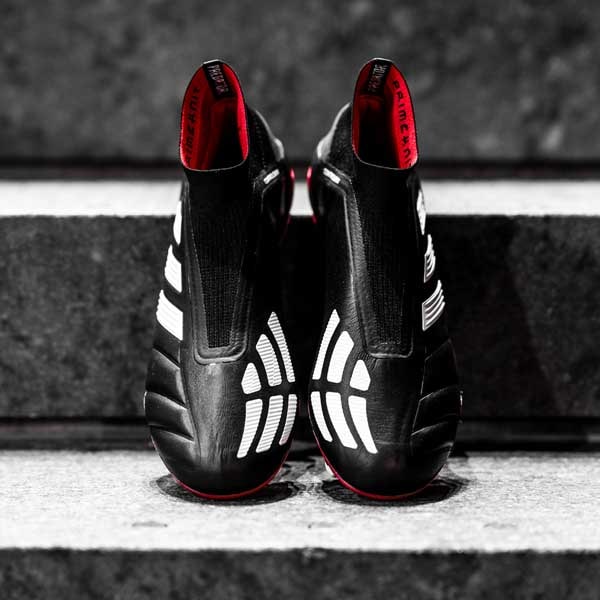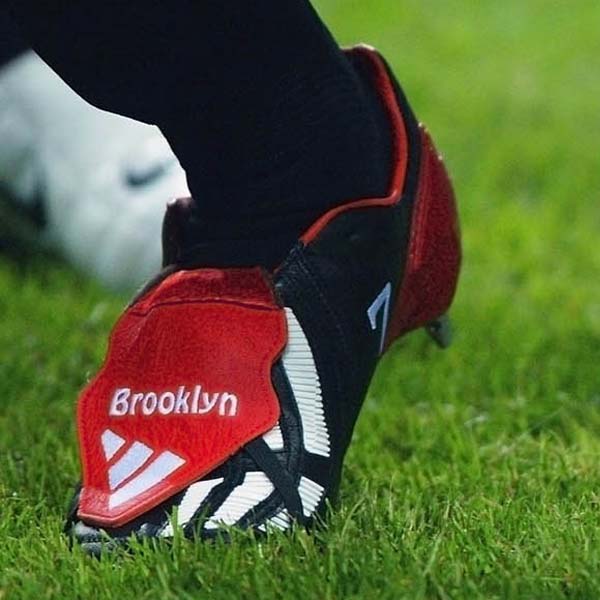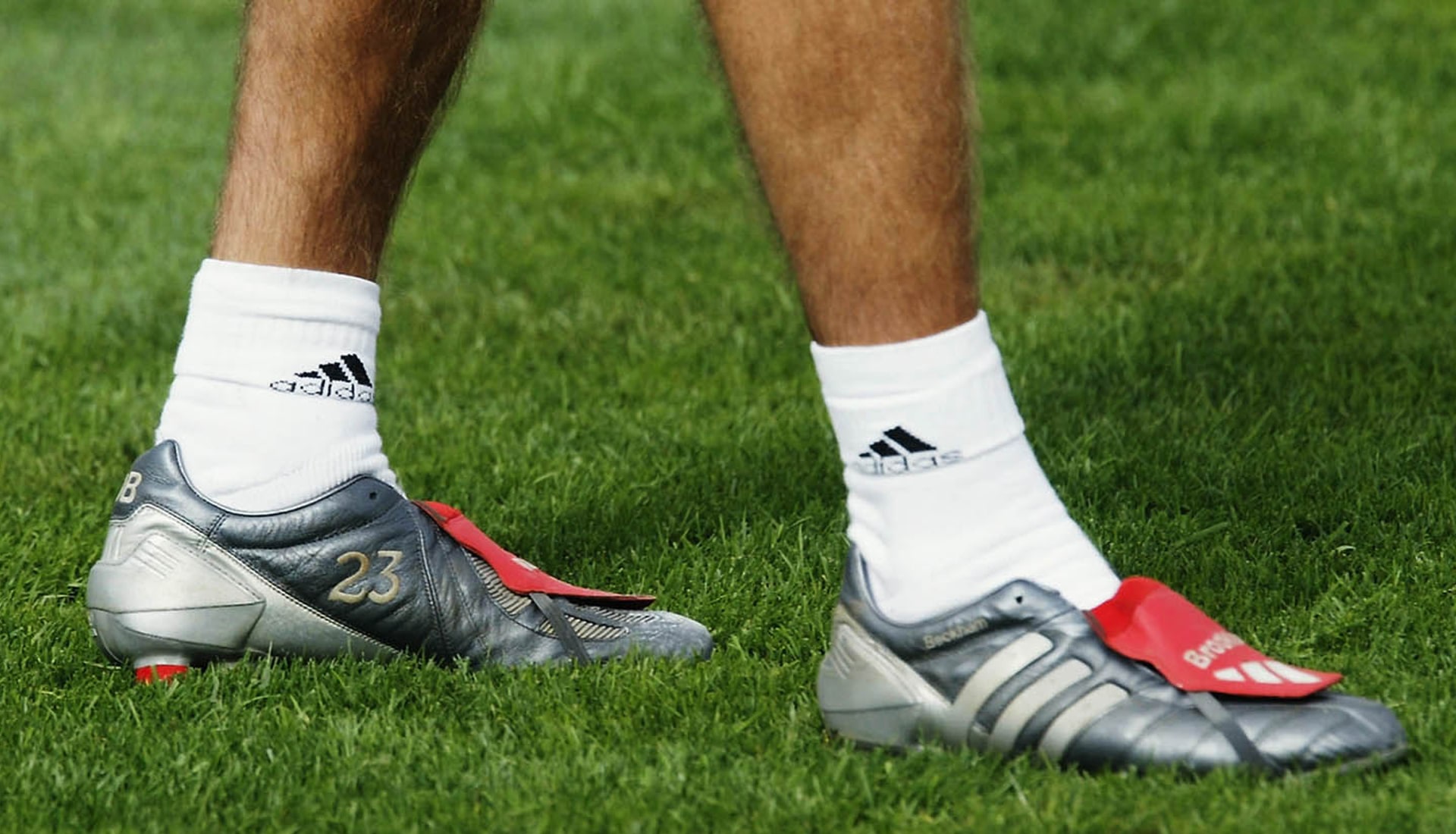
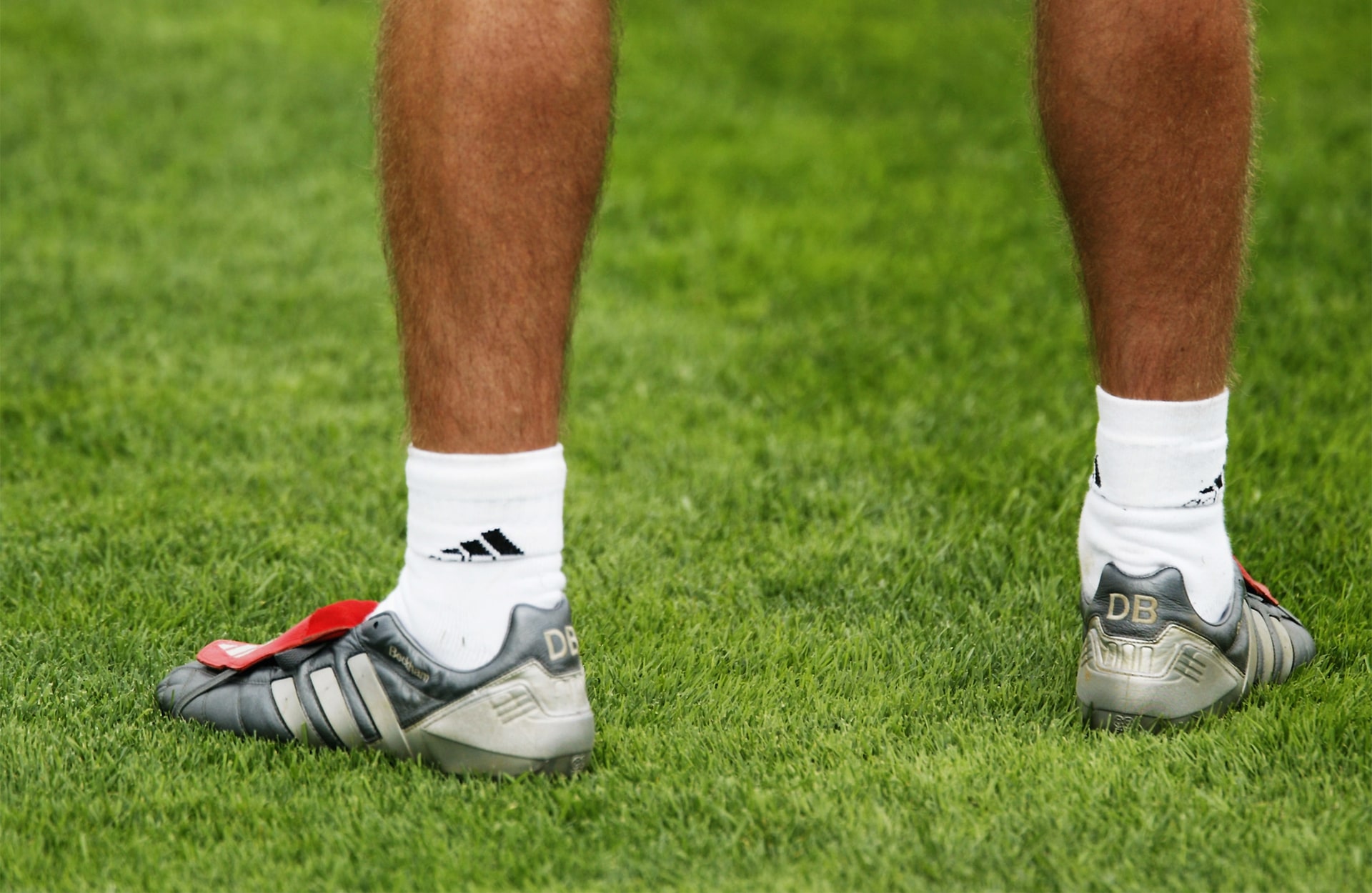
It’s a colourway that shouldn’t work, a shade football has always treated with suspicion, but somehow it’s become one of the most mythical pieces of footwear the game has ever produced. The adidas Predator Mania "Gunmetal" is a boot built on contradiction—stealth and swagger, subtlety and statement, rarity and resonance. That’s exactly why it’s become the most cult of cult classics.
Few boots carry the same aura, the same whispered legend, as the adidas Predator Mania in Gunmetal Grey. Even in a silo built on icons, the gunmetal stands apart — a colourway that shouldn’t have worked, a statement that shouldn’t have landed, a boot that in hindsight feels almost too cool for its own era. Yet that’s exactly why it endures. It’s the anti-hero of the Predator dynasty: understated, unconventional, and absolutely unforgettable.
Football and grey have always had a complicated relationship. It’s the colour of overcast Sundays, misty training grounds, and one of the Premier League’s strangest chapters—Manchester United’s infamous halftime kit change in 1996, when their grey strip was blamed for invisibility on the pitch. Grey is the colour brands usually avoid: too flat to pop, too muted to market.
But in 2003, adidas leaned into it. Hard.

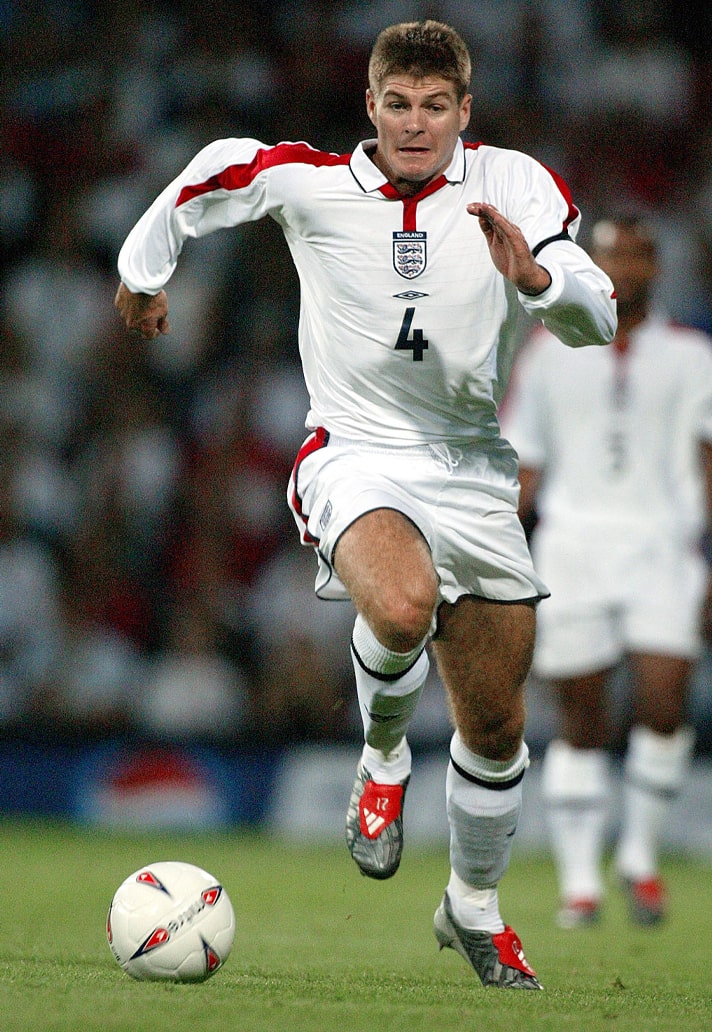
The Predator line was already shaking up the industry, but Gunmetal Grey was an entirely different flex. It wasn’t just grey; it was metallic, industrial, almost sci-fi. A colour that didn’t try to dominate the pitch, but still demanded your attention. The moment players laced them up, the boots had a presence—like something forged rather than manufactured.
To understand why the Gunmetal Mania became the cult boot, you have to rewind to the early 2000s—a genuine golden era for football culture. The 2002 World Cup. Pepsi ads that lived rent-free in your head. A global cast of players who felt larger than life. Football was becoming entertainment, identity, expression.
And the Predator Mania was right at the centre of it.

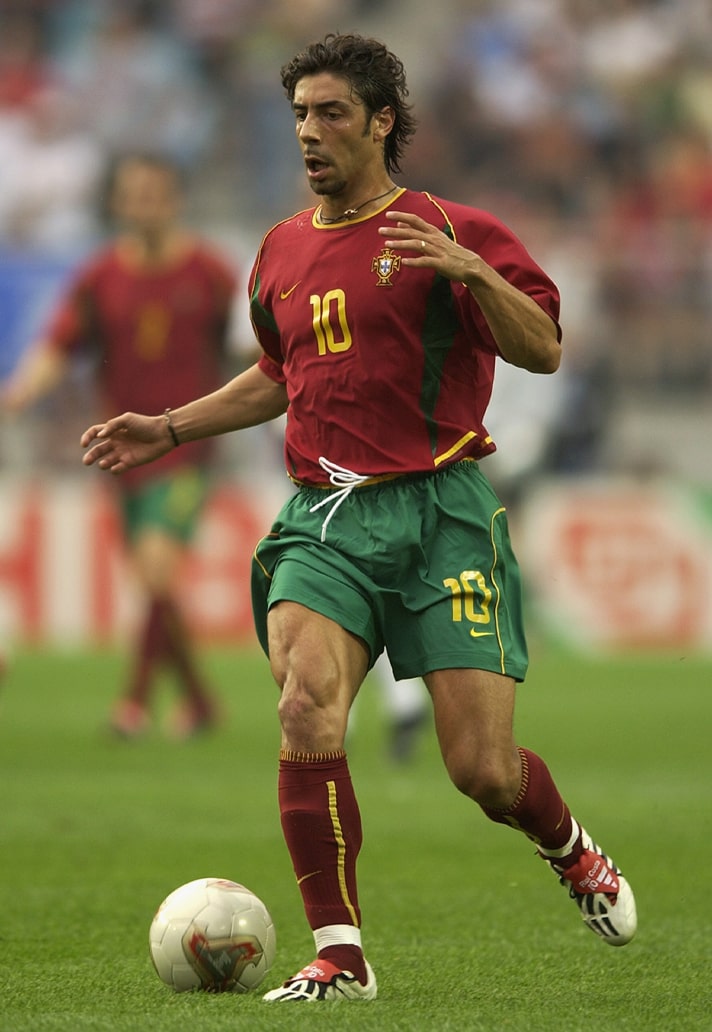

Released ahead of the tournament, the Mania shifted the boot landscape. The majority of the market was still stuck in black-and-white territory; the Mania arrived dripping with personality. The “Champagne” edition stole the World Cup spotlight, but its success cleared the runway for something bolder, weirder, more niche. Something like Gunmetal.
By the time the summer of 2003 rolled around, adidas had the perfect stage on which to introduce it.

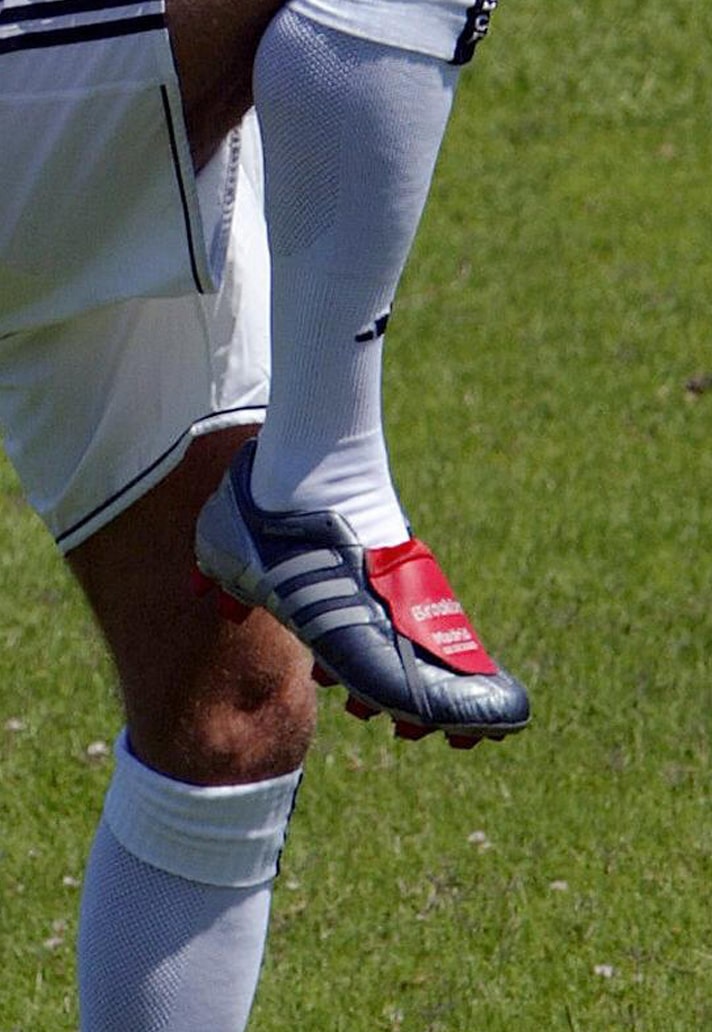
David Beckham stepping out at the Bernabéu for the first time as a Real Madrid player is one of those football moments that lives permanently etched into the sport’s collective memory. The white shirt. The global spotlight. The Galáctico era at full tilt.
And on his feet? A colourway nobody had ever seen before.
Beckham had road-tested the boots on his Asia tour weeks earlier, but the true unveiling happened on that legendary pitch in Madrid. Gunmetal Manias—sleek, reflective, almost futuristic—paired with the most pristine kit in world football. It was cool without trying to be. Understated but unmissable.
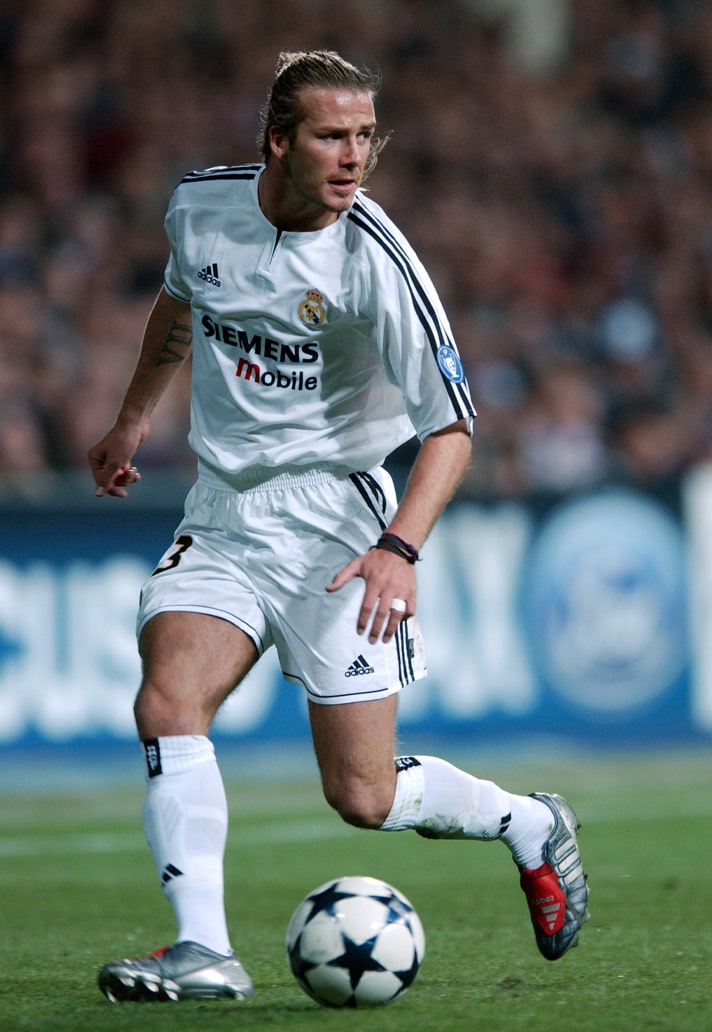
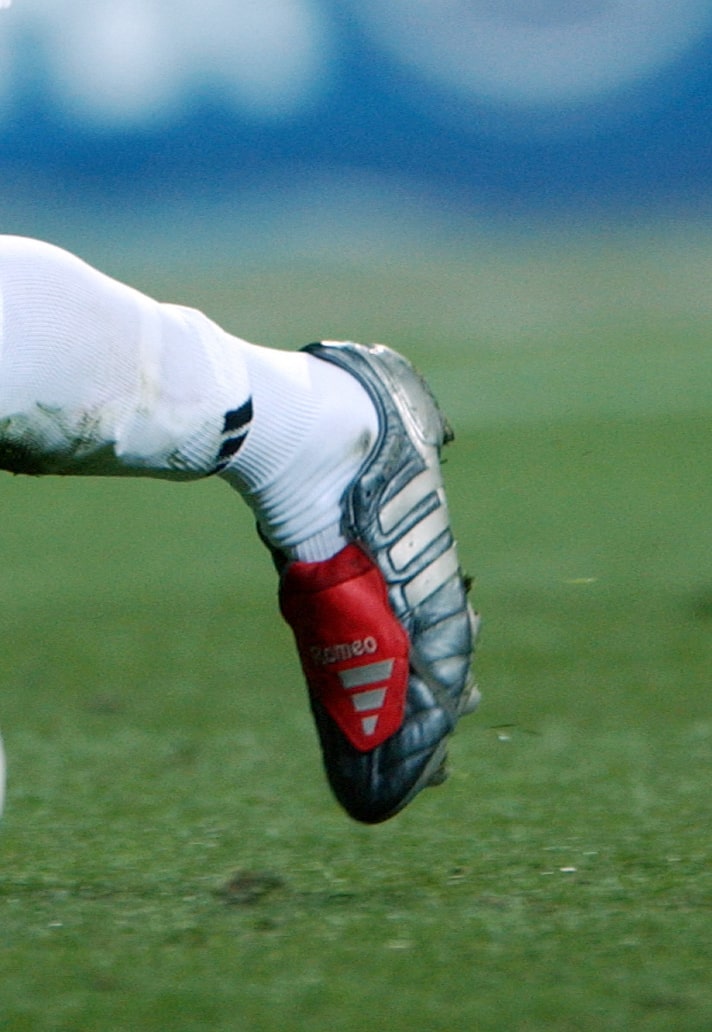
A perfect storm of player, club, moment, and product.
The Gunmetal Mania didn’t flood the market. It wasn’t mass-produced into oblivion. It came and went with the sort of quiet confidence that only elevates legend. Years later, collectors hunt them like treasure. Pairs surface rarely, and when they do, they’re treated like artefacts from an era football fans still worship.
This wasn’t just another colourway. It was a timestamp. A reminder of a football world drenched in personality—before the algorithm, before hyper-engineered minimalism, before boot releases felt scheduled rather than seismic.

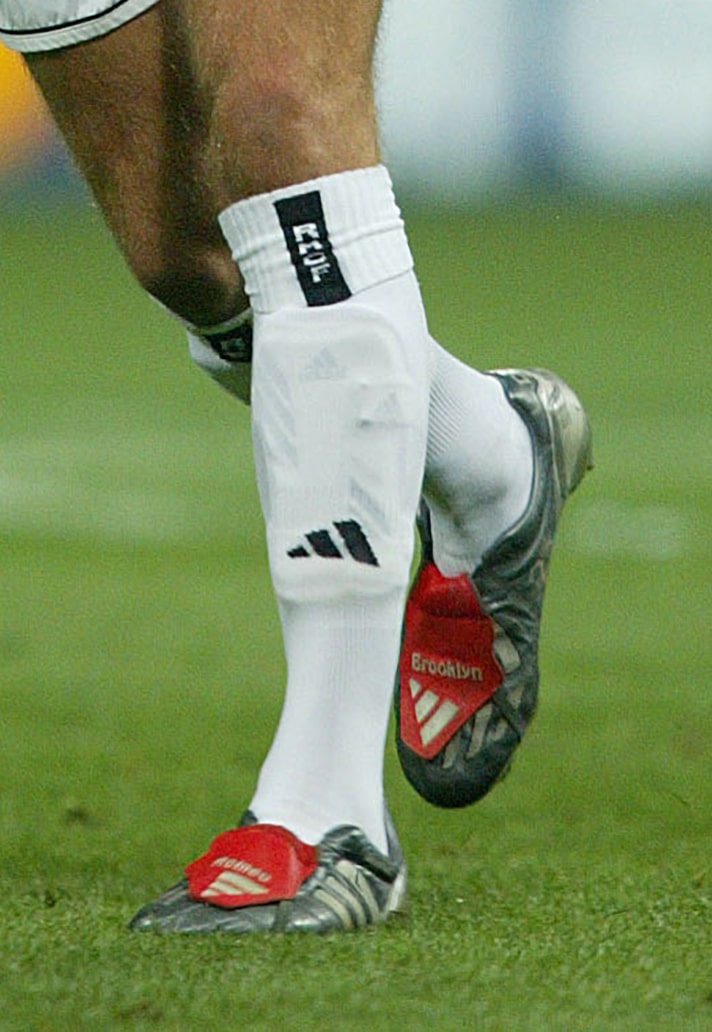
What truly makes the Gunmetal Mania such a cult classic is that it flips the usual script. Most iconic boots are loud. Neon. Flashy. Designed to stand out. The Gunmetal does the exact opposite.
It stands out because it’s understated.
Because it trusted its design lines, its silhouette, its tech, its moment in culture to do the talking. Because it represented a player who could change a game with a 40-yard ping and barely crack a smile while doing it. Because it captures the exact essence of what made the Predator Mania era so powerful: boots became more than tools—they became part of the identity of football itself.

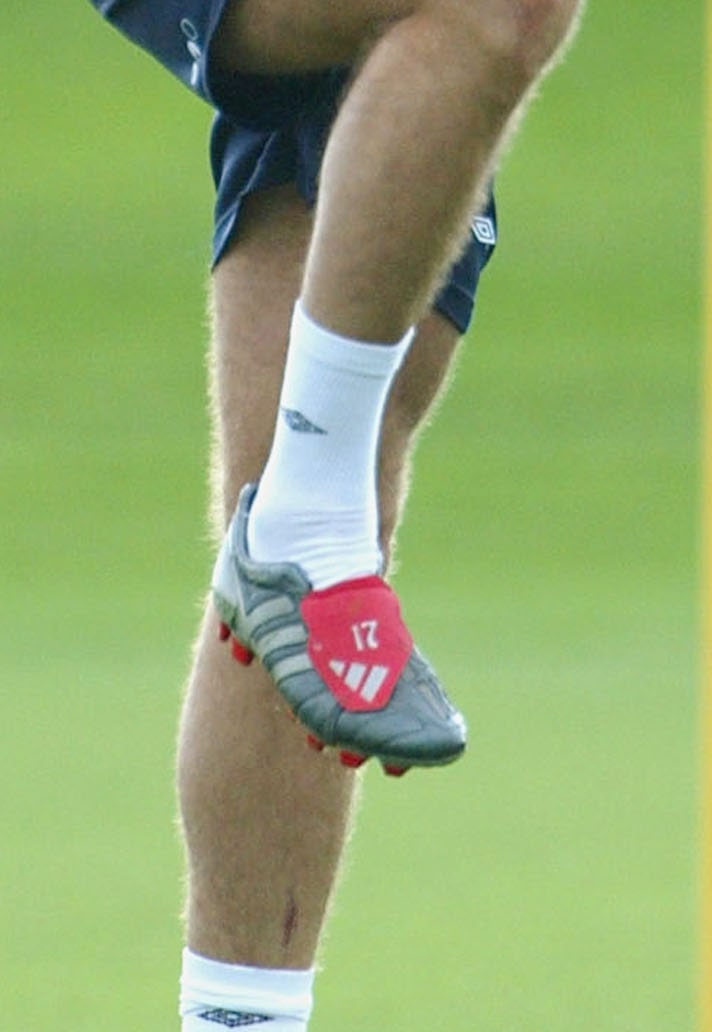
The Gunmetal Mania isn’t just rare. It isn’t just pretty. It isn’t just nostalgic. It’s the perfect meeting point between innovation, culture, superstardom, and timing. It feels like the boot equivalent of a cult film—maybe not the one everyone watched first, but the one that everyone who gets it swears by.
It’s football’s ultimate grey area: hard to find, impossible to forget.
And in a landscape where boots chase attention in louder and louder ways, the Gunmetal Predator Mania remains a reminder that sometimes the coolest things in football culture don’t shout at all. They whisper—and the whole world listens.

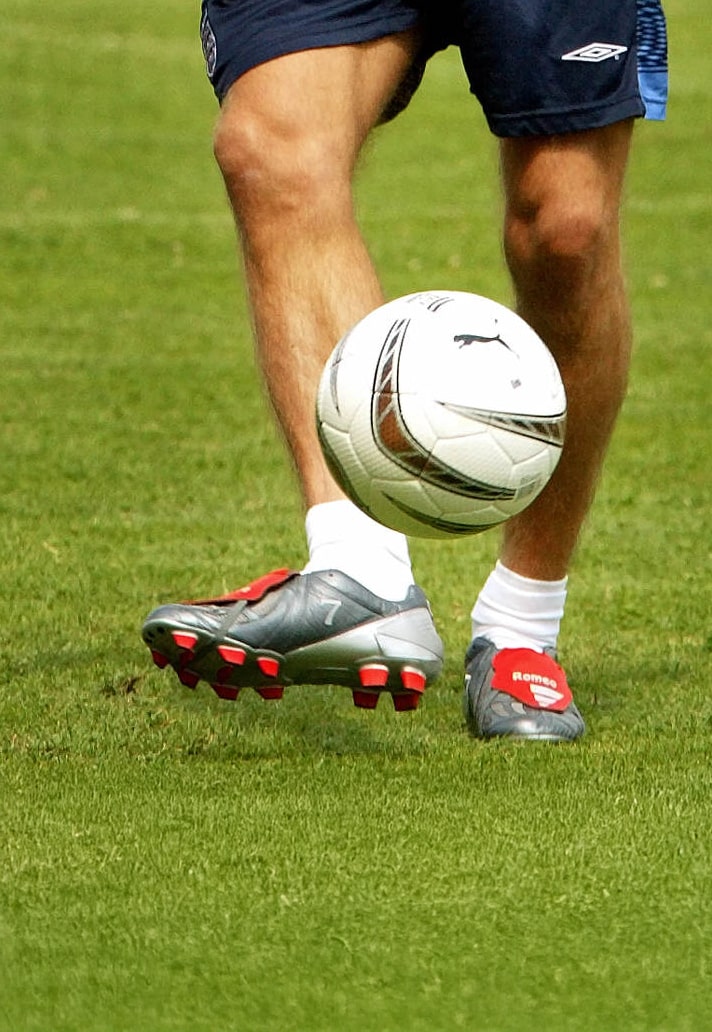
We're ready for its return...