In the world of modern football, everything is timed, packaged, optimised to perfection.
Even the things that look spontaneous usually aren’t, which is why what LALIGA did this weekend felt so refreshing.
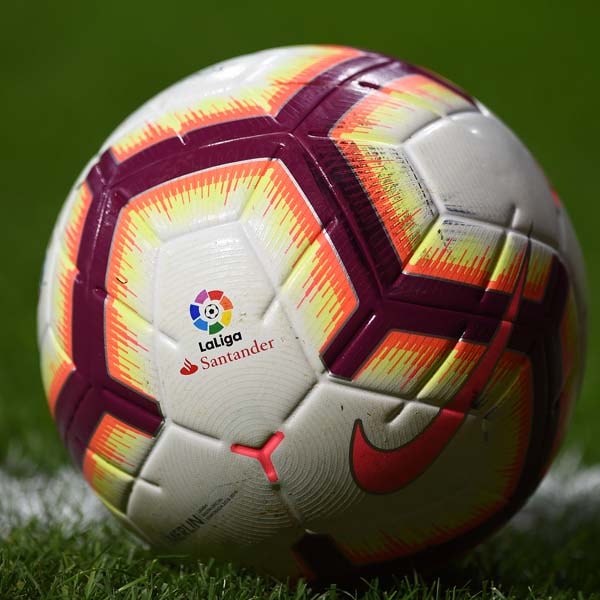
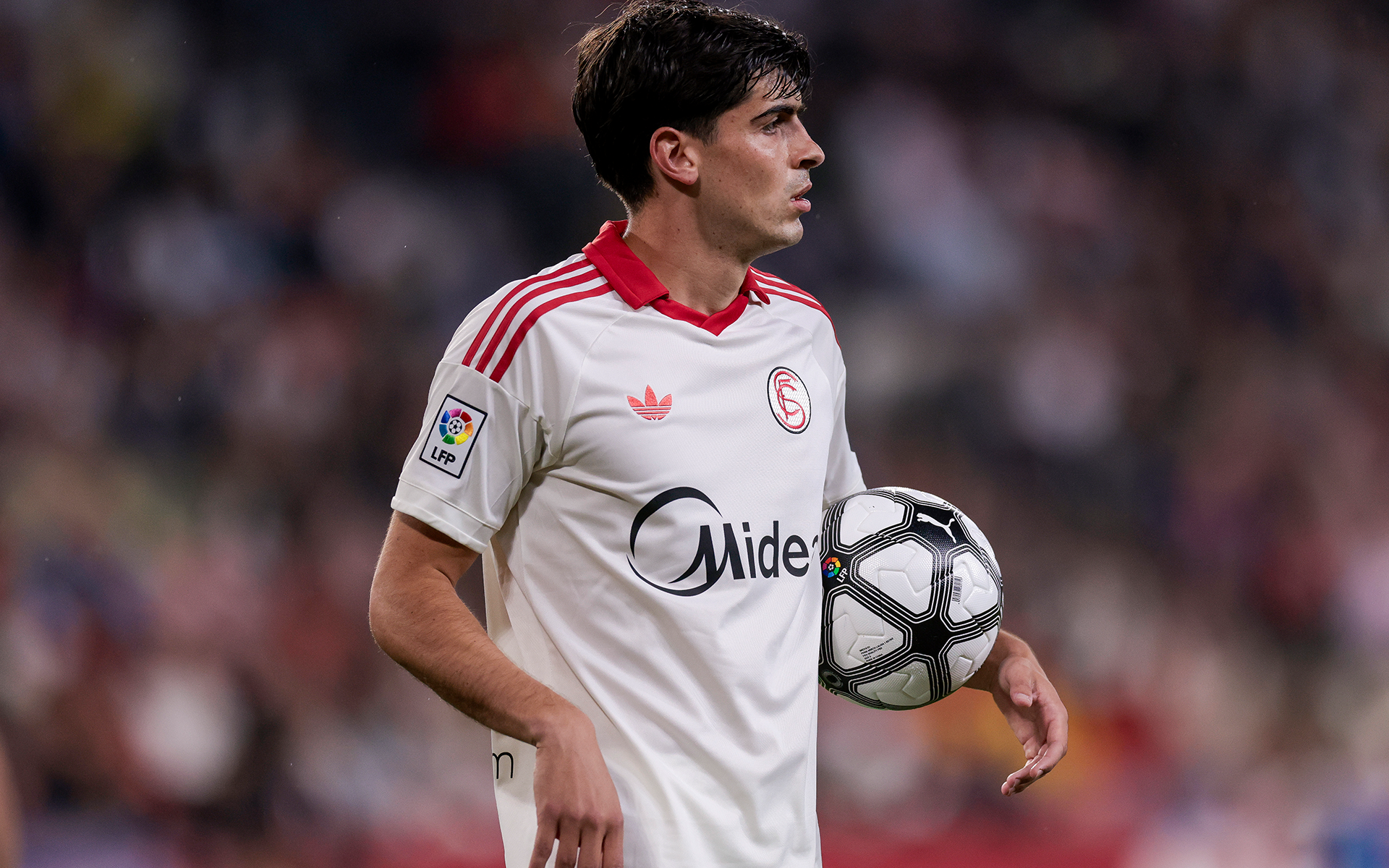
Framed as a league-wide retro matchday, the idea was simple: clubs revisiting historic kits from across their own timelines, worn simultaneously across a full round of fixtures.
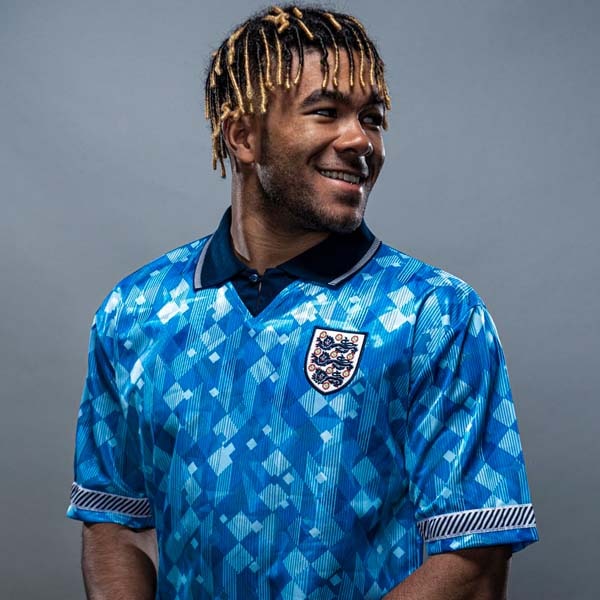
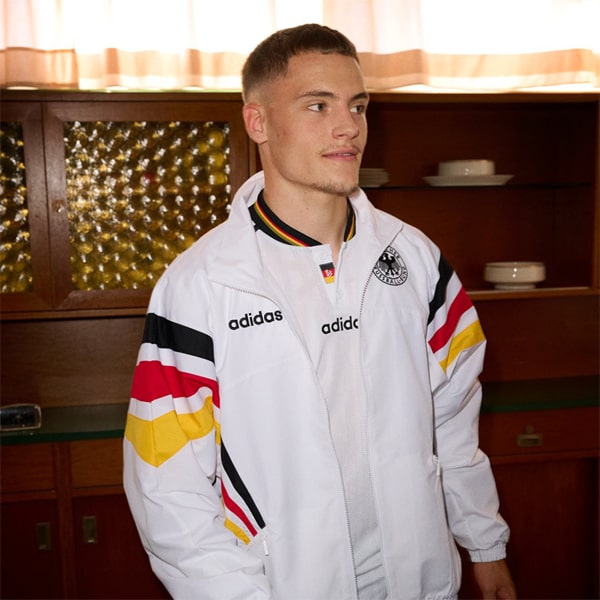
Retro has long been football’s default setting for a while now as brands continue to mine archives with precision, bringing back familiar silhouettes and badges, and leaning into cultural storytelling and historical reference points across its national team releases.
Clubs are also doing the same with anniversary kits, reissues and a plethora of heritage callbacks. Sure, most of it lands well, but very little of it actually cuts through. LALIGA's Retro Weekend, though, did, mostly because it wasn’t trying to. Hear me out.
The key difference was that this time, everything happened all at once. In a sport built on hierarchy and competition, that kind of alignment is rare.
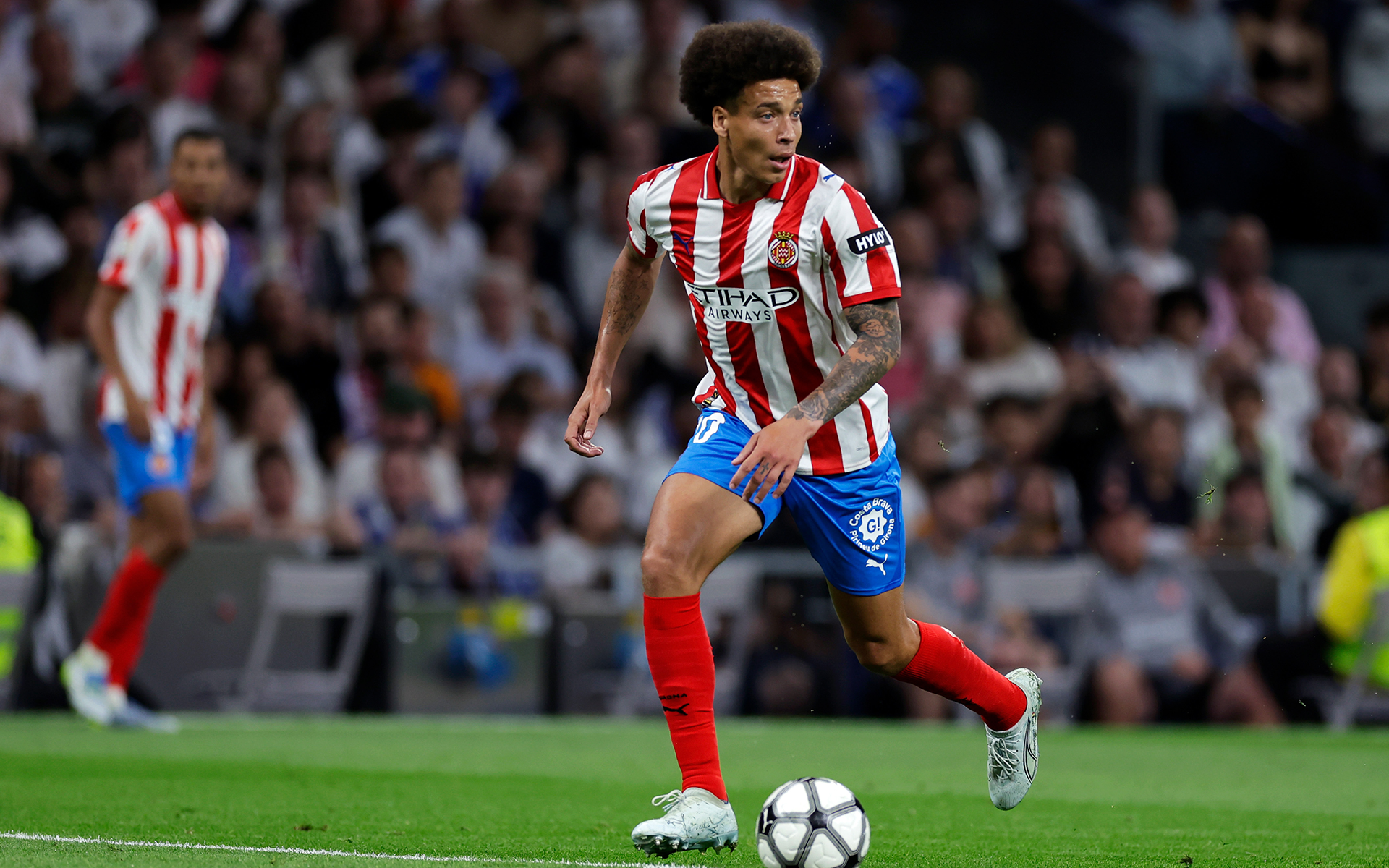
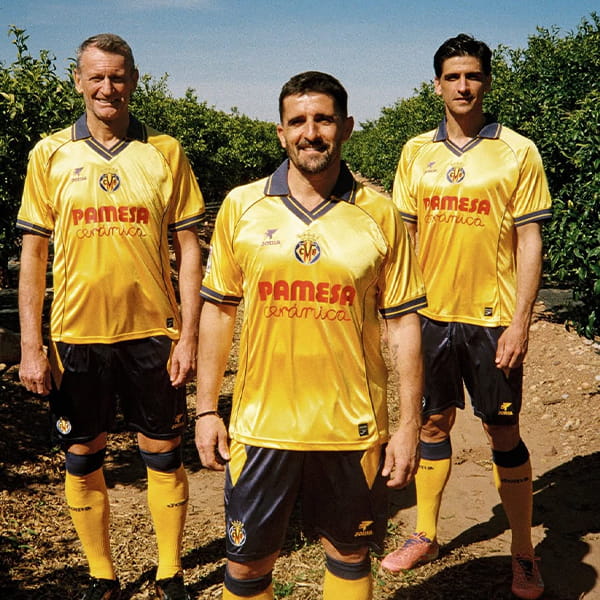
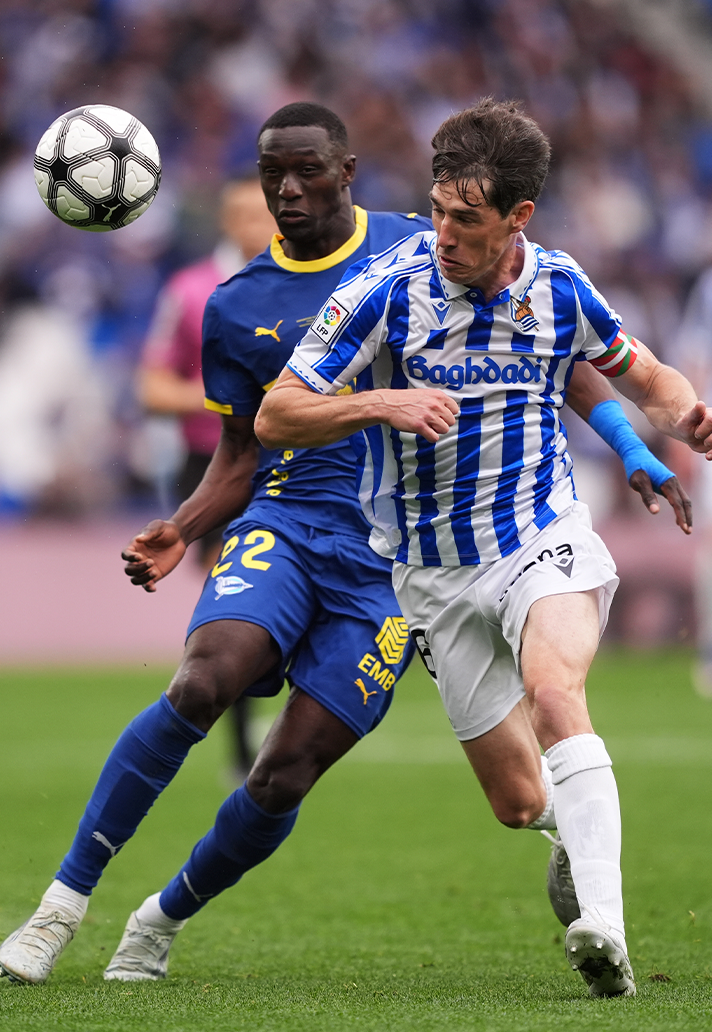
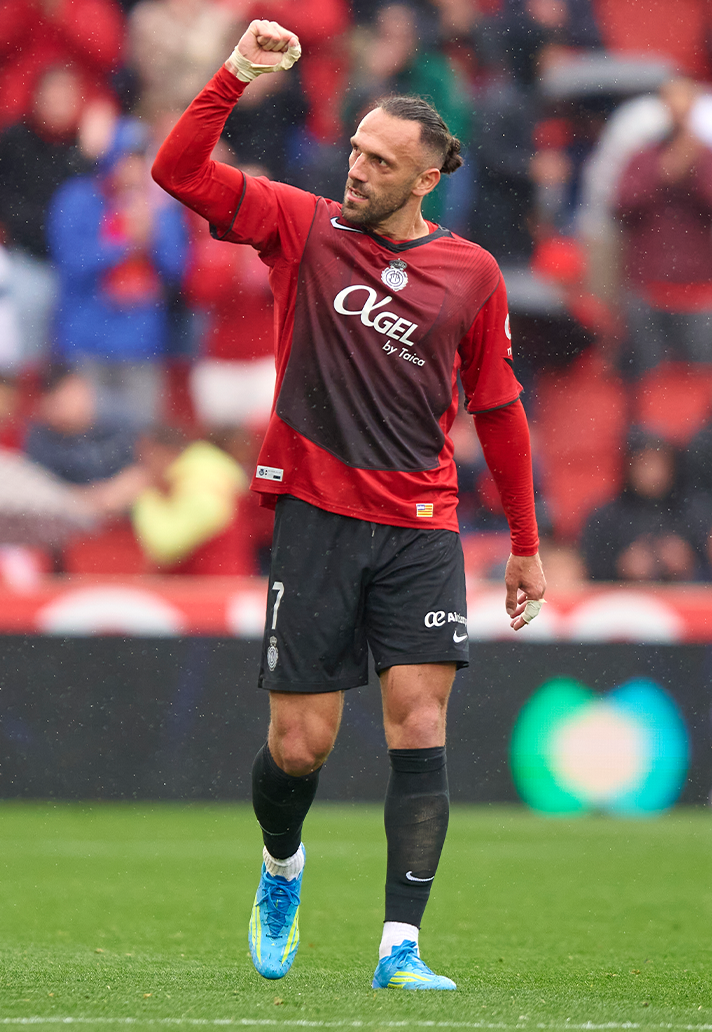
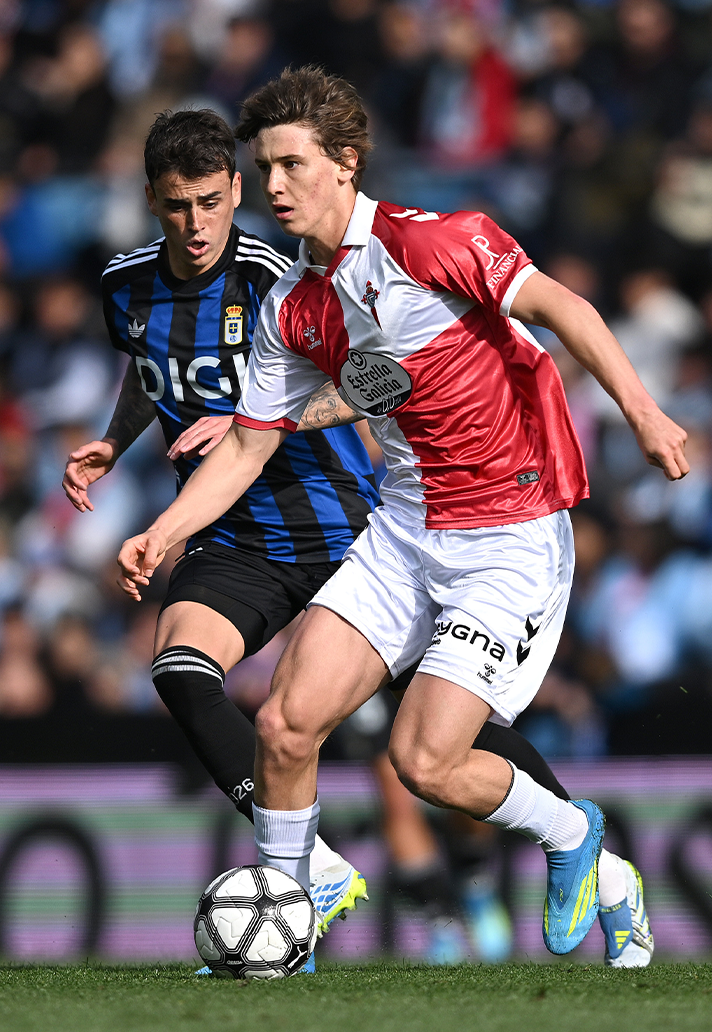
You had Real Sociedad taking it back to the early 90s, with a sweat-collecting collar thick enough to double-up as a mantelpiece. Villarreal’s metallic-like golden jersey reminded us of prime Juan Román Riquelme, while Mallorca’s Total 90-inspired Nike kit had fans calling for a permanent design of a similar ilk.
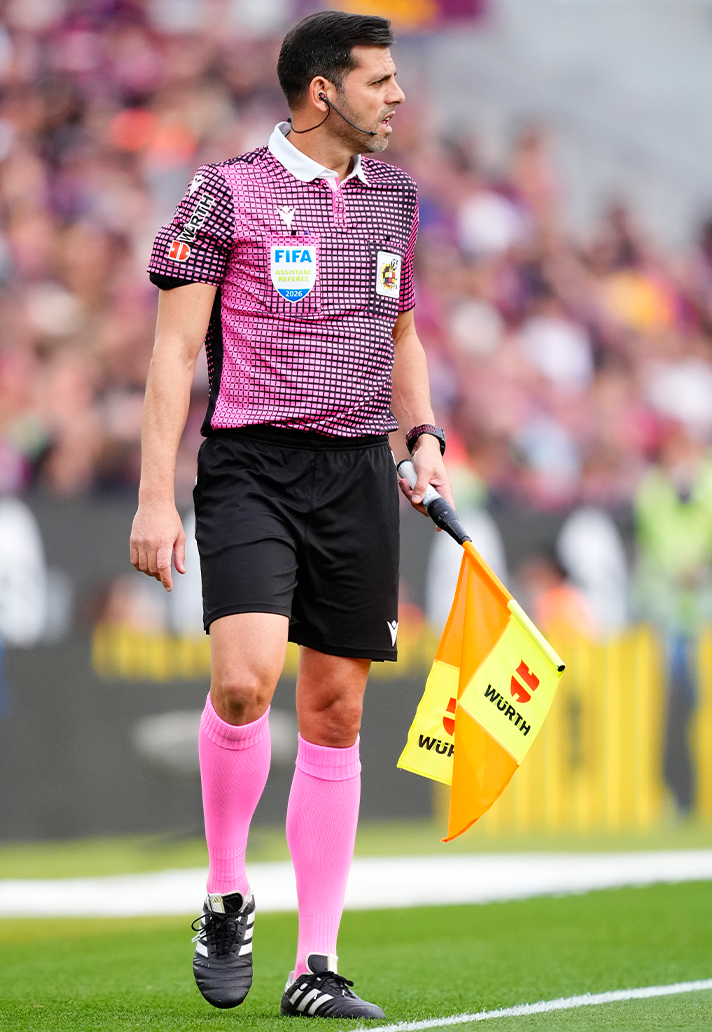
Even the officials were in on the action, with referees and linesmen sporting a cross between 1998 World Cup and the Hacienda.
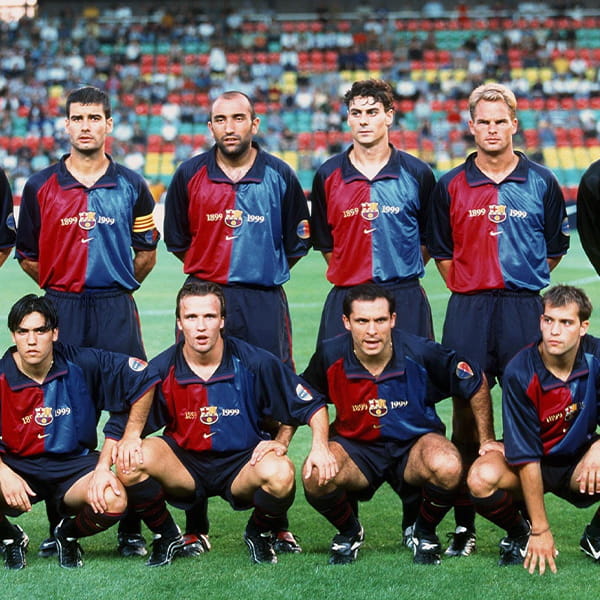
It’s worth mentioning, of course, that not every club bought in. FC Barcelona, Rayo Vallecano, Getafe and (of course) Real Madrid sat the weekend out, opting against the retro brief altogether – whether through kit clashes, commercial constraints, or simply not having a clear archival reference to pull from. Even in a format built on shared participation, total cohesion is still hard to come by.
The whole weekend created a shared visual moment. You weren’t comparing drops. You were just watching football. There were no over-explanations, no heavy narratives and no need to decode every detail. You either recognised the reference or you didn’t. Simple as that.
In a cycle where kits often arrive with paragraphs of context, this felt instinctive. See it, feel it, move on. And importantly, it didn’t overstay its welcome. One weekend. That was the idea. It could have been stretched into something bigger – more content, more product, more noise. Instead, it was contained.
It’s worth mentioning at this point that it’s hard to picture the Premier League doing the same. Not because it lacks history, but because the structure is somewhatg different. Everything is tighter, more controlled, more commercially defined, with every output a function. That system works, but it doesn’t leave much room for something like this – a league-wide decision that feels slightly unnecessary, slightly indulgent, and therefore more enjoyable.
For what it’s worth, it should be something the Premier League considers. Imagine a full round where Arsenal step out in a late-90s JVC-era throwback, Manchester United pull from the sharp, collar-heavy Umbro years, and Newcastle United revisit the Entertainers era.
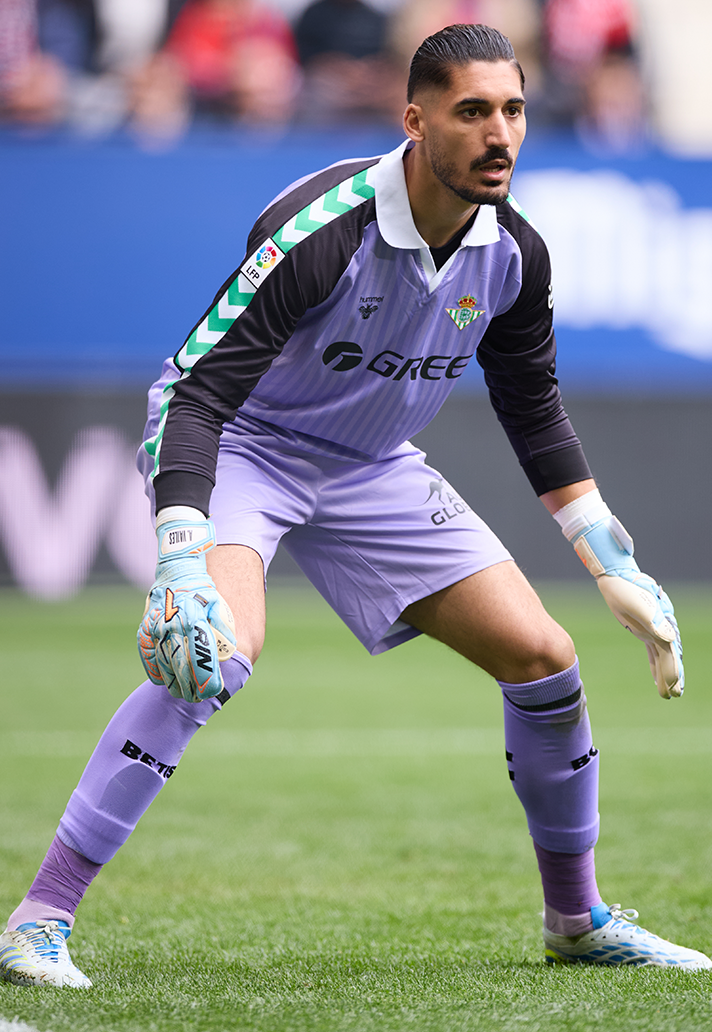
Not one-off anniversary drops, not carefully staggered releases, just a shared moment across the league. Let it sit for a weekend and let people recognise it or not. It doesn't matter. Because that’s what this was, at its core: Enjoyable.
Yes, it sold shirts, but it also felt like something designed to be genuinely fun. A small but noticeable shift.
In LALIGA, for a couple of days, the game looked and felt a little lighter. Less burdened by the need to maximise every moment and less concerned with numbers, just a set of good ideas, executed cleanly, and left to breathe.
That’s what made it land. Not the nostalgia, but the fact it didn’t try too hard to justify it all.