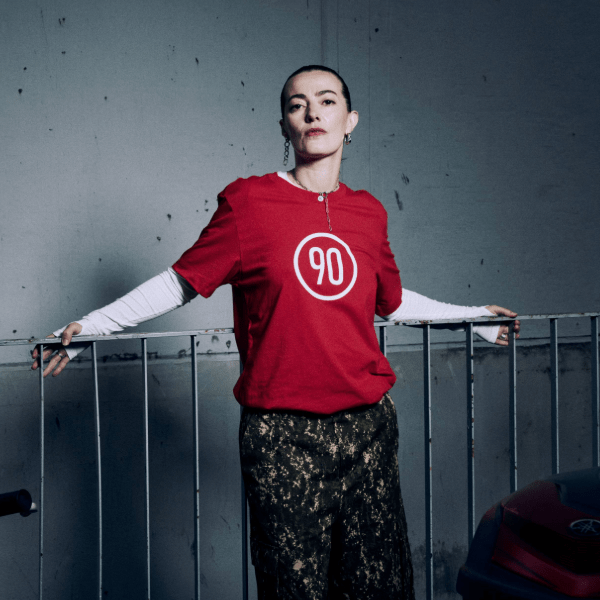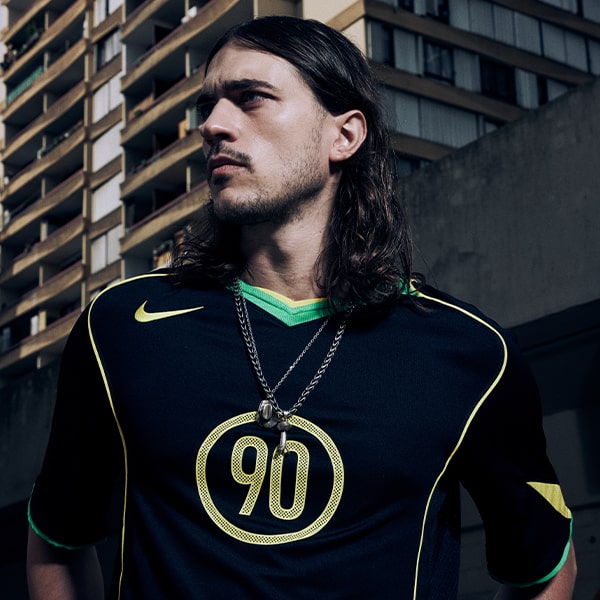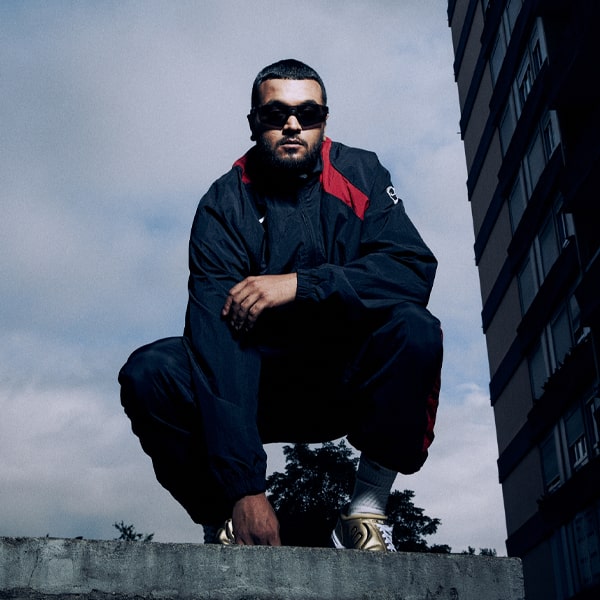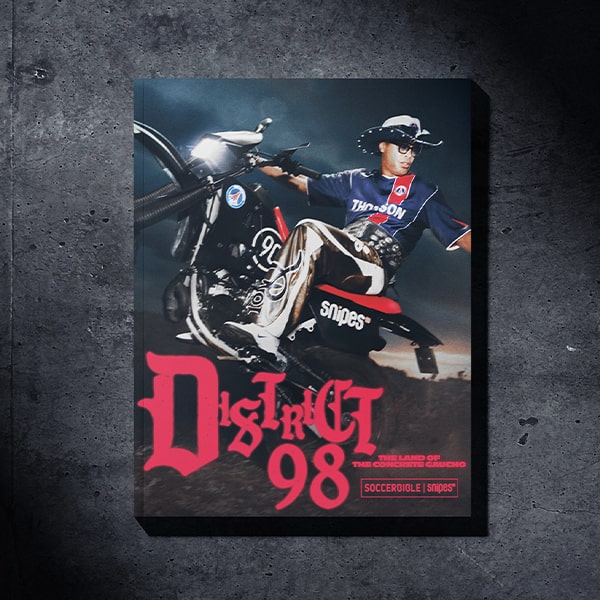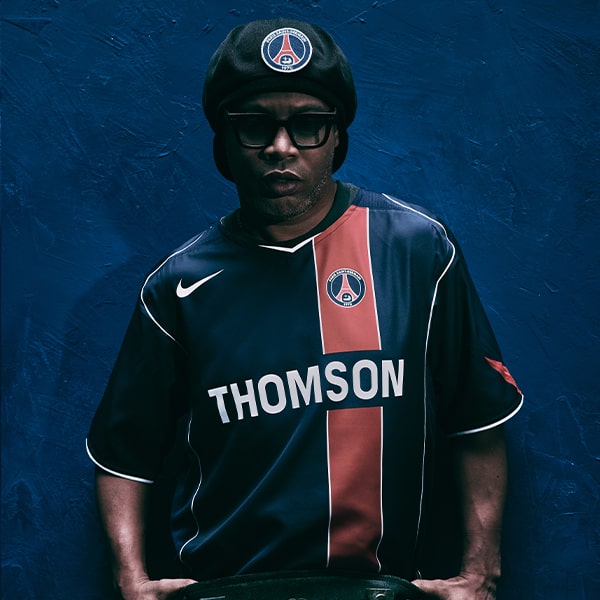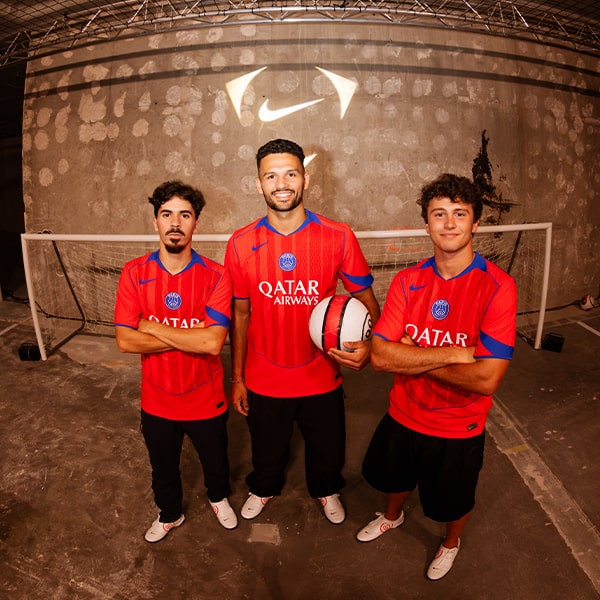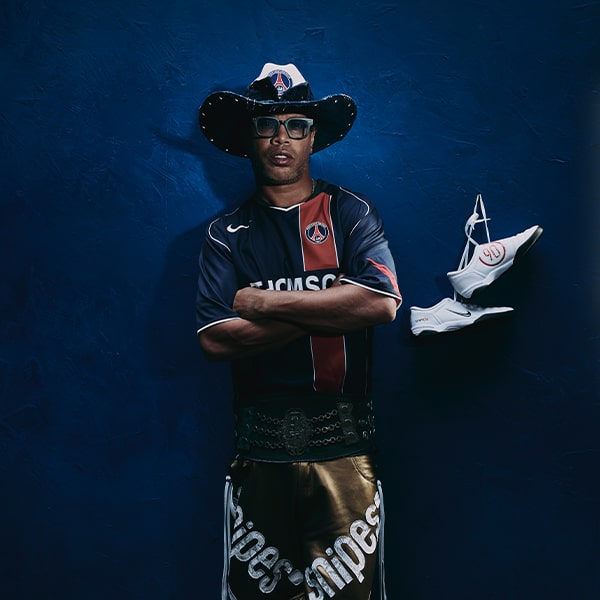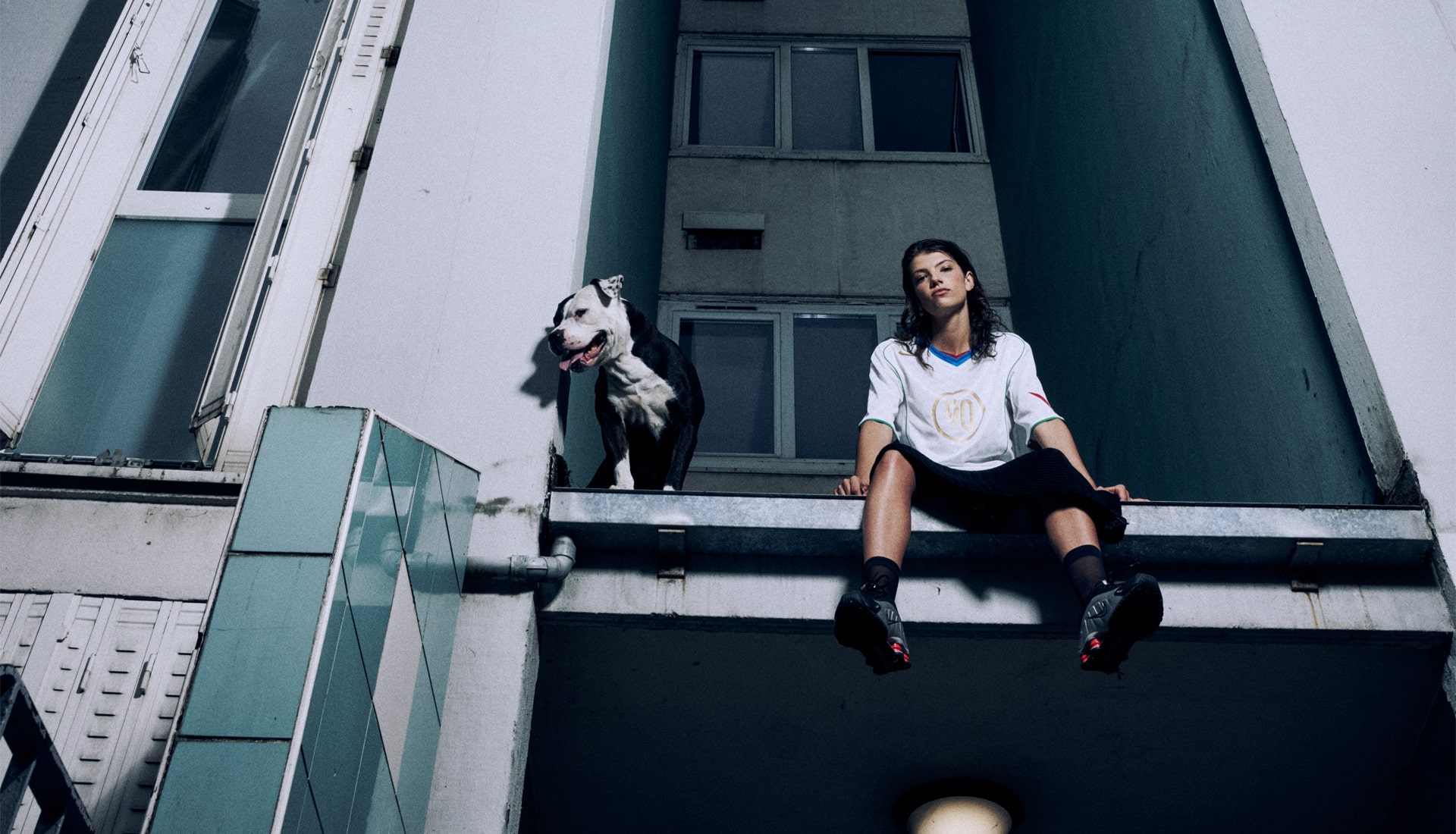
The second slice of our ‘Concrete Gaucho’ series, Chiara Casari is a fearless creative. Whether it’s using film photography to hone into your discipline, or taking your inner surroundings to breathe new life into every piece of work - Chiara proves that home can also be where the art is.
For the second instalment of our Concrete Gaucho series, we sit down with Chiara Casari — a photographer whose eye for detail is matched only by her fearless creativity. Working primarily with film, Casari’s work captures the patience, precision and poetry of everyday life, all while threading football’s visual language into her world. Paris is her canvas, and through her lens, we see how the city’s streets, its fashion, and its football culture collide in ways that feel both timeless and distinctly modern.
How would you describe the creative energy of Paris right now? What makes it unique compared to other cities you’ve worked in?
Paris inspires me because of the people it gathers. It’s a cultural crossroad, a place where influences mix and artists find each other. For me, it’s less about the city as an object and more about the people within it — my circle, my communities, my teammates. They shape my work and lead me to the subjects I explore.
As a photographer working with film, what draws you to the textures and imperfections of that medium, especially in a city like Paris?
Film demands patience. You can’t shoot endlessly, so every frame counts. That discipline makes me more focused, more intentional. Of course, film has a beautiful aesthetic, but for me it’s about the working method — it forces me to slow down, to look more carefully, and to respect the process.
Does the city itself—its architecture, light, and street life—influence the way you approach a shoot?
What inspires me most isn’t the architecture or the light, but the people who live here. Photographing my friends, my teammates, and the people I meet daily is where the city really comes alive through my work.
Football is such a huge part of Parisian life. How does that culture show up visually in the streets?
Football is everywhere. Every neighbourhood, every corner — you’ll see someone wearing a jersey, whether it’s a kid or an older person. It cuts across society. And because Paris is also a fashion capital, that football aesthetic naturally blends into the streets. It’s influenced designers, it’s influenced culture — it’s part of the fabric here.
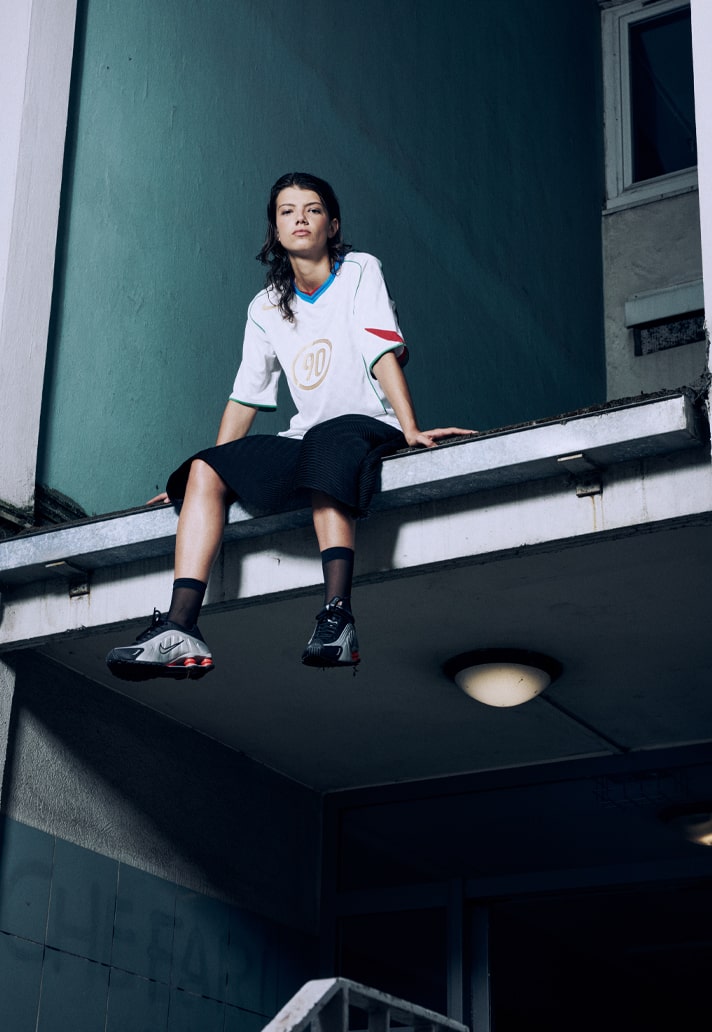
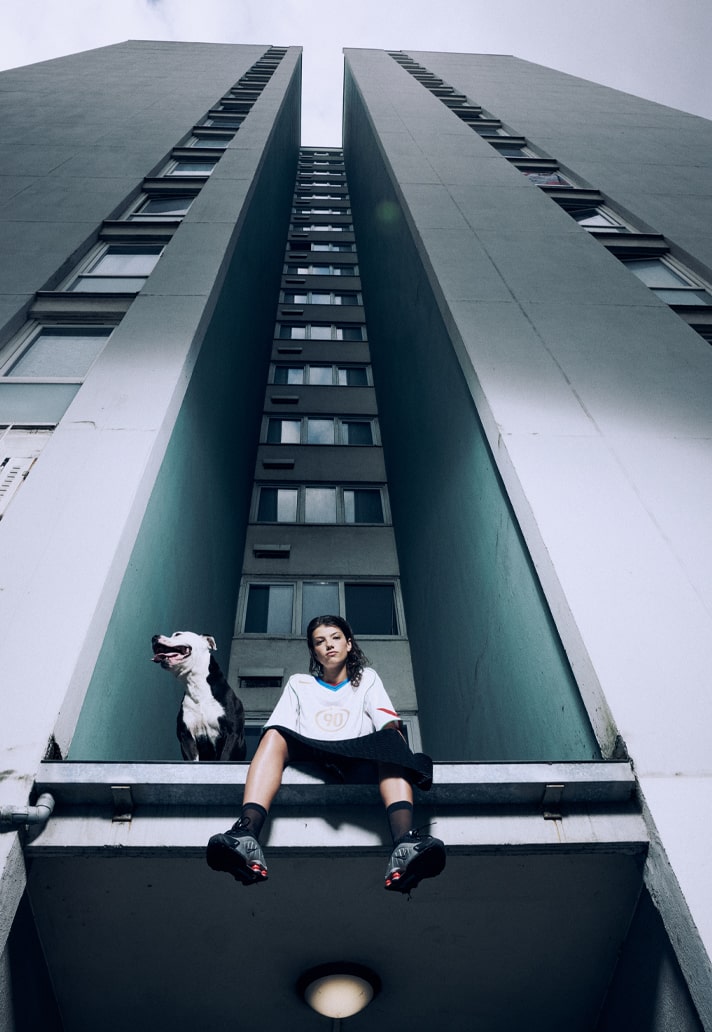
Do you see football jerseys, logos, and iconography naturally blending into everyday street style?
Definitely. When I’m photographing my teammates, I’m always drawn to the jerseys. A vintage shirt with gold stitching, for example — it just sings in an image. Jerseys carry eras, colours, and memories. They hold history, and that makes them visually powerful.
Are there certain Parisian football moments or aesthetics you find yourself referencing creatively?
PSG’s rise, the Total 90 era, the 1998 World Cup, even the joga bonito years of Brazil — those moments shaped how I see football visually. They’re all part of the references I carry with me.
Paris has this tension between high fashion and streetwear—how do you capture that in your work?
I see it every day. Jerseys paired with jeans, shorts, or even tailoring. Personally, I’ve worn jerseys everywhere — to parties, to restaurants. They’re not just sportswear to me; they’re part of identity and self-expression.
Do you think football has become an authentic part of fashion in Paris, or does it still feel like two worlds meeting?
It feels authentic. It’s been there for a long time, especially through music, and now it’s in photography, painting, everything. Young artists are weaving football into their work, archiving and immortalising those cultural moments. It’s more than style — it’s a way of celebrating joy and community.
Nike and its legacy in football/fashion are huge here. How has their presence and archive influenced your creative eye?
For me it’s about the culture around the brands. Growing up, I’d see full kit outfits, colour stories, sneakers, caps — that visual language sticks. It’s shaped the way I think about composition and styling even now.
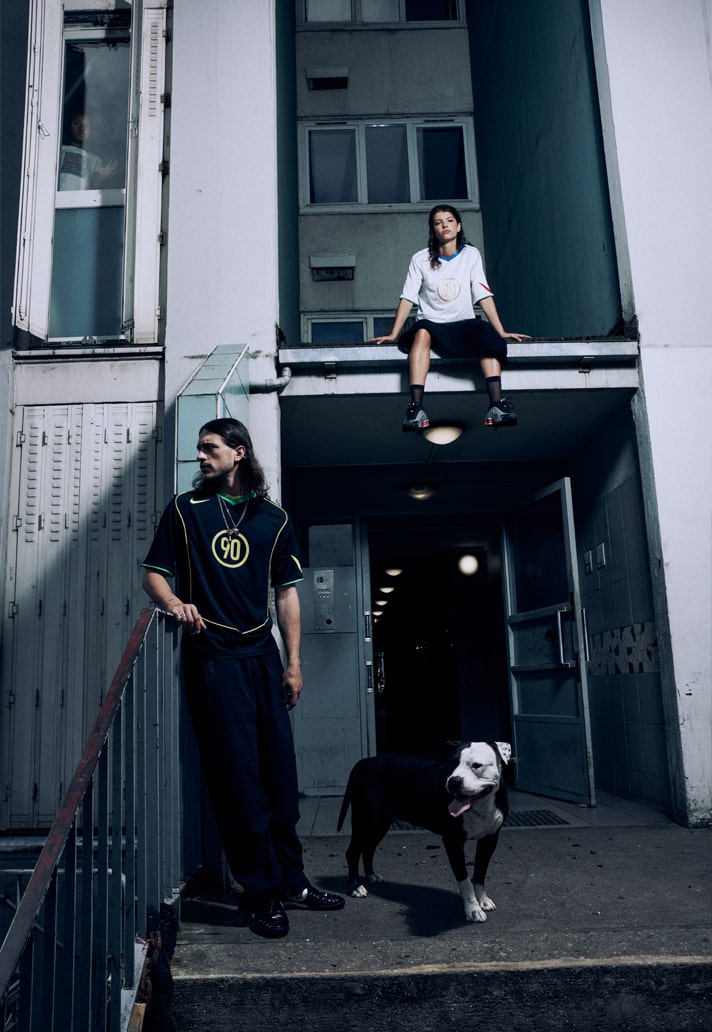
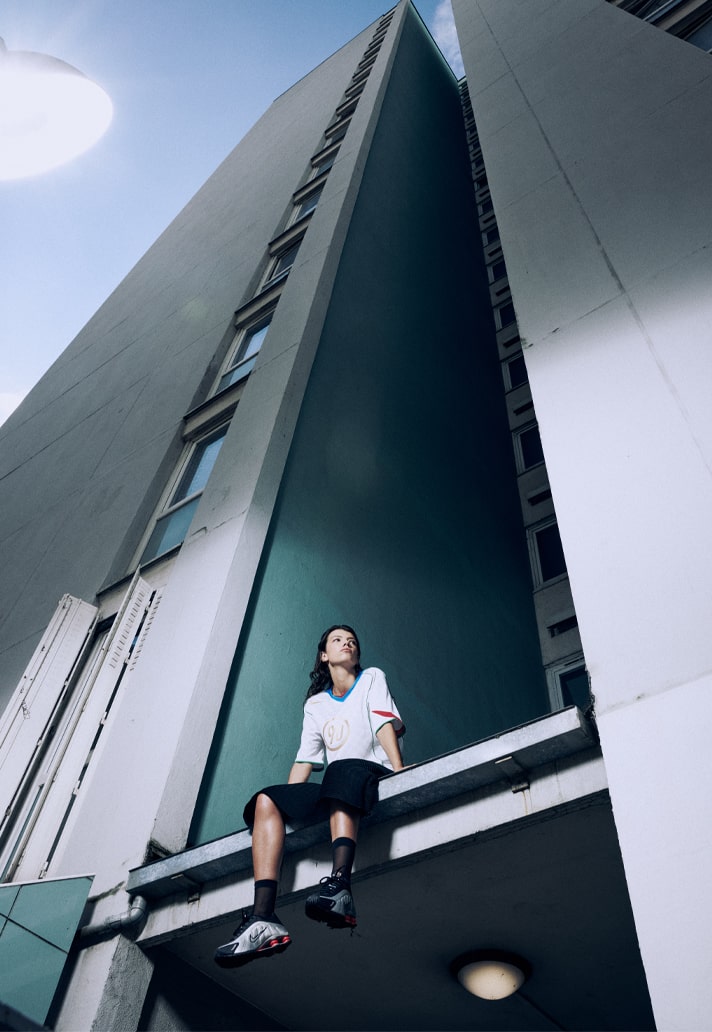
Working with film requires patience and intention—does that give you a different connection to football and fashion culture when you’re shooting it?
Yes. Shooting film forces me to slow down, to choose carefully. Whether I’m photographing my team at training or supporters in the stands, I’m more deliberate. That changes how I see fashion and football through the lens.
How do you balance capturing “the big moments” with the quieter, unseen details of the culture?
I like to move between both. I’ve photographed huge moments — like PSG’s street celebrations — but also the small, intimate rituals of football: a teammate lacing boots, or a quiet training session. Both tell the story.
Is there a specific image or shoot you’ve done in Paris that encapsulates football and fashion colliding?
Shooting supporters at Parc des Princes. The colours, the style, the energy they brought into the stadium — it felt like the perfect intersection of those worlds.
Where do you see the relationship between creativity, football, and fashion going in Paris over the next few years?
It will only grow. Football is anchored in daily life here, and that gives endless opportunities for creative expression.
Do you think younger creatives are blurring these worlds even more? What excites you most about that?
Absolutely. Many of them grew up with football at the core of their culture, so it’s natural for that to come through in their art. It’s exciting because it pushes things forward and shows how influential football is for this generation.
If you could sum up Parisian creativity right now in one frame or one word, what would it be?
Joyful unity. That moment when people come together — for a match, for a celebration, for a project — and the city’s energy flows at full strength.
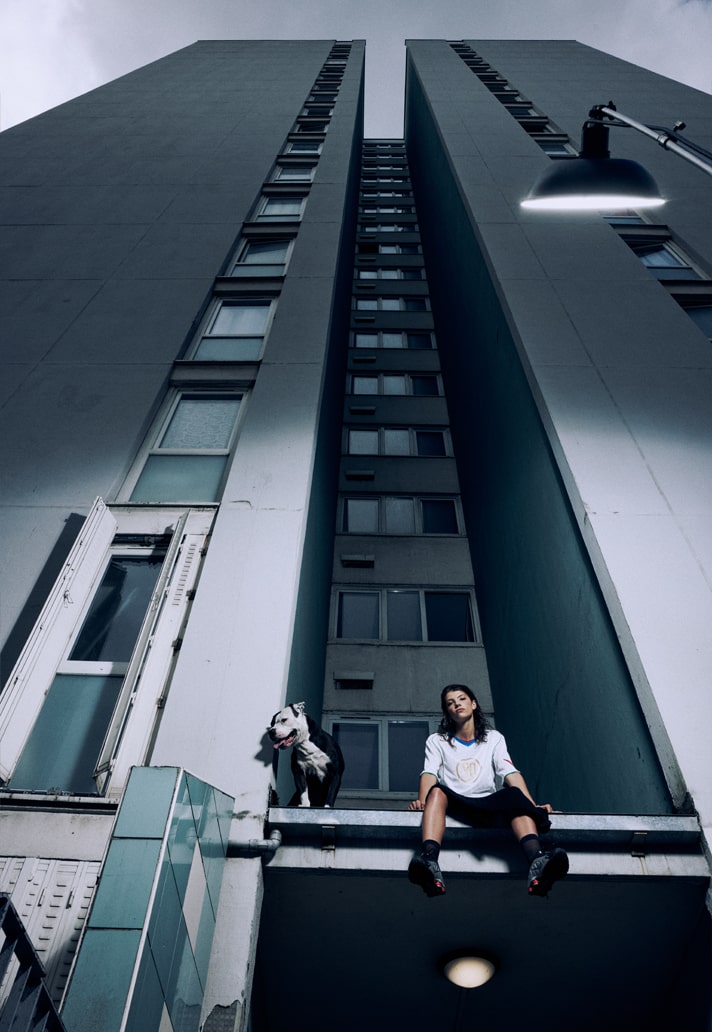
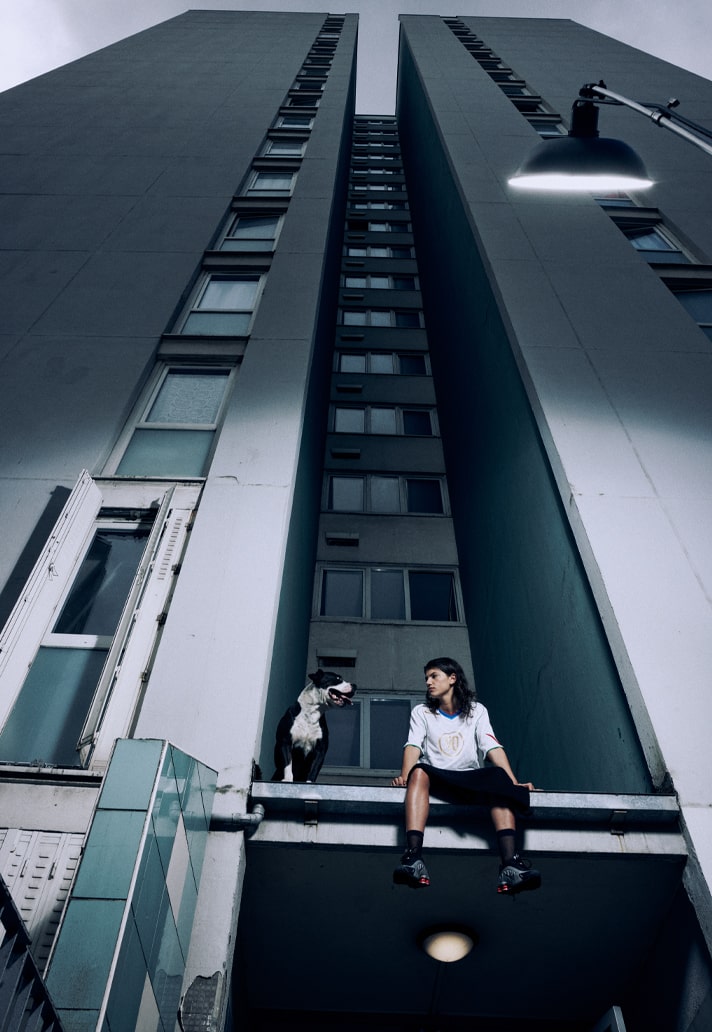
The PSG 2004/05 T90 jersey is available now in limited quantities at official PSG stores and on store.psg.fr