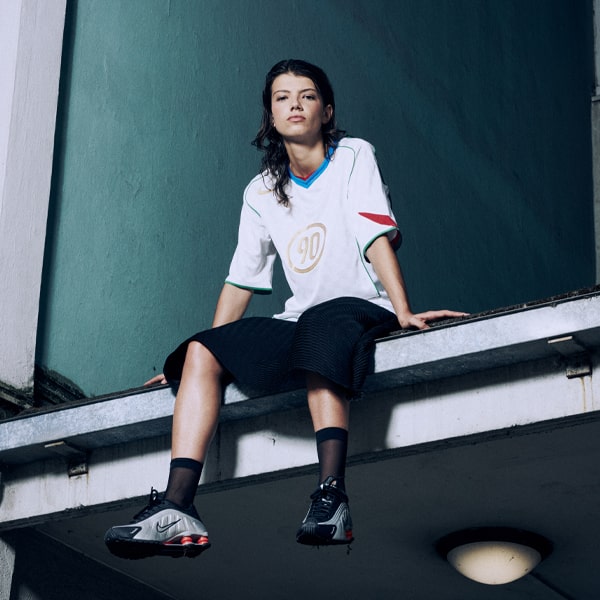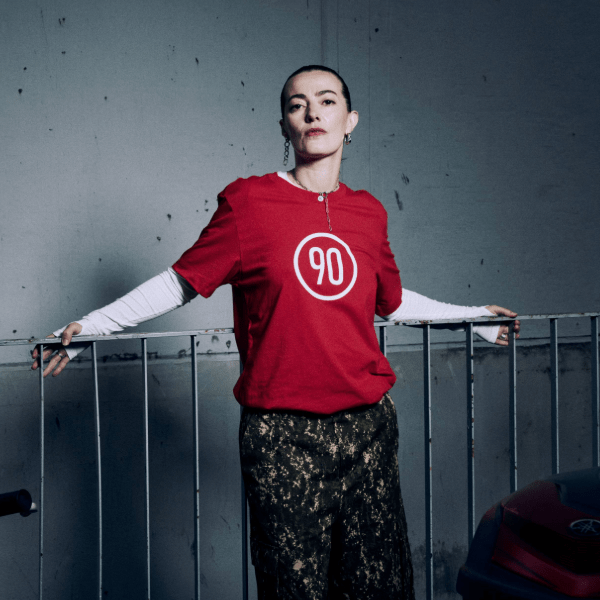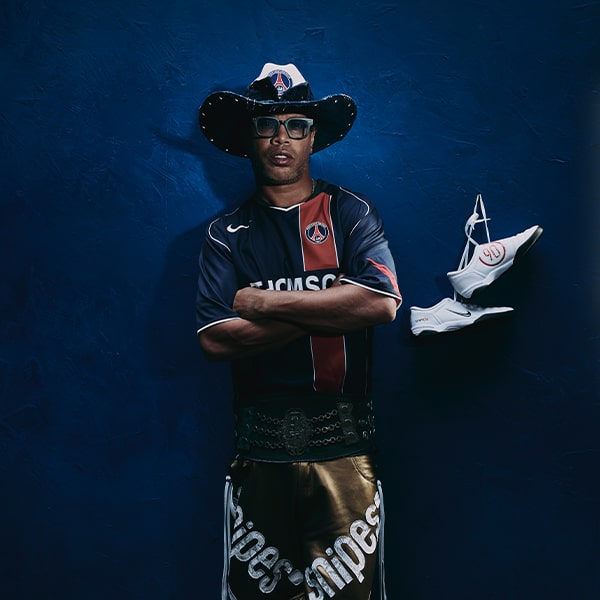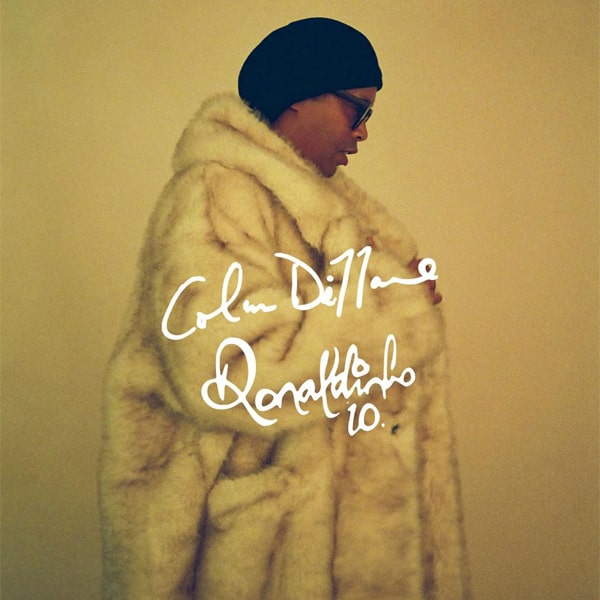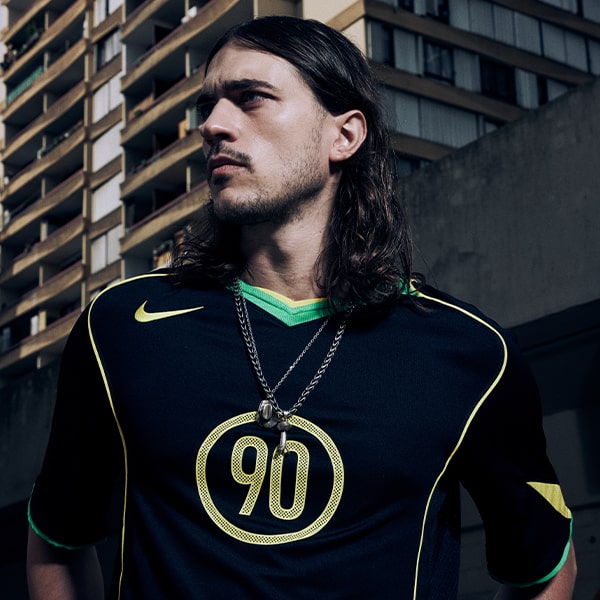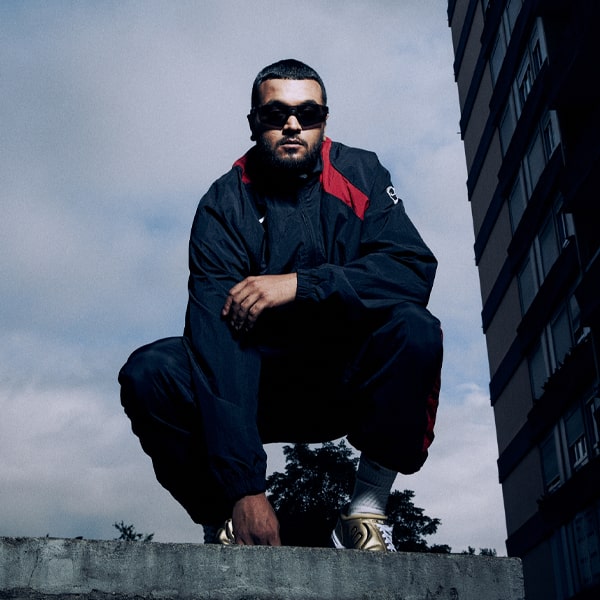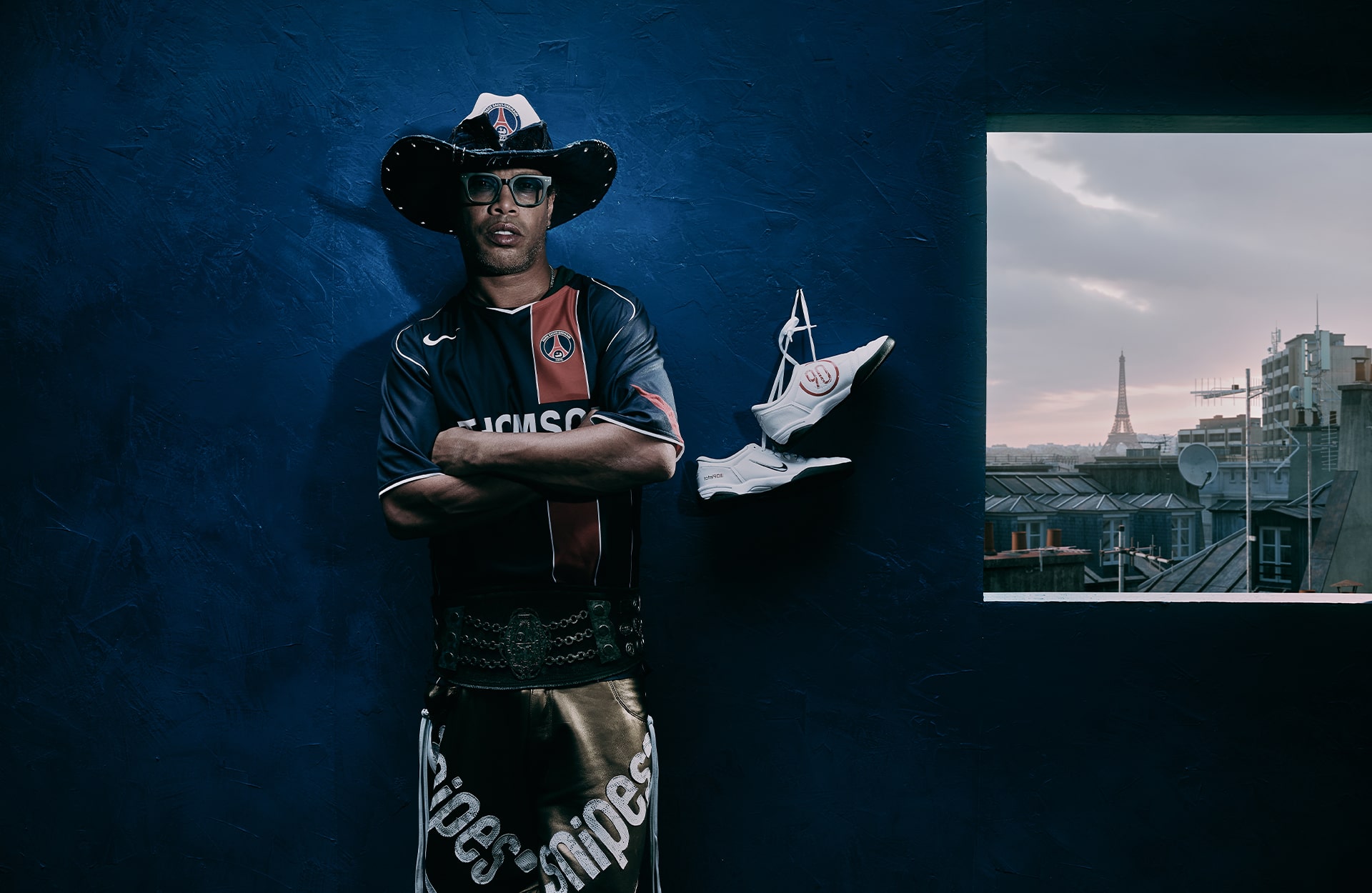
Ronaldinho Gaúcho. His smile, his magic, and his freedom with the ball inspired a generation. In this conversation, he reflects on his roots, his style, Paris, Nike, and the joy that carried him through every moment of his career.
There are few names in world football that still make people smile before they even speak — Ronaldinho is one of them. The Gaúcho from Porto Alegre didn’t just play the game; he bent it into his own language. Every flick, every no-look pass, every grin mid-dribble — it was football as art, freedom as philosophy.
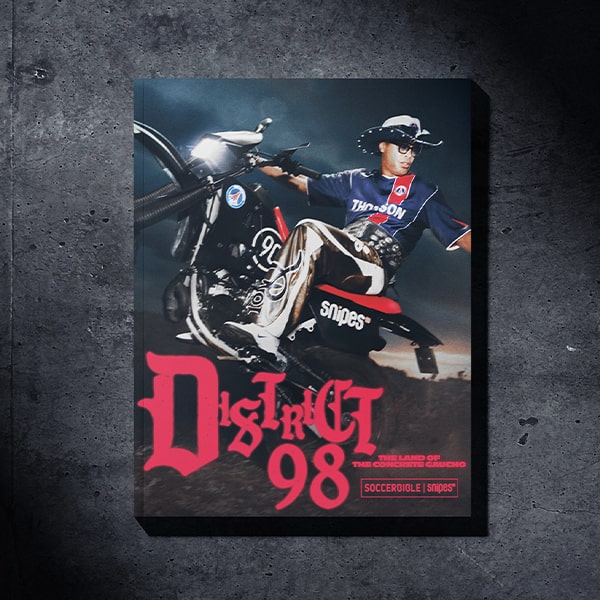
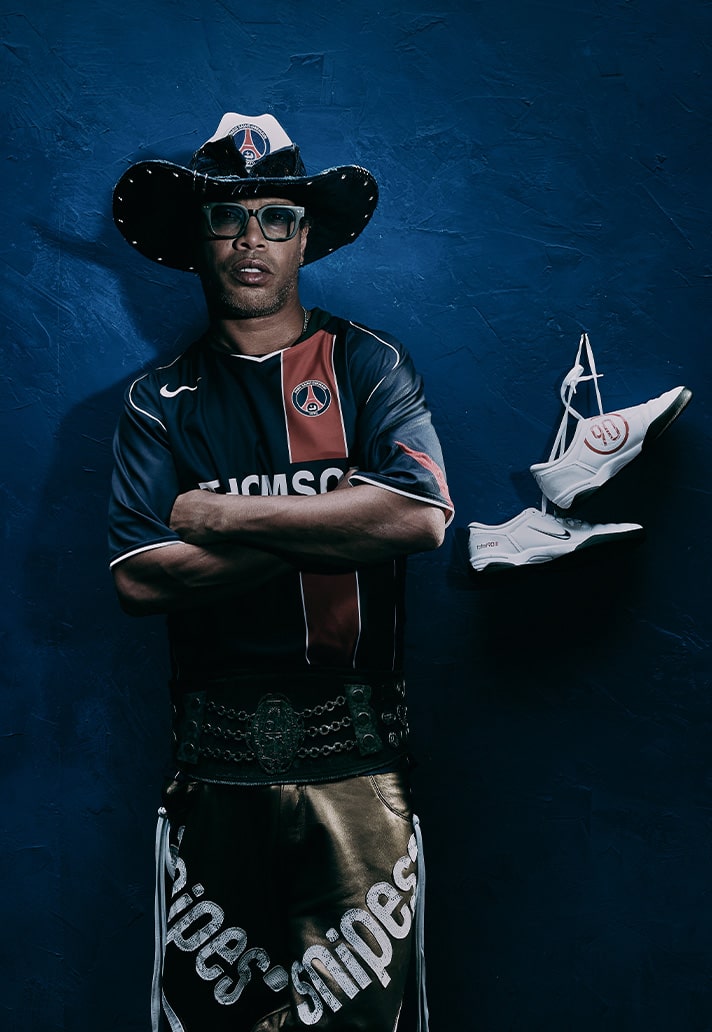
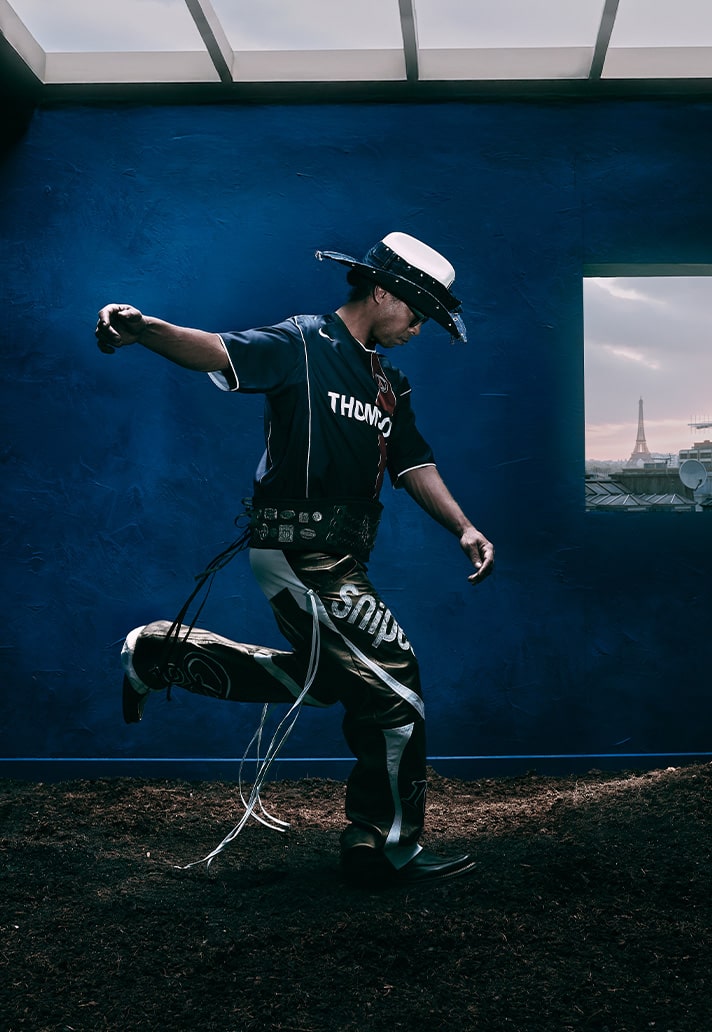
As part of ‘District 98: The Land of the Gaúcho’, we travelled with Ronaldinho back through the streets, memories, and magic that made him who he is. This wasn’t nostalgia; it was a celebration — of rhythm, of culture, of an energy that refuses to fade. From the beaches of Brazil to the lights of Paris, he talks about the roots that shaped his joy, the coaches who let him be himself, and the feeling of carrying the Gaúcho name across the world.
This is Ronaldinho unfiltered — the smile behind the legend, the man behind the magic.
Gaucho
/ˈɡaʊtʃəʊ,ˈɡɔːtʃəʊ/
noun
a cowboy from the South American pampas.
"Brazilian gauchos"
What was the first moment you felt football was your ally?
Since I was a child. I come from a family of footballers — parents, children, everyone. My house always breathed football. From the moment I can remember, the ball was part of my life.
Growing up in Porto Alegre, was there someone or something that shaped your style?
Having players in the family helped a lot. Everyone encouraged each other to play. Of course, each person had their own style, but there was always a lot of motivation to play football.
Did any coach ever try to take away that unique style?
No. From when I was a kid, coaches always encouraged me to continue playing my way, to keep my style alive.
You always seemed to play at your own rhythm. Where did that confidence come from?
From spending so much time with the ball. Every day of my life, I was with a football. Just having the ball at my feet gave me confidence and made me happy.
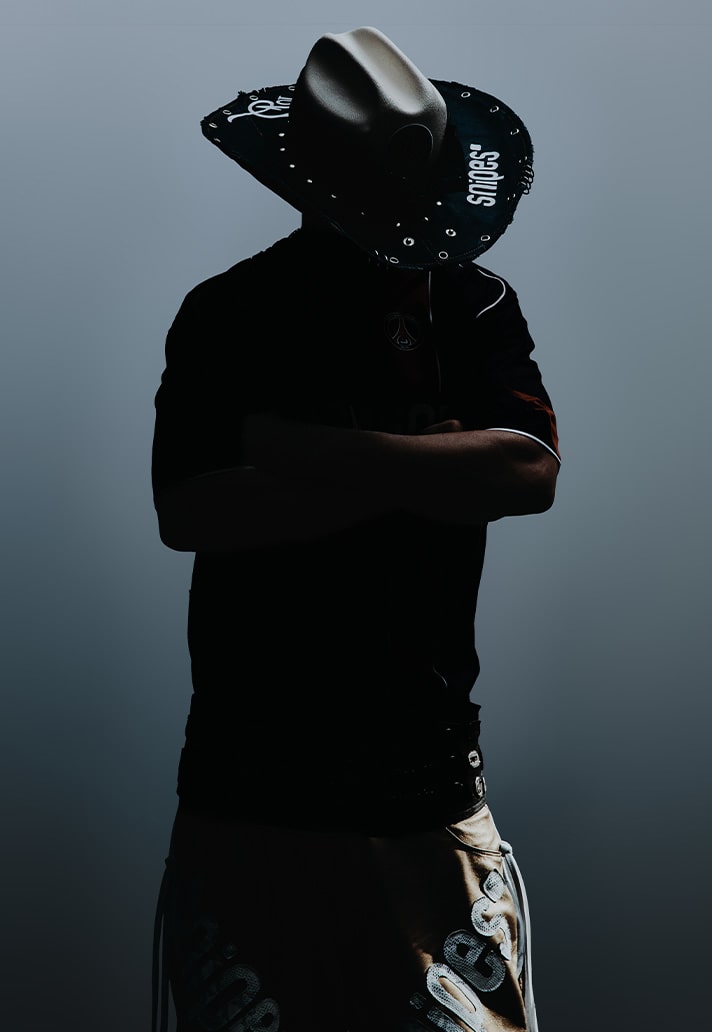
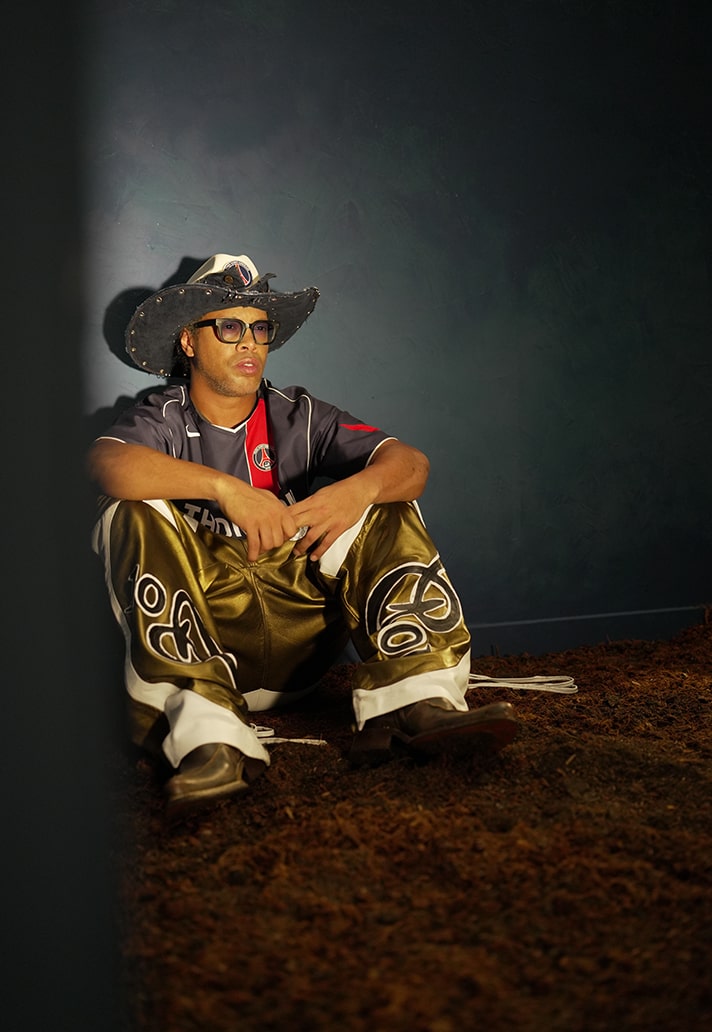
That freedom you played with — was it intentional, a choice to break patterns, or natural?
It was all natural. I don’t even know if I broke patterns. My gift was my style of play, and luckily, people always liked it and encouraged me to continue.
Beyond the goals and trophies, is there something in your career — maybe small to others — that means a lot to you?
The teachings. From beach football, futsal, field football — all the coaches who taught me, encouraged me. People only see the 90 minutes of a match, but behind that there are so many important things the world doesn’t see.
We’re in Paris. How did playing here change you, on and off the pitch?
Paris is very special. My first city in Europe, my first country outside Brazil. I have so much affection for this club, for this city. Paris is magical.
How do you see Paris today, with football culture growing around PSG?
It’s wonderful. PSG has always been a big club with great players, but now with the Champions League, it’s even stronger. The fans have always been passionate, but today they are also proud. That changes a lot.
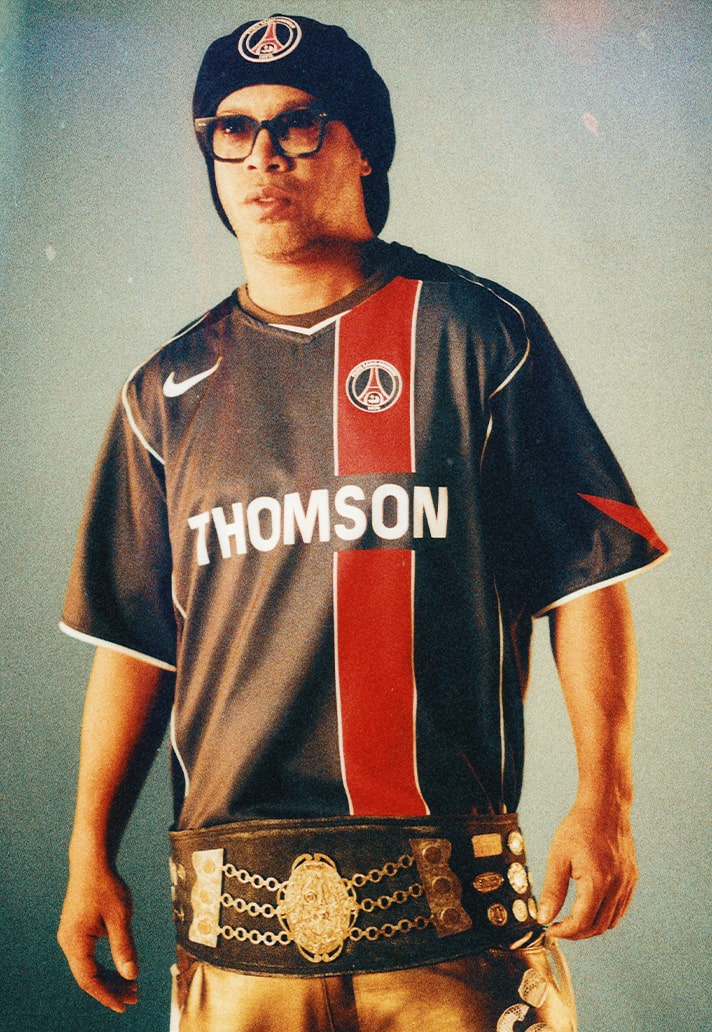
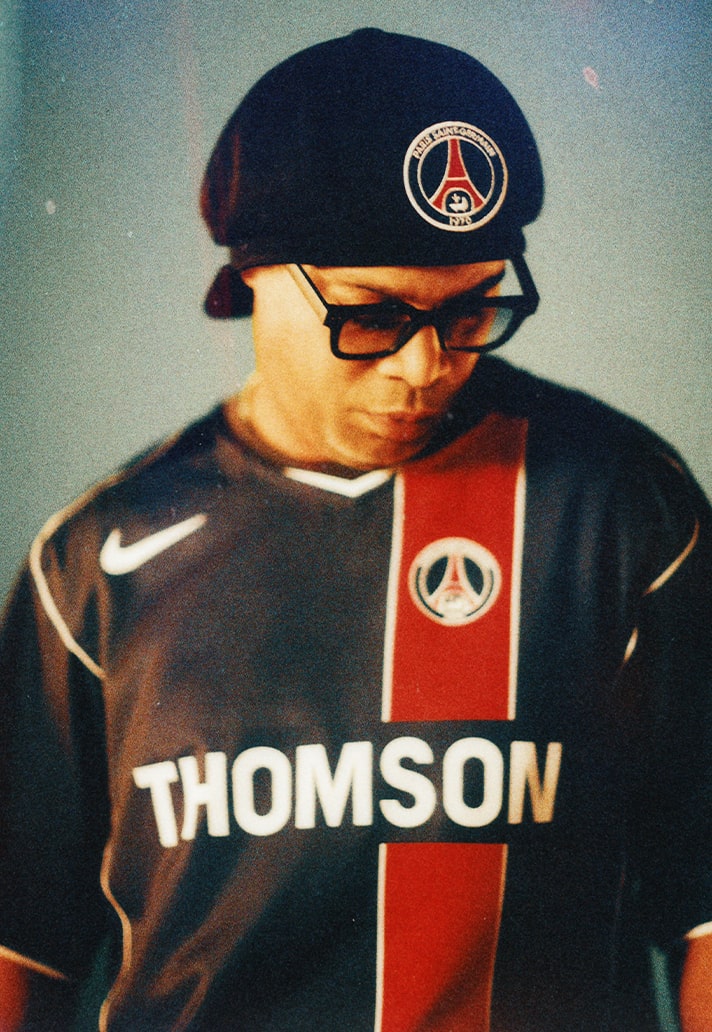
And off the field — living in Paris must have introduced you to new tastes, new styles?
A lot. The culture is different. I learned so much here. I fell in love with the city and the country. The French welcomed me, but also Moroccans, Algerians, Africans from everywhere. I made so many friends and was very happy here.
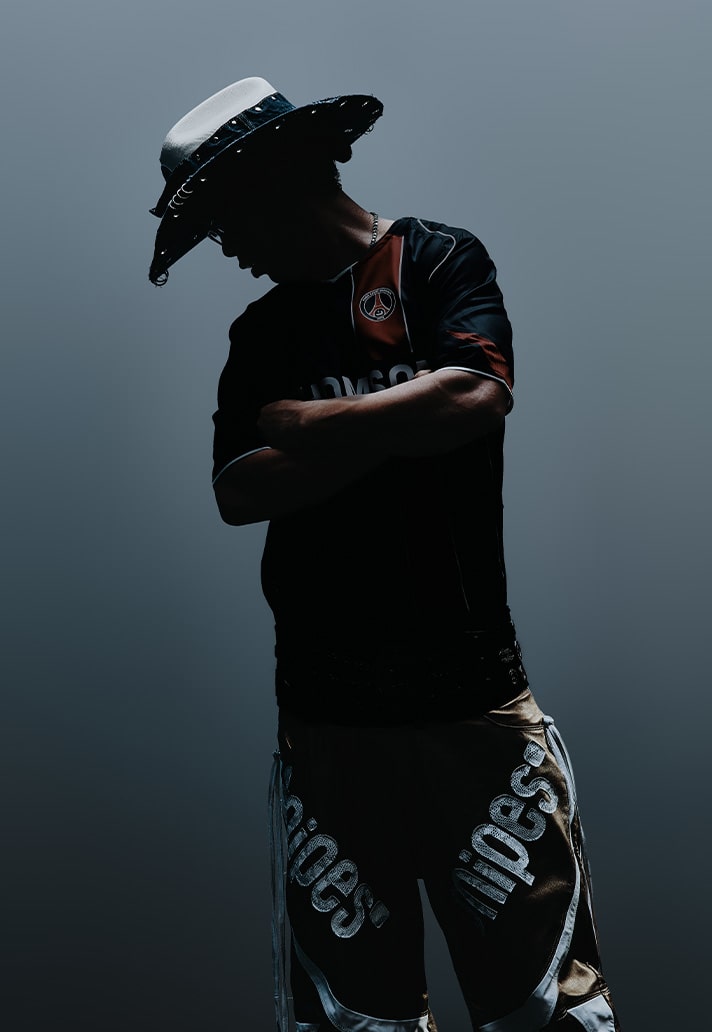
Your style is iconic — the hats, the comfort. Has that always been your way of expressing yourself?
Always. Since I was young, I dressed this way. I never really worried about fashion. But people always see me with a cap, a beret, a hat. They’ll say, “I saw a beret and thought of you.” That makes me smile.
Looking at football today, does it excite you to see it mixing more with fashion?
To tell the truth, I never thought about it that way. I always loved football. I never stopped to compare it with fashion. But it’s beautiful to see how big it’s become.
Do you think football still has space for individuals who play with freedom?
Always. In every country, you see players with bold, irreverent styles. Coaches may shape teams differently — more tactical, defensive, or attacking — but there will always be space for individuality.
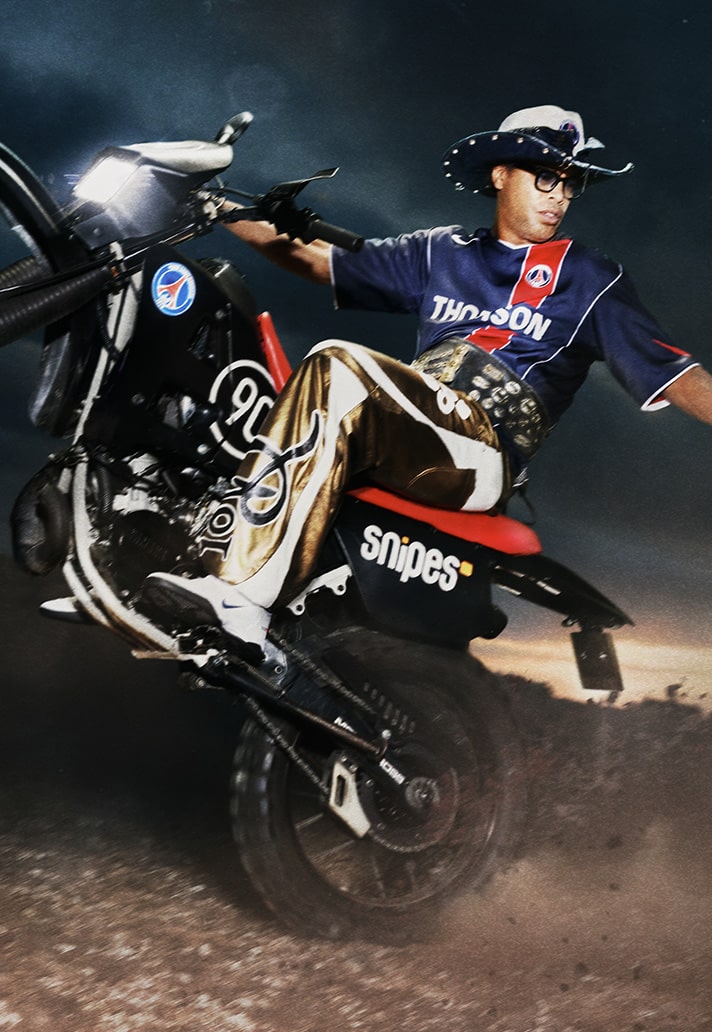
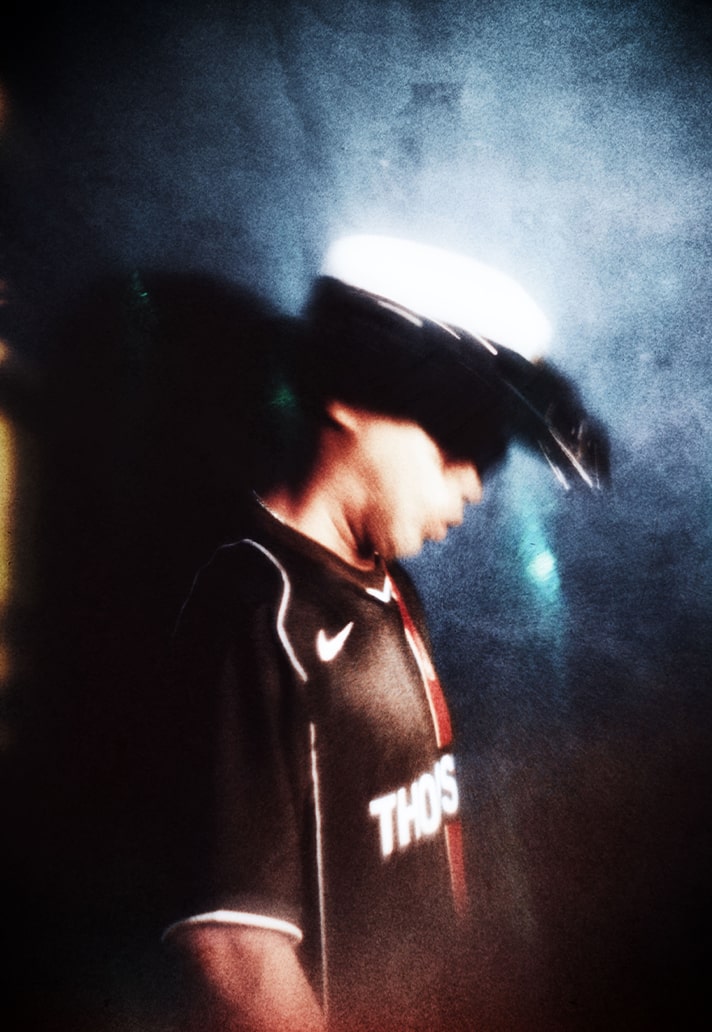
You’ve always been known for your joy. How important was that joy for you as a player?
For me, it was natural. Just having a football was already a reason to be happy. That’s where my joy came from.
You’ve inspired generations. Do you feel the weight of that responsibility?
No, I don’t feel weight. I feel proud. Even children who never saw me play live treat me with such affection. They see videos, or their parents show them. That recognition makes me very grateful.
If you met a child who wanted to play like you, what would you tell them?
To dream, and to dedicate themselves as much as possible. It’s not an easy path, but it’s very rewarding. With hard work and training, it’s worth every moment.
You’ve been part of Nike since you were a teenager. What does that relationship mean to you?
Everything. I’ve been with Nike since I was 15. I’m 45 now. That’s 30 years. I could never imagine myself with anything else. So many boots, campaigns, moments. The T90 era was very special — and seeing it return brings back wonderful memories.
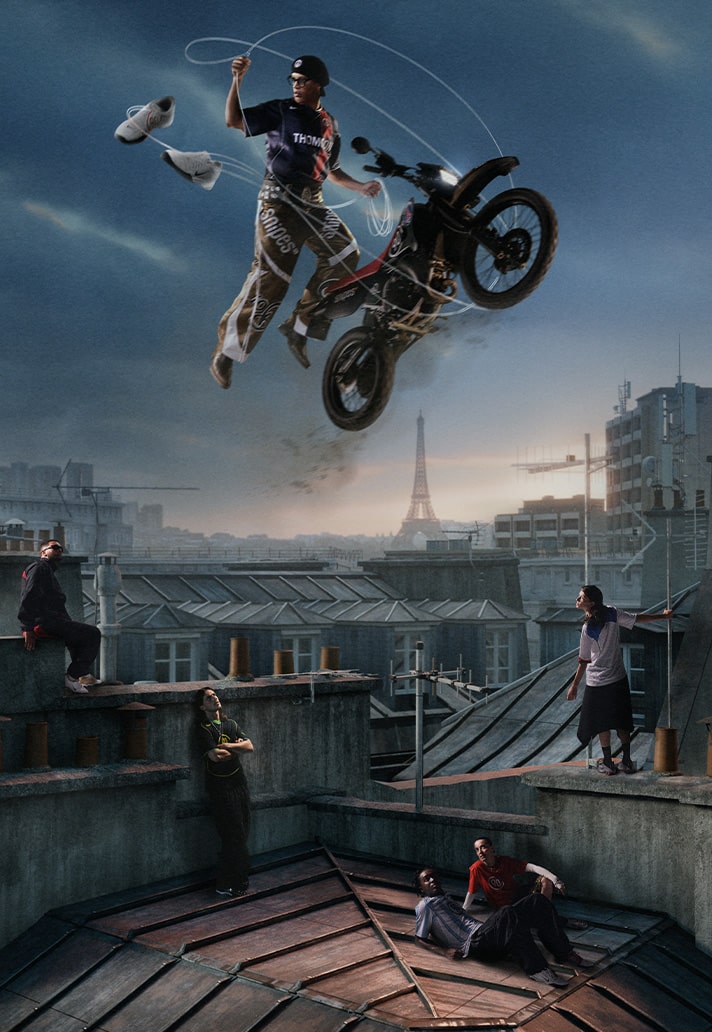
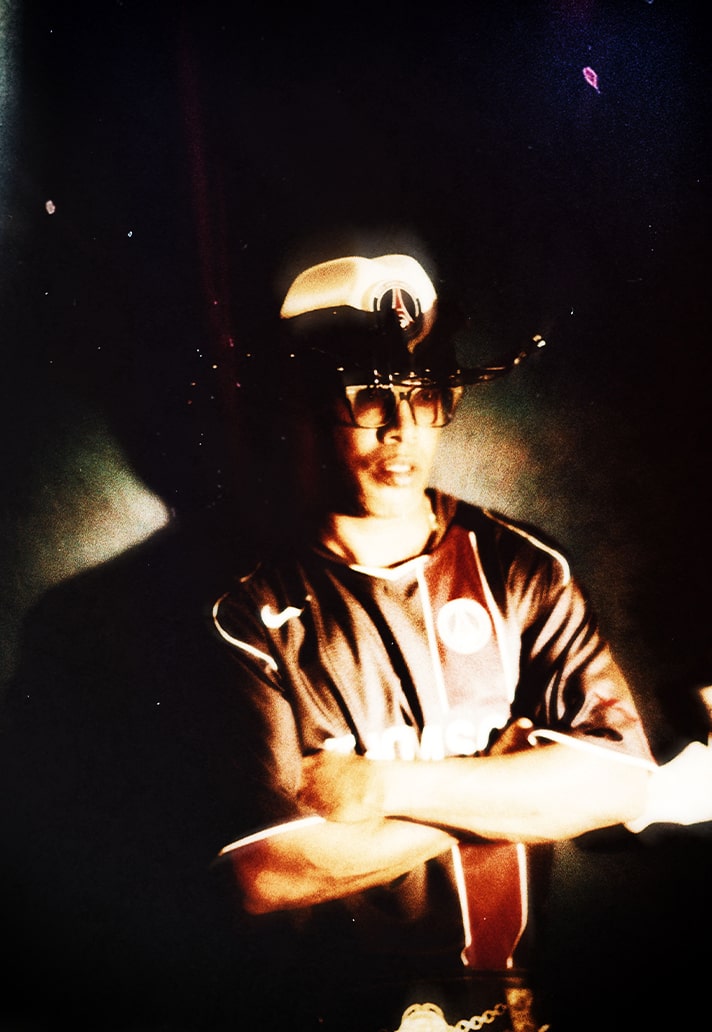
And the famous crossbar video — did you ever imagine it would become such a legend?
Never. At the time, I didn’t think about it. It was the first video ever to reach one million views. I’m proud to say I was the first. Even today, wherever I go, people ask about it.
Your name, Ronaldinho Gaúcho — how did it come about?
It was Galvão Bueno, the commentator. He gave me the name when I scored my first goal for Brazil against Venezuela. From that moment, it stuck, and it’s stayed with me ever since.
And being “Gaúcho” — does that mean something beyond football?
Absolutely. Whoever is born in the south of Brazil is a gaúcho. Carrying that in my name, taking it to the world, representing my roots — it means a lot to me.
Do you remember a game where you felt most yourself on the pitch, where everything flowed?
Many. Thank God, many. Especially in the big derbies — Grêmio vs. Inter, Paris vs. Marseille, Real Madrid vs. Barcelona, Milan vs. Inter. In those games, I always felt completely at ease.
Finally, when you look back, is there a place, a sound, a smell that brings it all back?
Every time I return to the cities where I lived or the stadiums where I played, the memories come back. Watching games, seeing a free kick, or a player moving in the area where I once played — those moments always bring everything back to life.
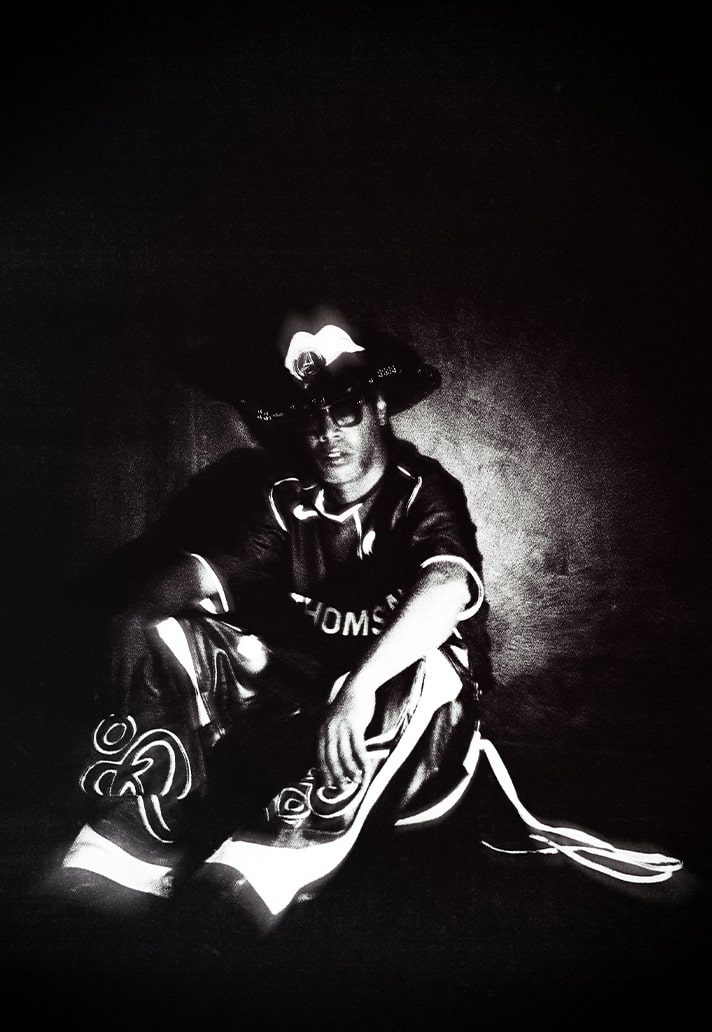
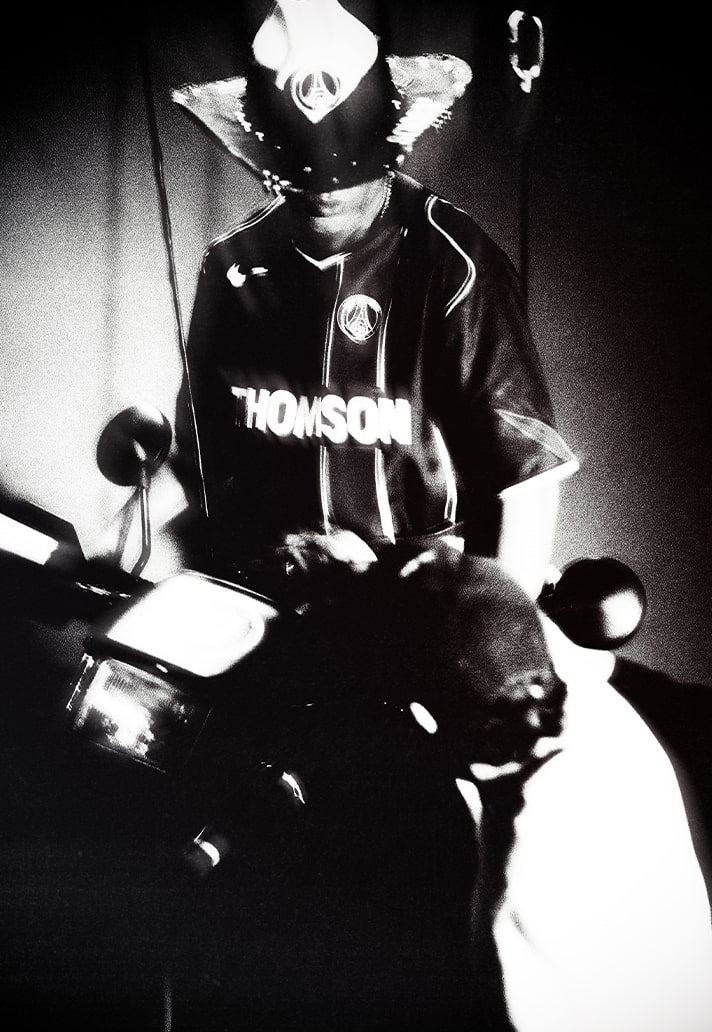
The PSG 2004/05 T90 jersey is available now in limited quantities at official PSG stores and on store.psg.fr