Few figures in football have worn the game quite like David Ginola. Effortless on the ball, unmistakable off it, he made elegance feel competitive.
Whether gliding past full-backs in his pomp or leaning into life after football with the same louche confidence, Ginola has always understood the power of presence. It helps, of course, that he’s impossibly handsome and unmistakably French – but the cool runs deeper than aesthetics and accents.
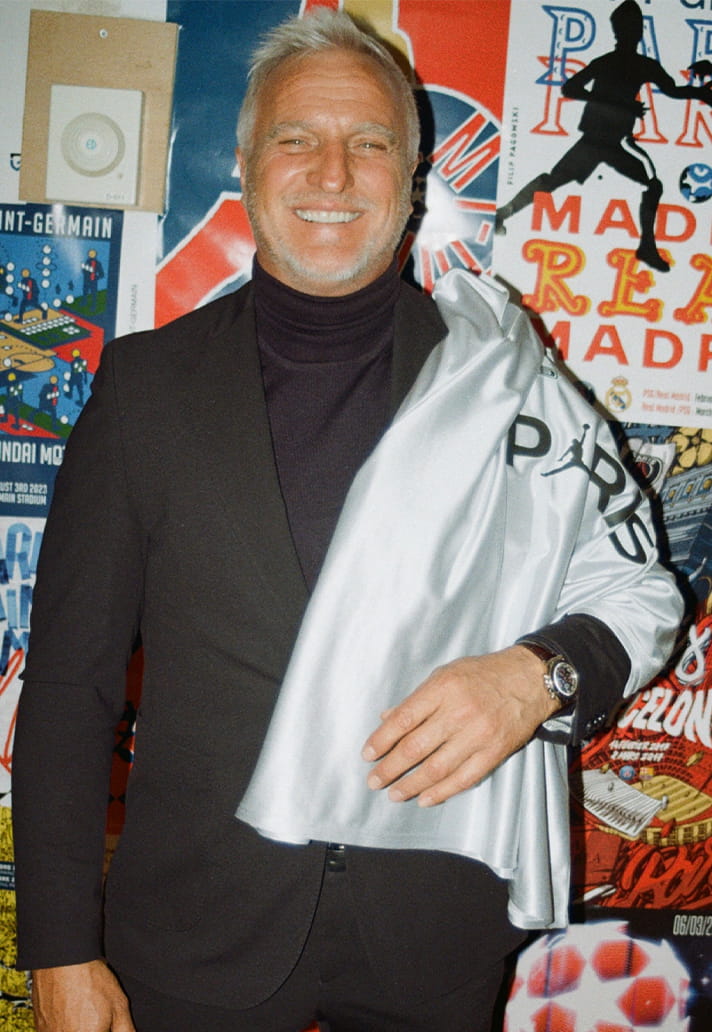
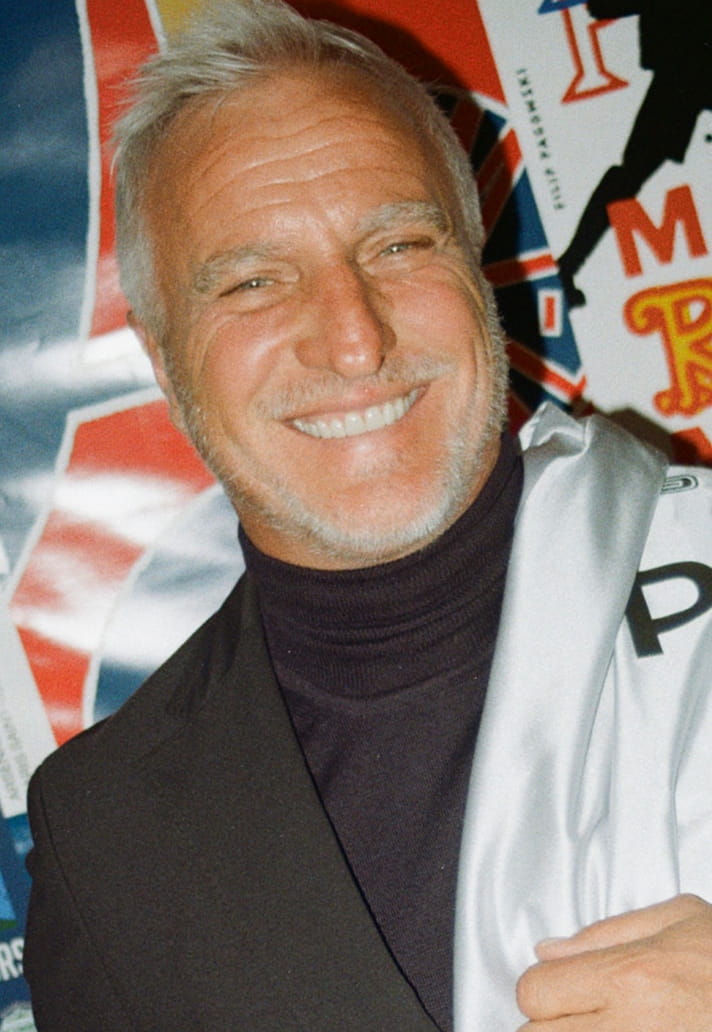
Before he lit up the Premier League with spells at Newcastle United and Tottenham Hotspur (and later Aston Villa and Everton), Ginola was the jewel in Paris Saint-Germain’s crown.
Arriving in the early ’90s, he became a central figure in a PSG side that claimed multiple honours, where he paired technical brilliance with a splash of his own Parisian theatre. Long before PSG became football’s modern culture club, Ginola embodied the crossover appeal the institution now trades on: style and substance, glamour and graft.
We sat down with the 59-year-old at the opening of Ici C’est Paris: La Maison, an experiential pop-up on Cavendish Square, to talk about those formative years in the capital, the evolution of Les Parisiens, and how PSG positioned themselves at the epicentre of modern football culture.
On the importance of last season’s on-pitch success
It all really culminated at the end of the 2025/26 season. Amazing results, six trophies, UEFA Champions League, five nil against, you know, Inter Milan in Munich. 14 years of hard work from QSI [the state-backed investment entity that owns the club] and the missing piece was always this European Cup, until now.
On why PSG finds itself as Europe’s unofficial culture club
"PSG is now among the likes of Manchester United and Liverpool globally. People only used to dream about coming to Paris for romance, fashion or the Eiffel Tower in the past. But now, they dream of nights at the Parc des Princes, too. It’s really amazing to see."
On how he would have fared in the modern game
"It's very difficult to say, because if you look at football in the 90s and football nowadays, it's completely different. I mean, most of all - the approach of the game is different. I guess it’s like comparing my generation to Maradona and Pele.
Although to a large degree, talent is talent. And the gifted players, like I was, always find a way. And then off the pitch, probably easier. Players now are so lucky with the access to nutrition and recovery now, it really makes a massive difference."
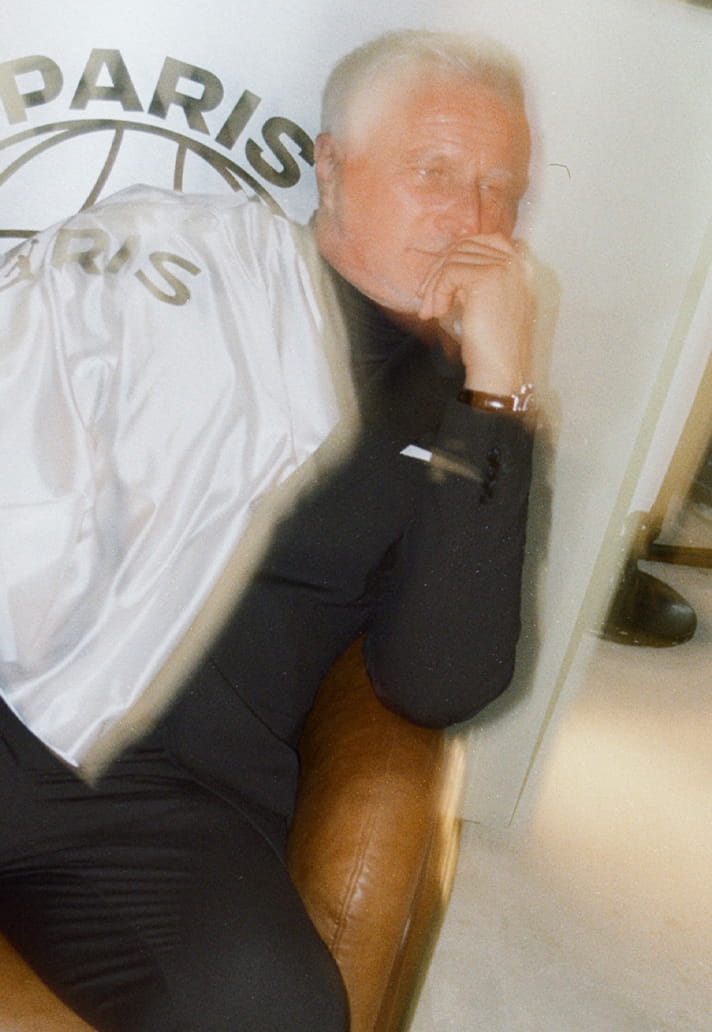
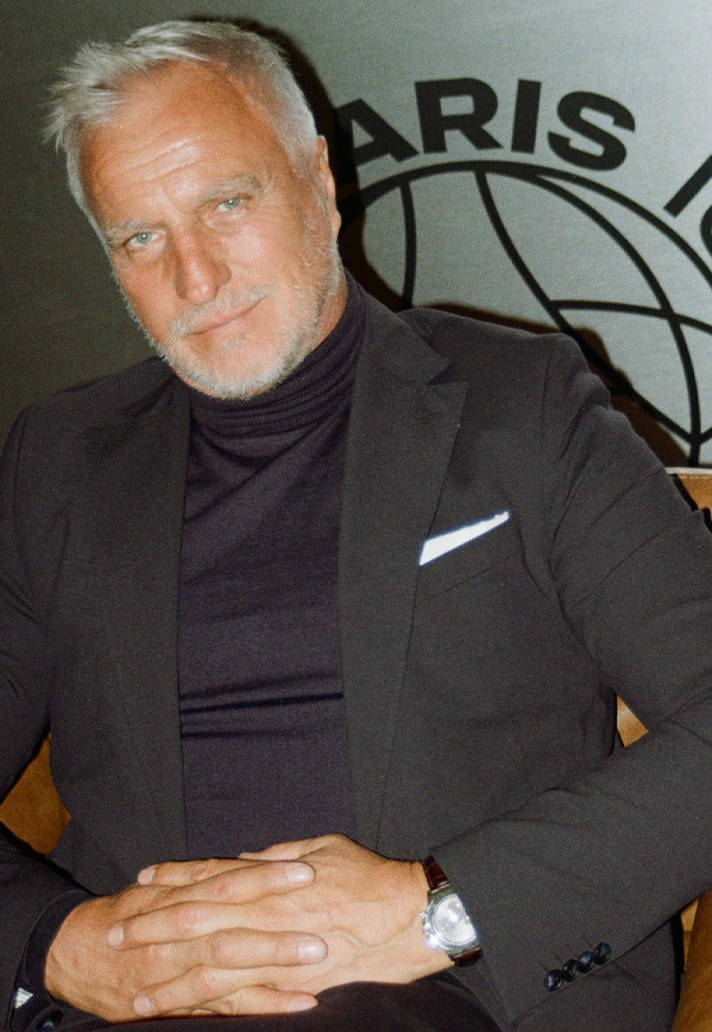
On the cultural similarities and differences between London and Paris
"When it comes to food, there are a lot of differences. Now it's much better now in England, you have good chefs. But in my time playing in London, I struggled with the food at times. Then there’s the football. The Premier League is the epitome of the game. It’s the essence of football. It’s where football was born. I remember my first steps onto a football pitch in the Premier League, and it was like “wow!” I mean, this is it. This is football. It smells like everything. Smells like football. When you arrive at the ground, you see the fans, the stands. I remember the first north London Derby like yesterday. You just realise how lucky you are to have been there."
On why creative hubs like “La Maison” are needed
"I think it's about connection. Connecting people - whether it’s Londoners, Parisians, whoever to bring creative minded people together. We need something for the future generations. Even if these spaces are temporary, they are a great starting point for similar people to find one another."