Camilo Andrade, VP at Nike, gives us an insight into how the brand continues to shape football beyond the pitch and stay between the intersection of performance and culture.
Football culture isn’t built in four weeks every four years. It moves early, years ahead, and rewards the brave. The ones brave enough to shape what the game will be, not just what it is. And with a World Cup year ahead of us, the smartest moves in the game are already happening.
At the centre of all of it sits Nike. Not quietly. Not cautiously. But loud. While the world awaits the tournament, they’re busy designing what football will look like when it arrives.
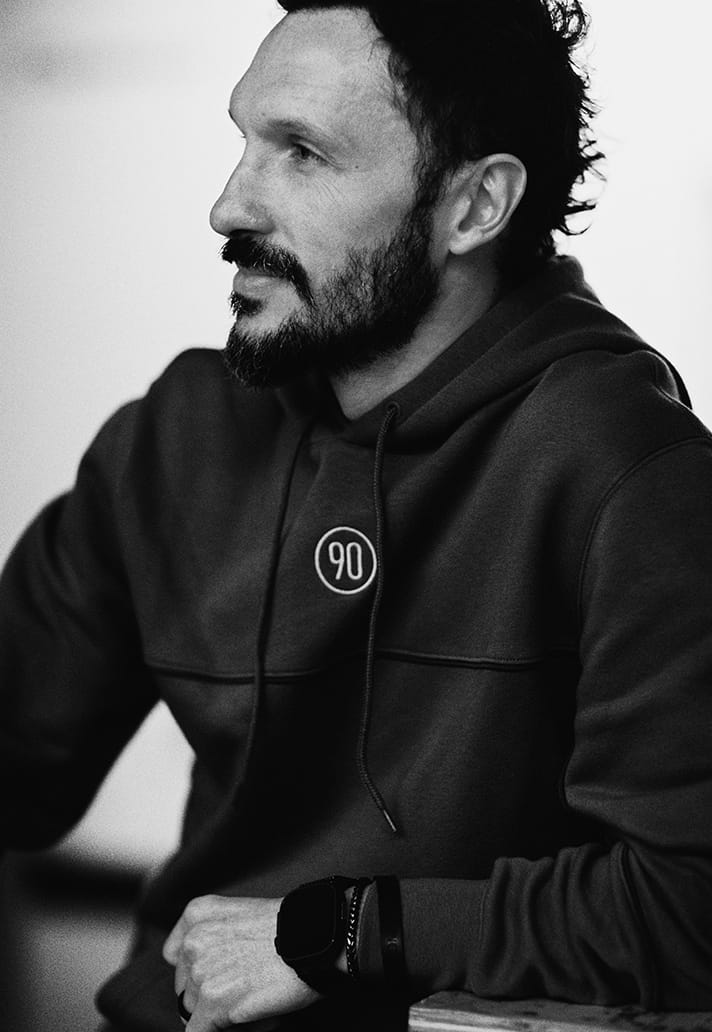
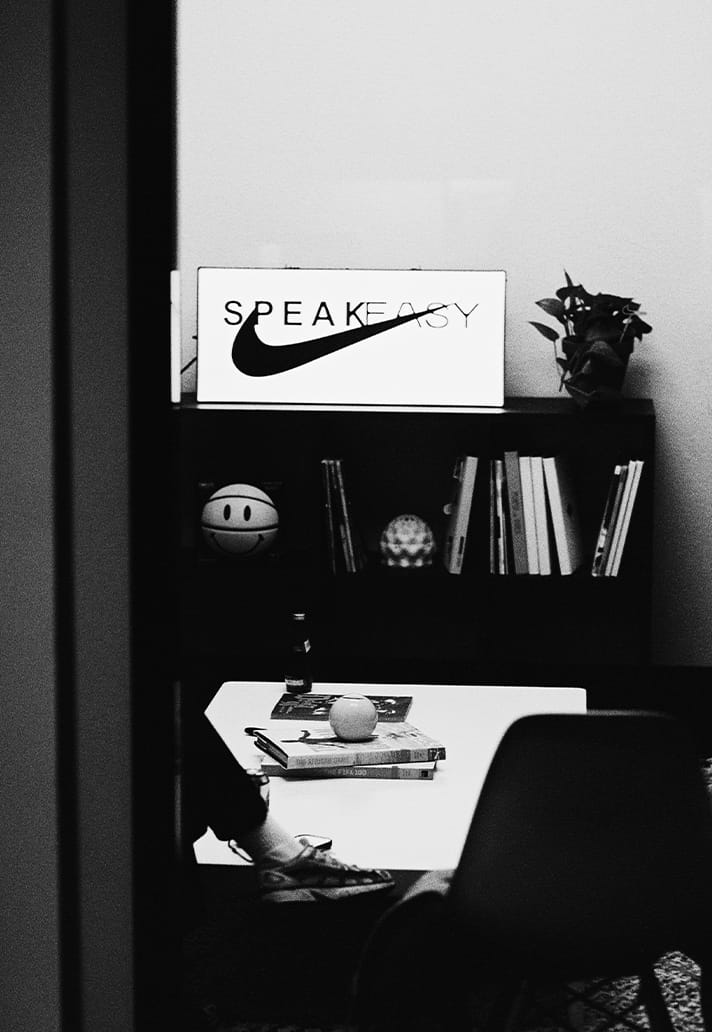
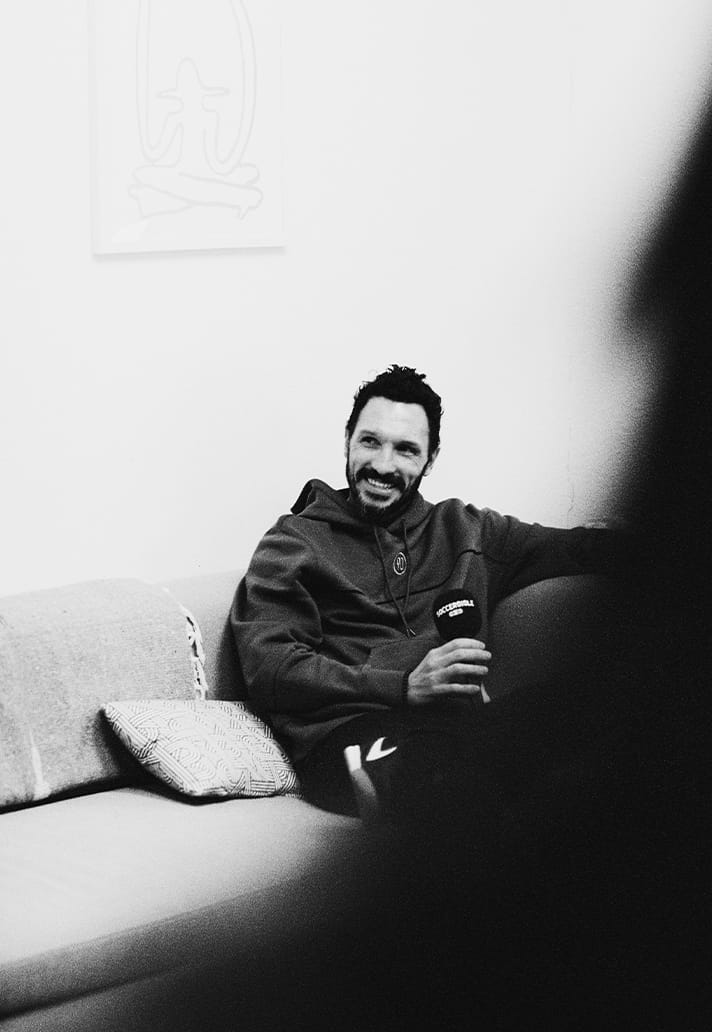
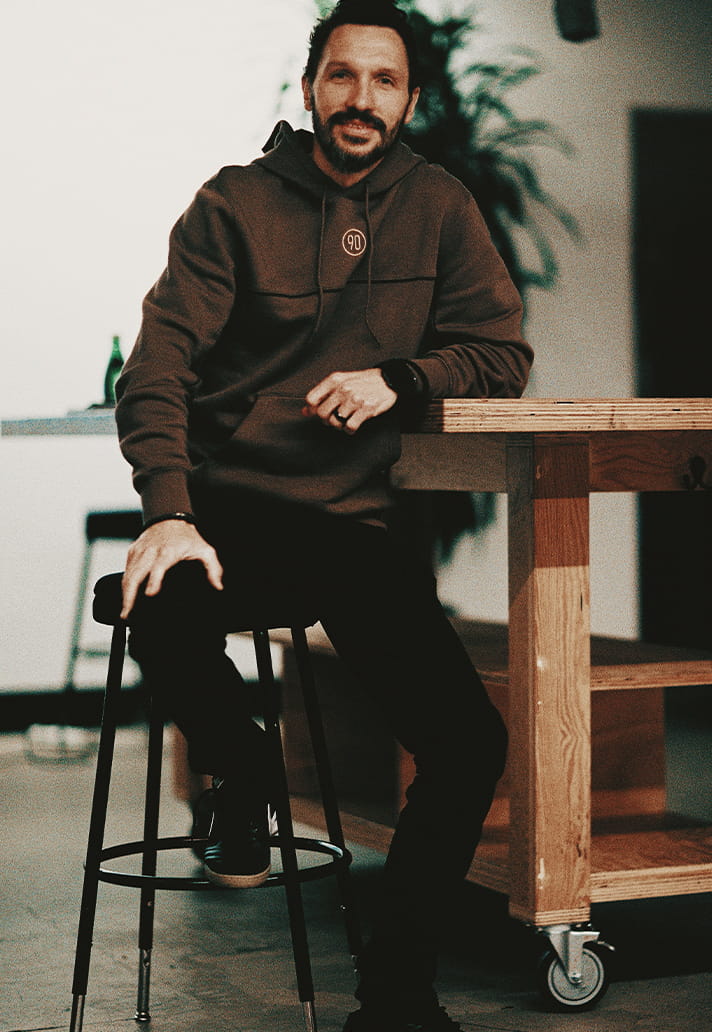
We caught up with GM at Nike Football, Camilo Andrade, to talk ambition, belief, and long-term vision. From the next wave of performance technology to culture-first storytelling, Andrade opens up on how Nike are moving into 2026, a year where they will redefine how football feels, looks, and moves.
This is about innovation that lives in boots, stories that live in the streets, and a brand positioning itself at the heart of the global game before the world even arrives.
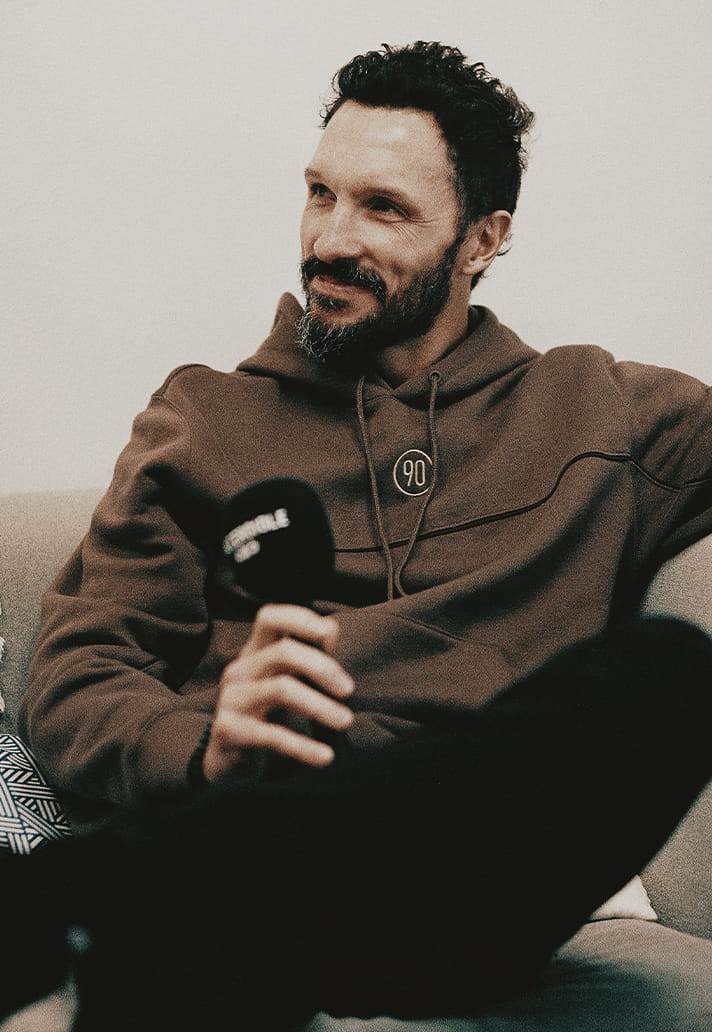
Nike kits have always lived at the intersection of innovation and identity. When you approach a World Cup cycle like the one coming up, what’s the very first question the team asks itself?
The first thing is remembering that we’re an innovation company. One of the things I love most about Nike is that we always go back to our mission: to bring inspiration and innovation to every athlete in the world. Every year—tournament year or not—we start by asking: what are athletes experiencing right now? What problems, challenges, or obstacles can we help them overcome?
We bring athletes directly into that process. We leverage our global network to understand what challenges are coming—whether that’s climate, pitch conditions, or regional differences. We always return to the drawing board with the same goal: how do we make the athlete better, push the edges of what’s possible, and put them in a position to do the impossible while having fun and disrupting along the way.
Football is really the edge of Nike. We push boundaries in colour, shape, and form. That combination of our DNA—being loud, distinct, and disruptive—is how we land in places of innovation.
This cycle in particular feels very forward-facing. What cultural shifts or aesthetic influences shaped your creative direction for the upcoming tournament?
A lot of credit goes to our incredible design teams. They’re always at the forefront of what athletes care about. Football is the most global sport in the world, so we draw inspiration from every corner of the planet.
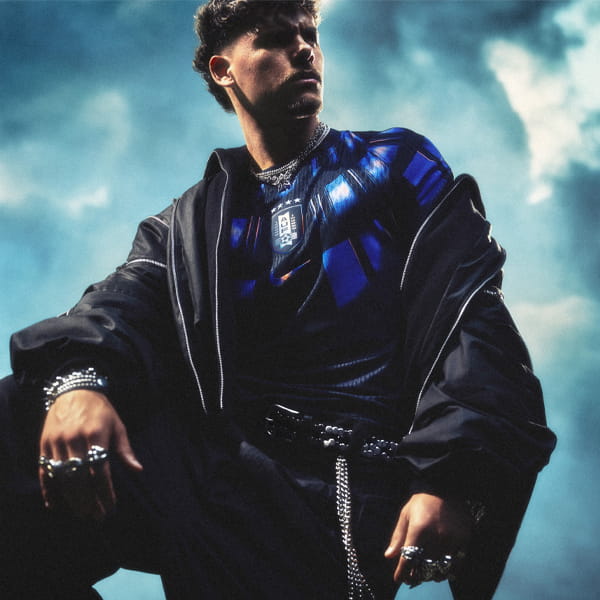
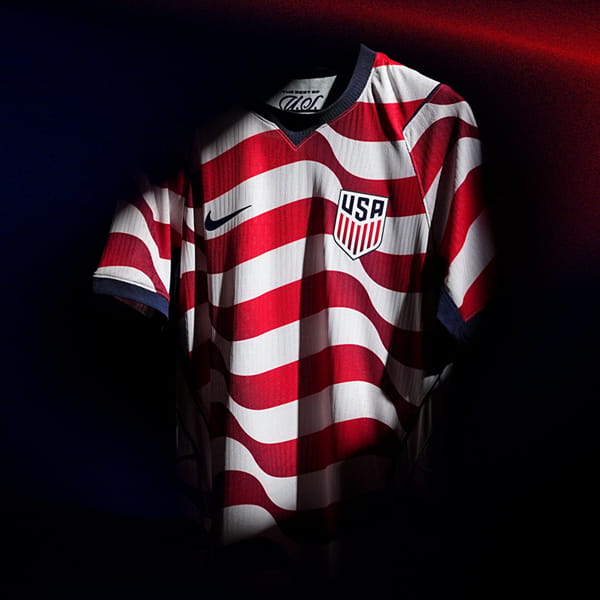
Throughout ideation and design, we bring in insights from athletes, partners, and communities worldwide. What you’re seeing now is a marriage of Nike’s core DNA with a bold expression of the cultural moment we’re in. Colour, pattern, and each partner’s identity all play a huge role.
Listening to the voice of the athlete also means going deep into the identity of every team we work with and building authentically from there.
Nike is known for pushing boundaries. Where do you think you took the boldest leaps this year?
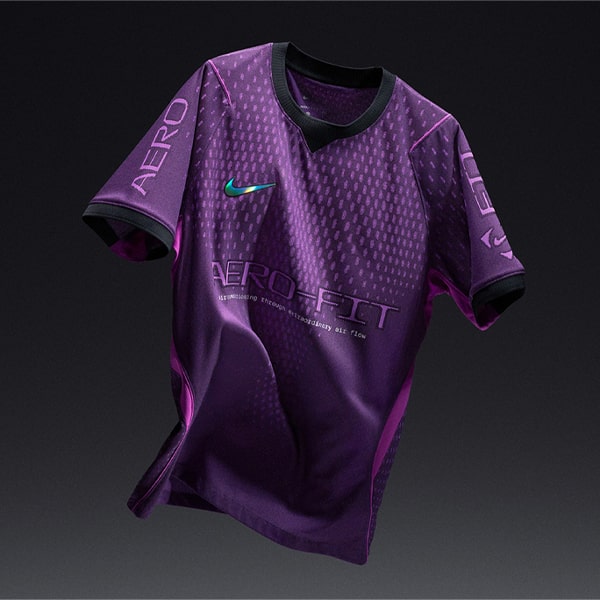
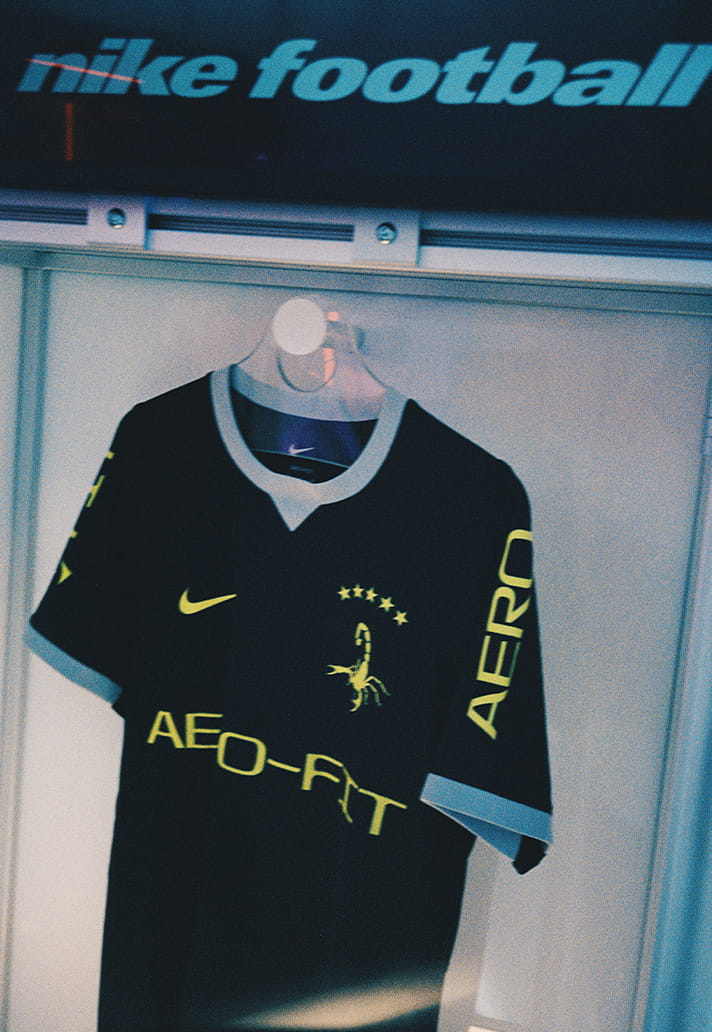
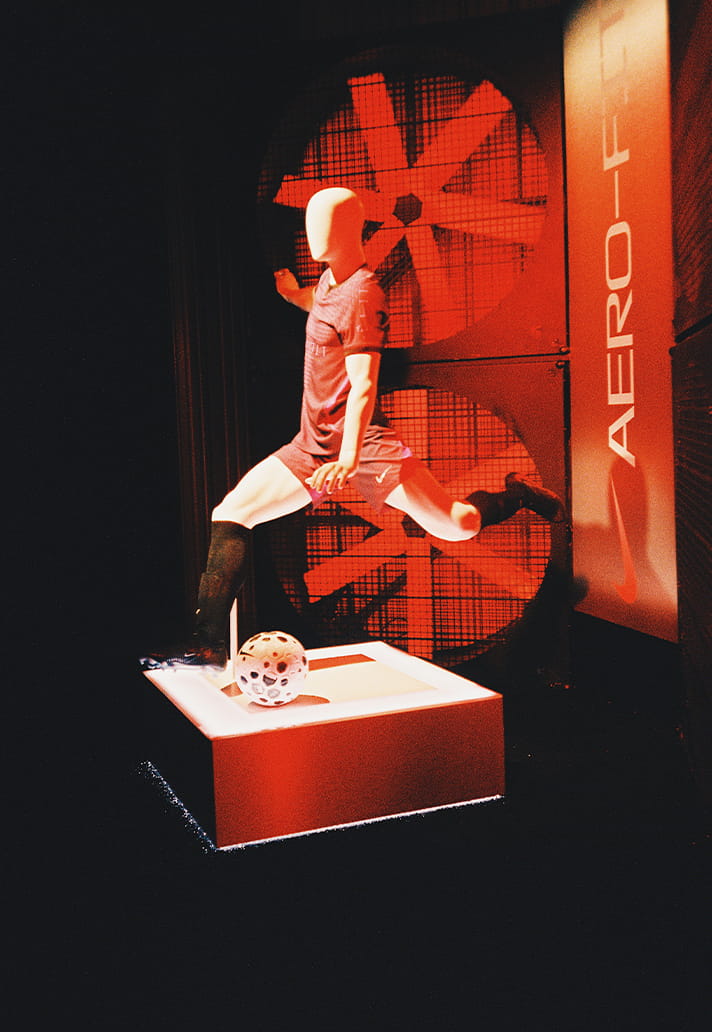
Without question, innovation. What our innovation team achieved with AeroFit is mind-blowing. We took an already industry-leading textile—one that athletes loved—and completely changed the trajectory of performance.
One of the biggest challenges for footballers is managing perspiration. Solving that problem with a 238% improvement over our previous best innovation is a leap into the future. And that leap doesn’t stop with football—it starts to inform everything else at Nike.
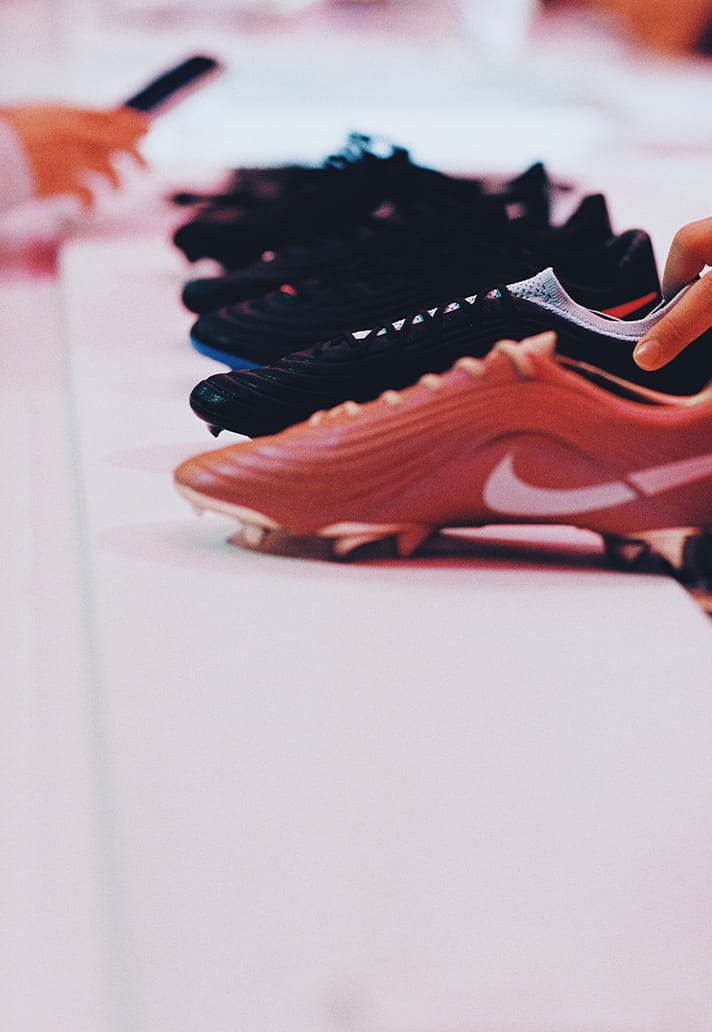
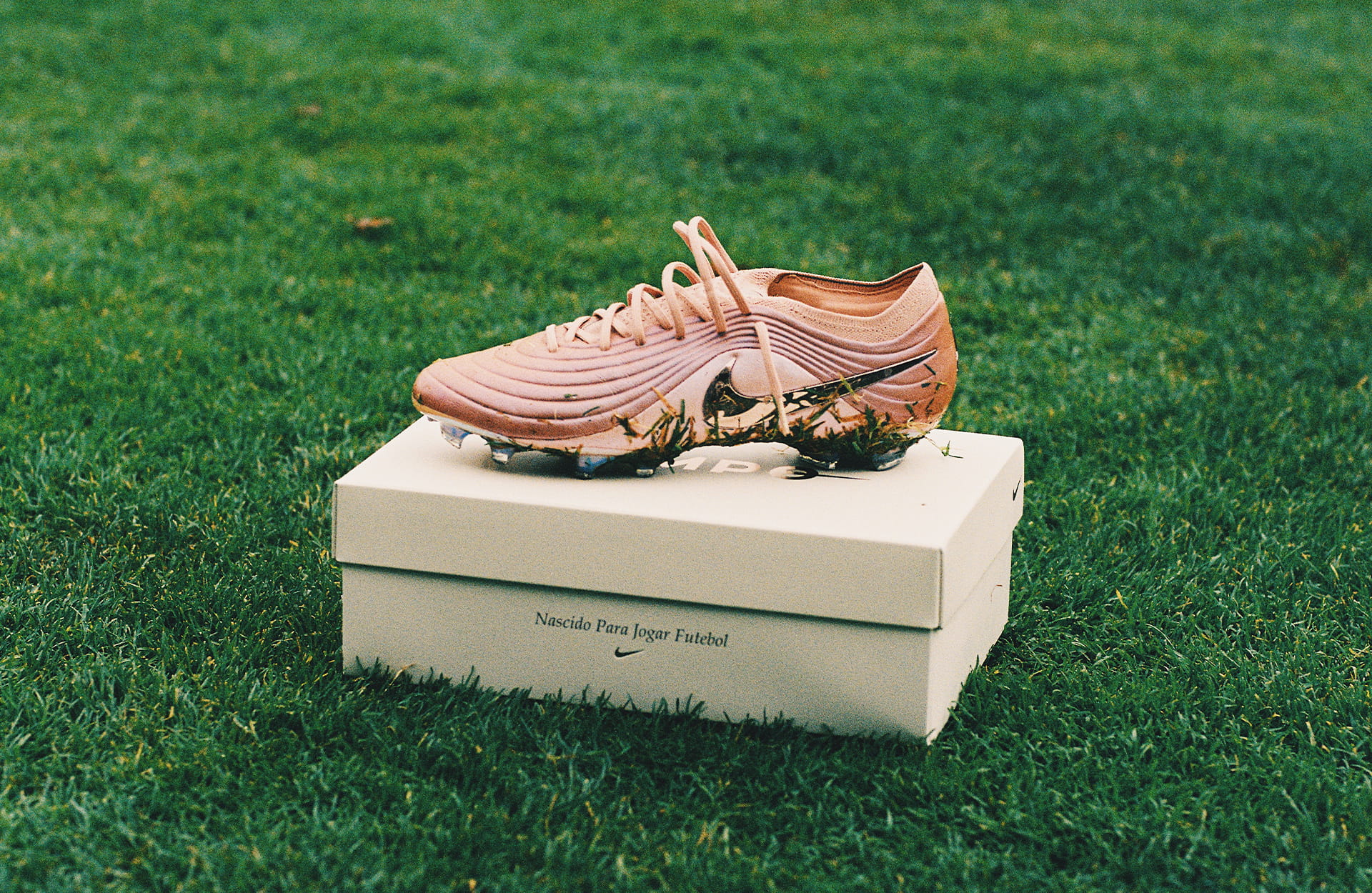
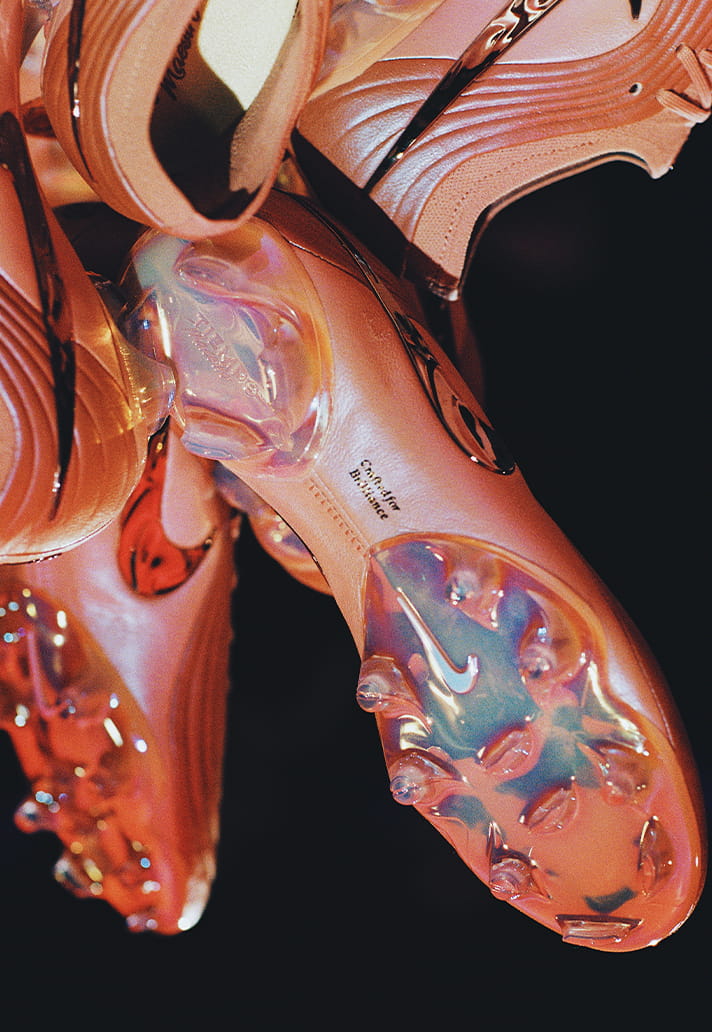
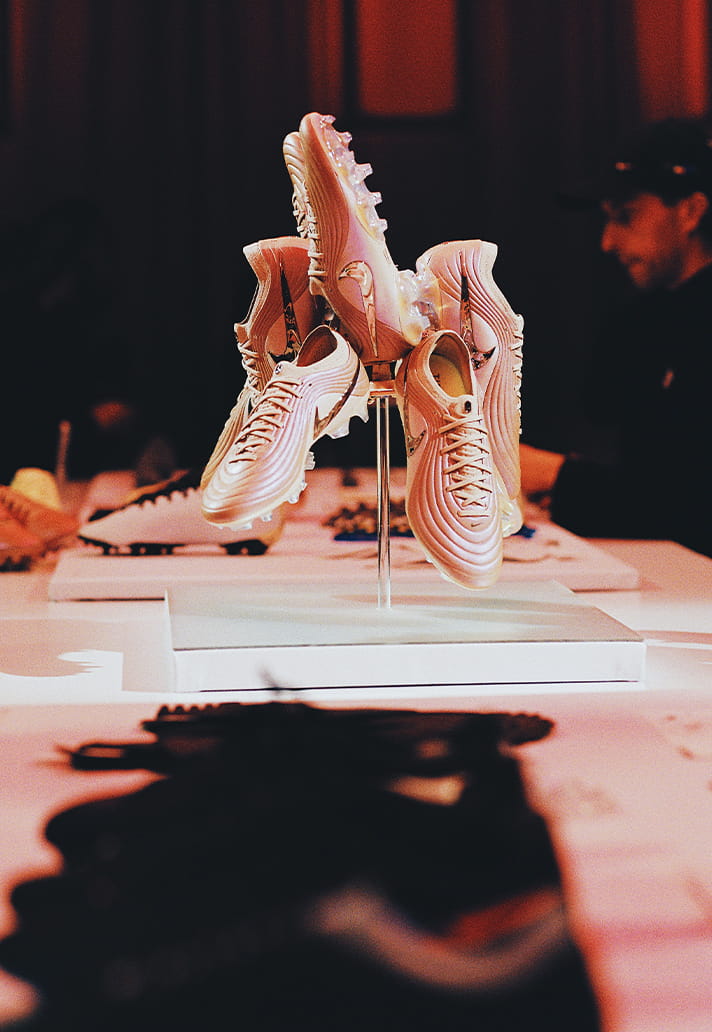
We’ve also pushed innovation in footwear. What you’ll see with Tiempo is a major evolution. We challenged ourselves by honouring legends like Totti and Pirlo while reimagining Tiempo for a younger generation of attacking players. You heard from Jamal Musiala today—that’s just one-third of what’s coming next year.
Football and fashion are closer than ever. How do you make sure kits live off the pitch as much as they do on it?
That’s one of our superpowers. When we design with real intentionality—listening deeply to athletes and partners—and build from what makes them unique, the story becomes authentic. When we tell that story well, it transcends sport and connects with people emotionally.
That emotional connection is what carries into the streets. We’ve seen it across sports: when story and purpose align, culture responds.
We also stay connected to the wider football ecosystem. Projects like Palace and Manor Place are great examples—listening to communities, honouring icons like Wayne Rooney, and finding unexpected intersections, whether that’s skate culture, streetwear, or football heritage.
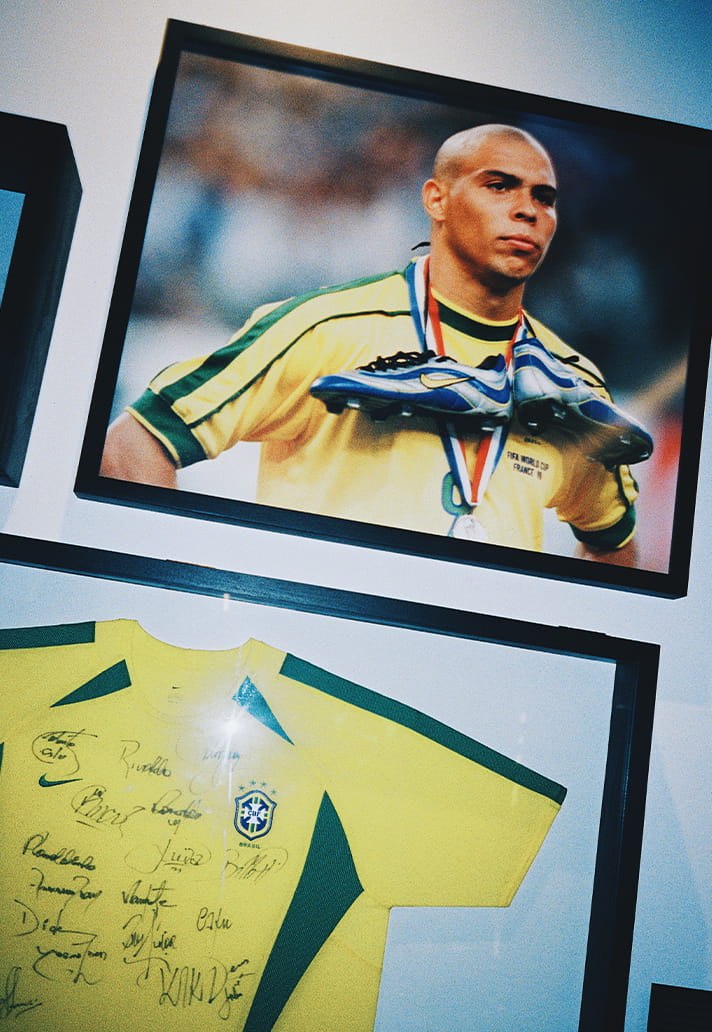
A great example is the Cryo Shot boot. It was rooted in performance, inspired by the 1998 Mercurial colourway, and reimagined with a modern twist. That balance of authenticity and disruption is where the magic happens.
Nike’s legacy is built on iconic cultural moments, especially advertising. What are you looking to create next that can live up to that legacy?
Absolutely—we’re committed to that. It’s part of our mission. Football’s global reach allows it to shape not just Nike Football, but the Nike brand as a whole.
What you’ve seen with Scary Good is a teaser of how we’re setting the tone. We’ll continue pushing storytelling forward through athletes showing up authentically. Some of the most iconic ads happened because athletes simply leaned into who they were—Cantona turning up his collar, Sam Kerr’s backflip, Mbappé’s celebration.
Those authentic moments are our greatest source of inspiration. Our hope is that 10 or 20 years from now, people will look back on what we’re creating now the same way we look back on the great moments of the ’90s and 2000s.
Looking 10 years ahead, what do you hope people say about this cycle—the kits, the new Tiempo, everything?
I was thinking about this earlier today. I saw a partner holding a pair of golden Tiempo boots signed by Totti—boots that have become a holy grail. When we launched them, we knew they were special, but we never imagined the emotional value they’d carry decades later.
My hope is that everything we create, whether it’s a cleat, jersey, story, or experience, is remembered not for what it was, but for how it made people feel. That’s why people remember Nike ads: everyone has a favourite because it resonated with them personally.
If kids can see themselves reflected—girls inspired by Sam Kerr or Megan Rapinoe, boys inspired by players across men’s and women’s leagues—then we’ve done our job.
I’ll end with this: during the lead-up to the 2023 World Cup, some boys in Australia asked if there was a men’s version of the Matildas. That’s how powerful the Matildas’ cultural impact has been. My greatest hope is that future generations—regardless of gender—are inspired by the best footballers in the world, and that Nike plays a role in making that possible.
Watch this space for more from Nike HQ...