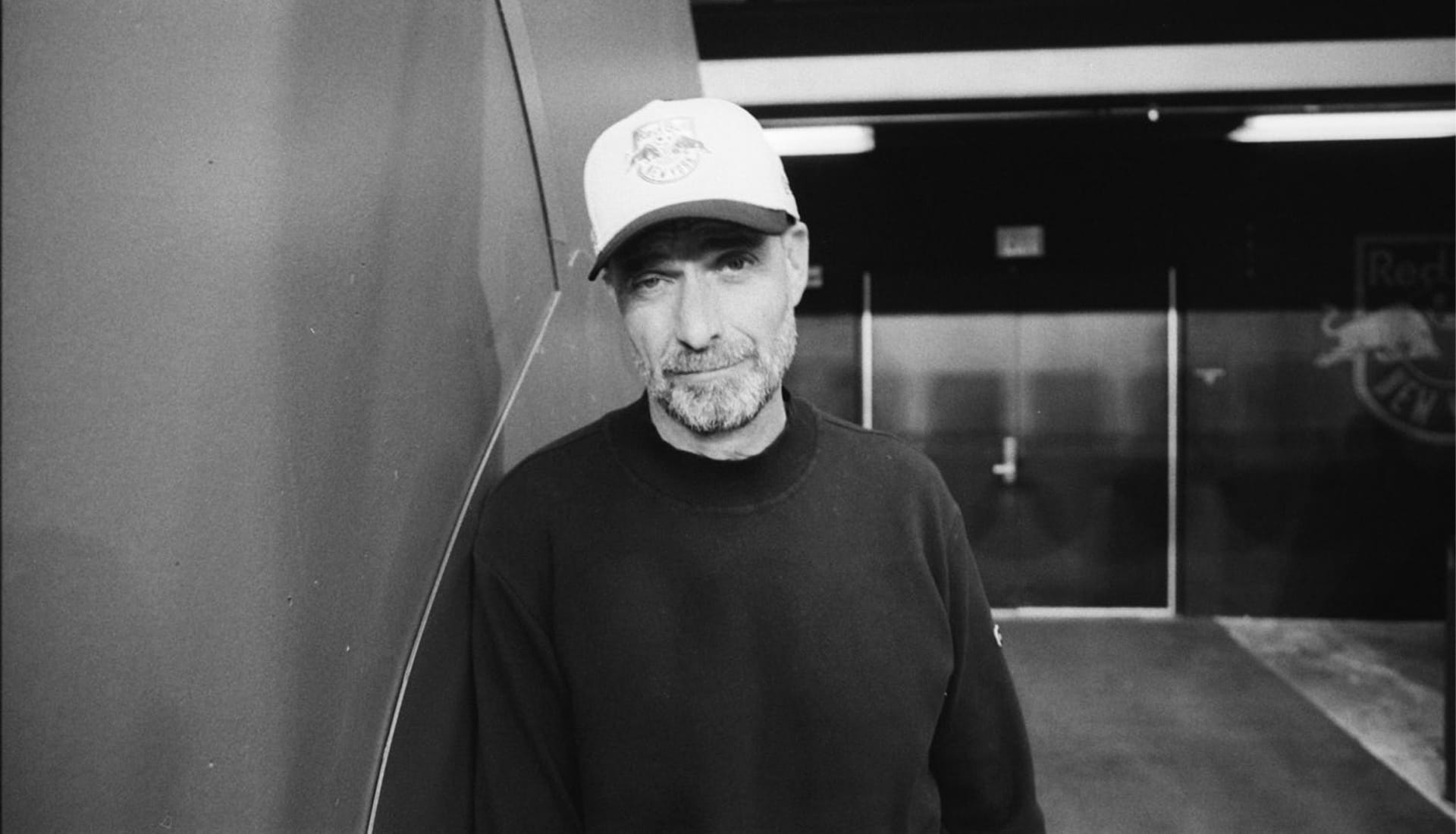
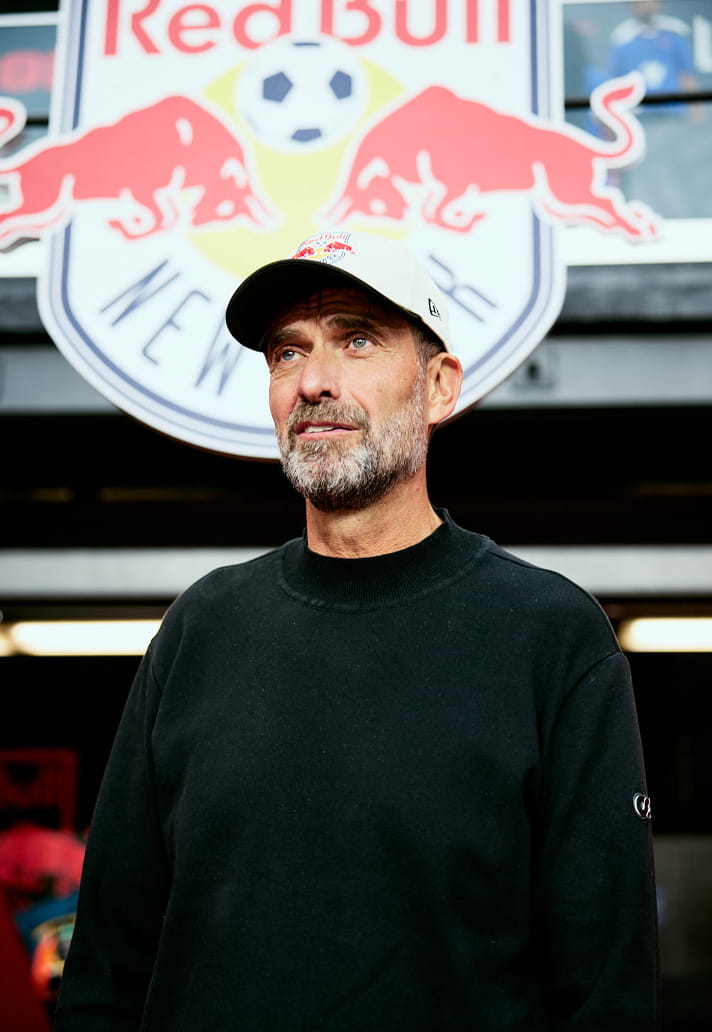
Jürgen Klopp is one of the most recognisable characters in world football. His passion and enthusiasm for the game is almost infectious, and here we speak with him in depth about life after Liverpool and how his passion for football still burns bright.
There are figures in football whose presence feels stitched into the fabric of the game itself; personalities who don’t just take part, but shift the whole rhythm around them. Jürgen Klopp is one of those rare gravitational forces. After rewriting the emotional architecture of Liverpool and redefining what a modern manager can be, he stepped away from the touchline and into a silence few in his position ever truly get. What followed was space: to breathe, to travel, to recalibrate. And in that stillness, Klopp didn’t reinvent himself. No, he rediscovered the edges of who he’d become.
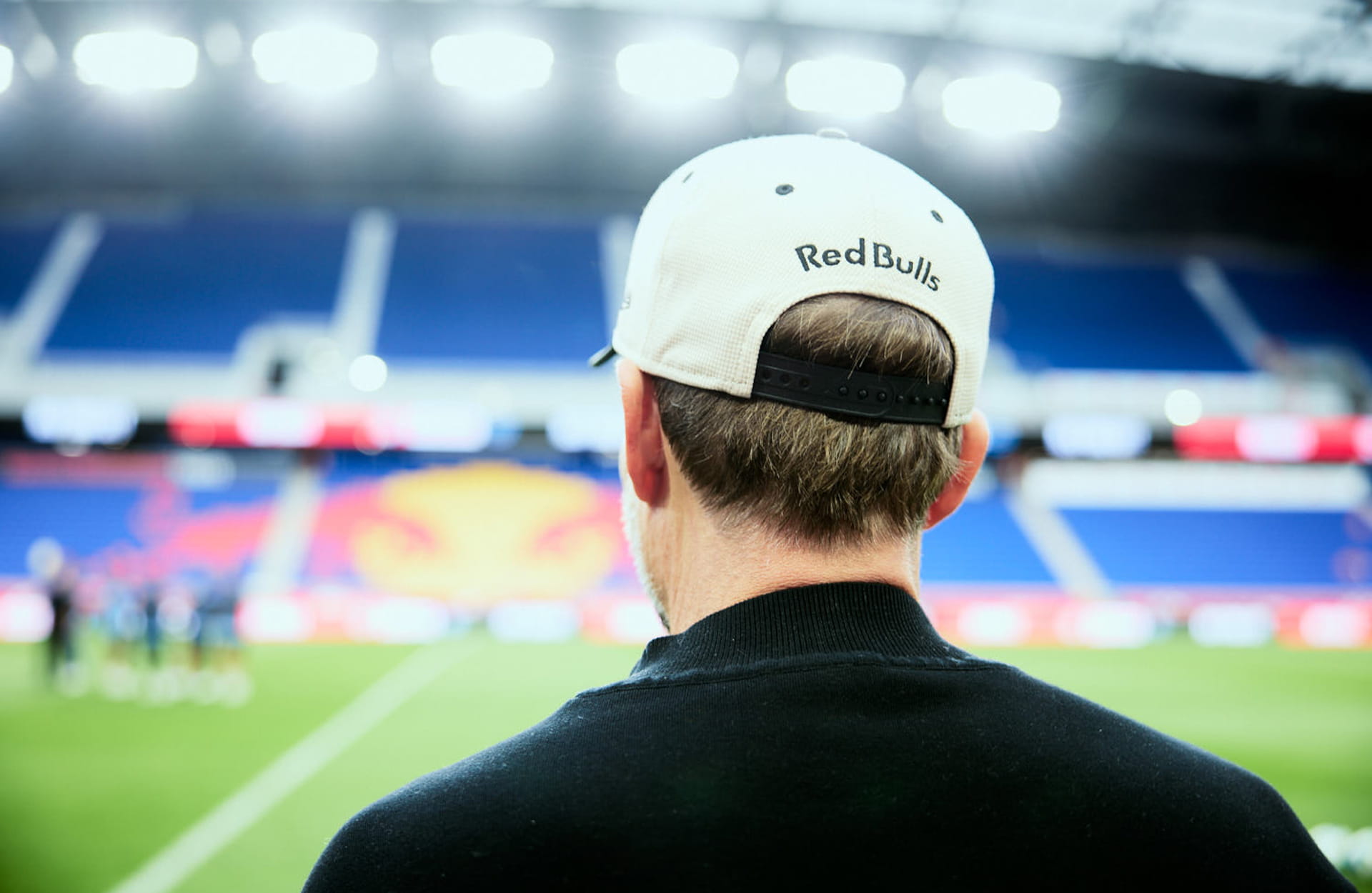
But football has a way of calling back its truest believers. Klopp’s return – not to a dugout, but to a panoramic vantage point as Red Bull’s Head of Global Soccer – marked the beginning of a new chapter that feels both entirely unexpected and completely inevitable. The man who once lived on the touchline’s knife-edge now operates at 30,000 feet, charting pathways instead of pressing traps, guiding philosophies instead of guiding gegenpresses. Different pressures, different tempos, but the same heartbeat: curiosity, connection, and a belief in the transformative power of development done right.
And yet, nothing about him feels distant. Klopp still speaks with the same warmth, the same clarity, the same fire that turns football into something deeper than results. In this conversation, he reflects on evolution – his own and the game’s – with the perspective of someone who’s lived every version of the profession, from lone‑wolf analyst at Mainz to cultural titan at Liverpool. What emerges is a portrait of a leader who’s still learning, still listening, still pushing forward. The scenery has changed. The mission hasn’t.
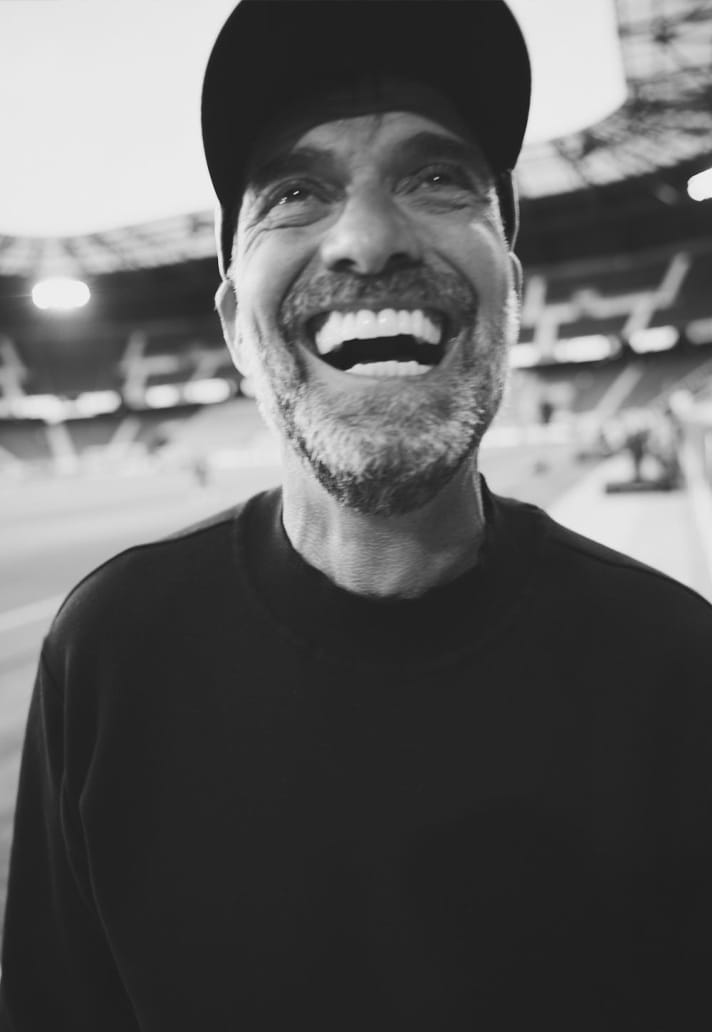
After such an intense and defining chapter with Liverpool, how does life feel on the other side of that? What new perspectives do you have on the game – or even yourself as a person?
I’ve had a different life since then. I had eight months without a job – pretty much that was the longest holiday in my life. We went on cruises to Australia and South Africa. It was great, but it was clear my life would not stay a holiday until eternity. I knew I wanted to go back, I just needed the right opportunity. My view on football didn’t change during that break, but it has changed a lot the over the years since I first started coaching.
The job I had on Day 1 as a manager at Mainz 05, and the job I had when I said goodbye at Liverpool, if you would compare those two — if you could put those two guys next to each other — they wouldn’t recognise each other. In the beginning, I was pretty much alone. I had a goalie coach and the physical coach was part-time. I was the only analyst. I was the only scout. That’s what the job was back then, and it helped me a lot in my career. I’ve always had respect for what people do in all the different departments because I did it myself. I know what these jobs require.
Things became bigger and bigger and I didn’t have to do it myself anymore. I brought people in who were fantastic. You need people around you who give you that push here and there, and that’s what I did so I could deliver better information to the players I was responsible for.
For a football manager, it’s really important that he develops not only the quality of his players, but he has to develop himself. And that’s probably one of my biggest strengths. I always surrounded myself with people who were fantastic.
You always have to get better. That has never stopped. I’m not in charge on the training pitch anymore, but the most important thing will never change: Everything to do with leadership starts with listening.
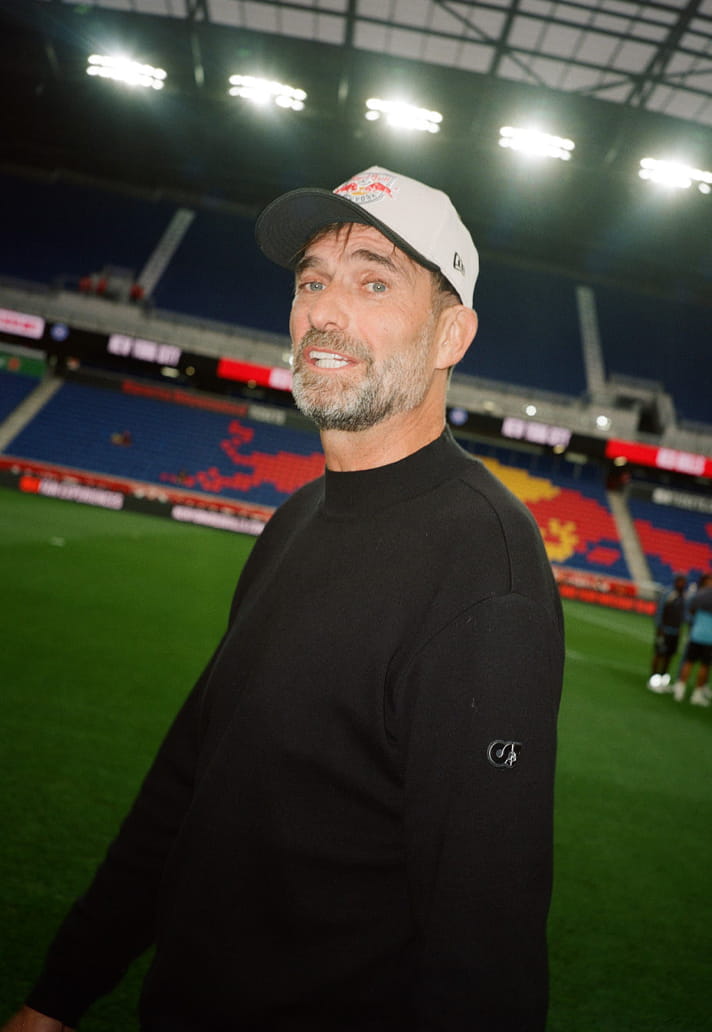
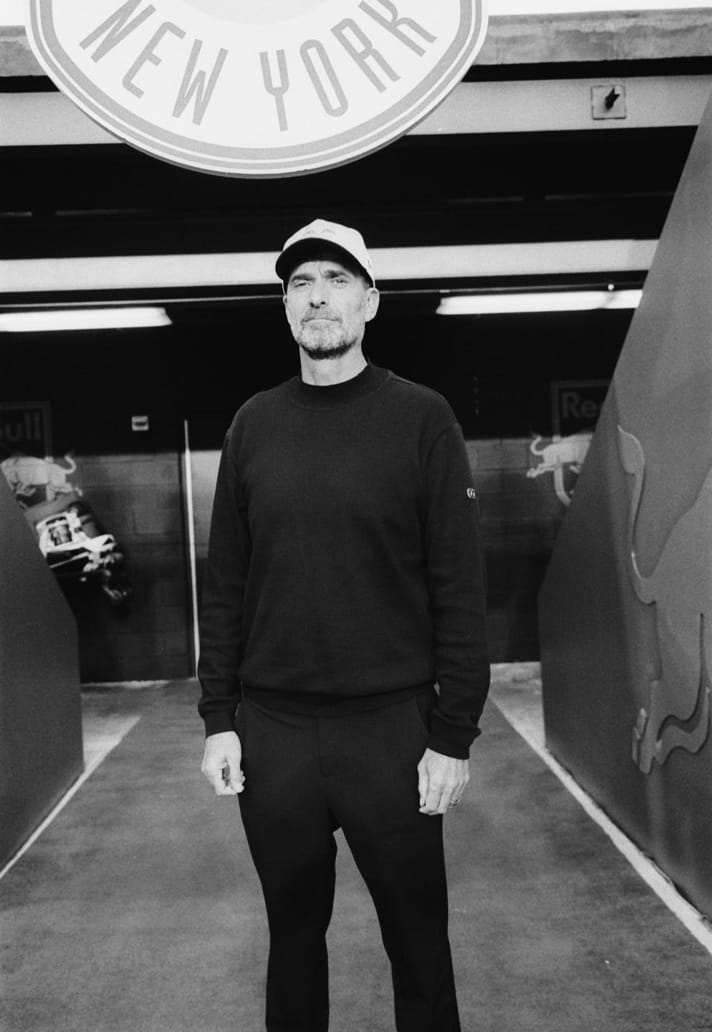
How are you digging into your new role as Head of Global Soccer at Red Bull?
I’ve been back at work for over a year, and in that time I’ve gained five years’ experience on the job. It’s intense, but it’s good. I love it. It’s different. It opens my mind. It gives me opportunity to do things, to think about things, without having to deliver results under time pressure every three days for the next match.
I loved each bit of my former life. I loved it completely. I feel blessed that I was allowed to do that. But I don’t have to ignore normal life left and right anymore just to somehow get a result on Wednesday or Saturday or Monday or whenever. I’m still working full-throttle, I’m full-in from morning to night, and I love it.
Red Bull resonates very well with me because it’s what I did in my former life. Until my last four years at Liverpool, it was always: you win and your best players are gone – you finance your own destiny by the education you give to the players and the business you can make. People from the outside world think you just throw money in and you can do what you want, but as far as I know, nobody ever got rich from spending, so it means Red Bull knows how to keep it together and they expect a lot.
If you would have asked me from the outside, “Who would you bring in to run the organisation, who is the closest to this philosophy that Red Bull has starting from scratch every now and then?” I would have said I’m the man for it. My life was actually what Red Bull has done. And I’m the one who showed how you can still be successful, and that’s what we want to be.
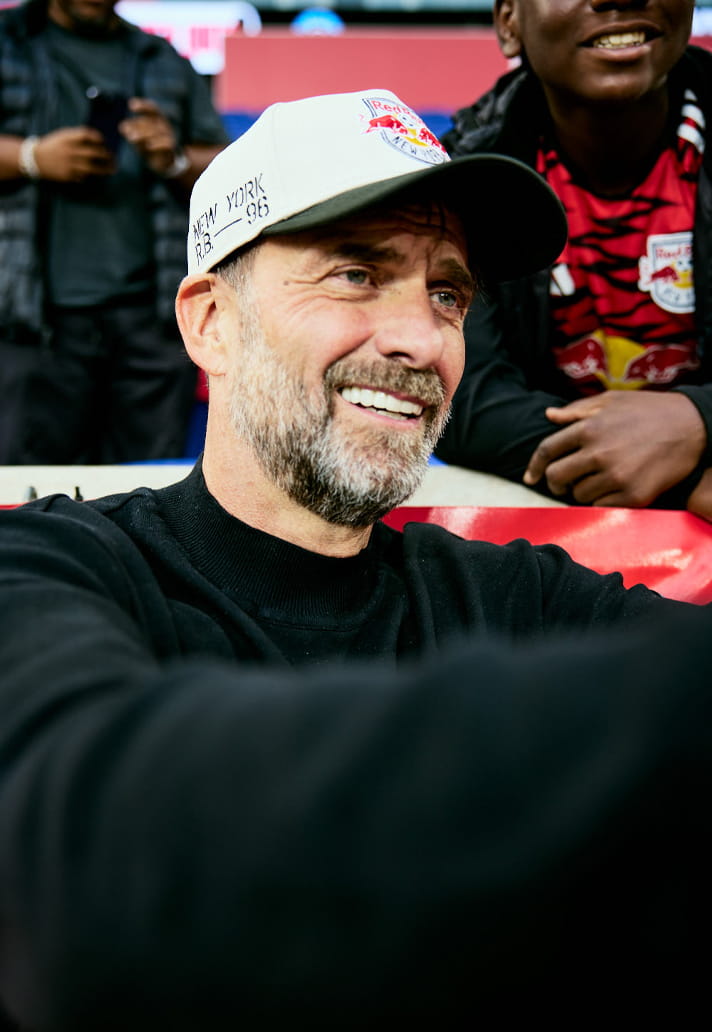
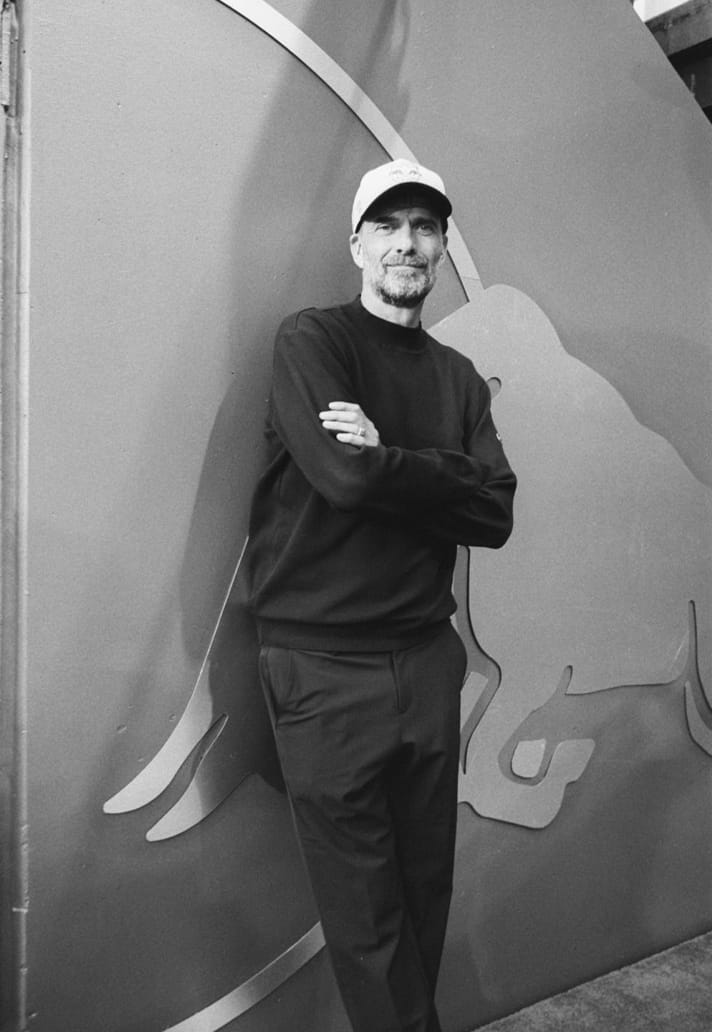
When you’re working with coaches across the Red Bull. organisation, how are you helping them become the best version of themselves without pressuring them to be a version of you?
I’m super curious. I’m super open. I’ve always tried to think a little bit out of the box, but I never got crazy as a coach. You cannot have crazy ideas because players don’t take them well. My job is not about what I want to say or what I want to do, it’s all about what ultimately helps the players. I’ve always had a good understanding of that.
Red Bull creates incredible infrastructure for all of its specific clubs, but other people have to fill it with life. If you have two coaches doing the same exercise with players, it’s actually a completely different exercise because it’s all about the personality of the guy who tells you what to do.
My personality helps me with my new job. I’m a good guy. I don’t want anybody to write on my gravestone that I won the Champions League and could have won it however many other times. Whatever you want to write, my idea that I want written is, “He was a nice guy.” I want to help. I tell the players, I’m your partner. I tell the coaches, I’m your partner. If you have a question, I can help you answer it.
If you have a moment where nobody else can help you find the answer anymore, because everybody would judge you for that, because everybody would say you should already know that yourself — I’m there for you, because I once sat in my office and nobody helped me. I had to find answers the hard way.
Very early in my career, I learned how to lose big and still keep going. So I can help people with that, but I’m not the head teacher anymore. I know that we need the personalities down there on the pitch.
I know that the best managers in the world of 2035 are already down there, and I want to be part of helping them in a world which is much more difficult than the world I came up in. We. might still be getting used to each other a little bit at Red Bull, but we are getting there. It will create a really good environment.
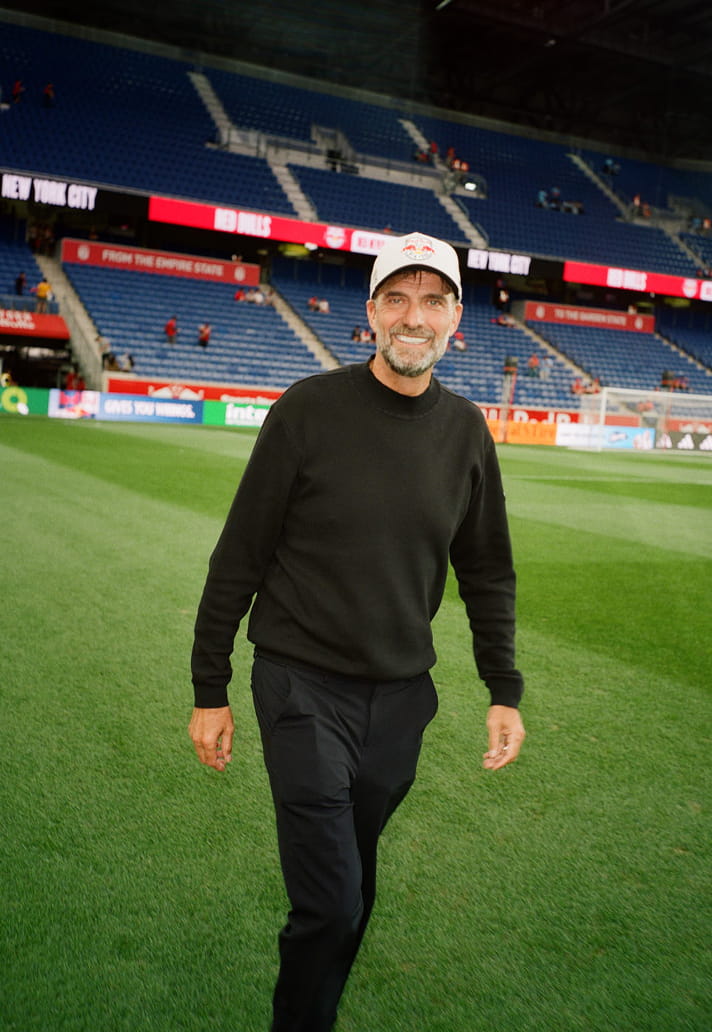
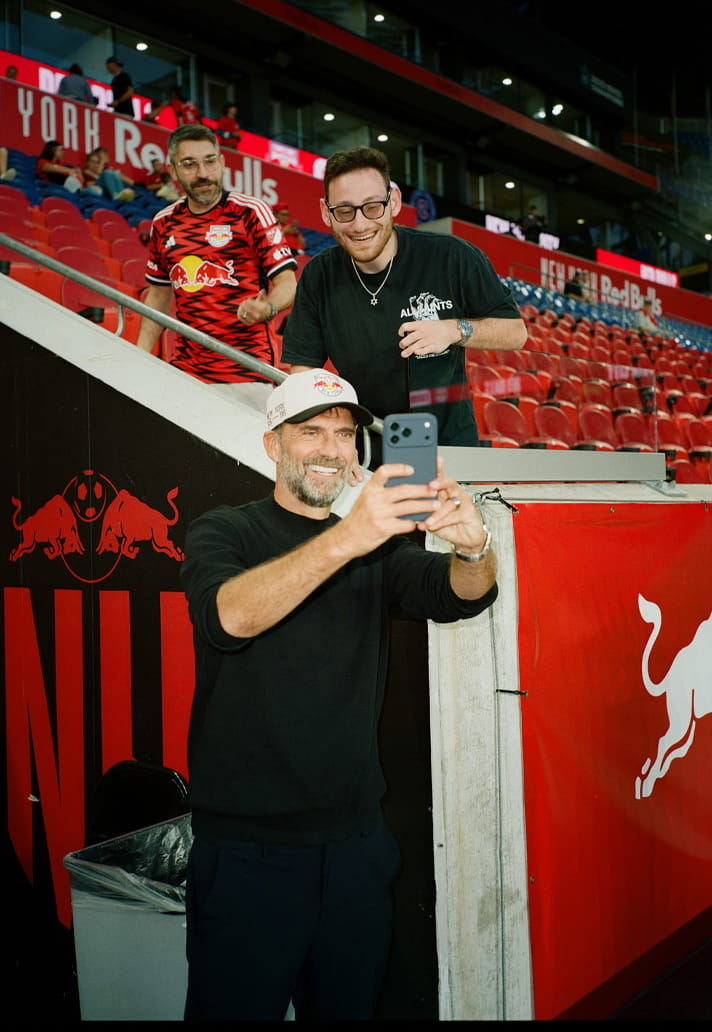
How do you describe the Red Bull playing style? Are there common characteristics across the clubs in Germany, Brazil, the U.S., and Japan?
Intensity is our identity. So that’s where it starts and this is how we want to play, with passion and intensity. Every moment on the pitch should reflect who we are and what we stand for. We want our style of soccer to be instantly recognisable: energetic, relentless, and driven by the desire to win our way.
Everybody wants to win, so we have to make sure we do that. But this is only the start. I could put in being smart is our identity as well. That’s what I want. Be doing the right thing, the right way, all these things. So that’s our way.
In your past life, you saw the game up close from the touchline. Now you’re operating with a 30,000-foot view and a global perspective. How does that shift affect your approach to leadership?
The heartbeat of leadership is that you are the one who always has to take the final decision. With all the advice you get, with all the good ideas you get in the end, you have to make the decision and say, “OK, we do it like that.” So that’s hard.
As a manager, you sometimes had to decide against player. You play a big final, you have a squad of 18, but you have 20 players and two of them have to walk before the game. You tell them, “I know it’s a dream of yours. You did an incredible job that we arrived here, but...” That’s hard. All the rest of it is not hard. All the rest is life. All the rest if what you do. My decisions were always prepared days before the decision so you barely have a decision to make. I never struggled with this kind of leadership. I just understood my role.
I first became a leader when I became a father. Until then, I was just part of the pack, and not the strongest part of the pack. Becoming a father changed everything and helped me a lot later on in life.
I helped players to make the right decisions as a manger. I barely overestimate things or underestimate things. That’s what leadership is all about. I think I was a good leader over the years for my teams — and that’s super important for the Red Bull job.
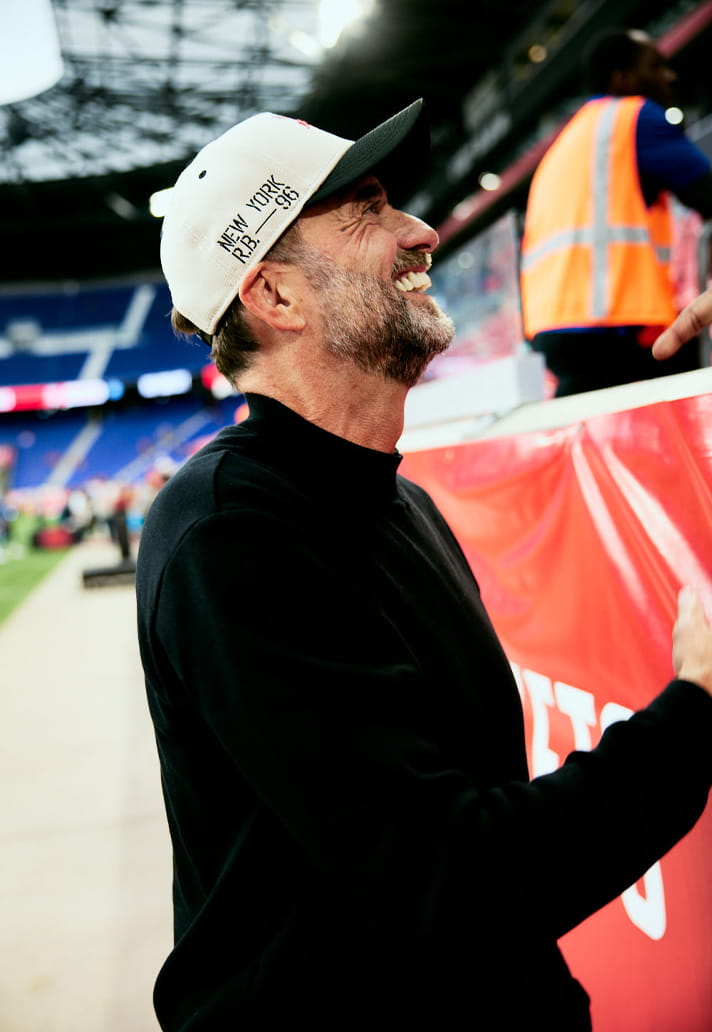
What are your essential ingredients for player development?
It’s giving players opportunities in the right time, and giving them support the whole time. It’s making sure you can do the necessary stuff because without training nobody will make it. That’s how it is. It’s giving all of these kinds of things and creating an environment where you feel right in the moment.
One thing that can kill talent is overwhelming them. Another thing that can kill talent is not being patient enough with the athlete. Those are real killers.
When I had a young player, I was so happy when I saw each good thing. When something was not that good, I didn’t think, Oh, he’s not good at that. I said, Yeah, we learn. So I didn’t even judge it. But other people judge that. Someone might say, “His strength is not there.” But what will happen over the next two years? He will get stronger. So why talk about that? We don’t. Not everybody is Lionel Messi, and not everybody knows what he was like at 16, so why do people try to compare all players to him?
It’s all about doing the right things in the right moment for the right amount of time. That’s what is development. That’s what development needs.
How has the culture around football changed since you first started managing? What have been the biggest influences in Europe and globally over the past few decades? And where do you see it going in the future?
With the way the world is now, everything has changed. When I started, we had no social media. When I lost the game, I had to wait for the newspaper until I got smashed. That’s now happening on social media as guys are making their way into the dressing room.
When I was managing, I would always go into the comments section under newspaper stories to see what people were saying. If they went for a player in the comments, I needed to know, because I know the players read that as well. I wanted to be able to help my players handle it. They have to learn to not get influenced by it. We need to make sure that players don’t want to please everybody. It’s impossible. We have to make sure that we still discuss things with each other and respect that we have different opinions. These kinds of things, it’s a challenge for the future.
If someone goes for you, they all go for you. It goes viral and then everyone reacts to that. It’s crazy. We have to make sure that we are ready for it, that we can ignore that. Switch off the phone, focus on what you are doing. That was so much easier in the past. Some of the smartest, some of the greatest people were produced in past. So we have to make sure that it’s possible today as well, because we need them in the future.