Slam Jam has always understood that football is less a sport than a language. Not as a trend to tap into, but as something lived, absorbed and, over time, reinterpreted.
Founded in 1989 by Luca Benini, Slam Jam began as a distributor before evolving into a pioneering force in Europe’s streetwear scene – more recently turning its attention to football as a source of inspiration. “For us, football is far more than a sport,” explains Benini. “Its cultural impact is deep, cross-generational, something that unites and divides. It’s part of our lifestyle.”

Luca Benini, Slam Jam Founder
That idea – football as lifestyle, not just pastime – underpins everything Slam Jam touches these days. Since its inception, the Milanese retailer has operated less like a shop and more like a cultural conduit, translating subcultures into product, and product back into narrative.
Football, naturally, has become one of its most fertile grounds over the last decade, with Benini’s relationship with the game predating the business entirely. “As a kid, I dreamed of becoming a footballer, but also of working with clothes in some way,” he says. “Football has always played a central role in my life, and in Slam Jam’s journey too.”
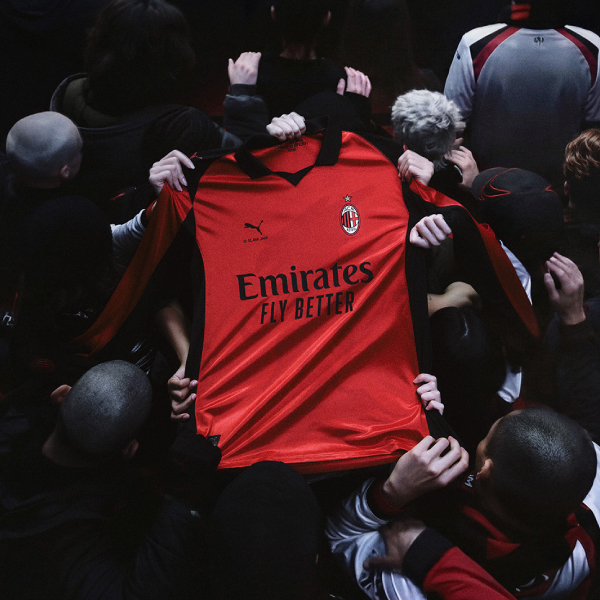
The duality of sport and style, pitch and product – spotlighted most recently in their latest collaboration with AC Milan – has become the brand’s defining language. Yet what’s most striking about Slam Jam’s approach is how little of it feels engineered. Rare in an industry often driven by calendars and campaigns.
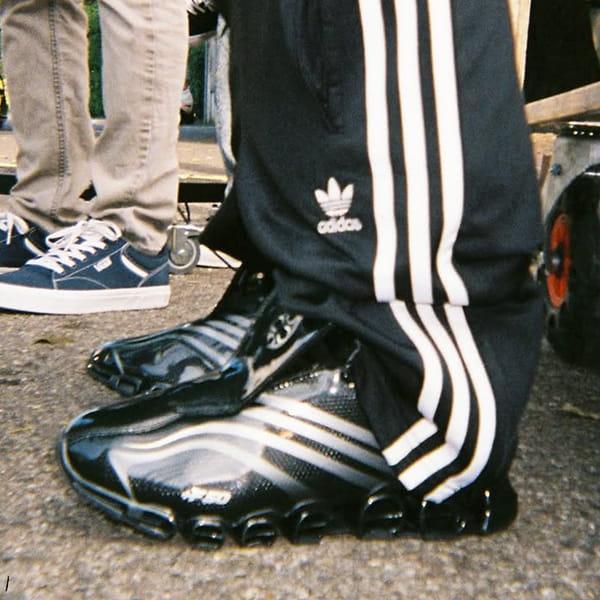
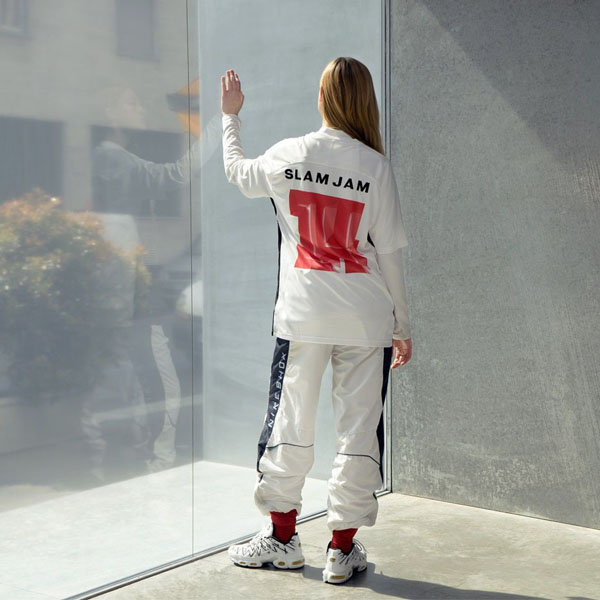
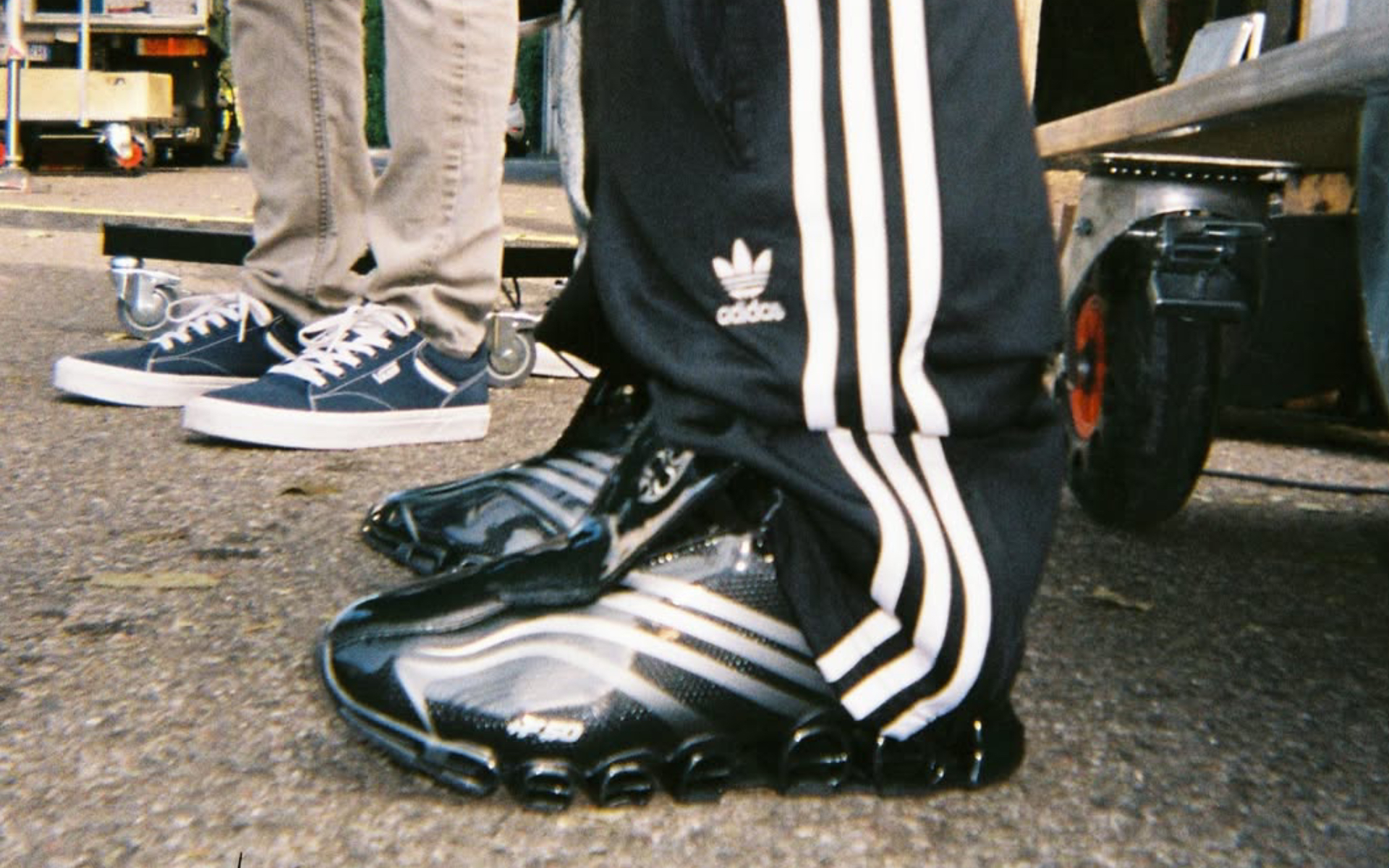
Take its early-2000s nostalgia release with Nike on its Total 90 line, or its iteration on the speed-driven design of the adidas F50. Last year too, Slam Jam's partnership with Macron on a S.P.A.L. jersey brought things full circle, grounding the work in local identity while reinforcing the retailer's ability to move fluidly between heritage, performance and contemporary design.
“We don’t sit around a table trying to define what’s relevant, we feel it,” adds Benini. “We focus on what’s meaningful to us and what excites us. With football, like music or clothing, it’s emotional rather than strategic.”
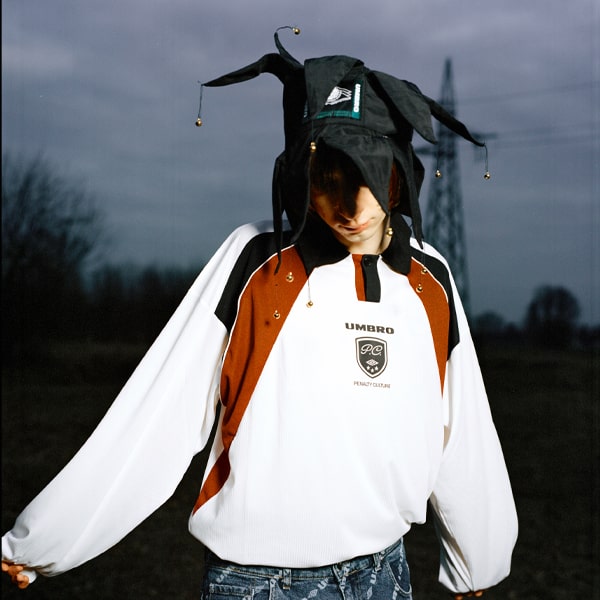
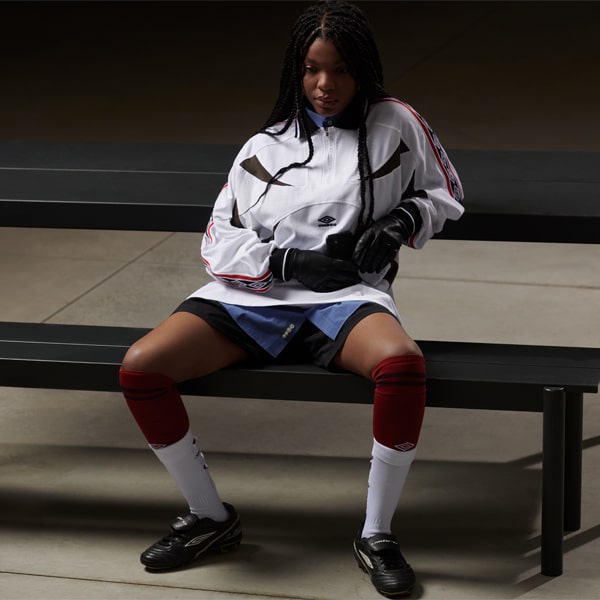
That looseness allows Slam Jam to move between eras and references with ease. “There’s no fixed Slam Jam formula beyond getting excited about very specific things,” Benini says. “We’re drawn to brands with strong heritage, like Umbro, which carries so many memories, but we’re equally interested in the new and unseen.”
The tension between past and present is where Slam Jam’s football output finds its edge. With Umbro, for example, the brand leans into subtlety – codes are referenced, not replicated. The football DNA is there, but often implicit, reinterpreted through Slam Jam’s own lens rather than worn on the sleeve.

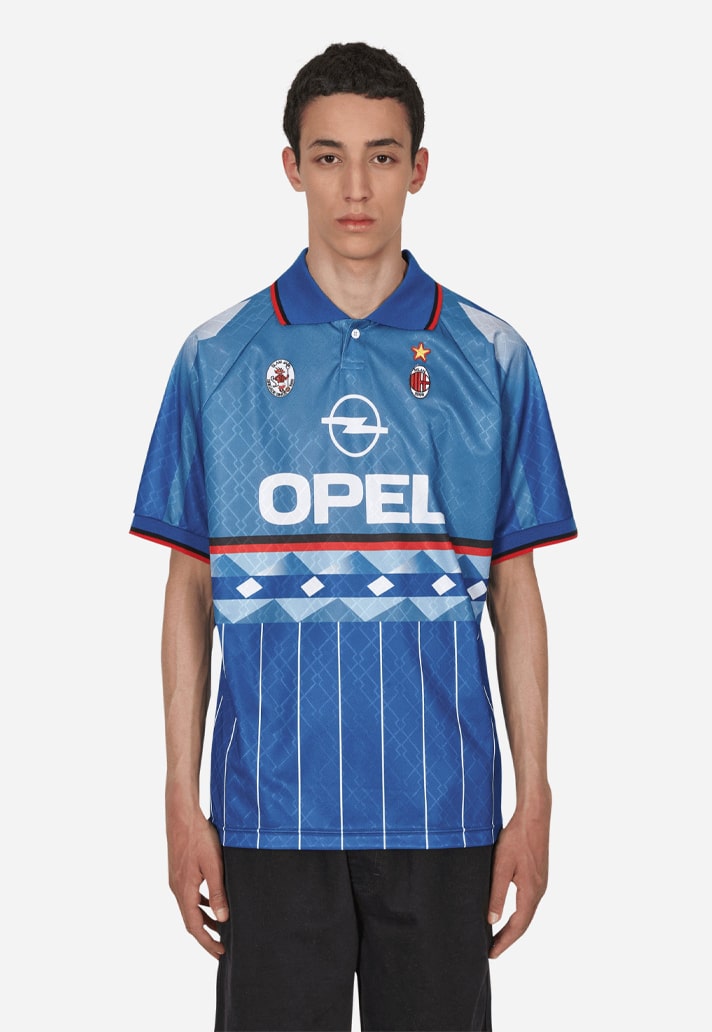
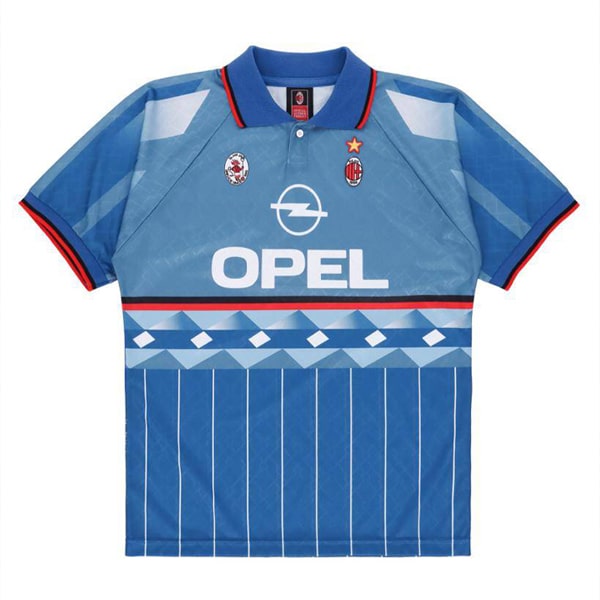
By contrast, its recent work with AC Milan operates with a different kind of clarity. Here, football is centrepiece. “I’ve supported AC Milan since I was a kid, so there’s a strong emotional connection,” Benini says. “We focused on the purest essence of football: the game itself. The goal was to serve the team on the pitch, to make Milan feel even more like Milan.”
The result was a kit that balances reverence with refinement: classic in its foundations, but sharpened through detailing. A piece designed to be inhabited by players, by fans and by the mythology of the club itself. Elements like the “benvenuti all’inferno” slogan and devil iconography only amplify that identity. If that sounds like design thinking, it is. But it’s also something more instinctive.
Slam Jam’s strength lies in its ability to recognise that football’s visual language doesn’t begin and end with kits. It extends to stadiums, to terraces, to the choreography of matchday itself.
“I prefer to speak about style,” Benini says. “Football has a powerful style aura, both on and off the pitch – from iconic stadiums like San Siro to the fans, the choreographies, the rituals. The list is endless.”
The idea of football as an aesthetic system is also what allows Slam Jam to move fluidly between categories. A jersey becomes a canvas, for example, a collaboration becomes a commentary. It also explains why the brand’s football-adjacent work resonates beyond the sport’s traditional boundaries.
“The response has been strong, even outside of football,” Benini notes. “That’s something we really value – taking something rooted in football culture and bringing it into new territories.”
In other words, Slam Jam isn’t borrowing from football, it’s reframing it for audiences who might never step into a stadium, but recognise the codes nonetheless. The stripes, the badges, the sense of belonging, all translated into a different context, without losing their original charge.
And yet, for all the collaborations, the co-signs, the increasing visibility, Benini remains cautious about positioning Slam Jam as part of any defined “football ecosystem”. The work, he suggests, still exists slightly at the edges, observing as much as participating.
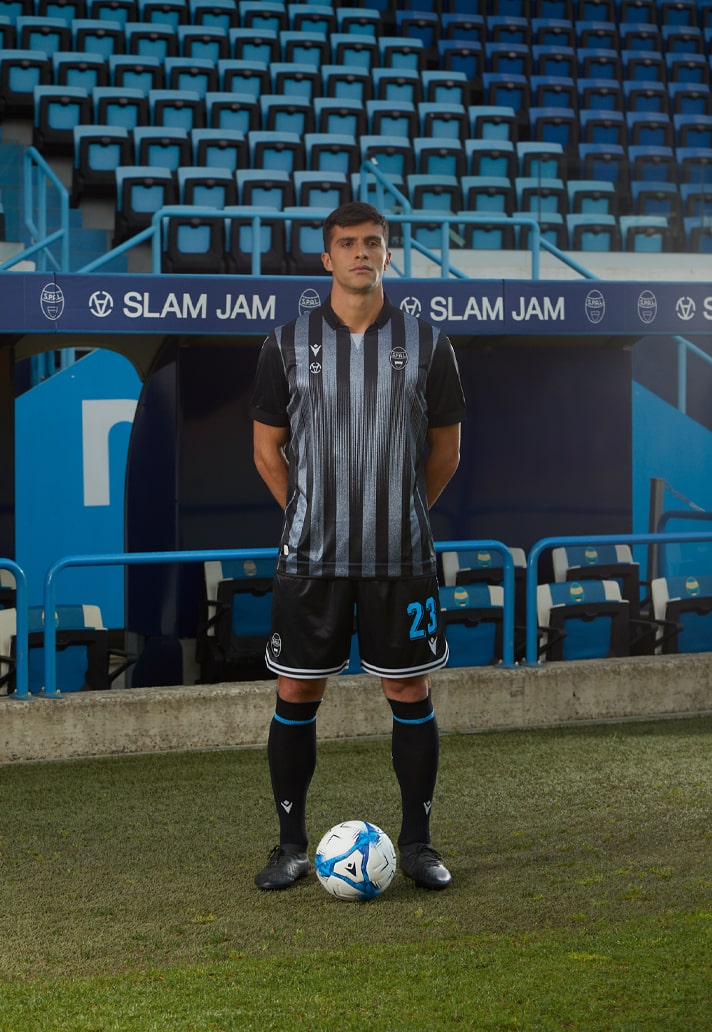
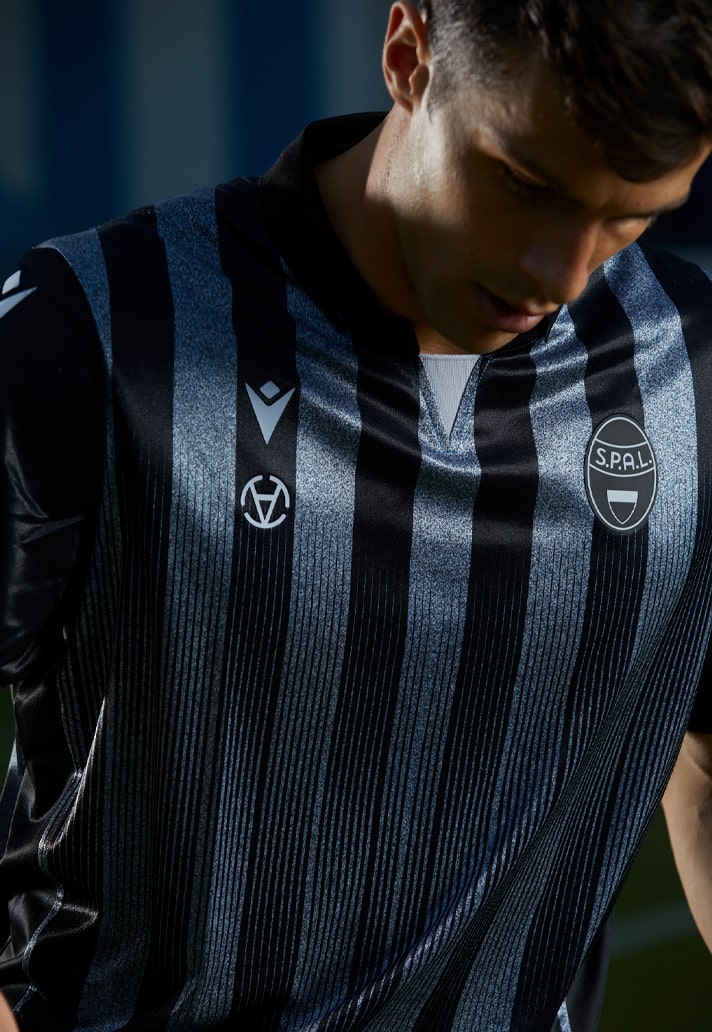
That outsider perspective may well be the point. Because in football, as in fashion, the most interesting ideas rarely come from the centre, but from those willing to reinterpret the familiar. Put simply, at Slam Jam, football isn’t an inspiration, it’s material, a living archive and constantly being reworked. A canvas, always in play.
You can keep up to date with everything Slam Jam via its website and Instagram page