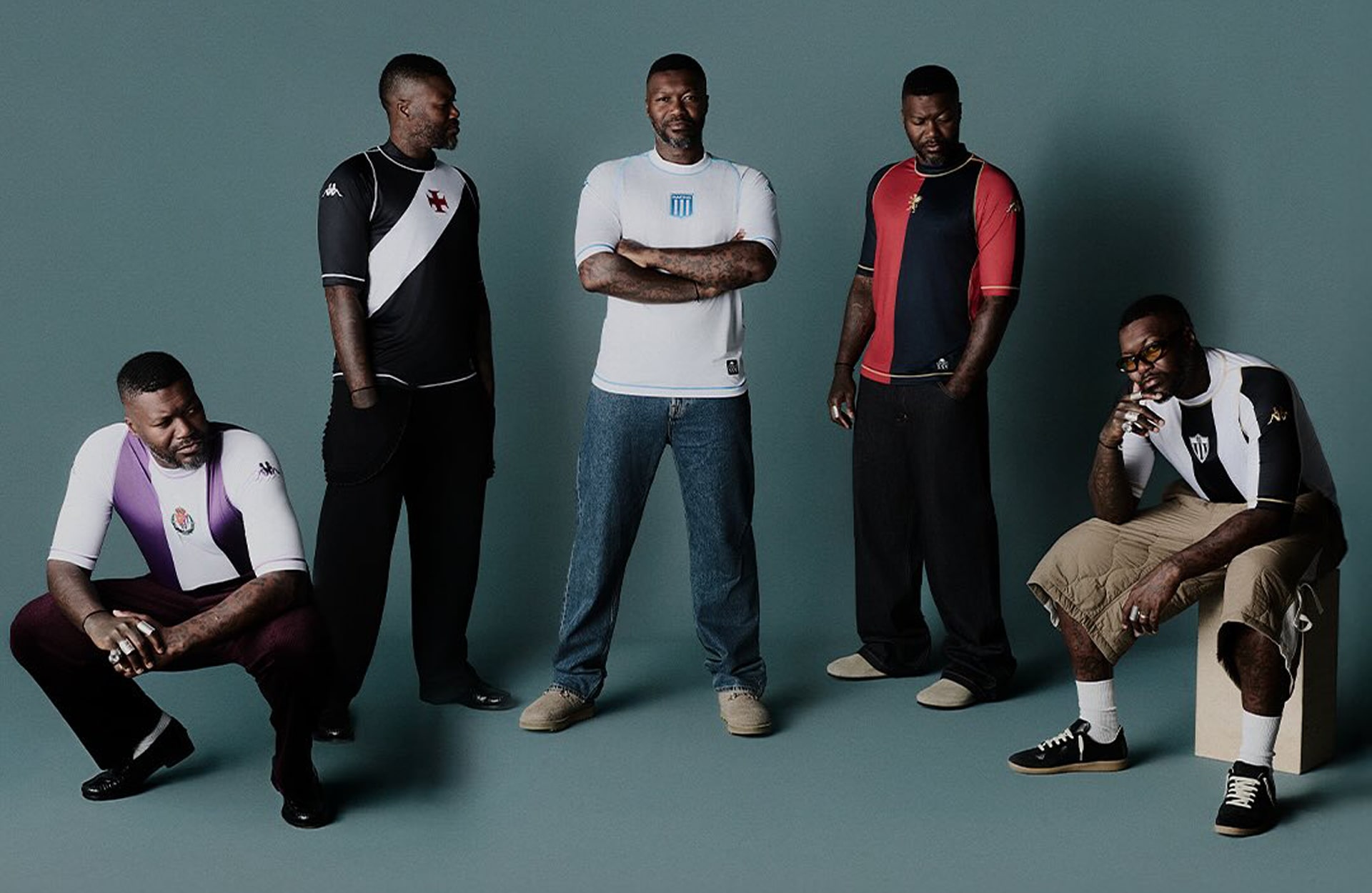
25 years ago, Kappa changed the kit game with its Kombat technology, ushering in a new millennium with a revolutionary new take on what jersey culture was all about. Two and a half decades later, that same spirit returns with Kombat XXV, the Italian brand’s celebration of a quarter-century of design that redefined both sport and style.
The 90s football scene is well known and rightly hailed for its flamboyantly over-sized shirt designs, as the decade adopted a one-shirt-fits-all policy that was in line with general fashions of the time. But with the turn of the millennium came a radical new approach: what if, instead of wearing these beautifully baggy bedsheets that had the technological impact of a parachute, players instead wore tight shirts, befitting of their athletic nature and stature? Madness, surely.
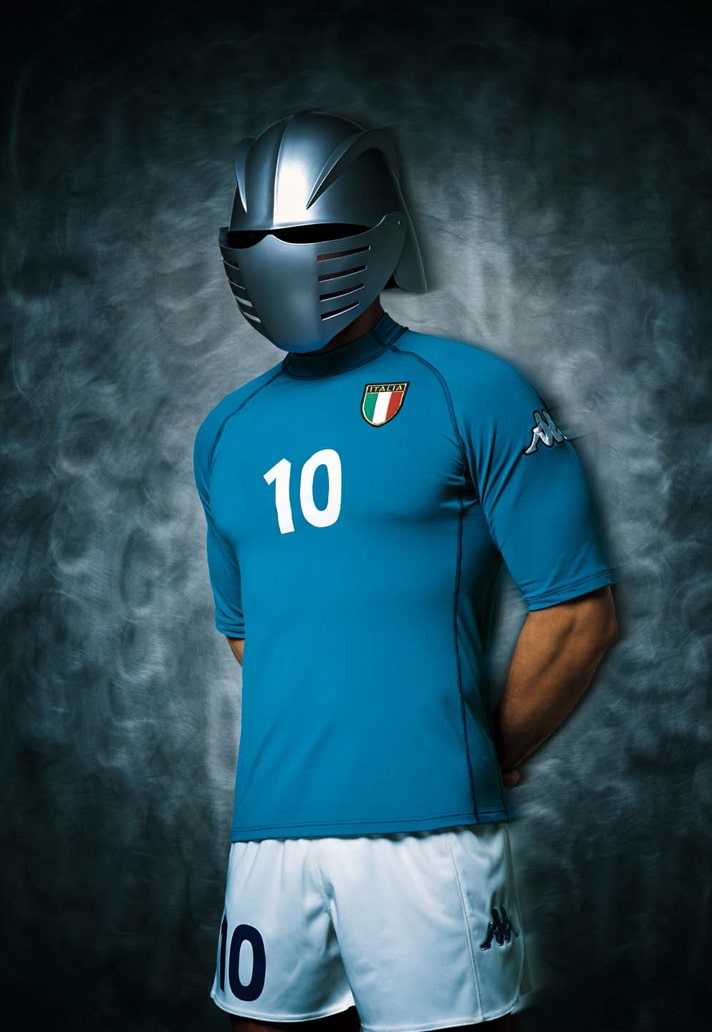
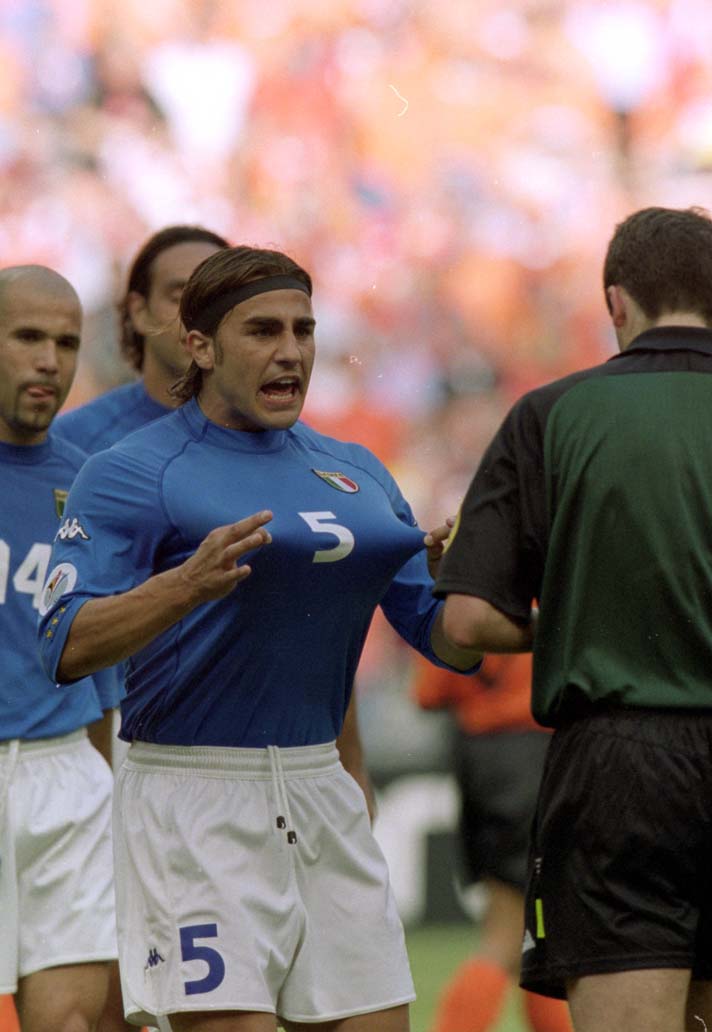
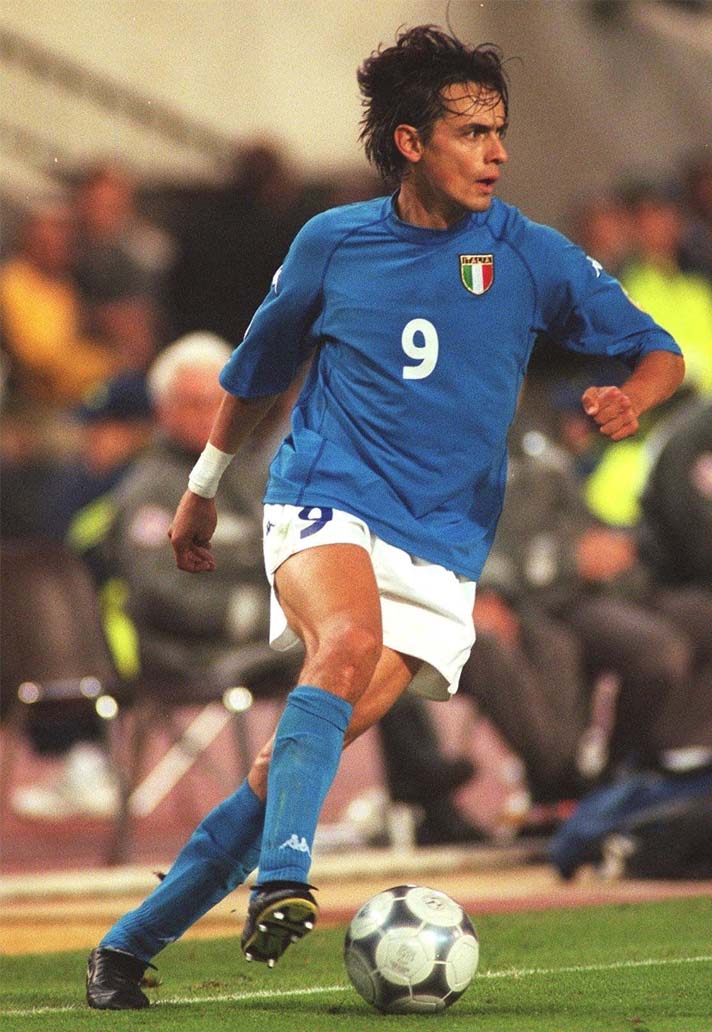
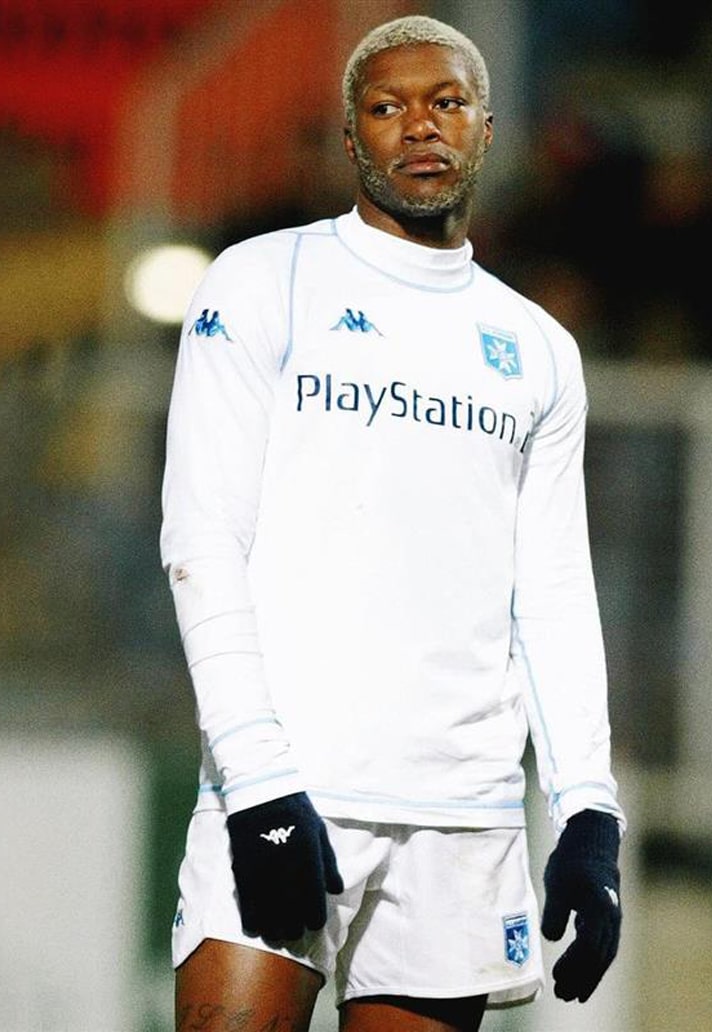
So in 2000, marking a new decade, century and millennium, football changed its skin. This significant shift in shape was heralded by Italian brand Kappa, as they brought the concept to the world’s attention first with Monaco, but then more widely on the floodlit pitches of Belgium and the Netherlands, when Italy took to Euro 2000 in a shirt that seemed to come from another world. Sleek, sculpted, unapologetically tight — Kappa’s Kombat kit stripped away the excess of the nineties and rewrote the rules of what a football shirt could be – gone was the big and baggy fit, leaving a streamlined, performance-driven silhouette.

Back then, Kombat wasn’t just new — it was radical. Built from a hyper-elastic material that stretched up to 30 centimetres without losing shape, it was the first shirt engineered for movement as much as for message. Kappa called it “stop stopping” technology — a material innovation designed to make the game flow and to expose the shirt-pulling fouls that often went unseen. It was a rebellion in Lycra form: aerodynamic, anatomical, and provocatively modern.
It wasn’t for everyone (notably most of the Italians, who still opted to wear shirts two sizes too big for them). Some fans resisted the new silhouette; others saw the future. But history sided with Kappa. The Kombat became the blueprint. Within a few seasons, almost every elite club had followed suit — tighter, lighter, more technical. Performance became personal.
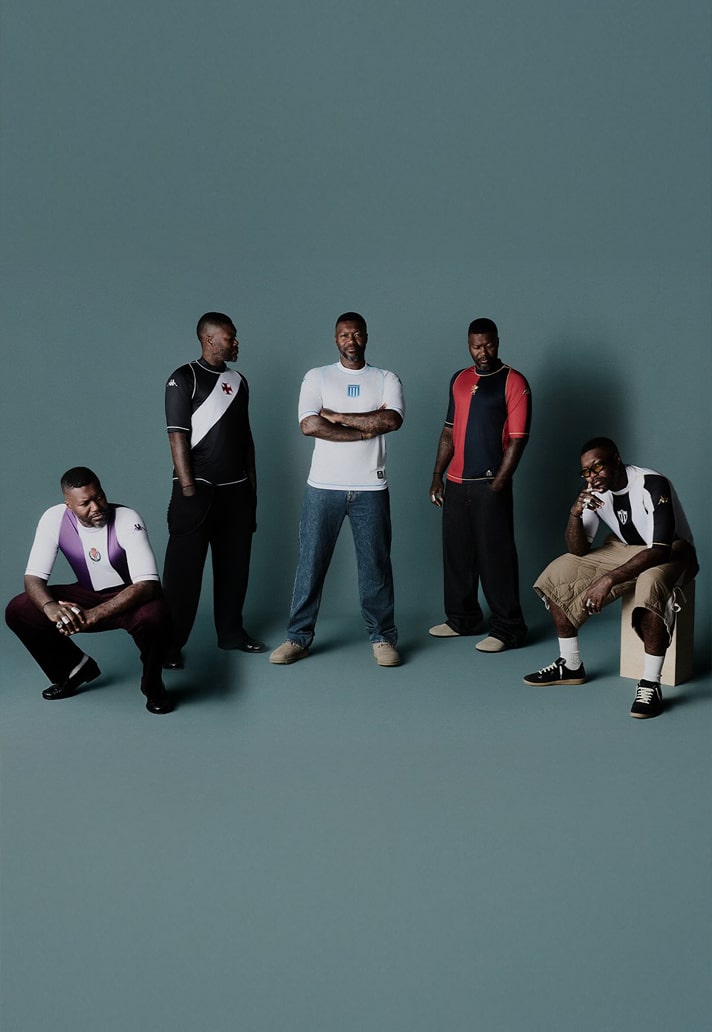
Two and a half decades on, Kombat XXV revives that same DNA with sharper lines, sustainable construction, and renewed purpose. Made from 92 percent recycled polyester and 8 percent elastane, it’s lighter and more flexible than its 2000 ancestor, proof that innovation never really stands still.
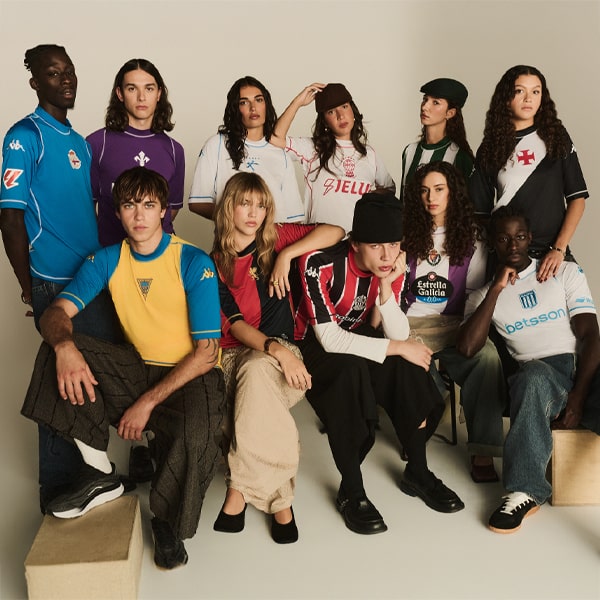
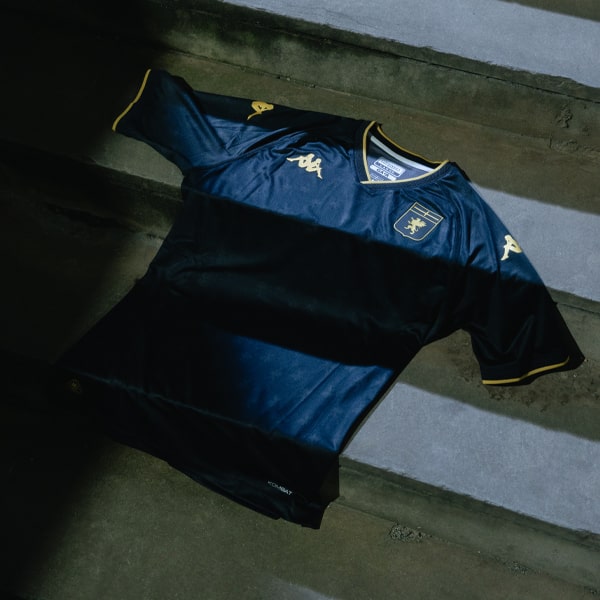
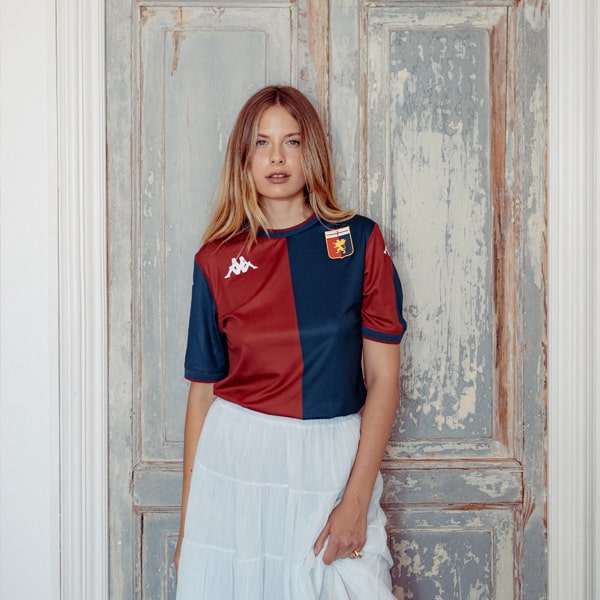
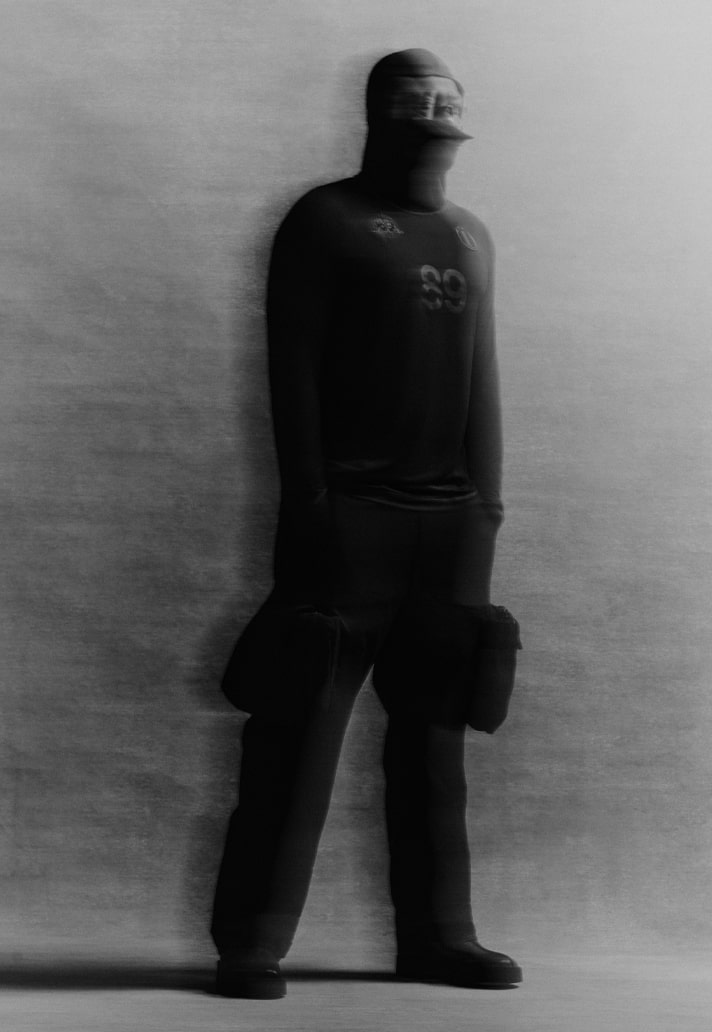
Kappa marked the anniversary with Keep on Kombat, a retrospective exhibition at its Milan headquarters earlier this year — part archive, part altar. Now the celebration moves back onto the pitch. From 15-30 November, 18 Kappa-sponsored clubs across Europe and South America — including Genoa, Fiorentina, OGC Nice, Red Star, Real Valladolid, Racing Club, and Vasco da Gama — will wear the commemorative shirt in official matches. A global relay of colourways built around a single visual language: sculpted minimalism that looks as sharp today as it did in 2000.
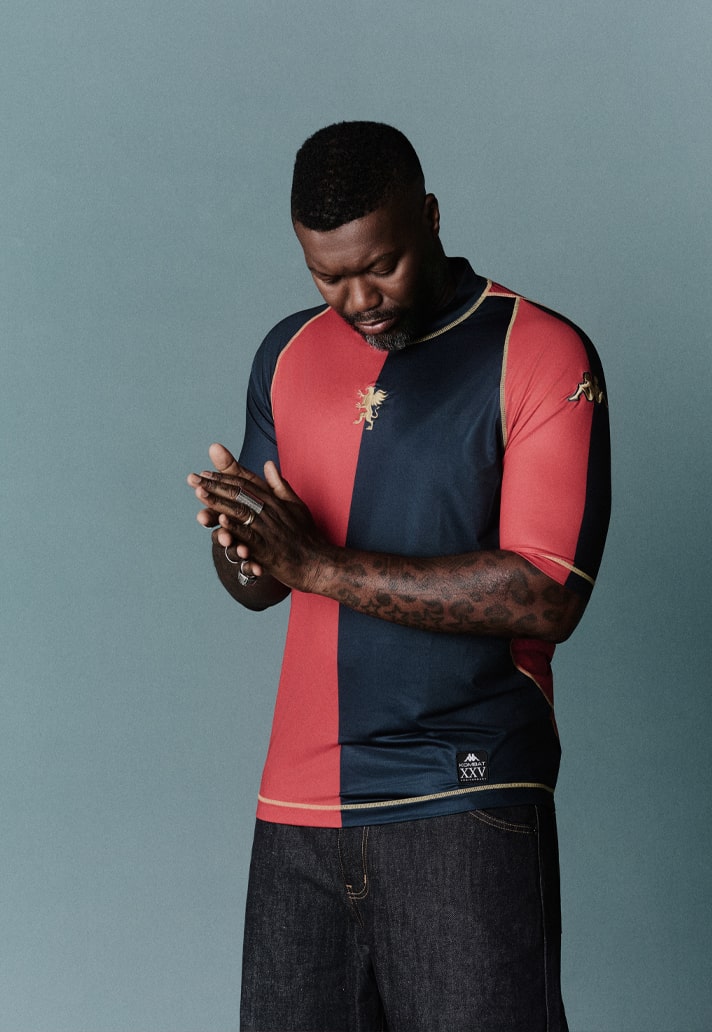
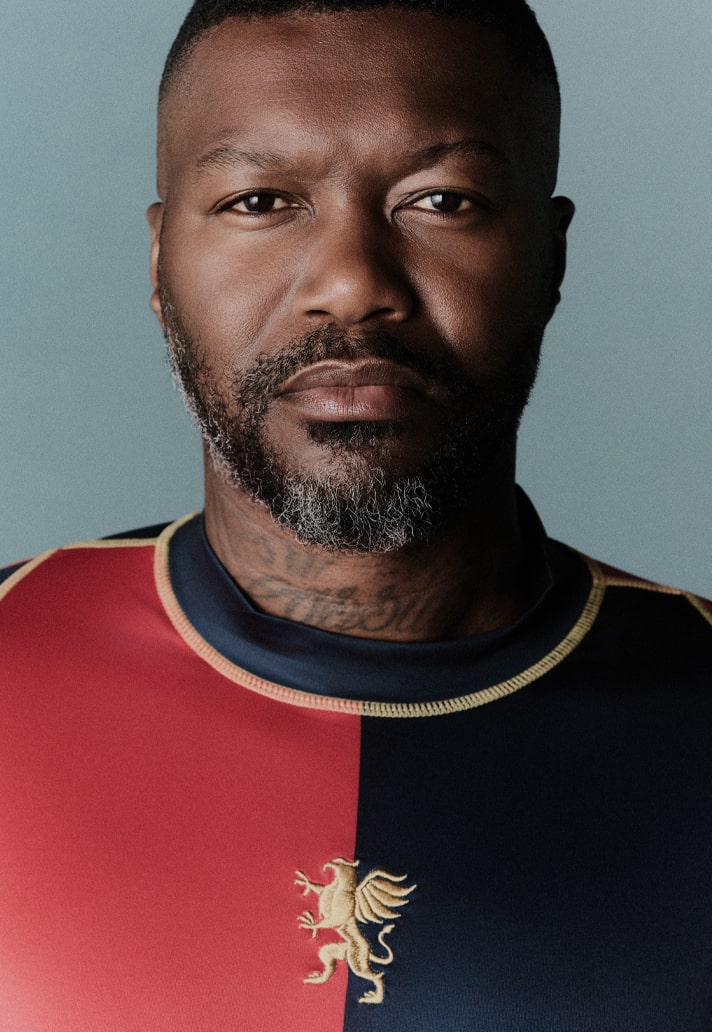
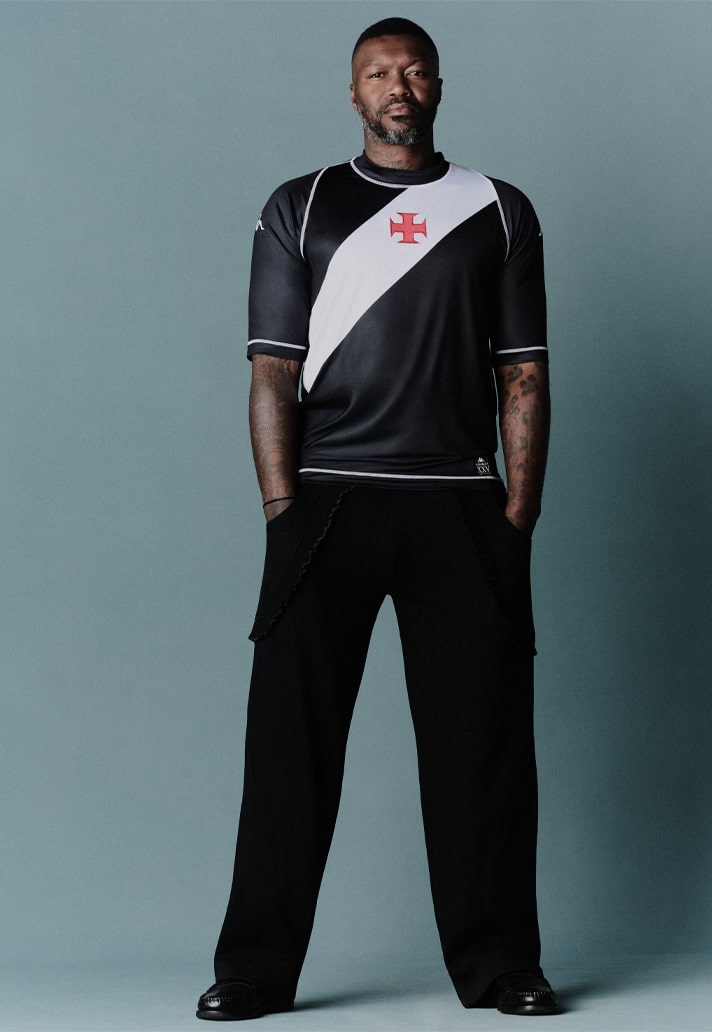
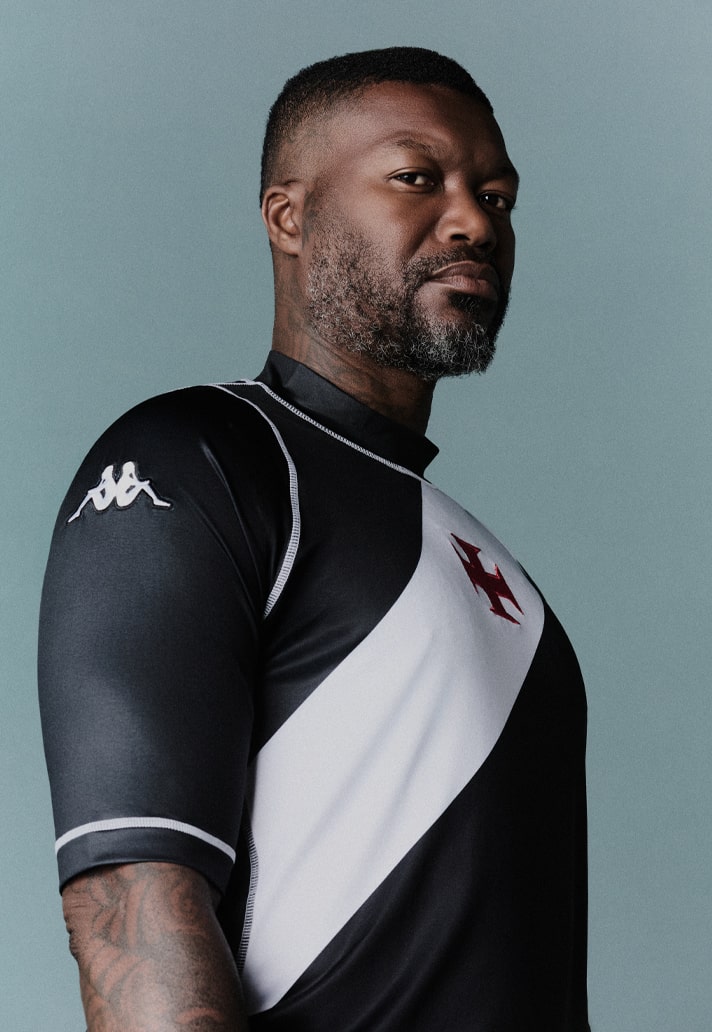
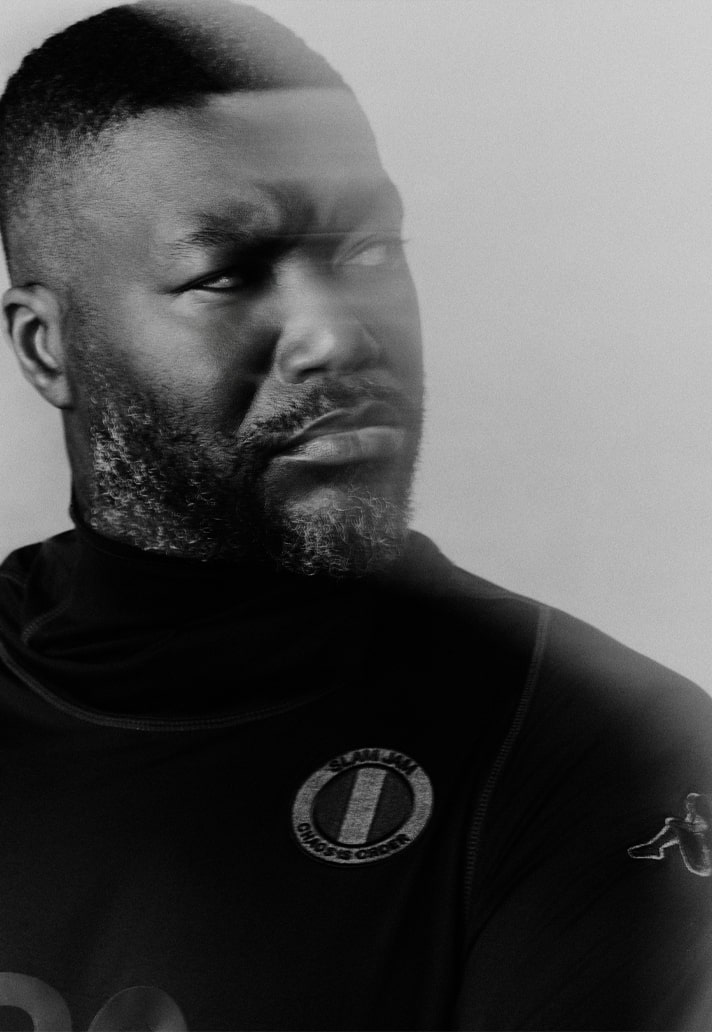
Every great design needs a face, and Kappa’s found the perfect one in Djibril Cissé. The French forward, who once wore the original Kombat for AJ Auxerre, returns as the campaign’s protagonist. Still impossibly stylish, still electric, Cissé embodies the same individuality, energy and flair that defined both his career and Kappa’s creative ethos. In the campaign visuals, he stands centred, shot in monochrome — a portrait of timeless cool. No flair needed, just presence.
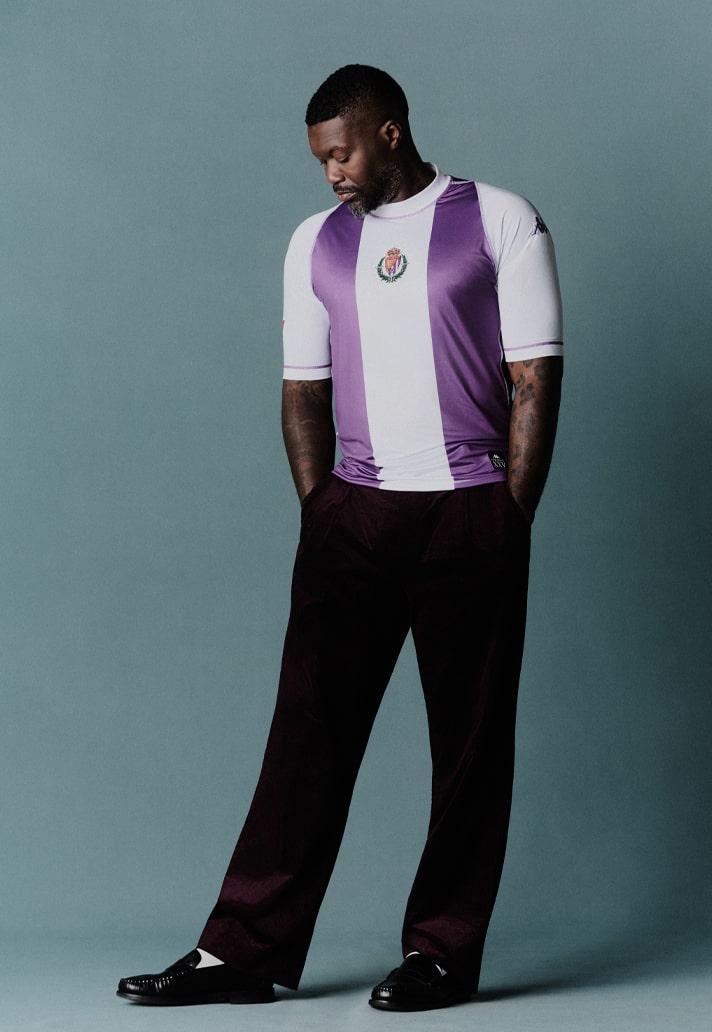
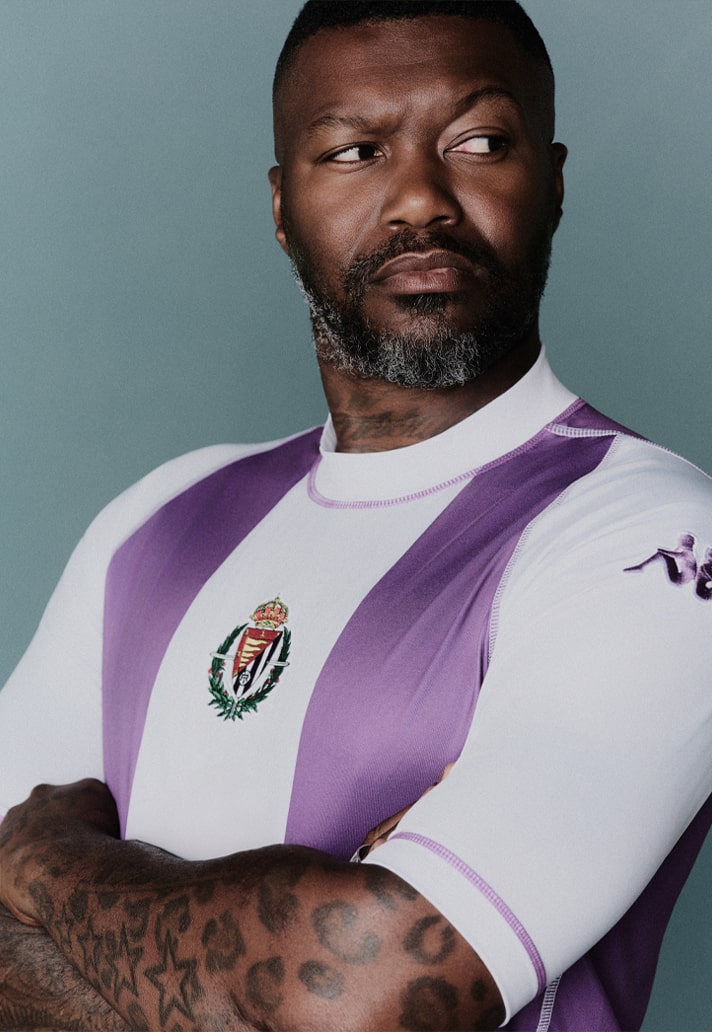
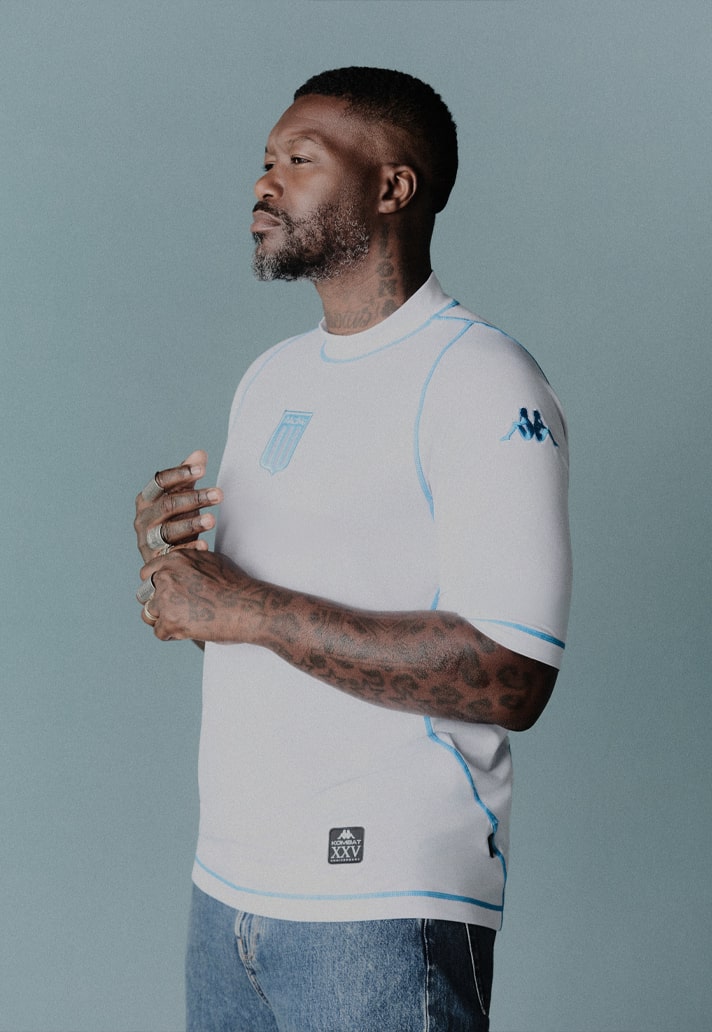
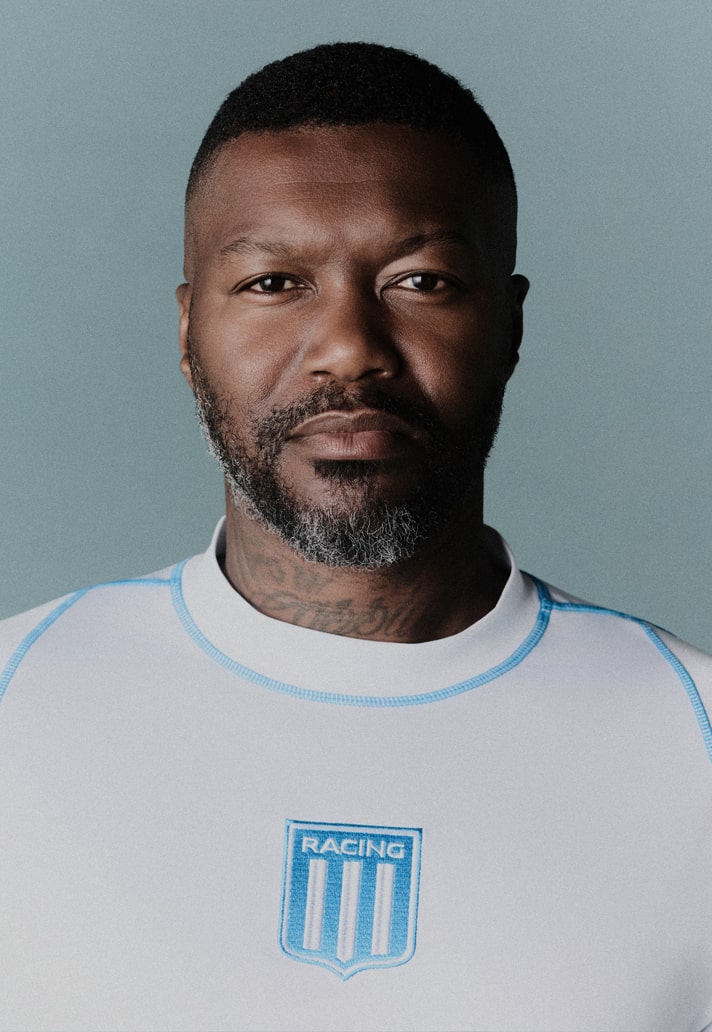
Cissé's return feels poetic. Two icons reunited, both unapologetic, both shaped by confidence and character. The Kombat was never about conformity — it was about owning your difference. In that sense, Cissé never stopped wearing it.
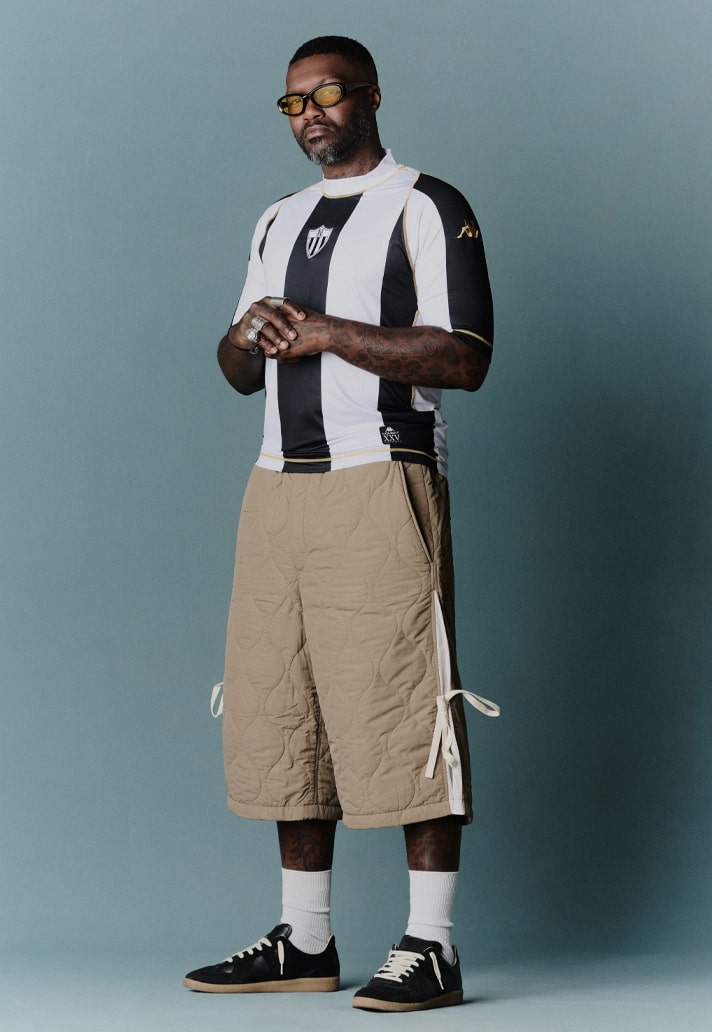
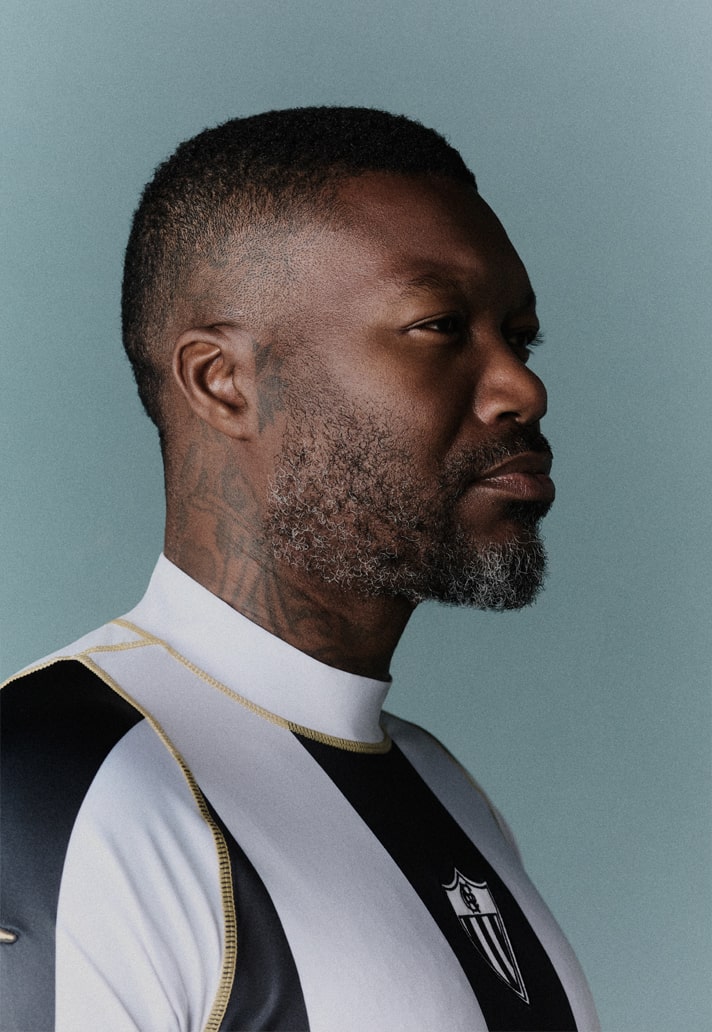
Adding another layer to the celebration is Kappa’s collaboration with Slam Jam, the global streetwear institution. Together they’ve created an exclusive Kombat XXV Special Edition — a bridge between terraces and runways, between the pitch and the gallery. It’s not merchandising. It’s a statement: performance design as cultural artefact.
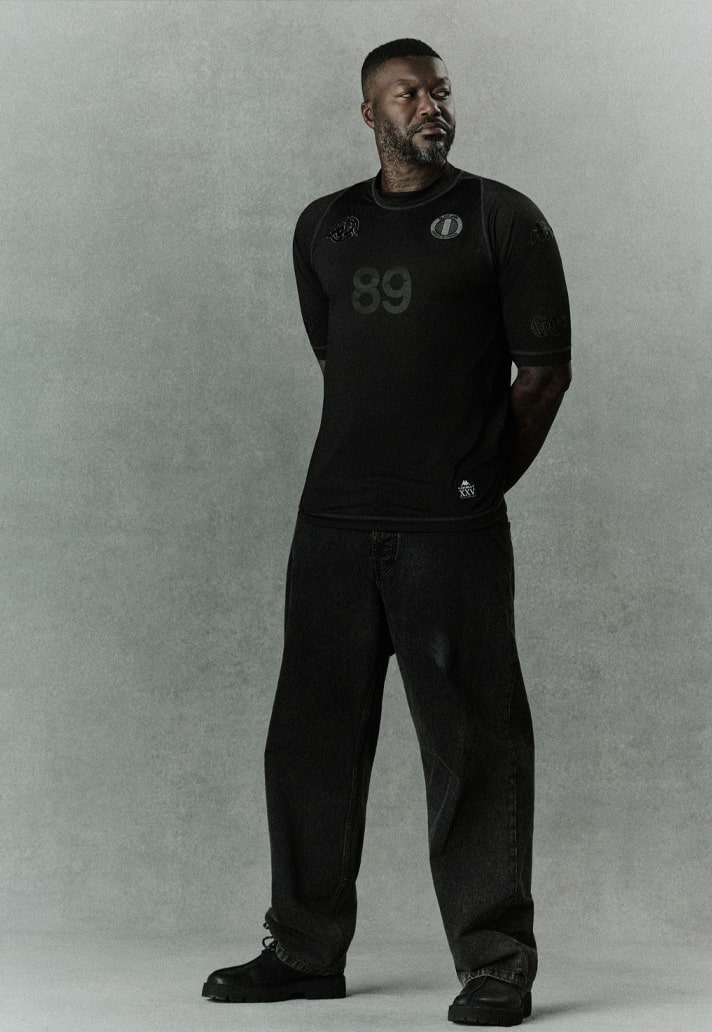
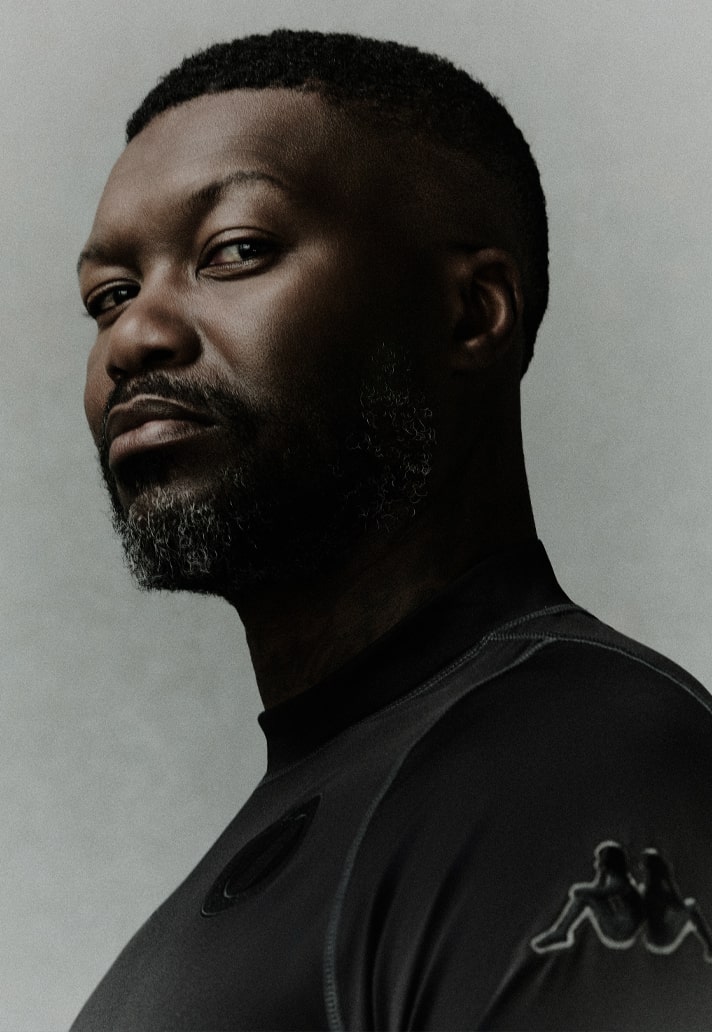
The synergy makes sense. Kappa’s influence has always extended beyond the chalk lines of the pitch. Kombat wasn’t just a kit; it was a design system before we called them that. It redefined how athletes wore identity. Slam Jam understands that intersection — where sport, art, and streetwear converge — and amplifies it for a generation fluent in all three.
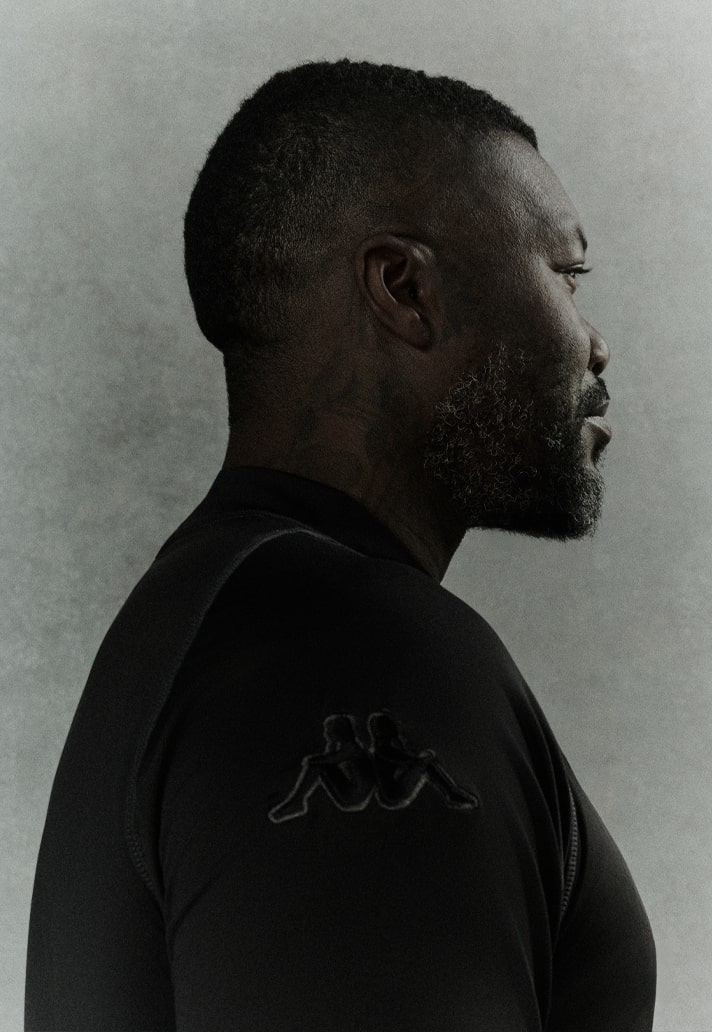
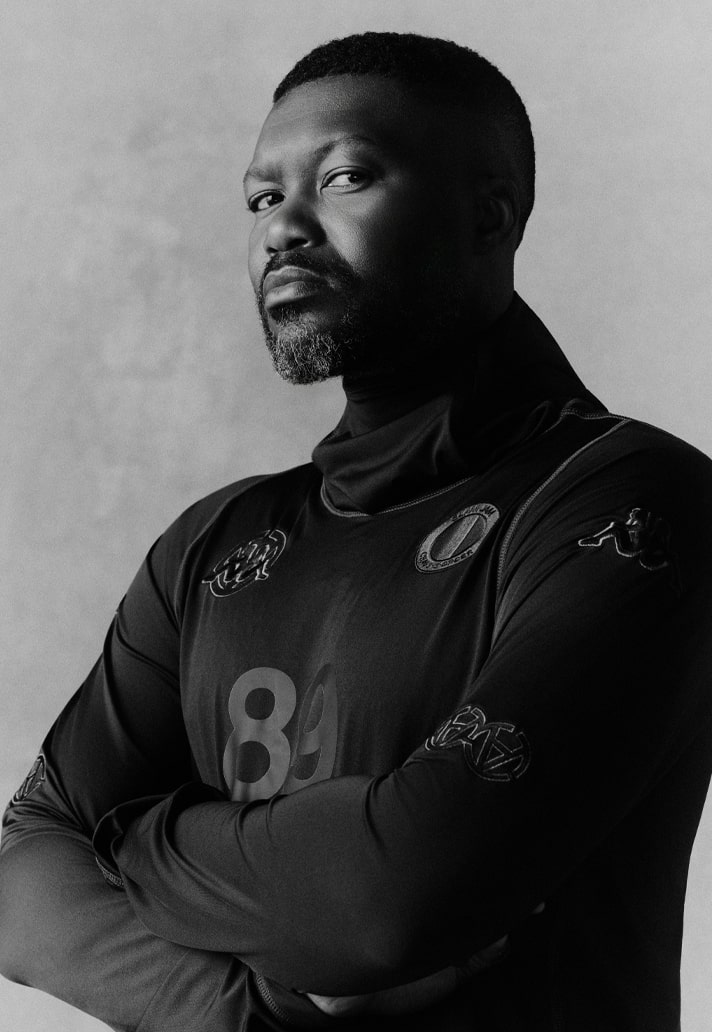
In a football world saturated with reissues and retro remakes, the Kombat XXV feels different. This isn’t nostalgia chasing clicks. It’s legacy, executed with restraint and precision. The same aerodynamic curves. The same whisper of rebellion. But this time, lighter on the planet and sharper in design.
Some shirts are worn, others are remembered. And the Kappa Kombat? It’s both — still stretching football’s imagination, 25 years on.
Shop the Kappa Kombat XXV collection at kappa.com