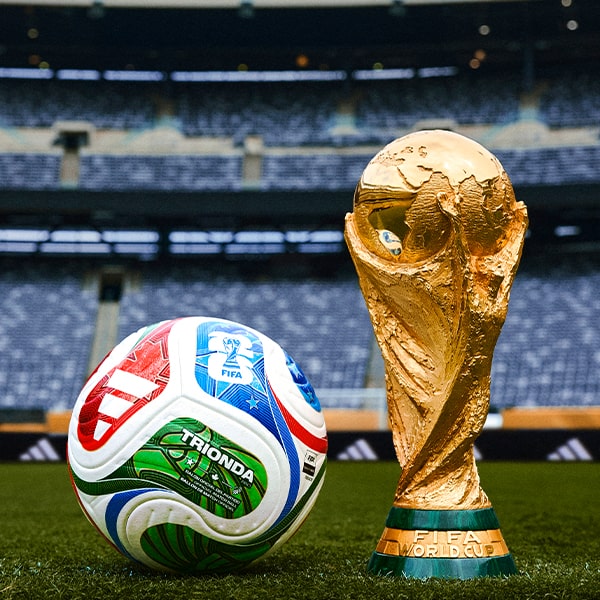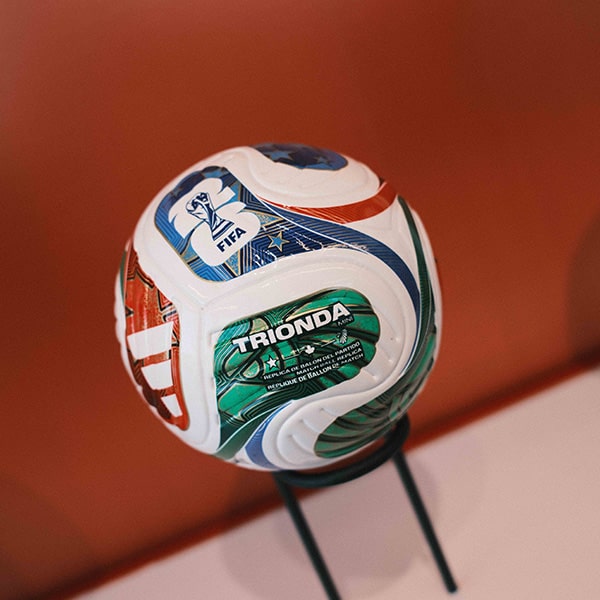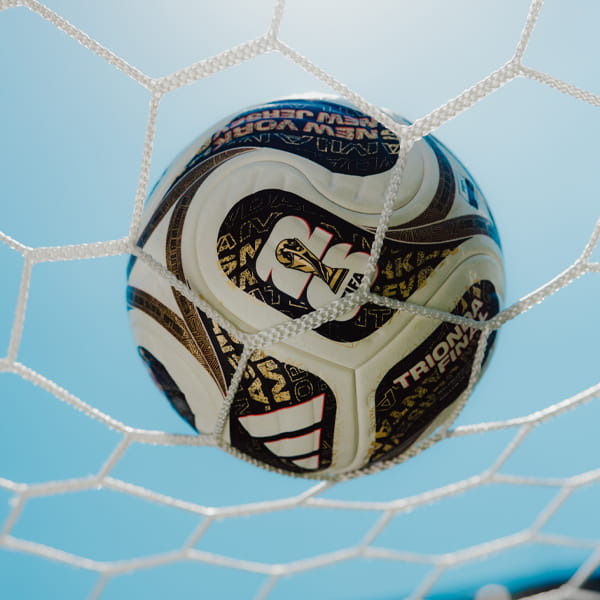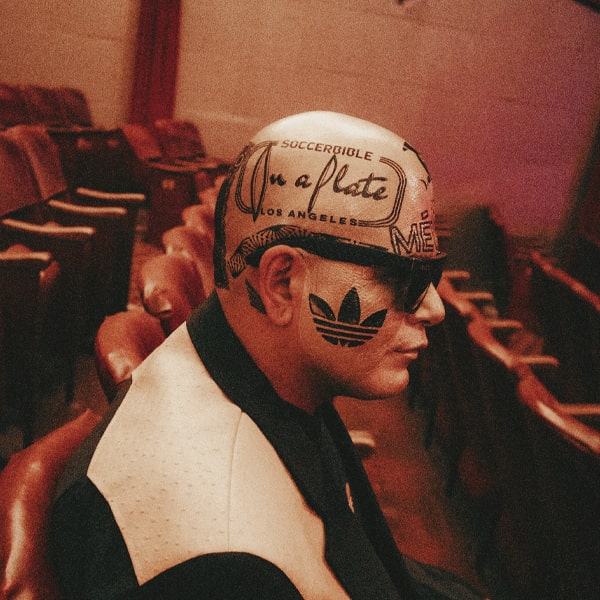
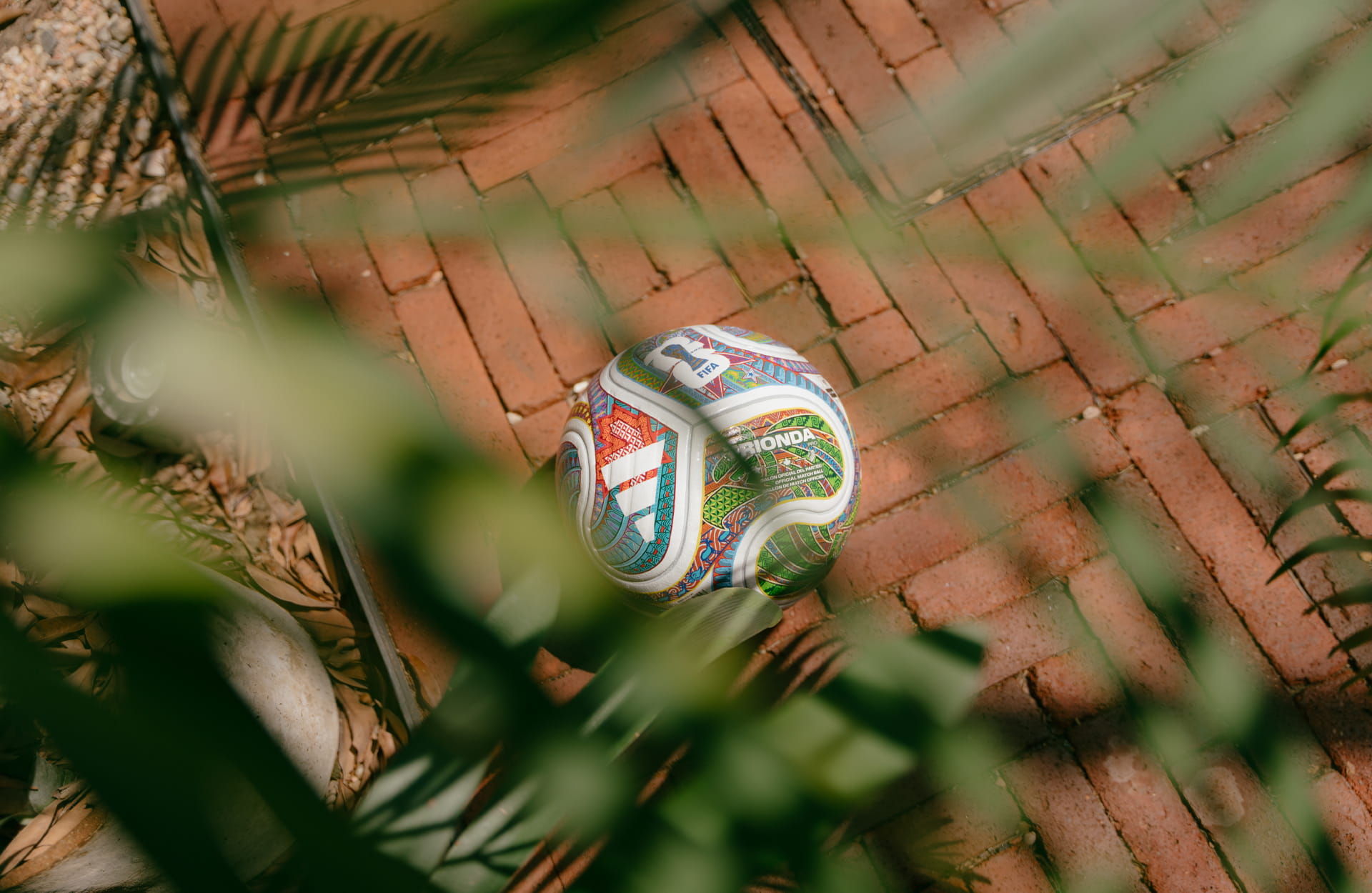
Before the adidas Trionda becomes the focal point of the world’s attention it was the focus of a very special project; one that turned it into a piece of art brimming with cultural resonance. This is Balón Trionda, an artistic intervention that transformed the ball into a unique, one-of-a-kind artwork that reimagines it as a symbol of community, tradition, and identity rather than just a sporting object.
Football does not begin in a stadium. It simply begins wherever there’s a football.
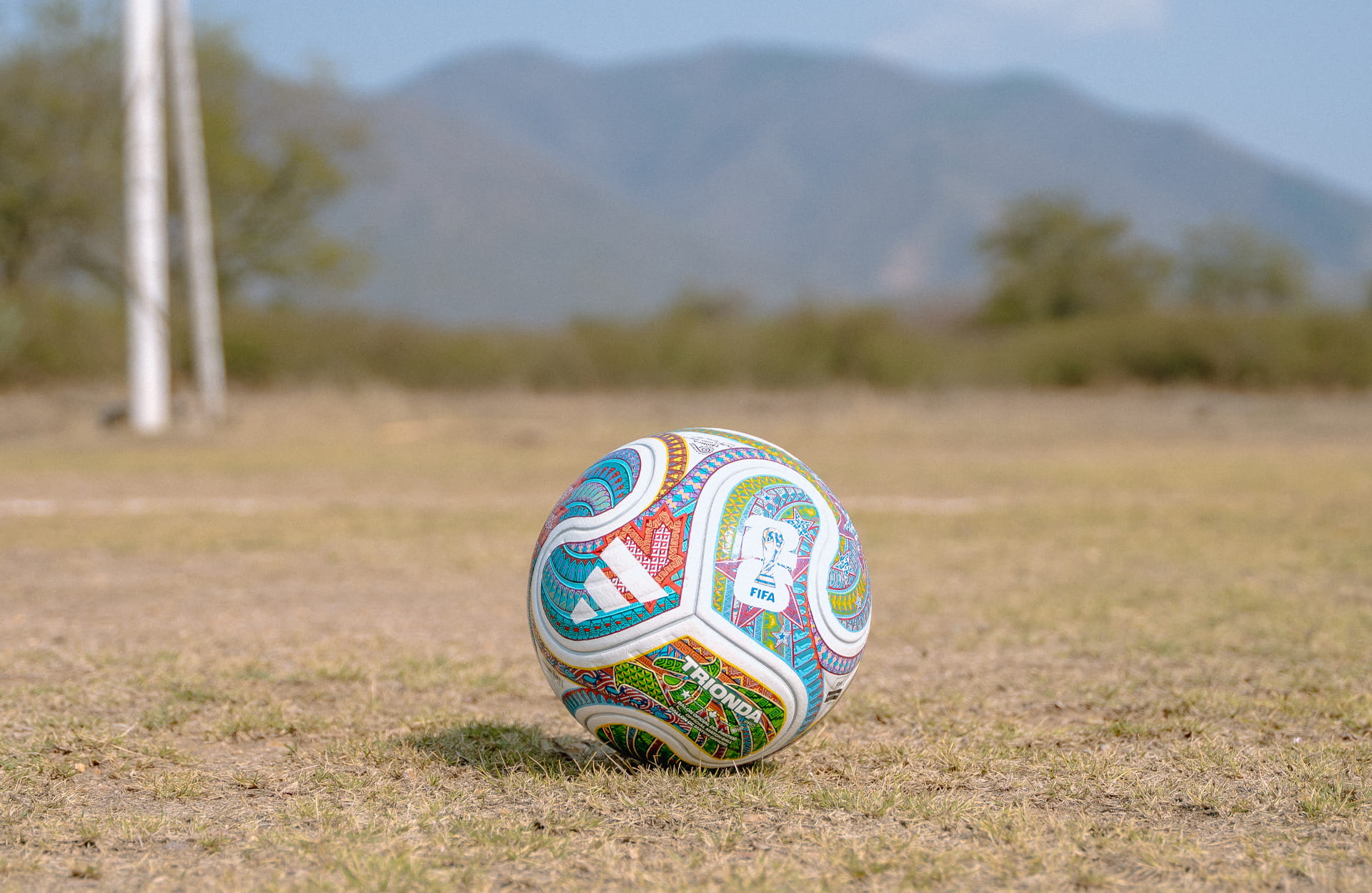
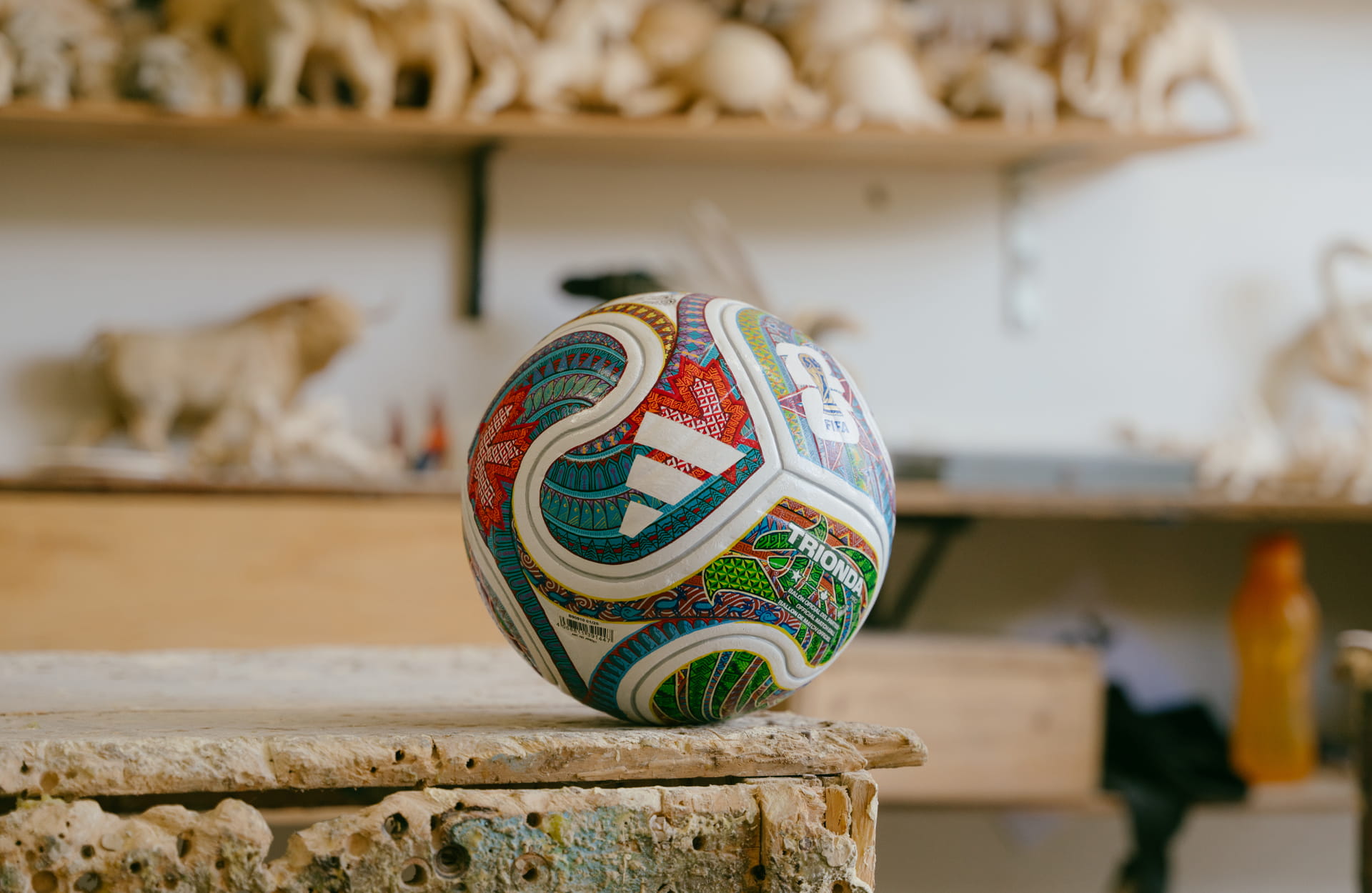
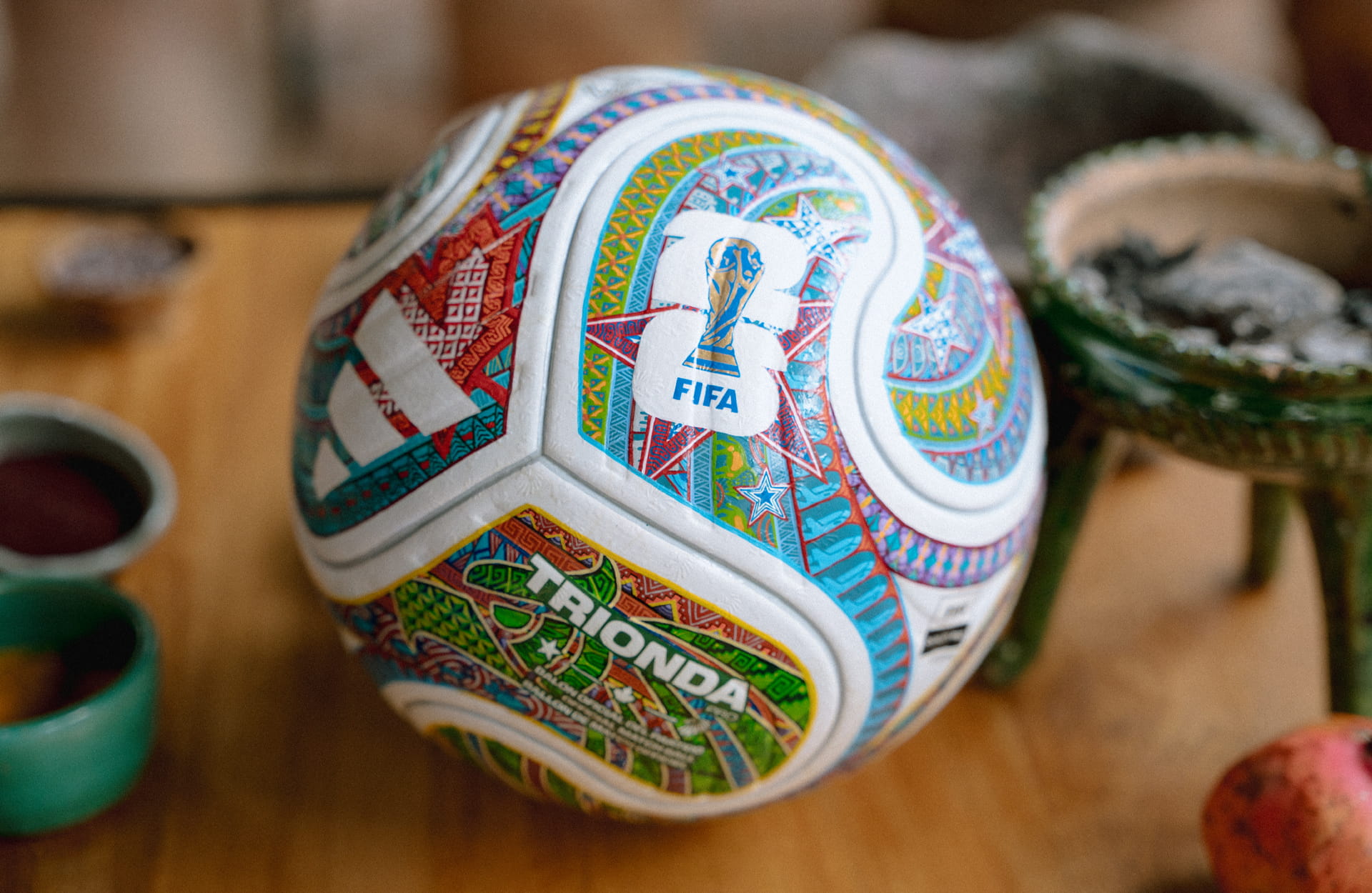
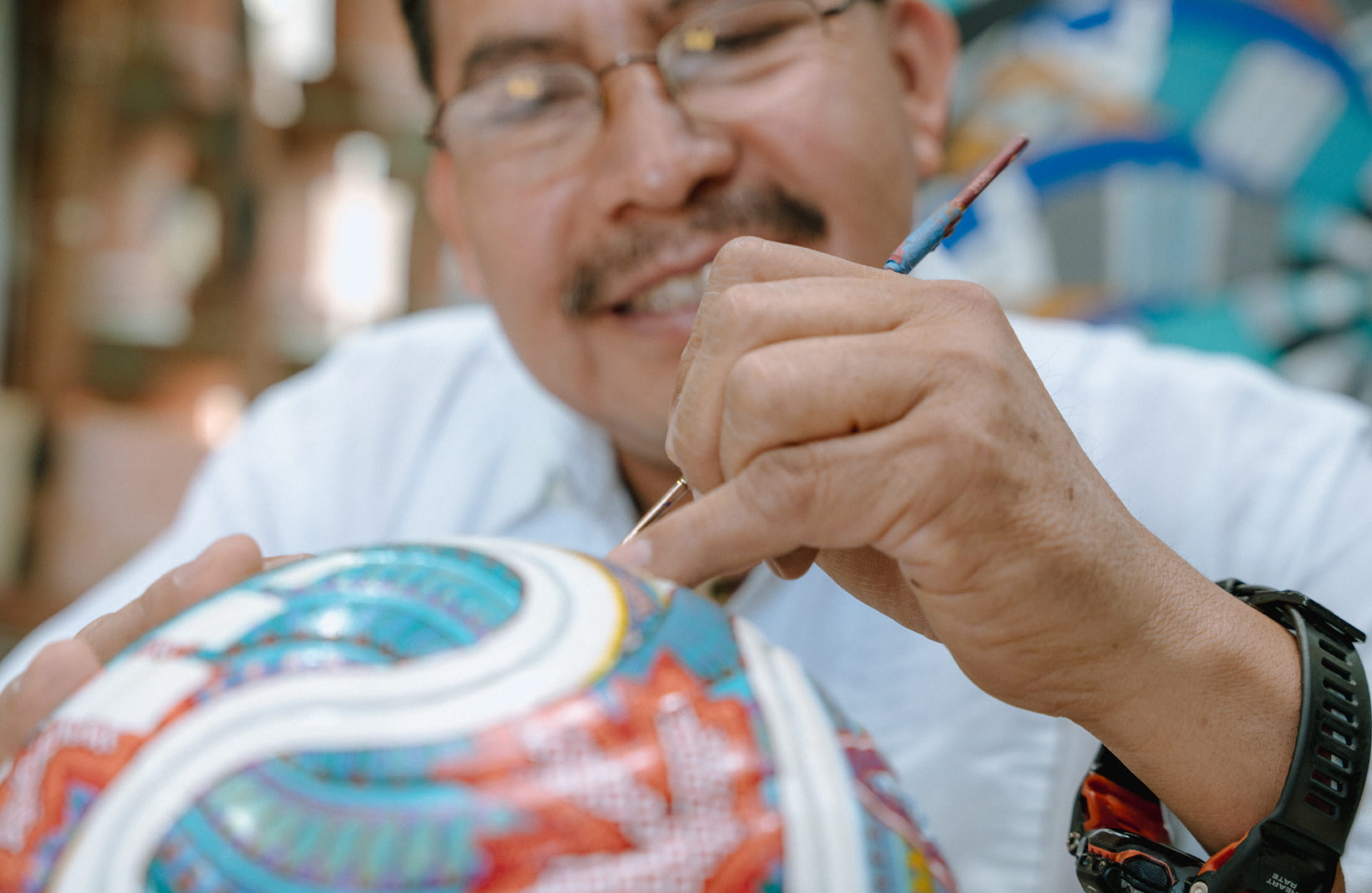
This is the quiet truth at the heart of Balón Trionda, a project that reimagines one of the most standardised objects in sport – the football – as something intimate, handmade, and rooted in place. Created in collaboration between creative director Marcelo Hernández and the renowned Oaxacan artisan workshop Taller Jacobo & María Ángeles, Balón Trionda is a one‑of‑one, hand‑painted intervention on the official 2026 FIFA World Cup ball. Over six months, the ball was transformed into a cultural object: a surface where tradition, identity, and football coexist.
The idea behind it is deceptively simple. Football doesn’t need infrastructure. It doesn’t need a pitch, a referee, or even two full teams. It needs a ball. And wherever that ball appears, something happens.
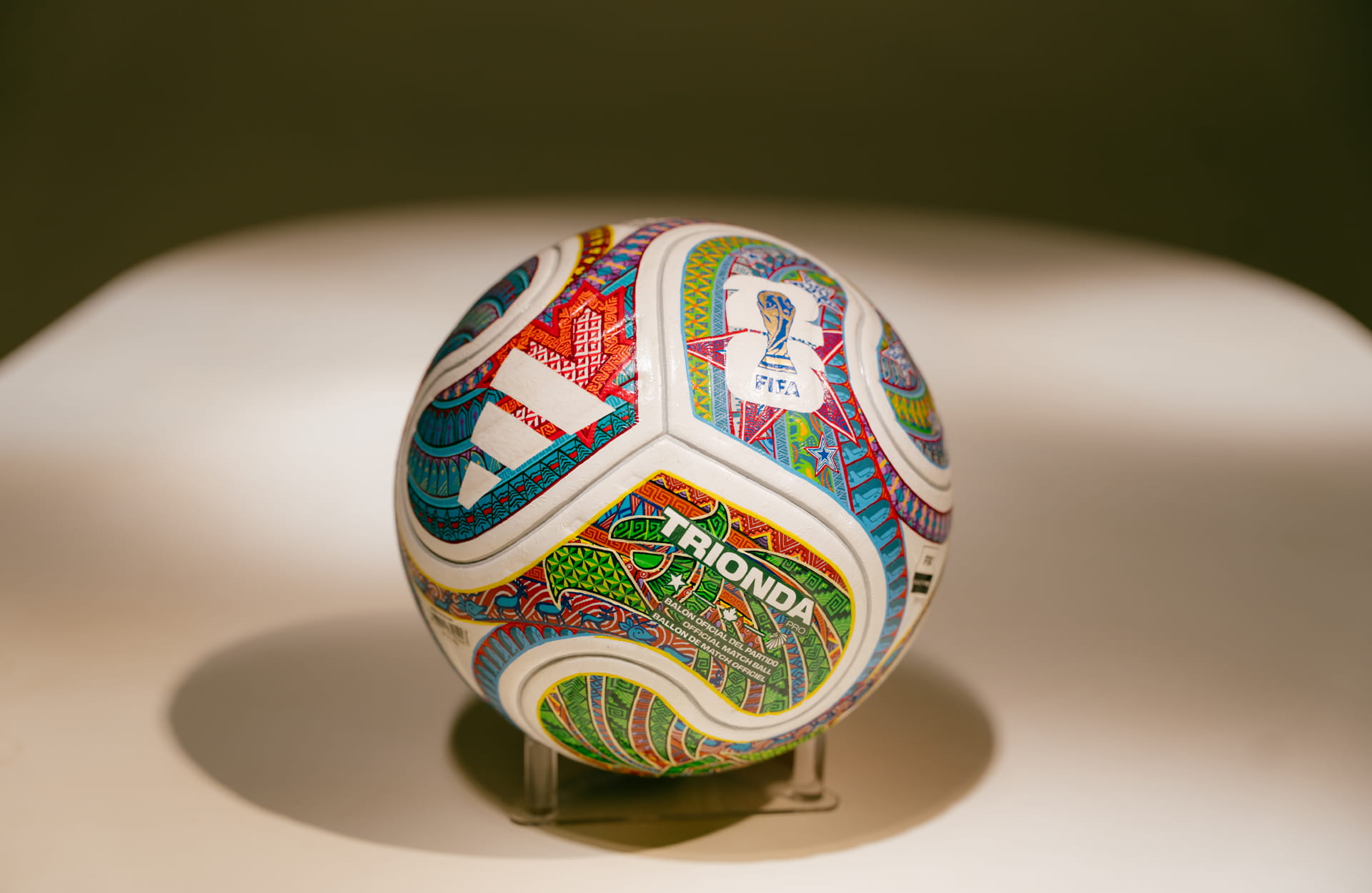
For Hernández, the understanding of the ball as more than equipment did not arrive suddenly. It was always there, embedded deep within cultural memory.
“In Mexico,” he explains, “the ball has carried meaning long before modern football. It appeared in rituals and ceremonies. It was almost sacred.”
Long before televised matches and official regulations, Mesoamerican ball games were cosmological acts – expressions of balance, competition, and communal life. While football as we know it today has European roots, the object itself already had symbolic weight in Mexico. That legacy never disappeared; it simply adapted.
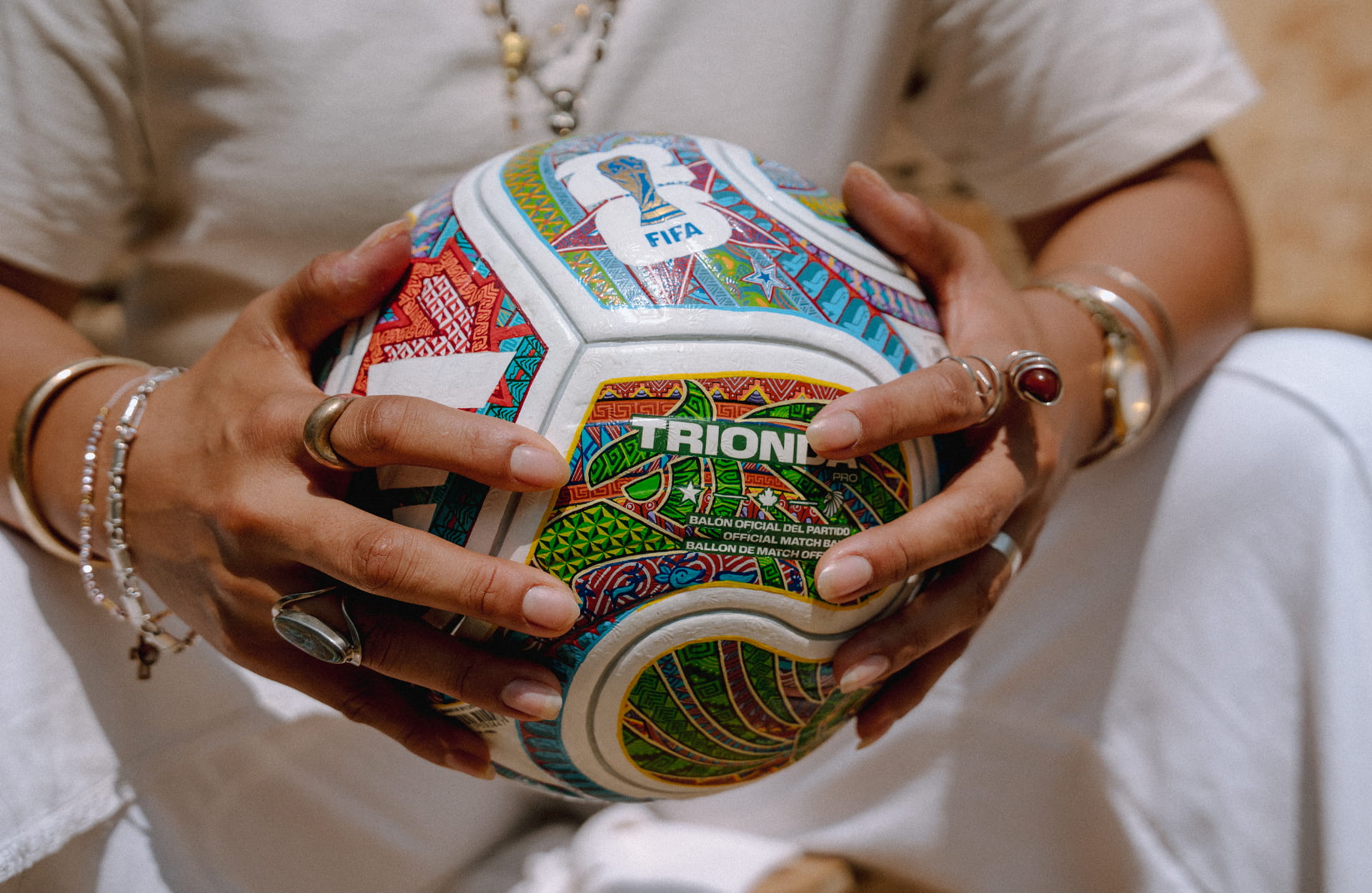
Hernández felt this most clearly once he began living outside his home country. Moving through different cities, languages, and social contexts, he noticed how the ball became a universal entry point.
“In those first days, without knowing anyone or speaking the same language, the ball was always the easiest way to start a conversation,” he says. “I saw the same thing happen in completely different places. That’s what makes it cultural – not what it is, but what it does.”
This idea – that culture is defined by interaction rather than form – became central to Balón Trionda. The ball is a trigger, not the destination. It gathers people around it and lets community take shape.
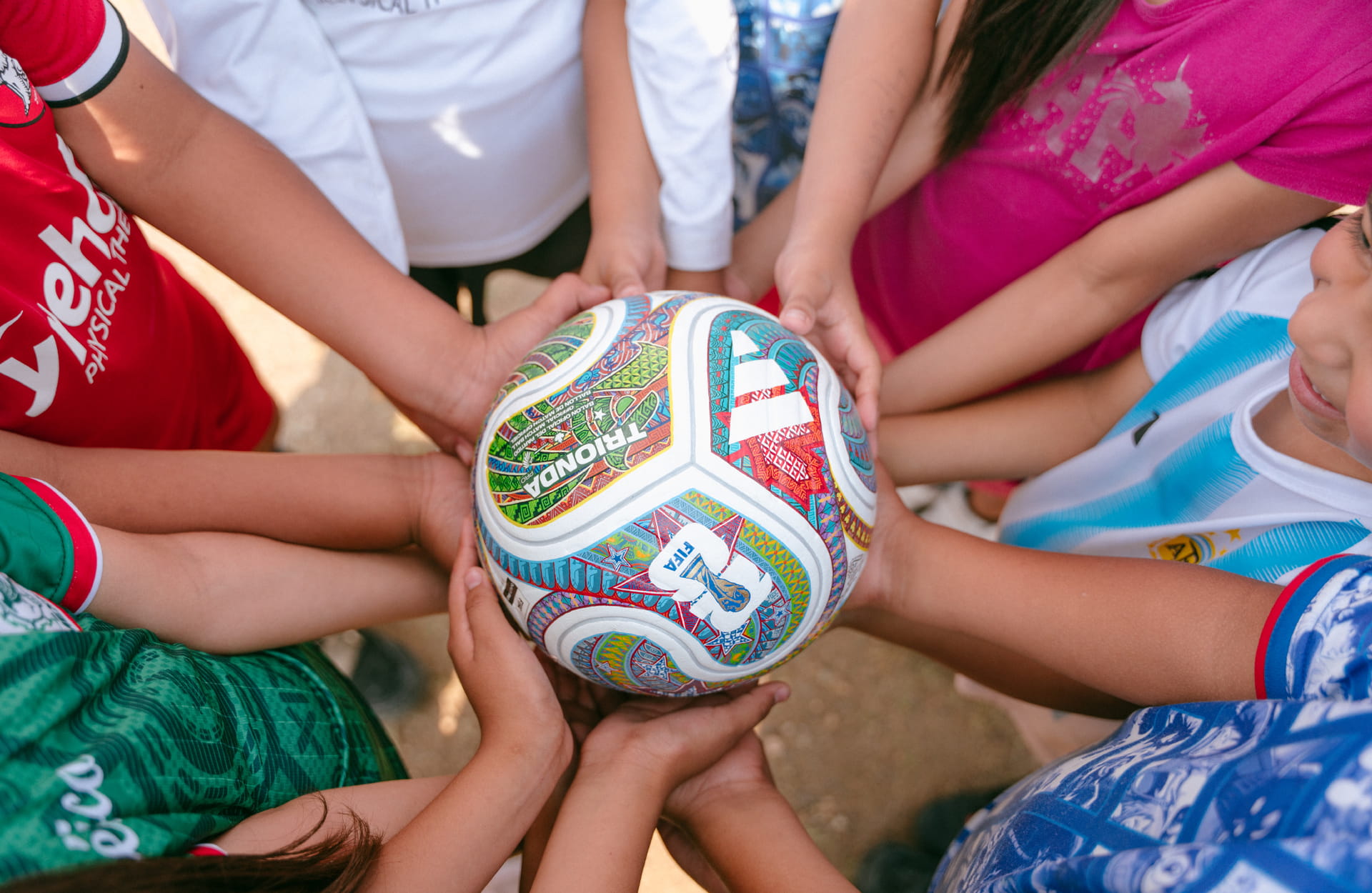
Football already has its own visual system. It lives in crests, kits, banners, and rituals. Every club, city, and supporter base speaks the game in its own regional dialect. Hernández had long worked within this space, drawn to how identity surfaces visually through the sport. But Balón Trionda demanded something deeper, something slower.
That is where Taller Jacobo & María Ángeles entered the project.
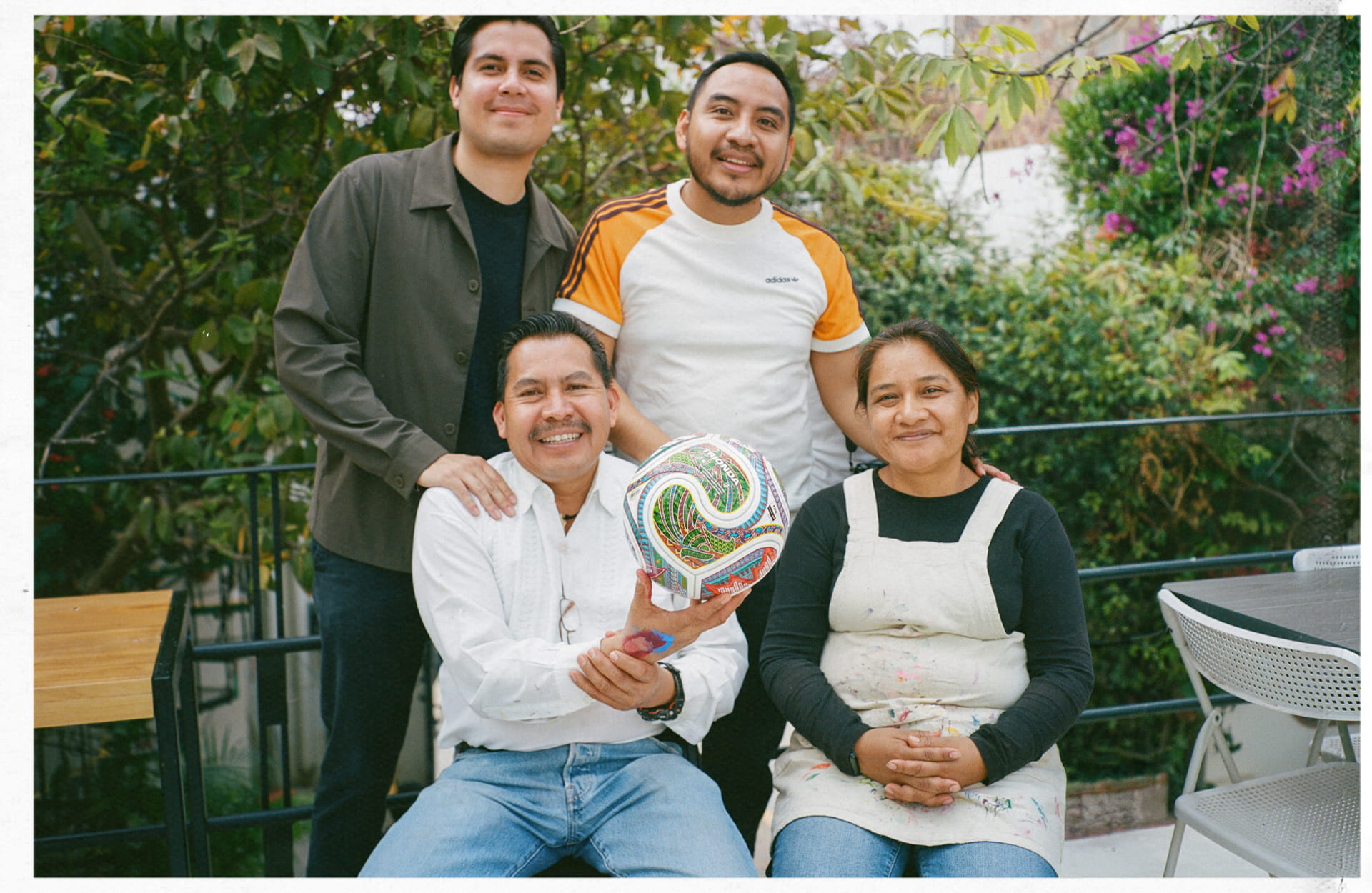
Hernandez alongside Jacobo, María and their son, Ricardo Ángeles
Based in San Martín Tilcajete, Oaxaca, the workshop is internationally recognised for its tonas and nahuales: intricately carved, hand-painted wooden figures rooted in Zapotec symbolism. Their work is not illustrative or decorative; it is a visual language passed down through generations, used to preserve stories, values, and connections to the natural and spiritual world.
Working with this ancestral system shifted the project fundamentally.
“What I learned through this process is the importance of intention,” Hernández says. “Nothing is placed randomly. Every symbol, every shape, every colour has a reason behind it. That justification is what gives the work real depth.”
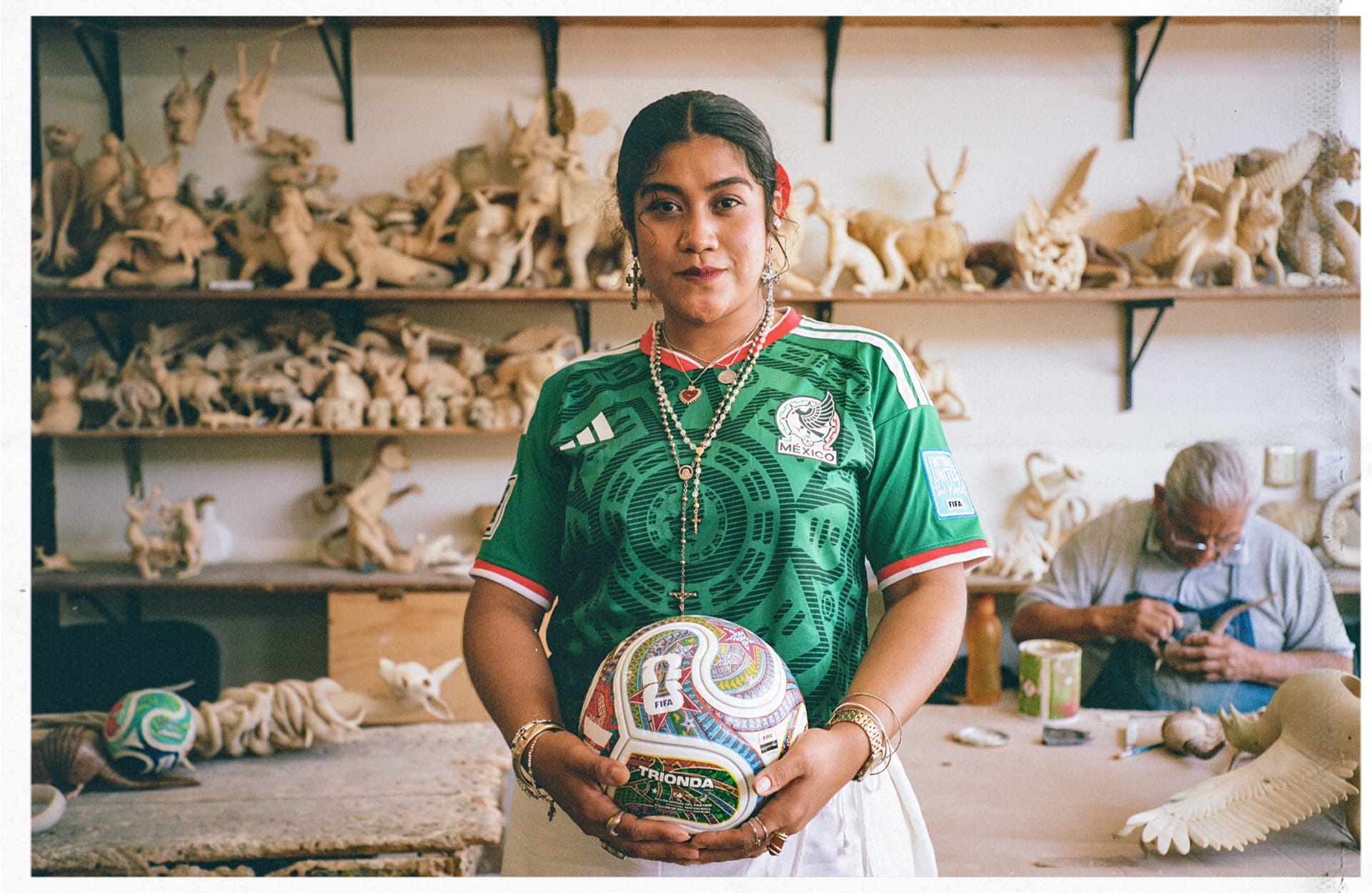
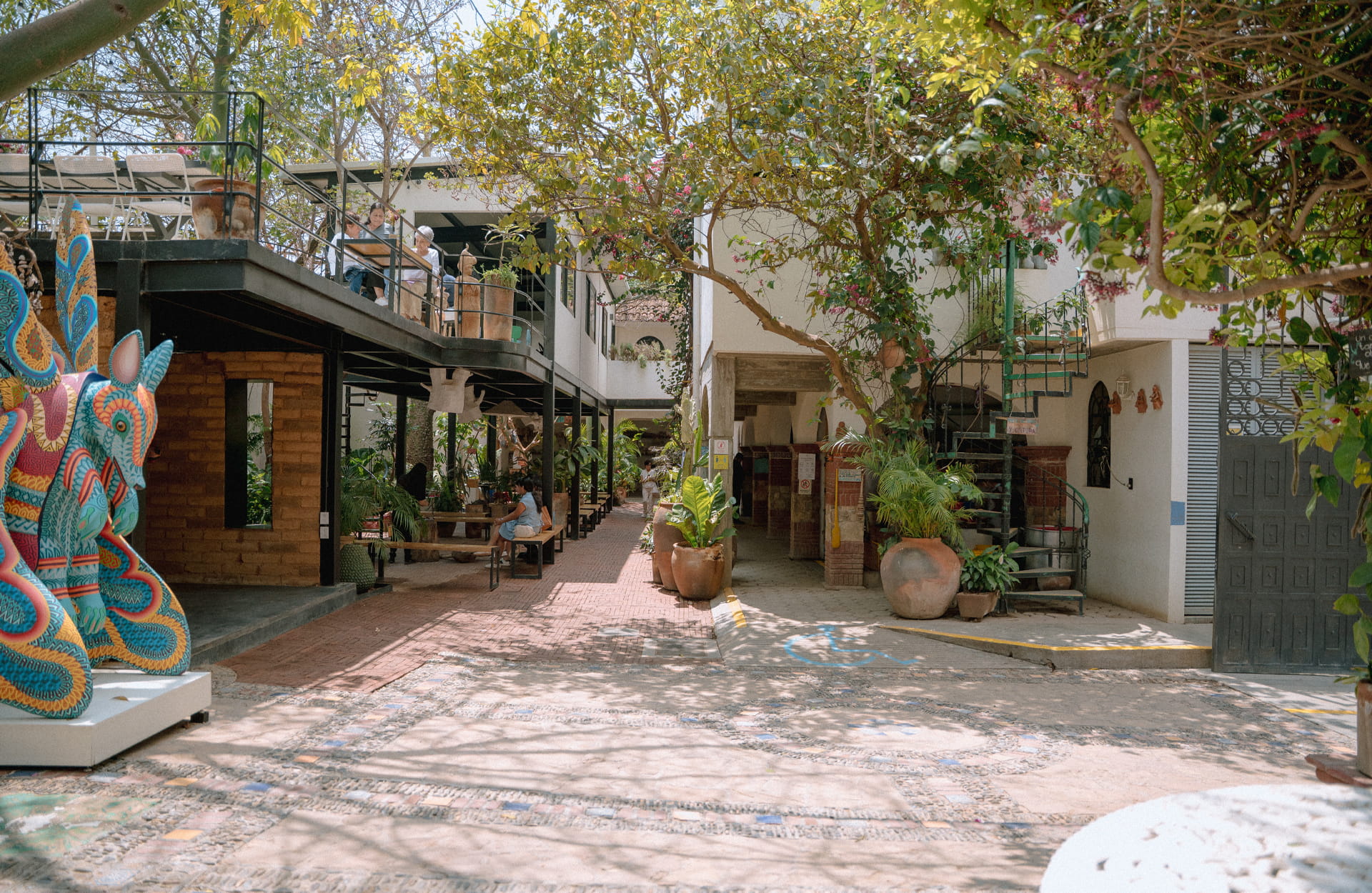
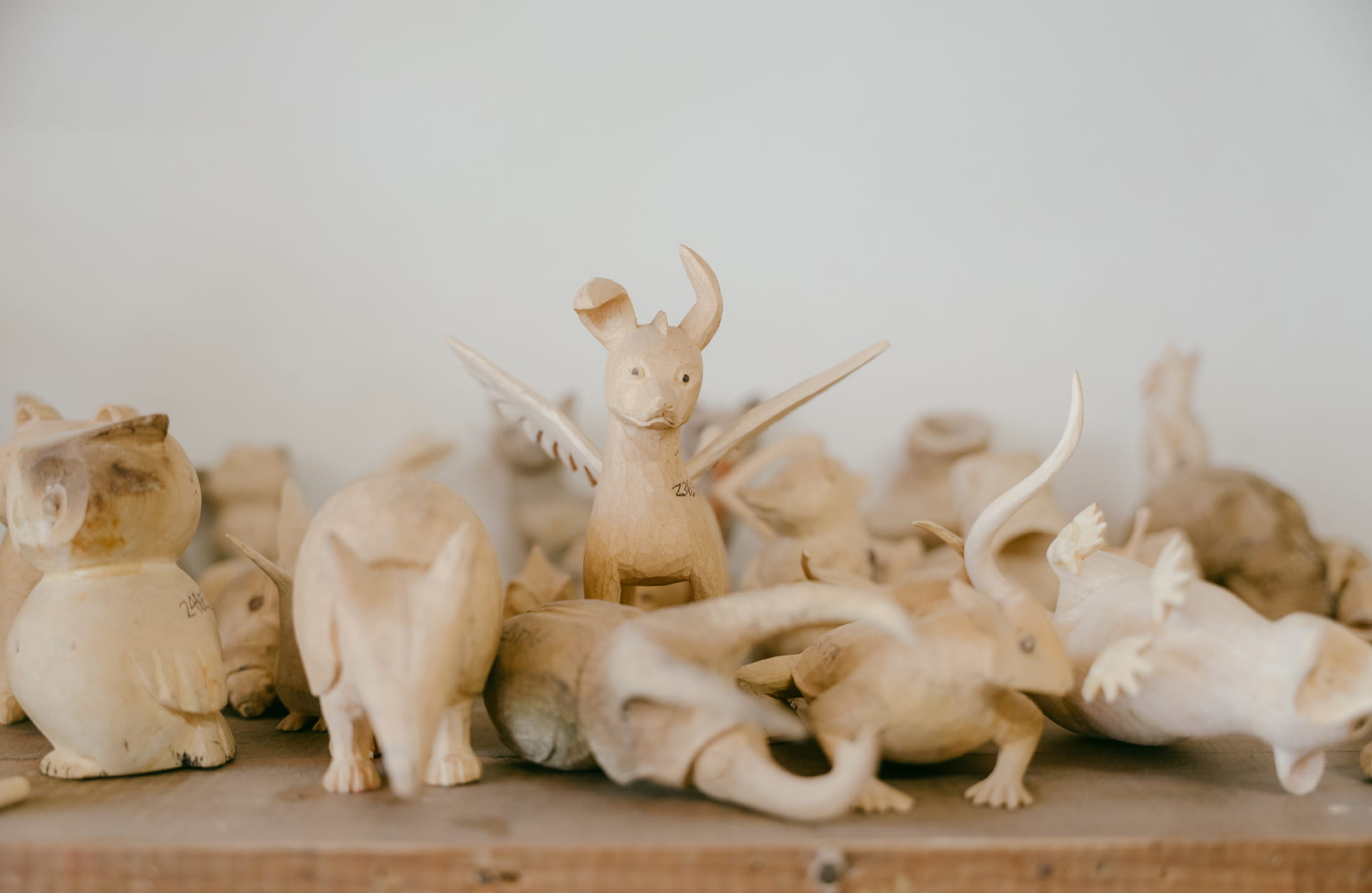
Instead of asking how the ball should look, the team began asking what each surface should mean. The ball’s panels became individual canvases, layered with symbols that carry cultural context rather than aesthetic trends. The goal was not design for impact, but design with responsibility.
“Nothing is just decorative,” Hernández explains. “Everything has a purpose.”
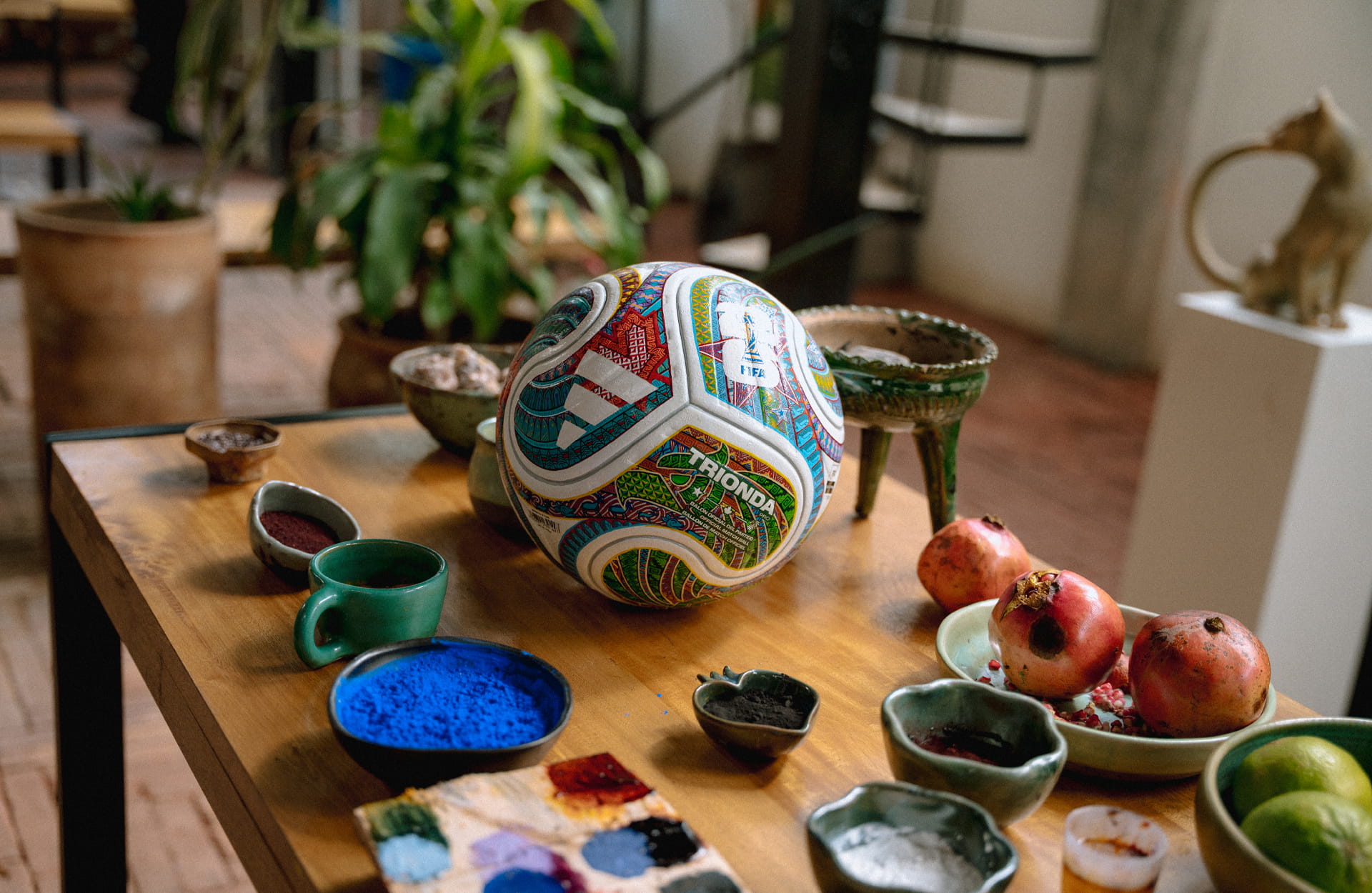
Few objects in sport are as globally uniform as a World Cup ball. Designed for performance, mass visibility, and technological precision, it represents football at the pinnacle of performance. This project deliberately interrupts that narrative.
By turning the ball into a one‑of‑one, handmade object rooted in a specific community, the project asks a critical question: how much room is there for local identity within a global game?
“Football has always been universal,” Hernández notes. “But within that language, there are accents.”
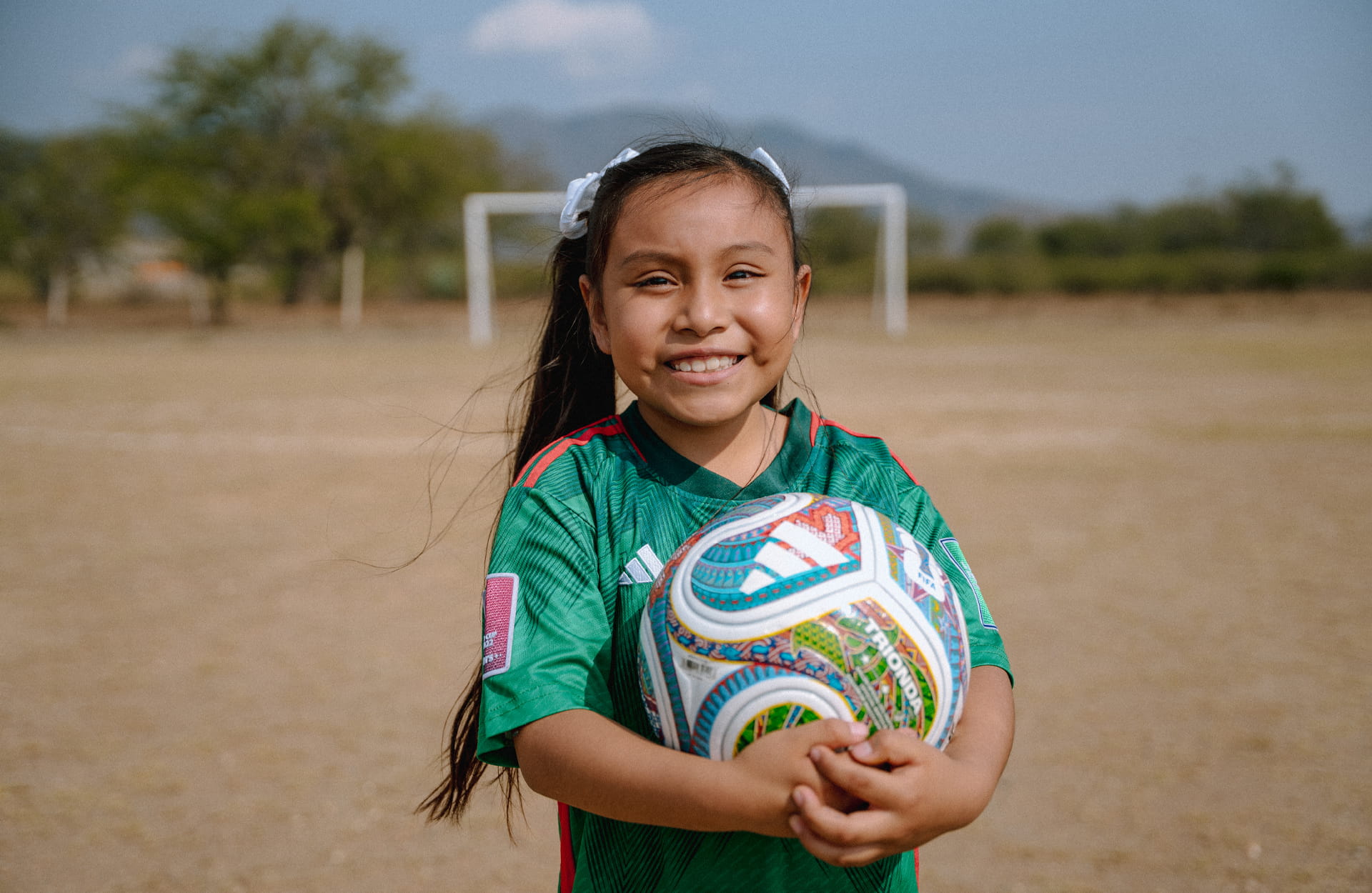
Those accents appear everywhere – in hairstyles, boots, celebrations, kits. Even under heavy commercial layers, football has never lost its cultural diversity. Balón Trionda surfaces that diversity at the source of the game itself.
“Intervening the ball is a way of bringing that back,” he says. “To show that even the most global object in the game can still carry something deeply personal.”
The result is not a rejection of the World Cup’s global significance, but a reminder of what makes it meaningful in the first place. The tournament exists because football lives everywhere.
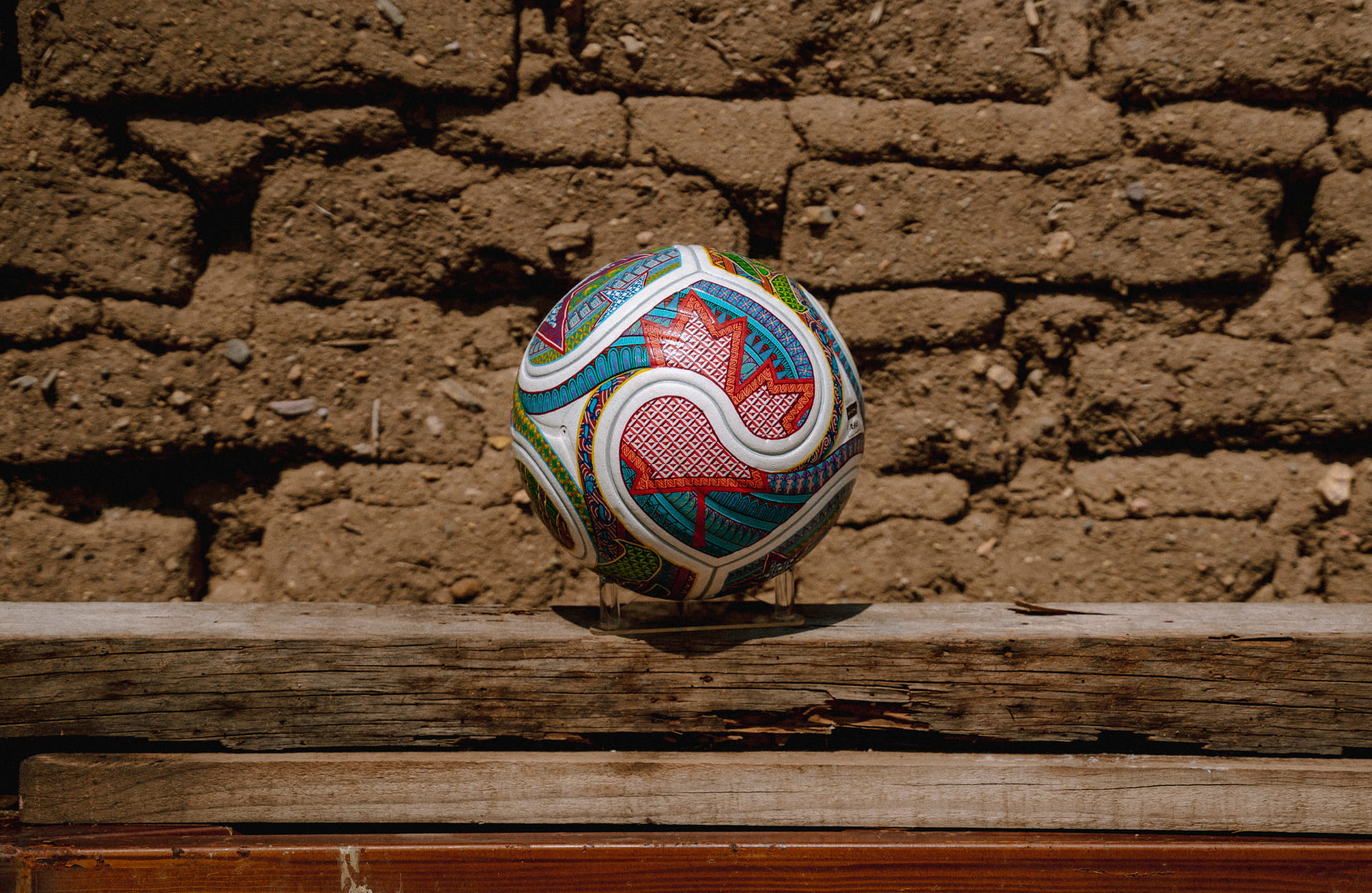
Each panel of the ball tells part of a narrative connected to the 2026 World Cup’s three host nations: Mexico, the United States, and Canada. The challenge was not whether these identities could be represented, but how they could be translated without collapsing into cliché.
The process began with what is immediately recognisable: cities, landmarks, cultural references. From there, the team filtered those elements through Zapotec symbolism, using an ancestral framework to reinterpret modern national identity.
Mexico’s visual language emerged naturally, deeply tied to heritage and tradition. Canada’s panels draw on nature and landscape. The United States reflects ideas of progress, technology, and development. Shared symbols cross borders, representing movement, connection, and coexistence.
“Not everything could be translated directly,” Hernández explains. “And that’s important. This wasn’t about creating a literal map. It was about expressing identity through culture.”
Each panel stands alone, but together they form a complete system, one that acknowledges difference without fragmenting the whole. In this sense, the ball mirrors the World Cup itself: separate histories converging for a moment in time.
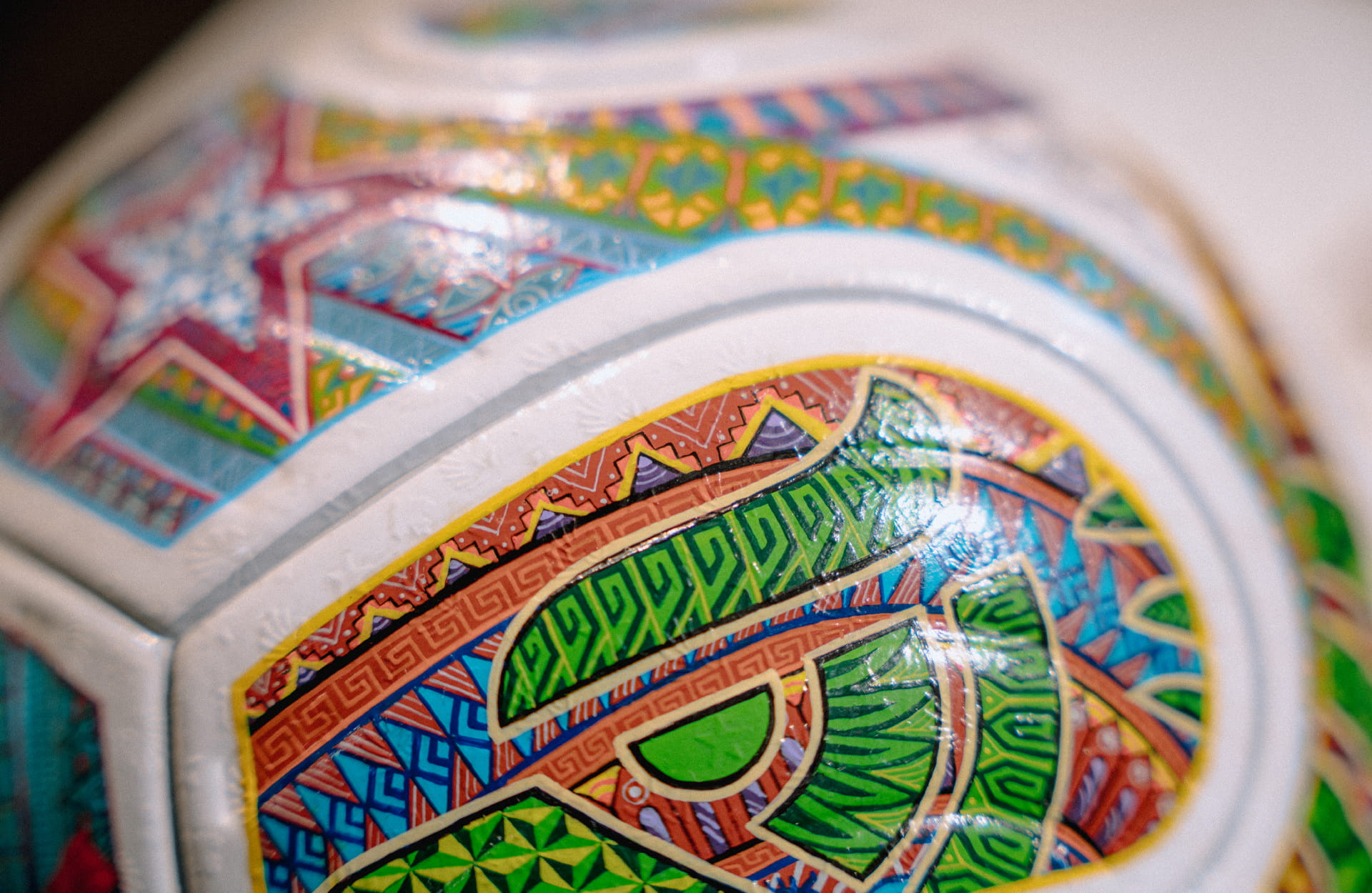
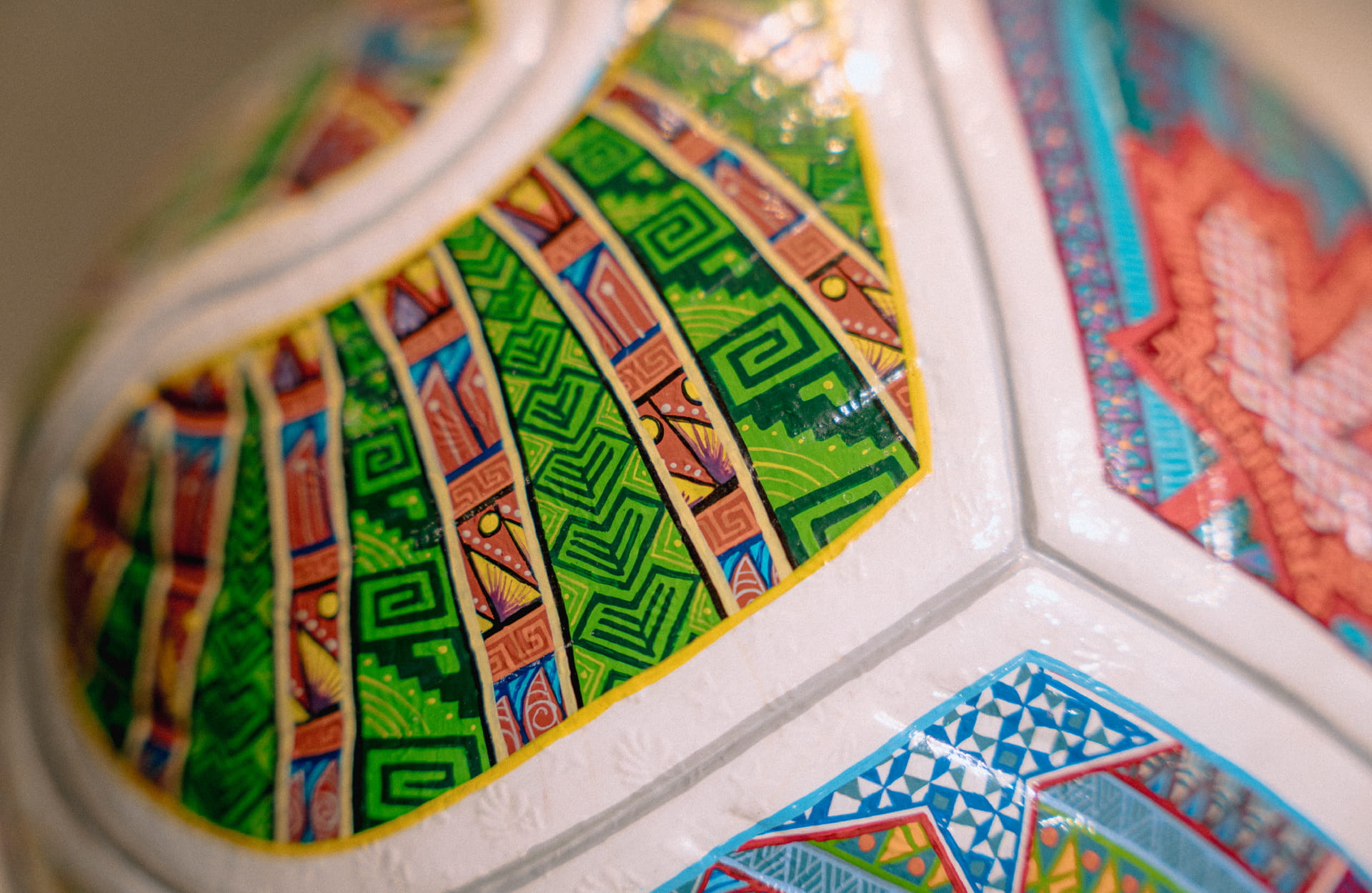
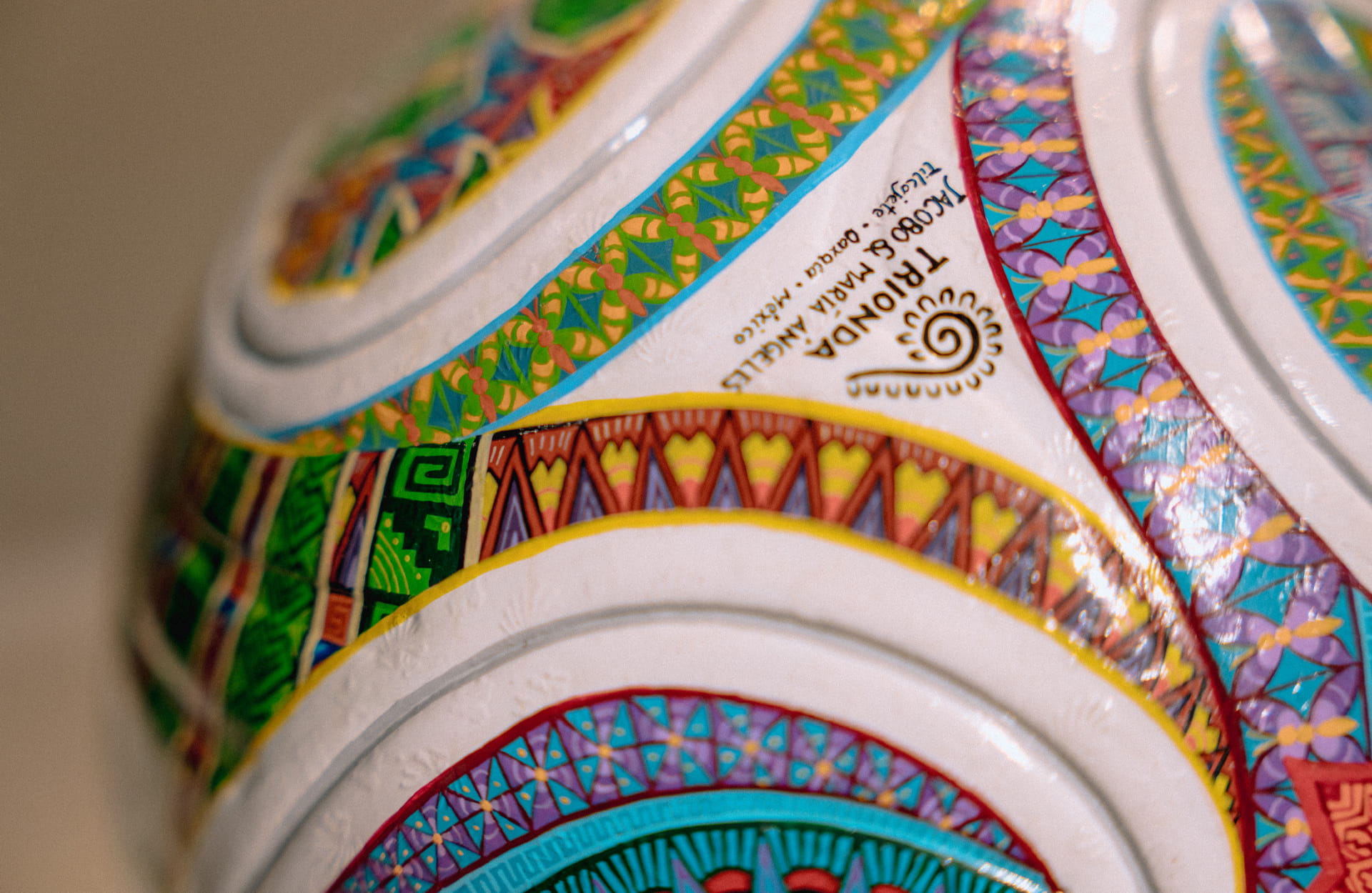
One of Balón Trionda’s most powerful ideas is the parallel it draws between artisanal craft and football culture. On the surface, the two seem unrelated. One happens in the hands, the other with the feet. One belongs to a workshop, the other to a pitch.
But inside San Martín Tilcajete, the similarities are obvious.
Both craft and football are learned slowly. Both depend on repetition, discipline, and patience. And both are passed down, from parent to child, master to apprentice, generation to generation.
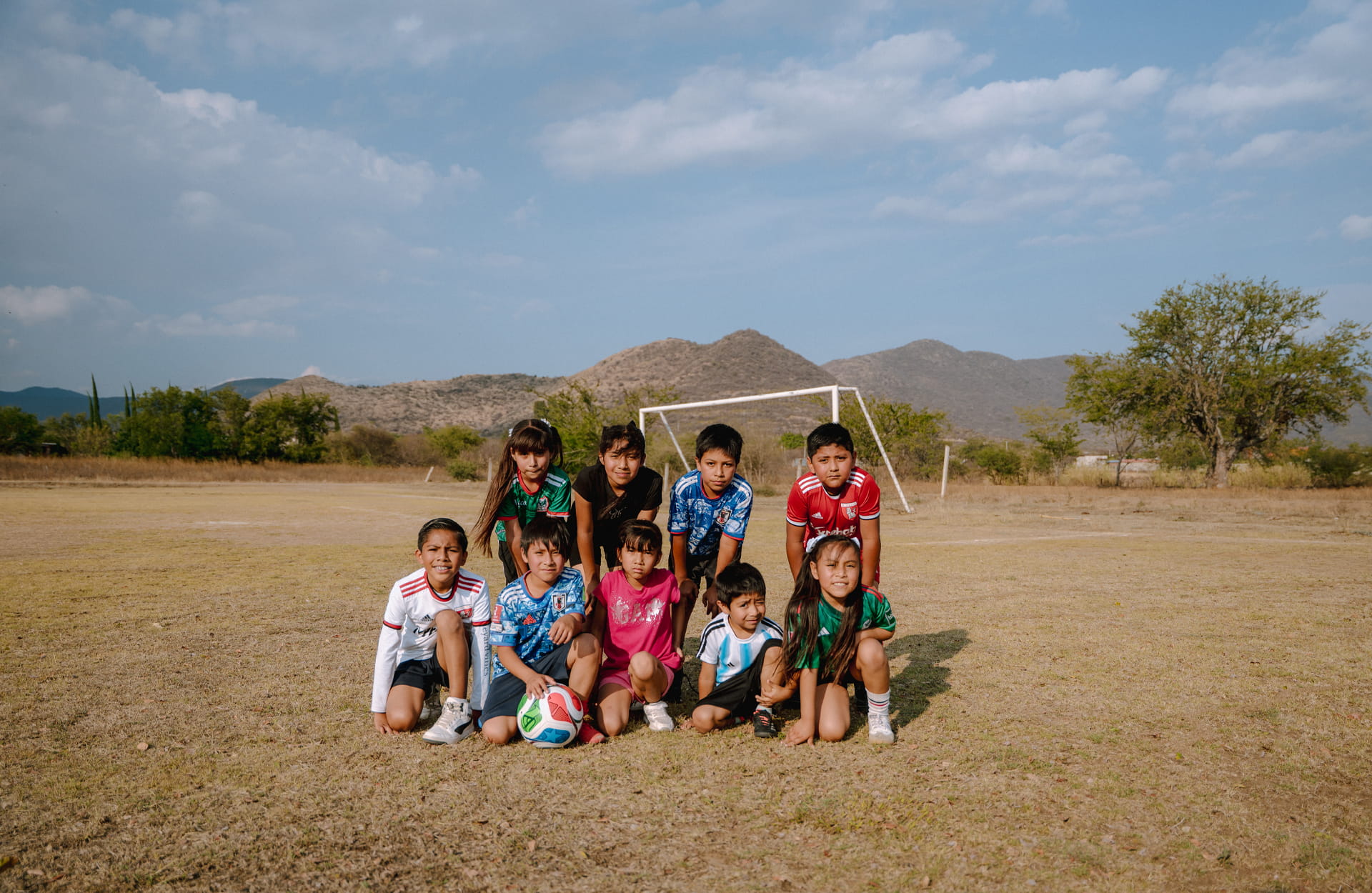
“The ball became the place where those two worlds could meet,” Hernández says.
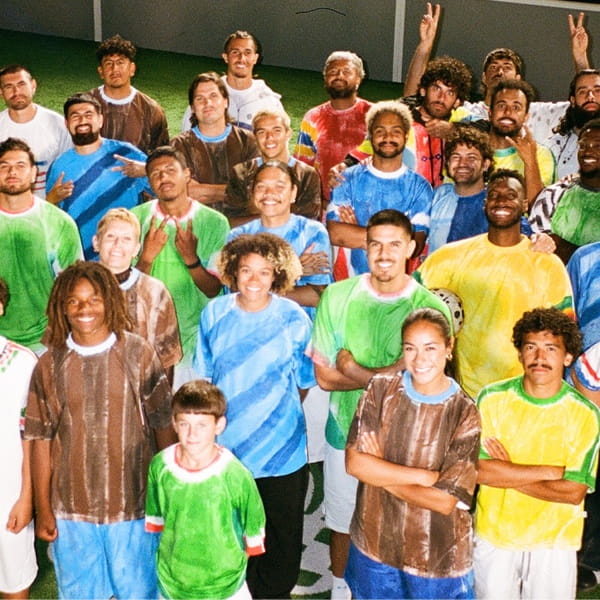
That idea was tested in practice, not theory. During the project, the team organised a small pickup game with local kids, many of whom had parents working at the workshop. The children immediately recognised the symbols on the ball. They spoke about football the same way their parents spoke about craft, through family stories, shared watching, inherited loyalty.
“That’s how they first connect with football,” Hernández recalls. “Through their parents. Just like tradition.”
The connection didn’t need explaining. It already existed.
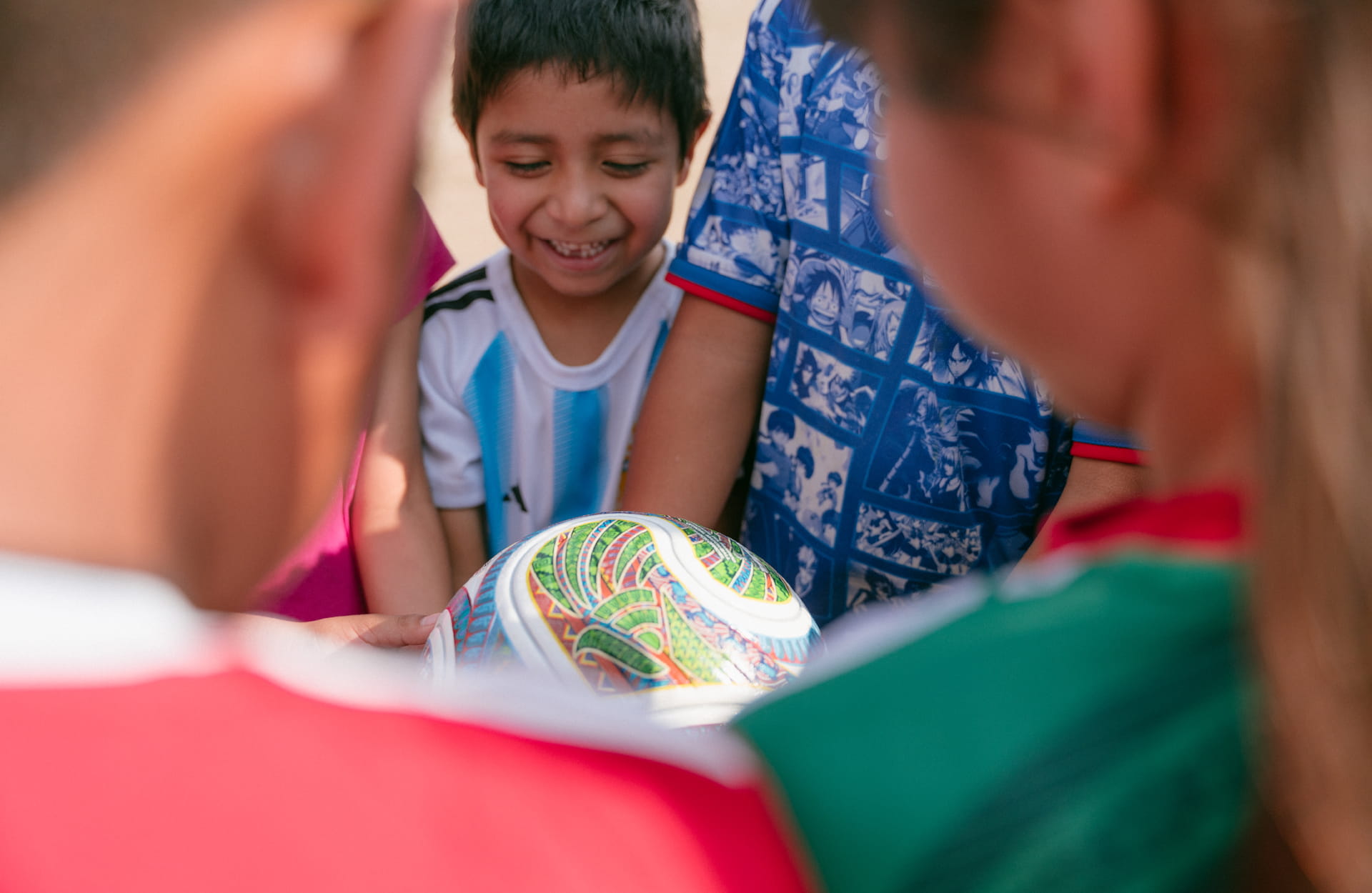
To understand the Balón Trionda project fully, you have to understand San Martín Tilcajete.
Football here does not follow institutional pathways. It is not measured through academies, schedules, or data. It happens organically. Someone brings a ball. Others gather. Everything follows from there.
The pitch itself is maintained by the community. Not by contract, but by shared responsibility. People arrive early and stay late. Games are punctuated by conversation, food, laughter, and gossip. Performance matters, but participation matters more.
“The game adapts to whoever is there,” Hernández explains. “No one hesitates to join.”
There is freedom to improvise, express, and create. Technique exists, but it is never separated from joy. The result is a football culture that feels alive – fluid, inclusive, and deeply human.
And, as Hernández notes with a smile, it always comes with stories. Everyone, it seems, was almost the next Hugo Sánchez…until an injury intervened.
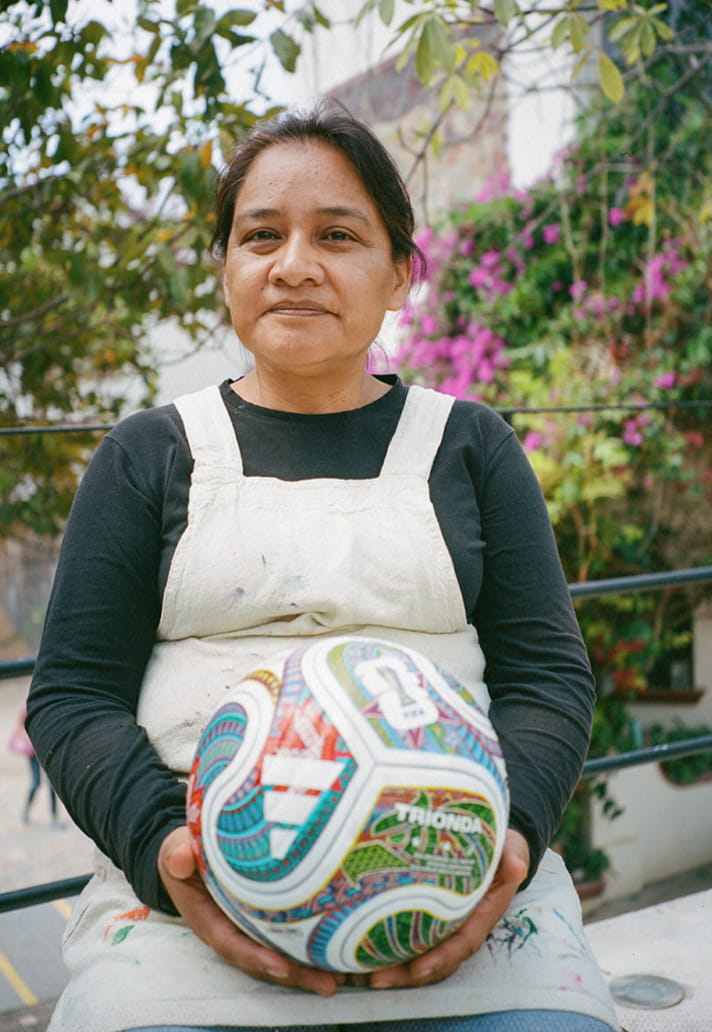
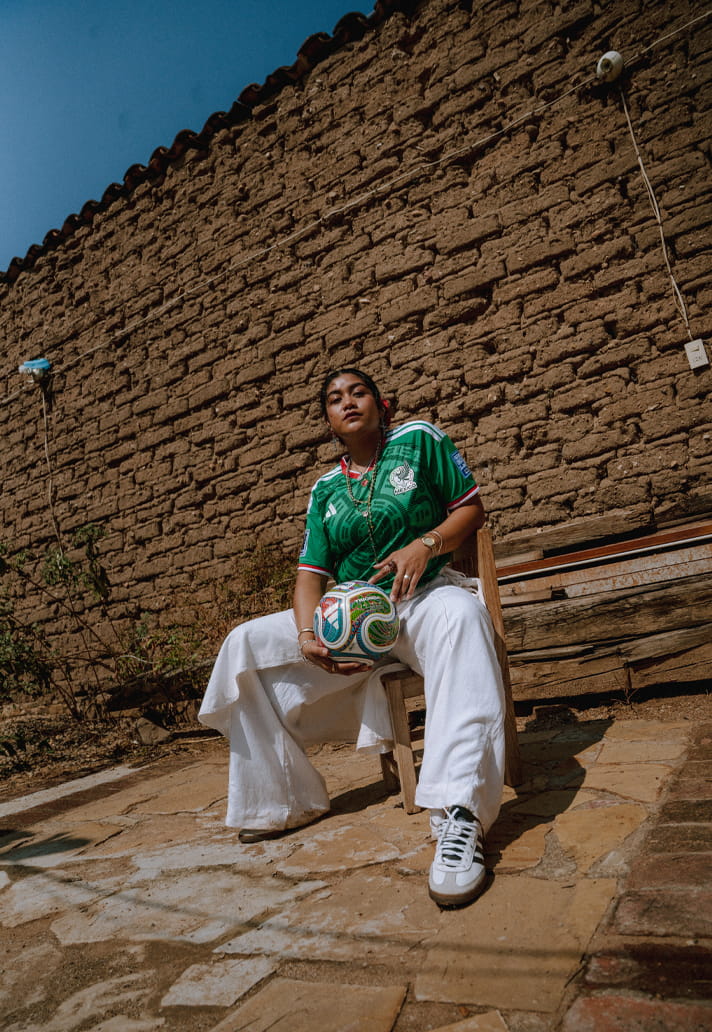
In a football industry increasingly driven by speed – rapid drops, short attention cycles, constant novelty – Balón Trionda insisted on something else: time. The ball took six months to complete.
For Ricardo Ángeles, the lead artist at the workshop, patience was not a constraint but a shared understanding. Football supporters know how to wait. They stay with teams through losing seasons and long rebuilds. They commit to processes they cannot control.
“That same patience applies to the craft,” Hernández reflects. “There are no shortcuts.”
The six months became part of the meaning. The process was not separate from the result; it was the result. Like training for improvement, the repetition and discipline embedded value into the object itself.
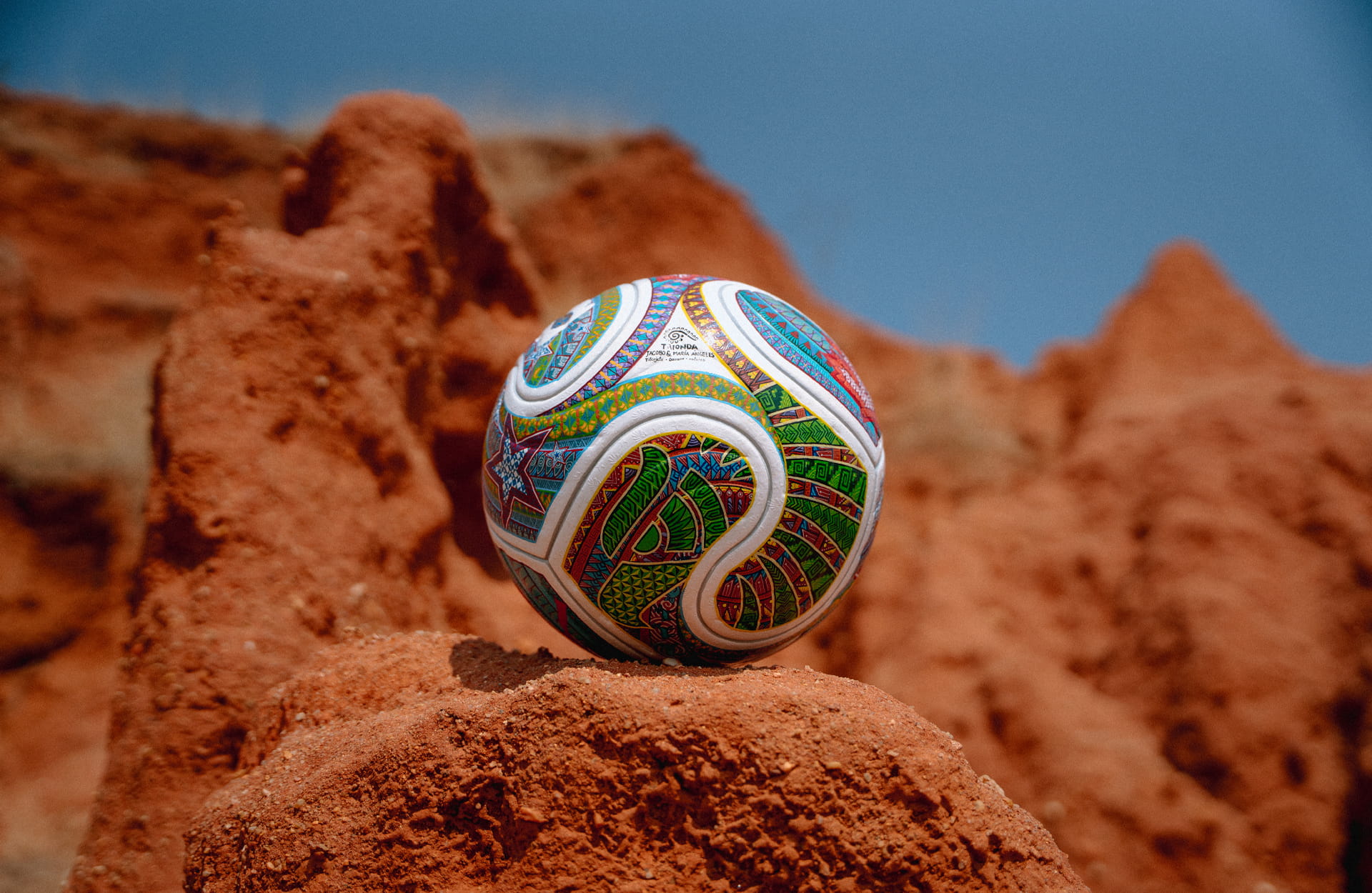
As the 2026 World Cup approaches, Balón Trionda opens wider conversations, not just about representation, but about access.
“There is talent everywhere,” Hernández says. “But not all of it reaches the same platforms.”
What has changed is visibility. Screens, networks, and digital spaces now allow stories to surface that were always present but rarely amplified. Balón Trionda does not attempt to relocate football – it remains where it has always lived, in communities – but it does suggest new ways those stories can travel.
Football and art, Hernández argues, are closer than we admit. Both demand resilience. Both require sustained commitment. Both are shaped by context as much as by individual talent.
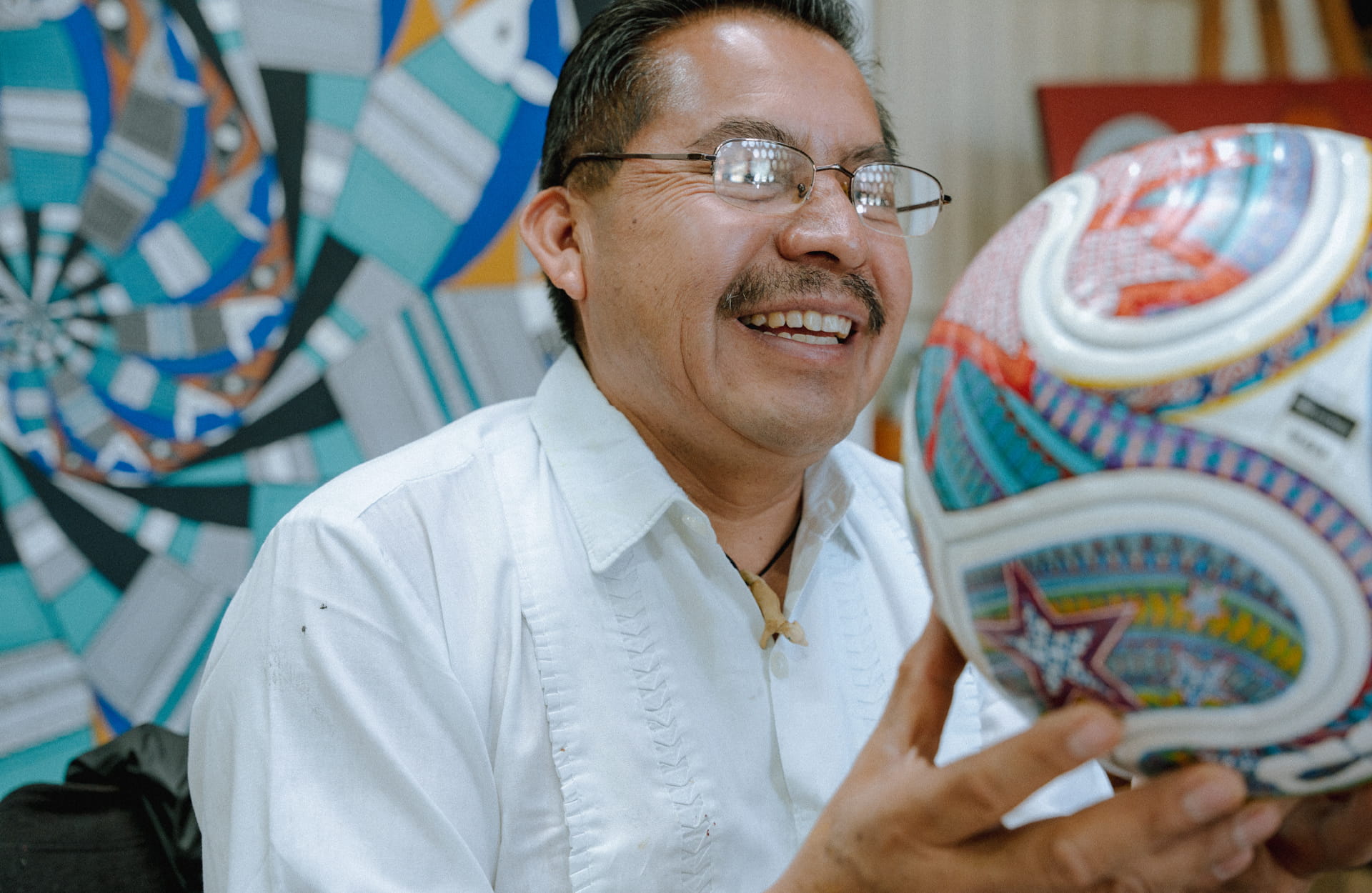
For Hernández, seeing the finished ball brings a sense of purpose and closure.
“It feels like a milestone,” he says. “A reflection of a path shaped by curiosity.”
Originally trained as an architect, Hernández followed football through passion rather than profession. Over time, that curiosity led him into the creative side of the game, toward questions of identity, representation, and expression.
Balón Trionda gathers those threads into a single object. A ball that carries memory, labour, and belief. A ball that insists football is not owned by institutions, but lived by people.
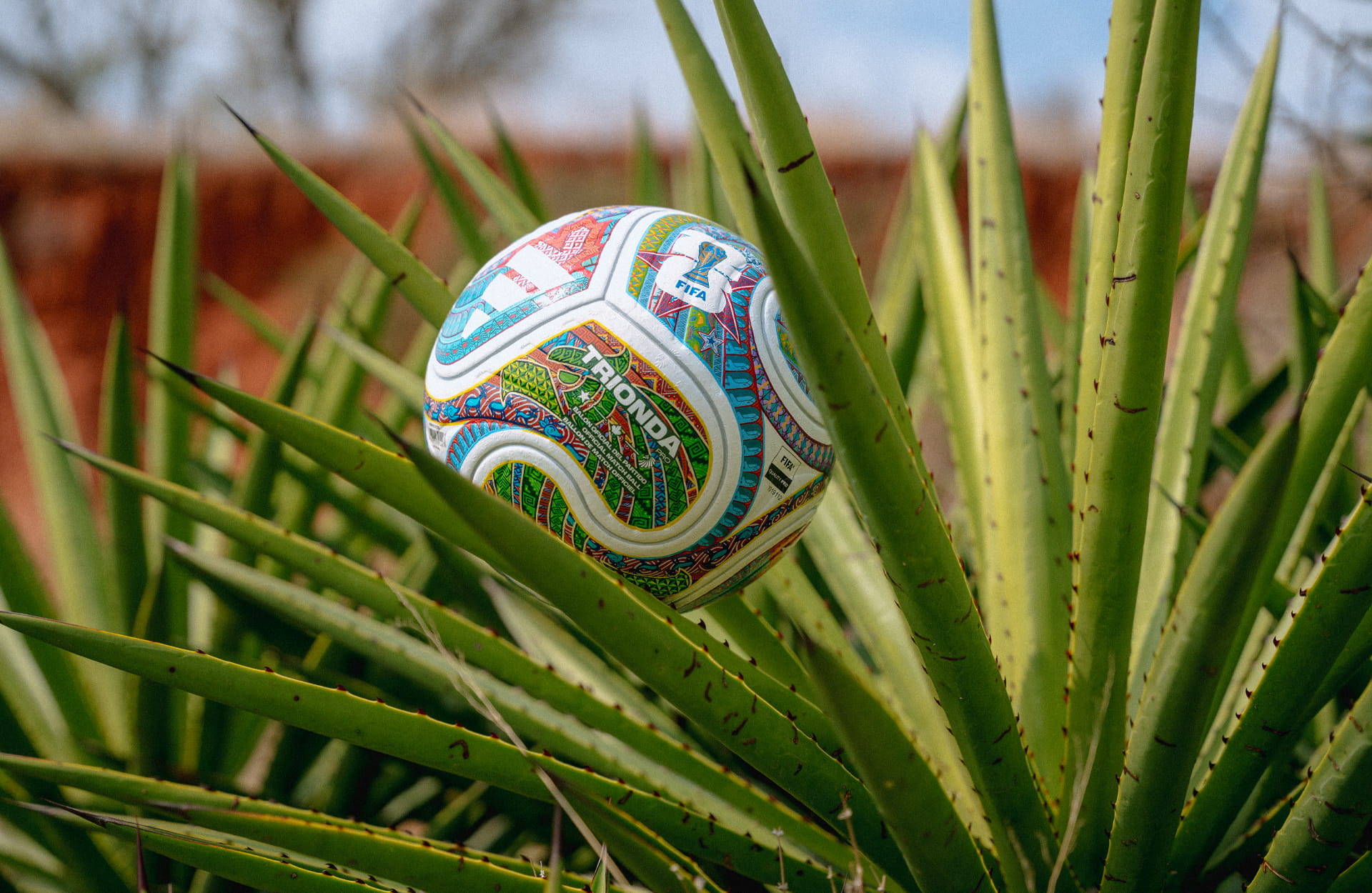
“This is more than a ball,” the project manifesto declares. “It is a story in motion.”
And like football itself, that story continues wherever the ball rolls next.
Photography by @wearethenetwork