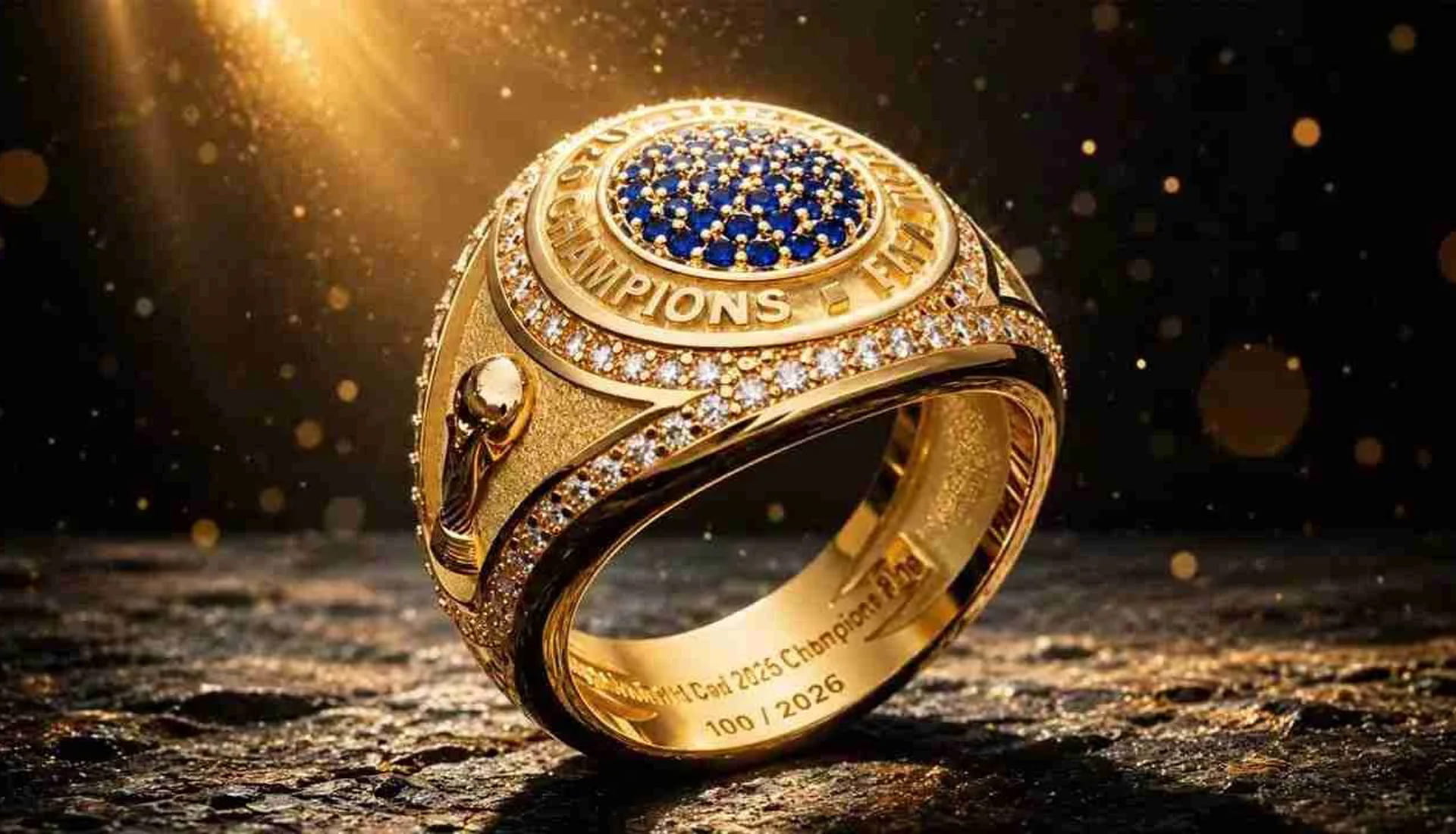
FIFA has announced that the winners of the 2026 World Cup will receive something never before seen at a FIFA tournament: championship rings. In addition to lifting the most iconic trophy in sport and receiving their winners’ medals, the victorious team in New Jersey will also be handed bespoke rings as a lasting reminder of their achievement.
As soon as the news broke, my first thought was simple: really? Football has never needed championship rings. The World Cup trophy, the medals, the photographs and the memories have always been enough. So it’s fair to ask whether this is an unnecessary gimmick, designed to import another American sporting tradition into a game that has always prided itself on its global identity.
Then again, the more I thought about it, the harder it became to dismiss the idea outright.
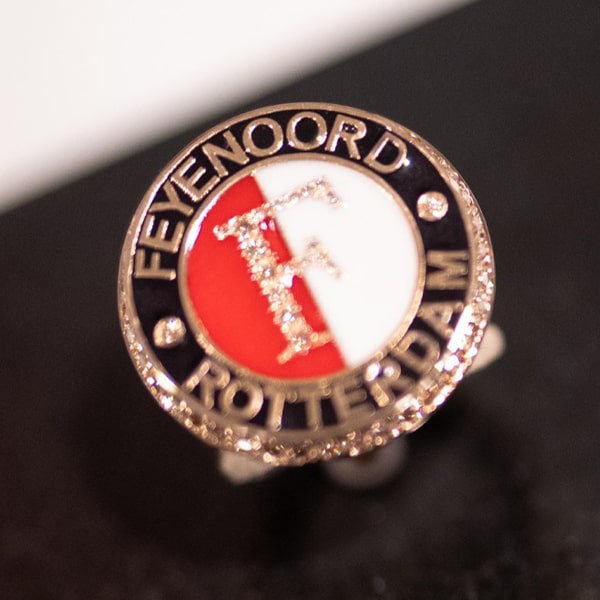
For those unfamiliar with the announcement, FIFA says the rings will be the first ever awarded at one of its competitions. There will be a limited run of 2,026 individually numbered rings, with 30 reserved for the winning team and the remaining 1,996 made available for fans as officially licensed memorabilia. One side will feature the World Cup trophy, while the other will be customised for the winning nation.
It's impossible to separate the decision from the fact that the tournament is being hosted primarily in the United States. Championship rings are deeply embedded in American sporting culture. Whether it's the NFL, NBA, MLB or NHL, championship-winning players proudly display rings alongside their trophies. FIFA's own announcement describes them as bringing an "iconic American sporting tradition" to global football. And that's where the scepticism comes in.
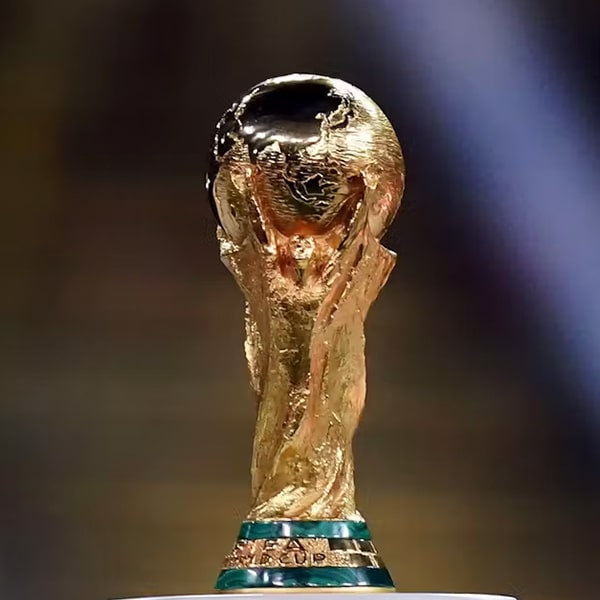
Football has always done things differently. The World Cup doesn't need additional symbols of success because it already possesses the ultimate one. The trophy itself is arguably the most recognisable prize in sport. Nobody has ever looked at Lionel Messi, Zinedine Zidane or Pelé and thought their achievements somehow lacked commemoration because they didn't have a diamond-encrusted ring on their finger.
There is also a concern that this is another example of football drifting towards commercialisation. The fact that nearly 2,000 of the rings will be sold to supporters inevitably raises eyebrows. Some fans will see a clever marketing opportunity dressed up as a sporting tradition, particularly when FIFA has become increasingly adept at finding new merchandise and collectibles linked to its major tournaments.
In that sense, critics have a point. Football's strength has always been its simplicity. A ball, a pitch and a trophy. It doesn't necessarily need to borrow traditions from elsewhere to validate its biggest moments. But I can also see the other side of the argument.
If we're being honest, these rings don't actually replace anything. The winners will still receive the World Cup trophy. They will still get their medals. The photos of the captain lifting the trophy won't suddenly feature everyone pointing at their jewellery instead. The ring is simply an additional keepsake. And when you look at it through that lens, it's quite difficult to get too worked up about it.
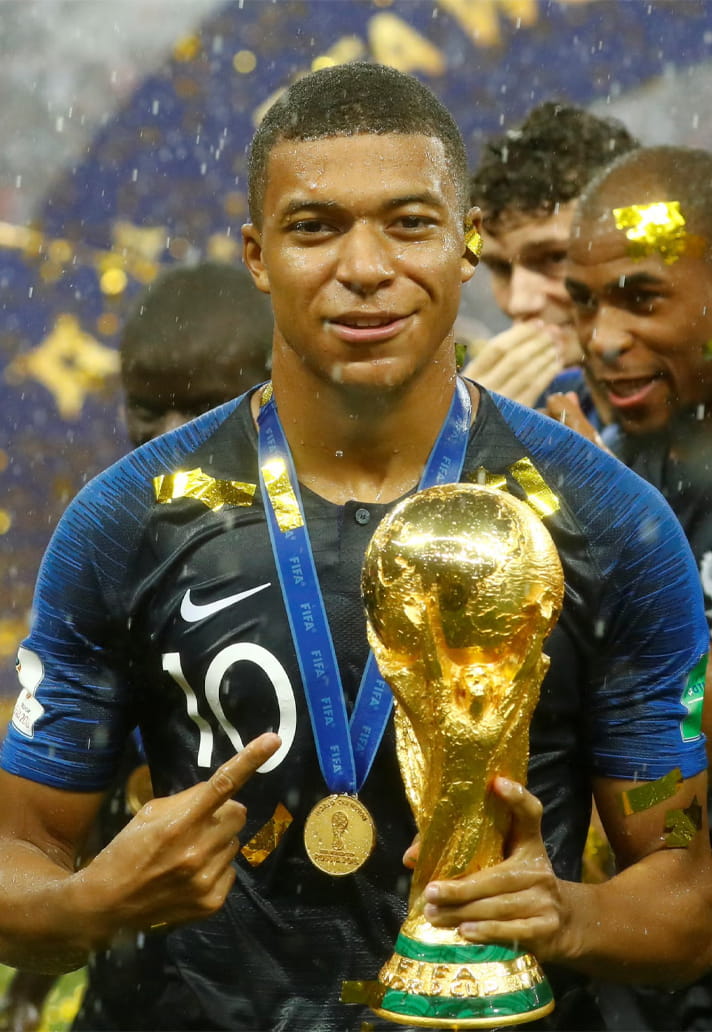
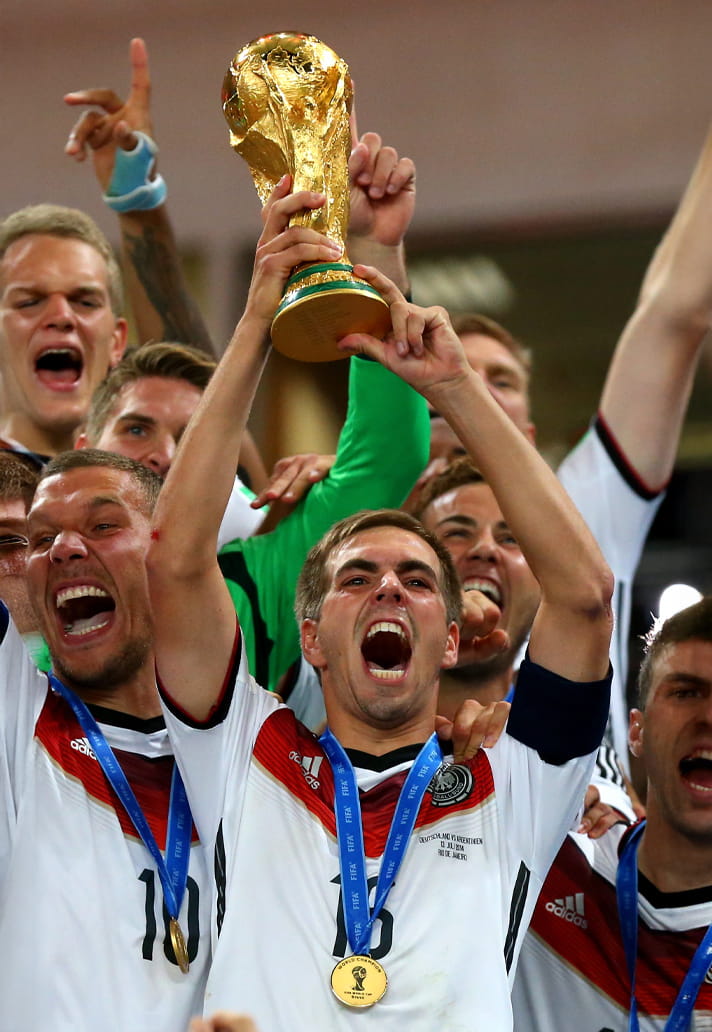
For the players, coaches and staff involved, winning a World Cup is the crowning achievement of an entire career. Many dedicate decades of their lives to reaching that moment. A customised ring that can be worn, displayed and passed down through generations feels like a fitting way to commemorate something so special.
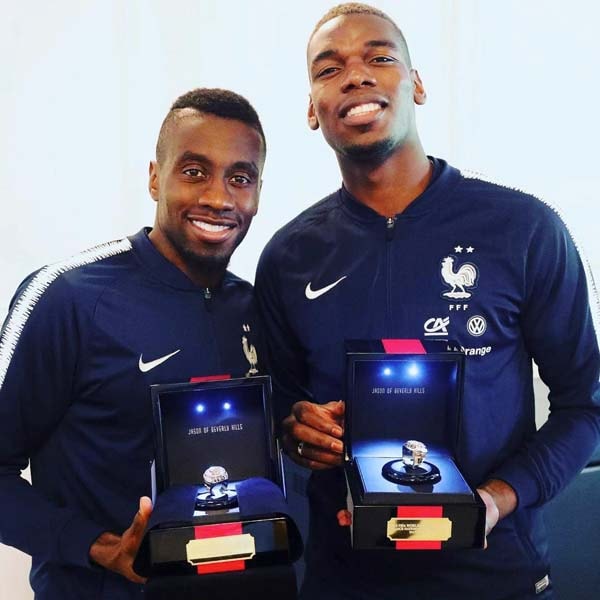
In fact, footballers have already shown an appetite for this sort of memento. Following France's 2018 World Cup triumph, Paul Pogba reportedly commissioned championship-style rings for his teammates anyway, inspired by American sports culture.
Perhaps that's the strongest argument in FIFA's favour. If players already want these types of keepsakes, why not make them official?
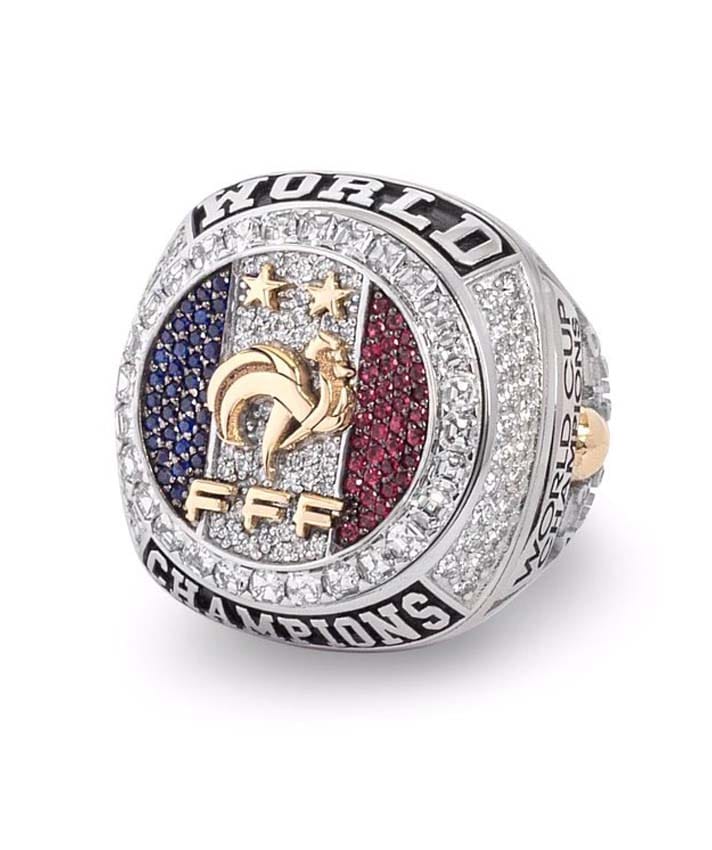
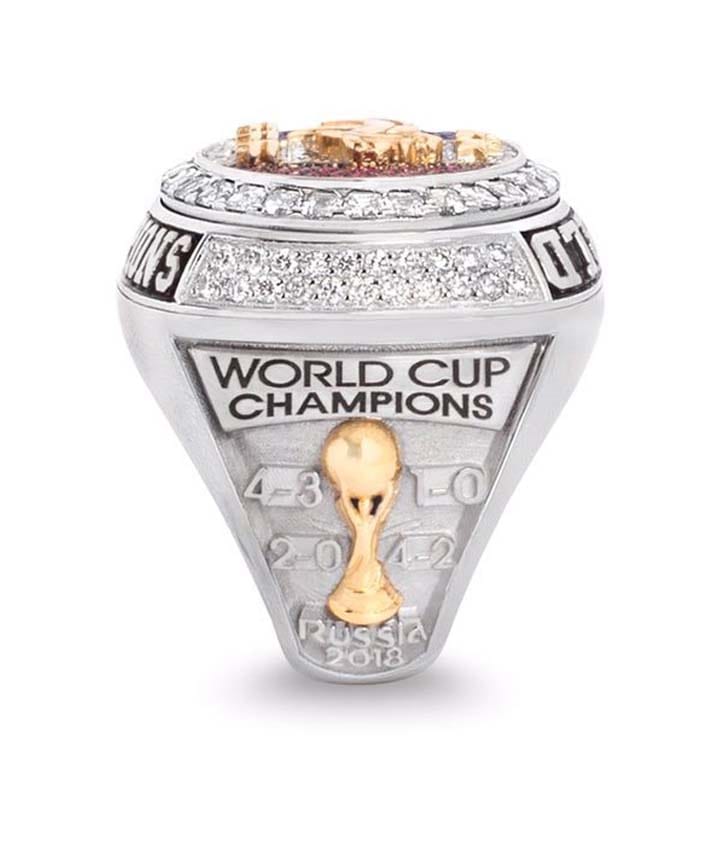
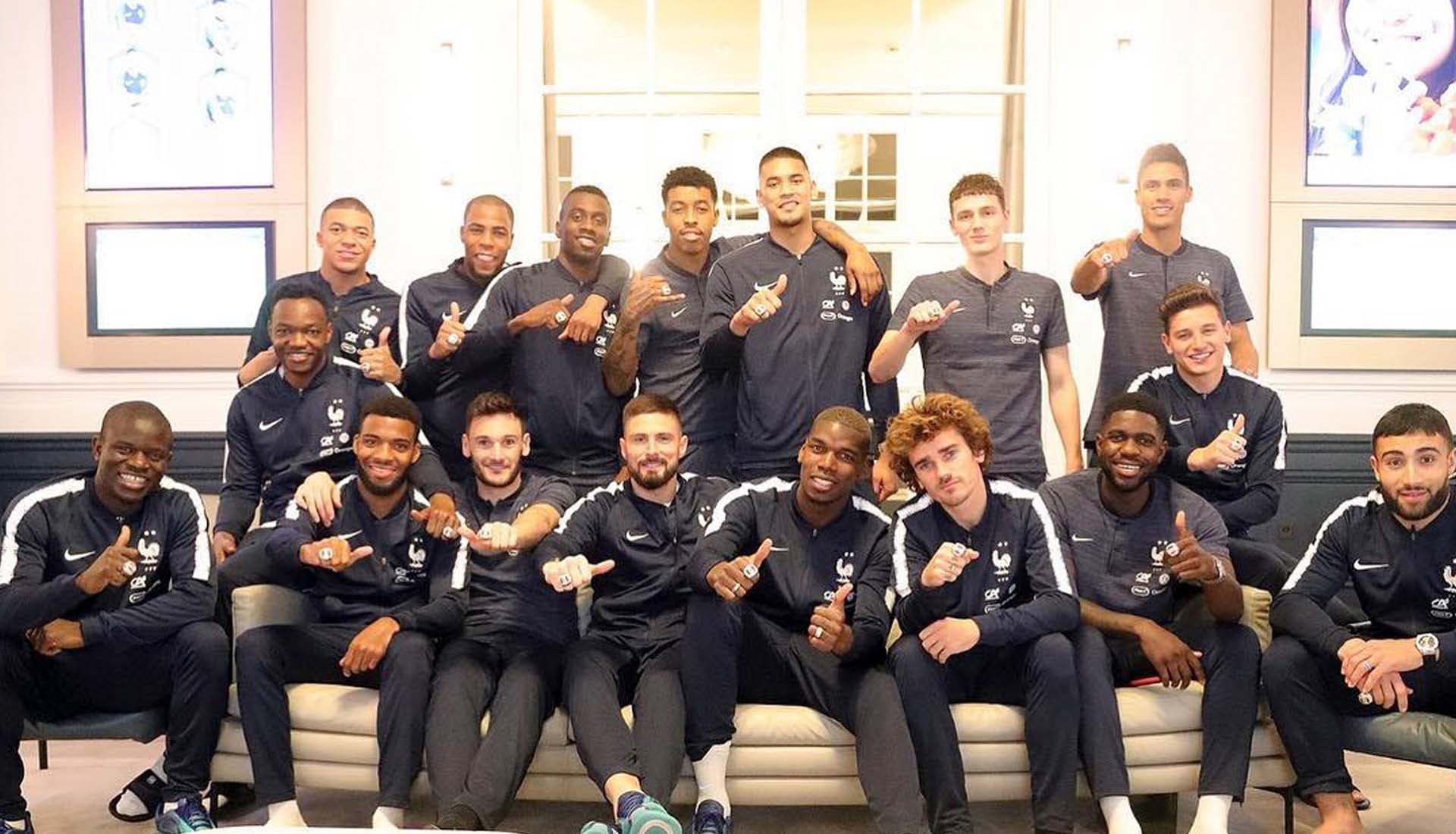
Ultimately, I find myself somewhere in the middle. There is undoubtedly a hint of Americanisation about the move, and it does feel very much in keeping with a World Cup staged largely on American soil. Some supporters will view it as an unnecessary gimmick and another example of football borrowing traditions that don't naturally belong to the game.
At the same time, I struggle to see any real downside. The ring doesn't diminish the significance of the World Cup trophy. It doesn't alter football's history. It doesn't change what it means to become world champion.
If anything, it simply gives those fortunate enough to win the tournament another way of remembering the greatest achievement of their careers.
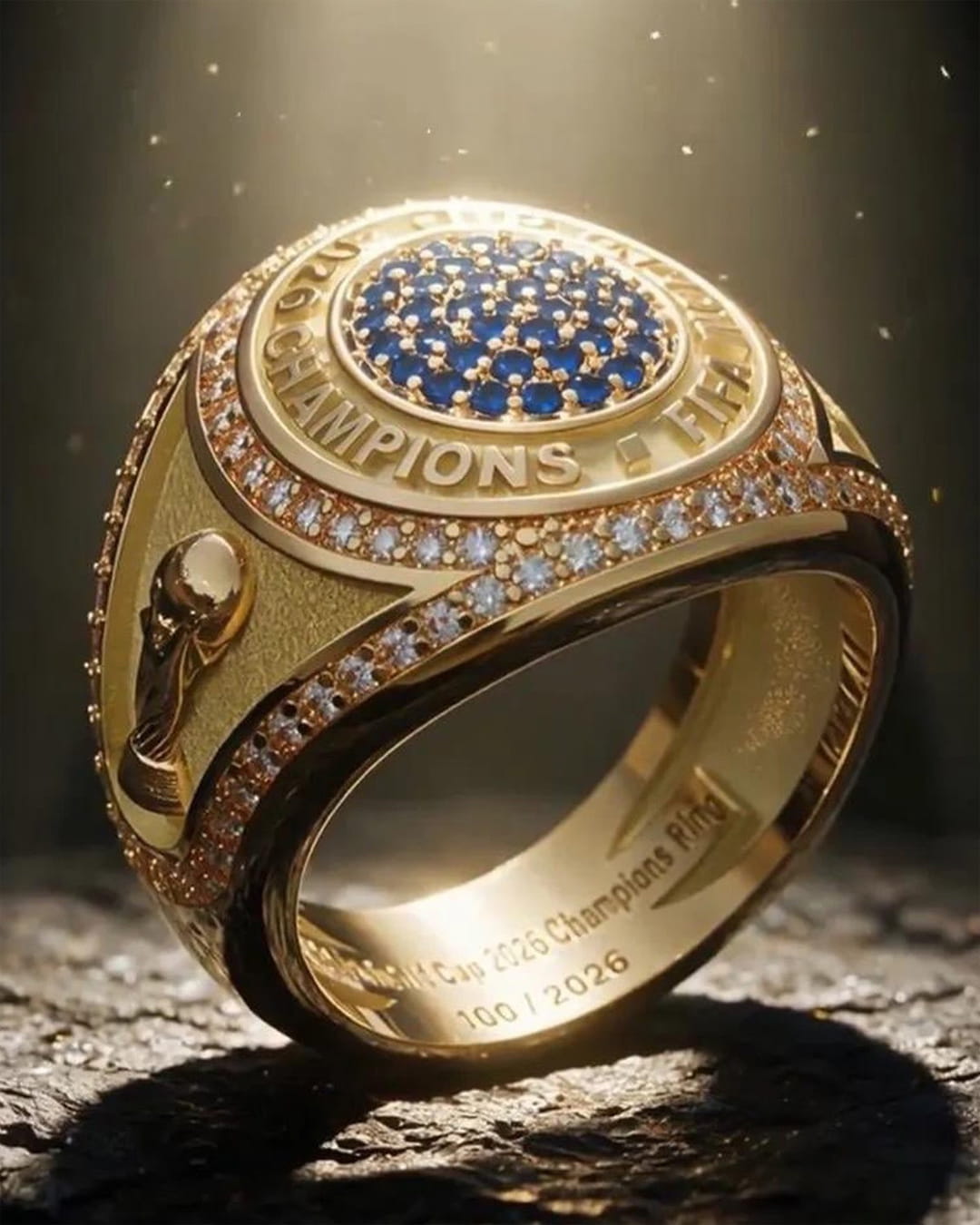
So, is it an attempt to Americanise the global game? Probably, at least to some extent. Is it also quite a nice touch? I'd say so. For once, both sides might be right.