From designs inspired by female artists to colorways changing the heavily guarded men’s national and club palette, bespoke women’s jerseys emerging on the biggest stages are trading nostalgia for experimentation – and changing jersey culture in the process.
If I had a penny for every time someone has announced that football jerseys have reached their absolute peak in popularity in the last decade, I would probably be able to afford a crisp, officially licensed football jersey. Not that each declaration has been untrue; rather, each is proof that the global buzz surrounding the football jersey has now manifested into a full-blown roar, with 2026 – a men’s World Cup year – serving as a new, but no doubt temporary, culmination. If any venture into social media platforms or cities around the world these days isn’t enough to convince you, Pinterest’s 2026 Summer Trend Report will tell you that searches for ”World Cup shirt” have seen a whopping 840% surge since 2025 – in large part because fashion and football have never been more intertwined than now. From football references weaving themselves into the runways, to fashion brands working with the biggest clubs and teams in football, the football jersey has gained a position as a coveted lifestyle item.
However, one recent revolutionary addition to this boom in the global jersey wardrobe is largely left out of the overall ’jersey culture’ conversation: the emergence of bespoke women’s national and club jerseys on the biggest stages – from the Women’s World Cup to the WEUROs, from the English WSL to the German Frauen Bundesliga. An omission you might be able to write off as a result of the concept still being fairly new, but also an omission that might be emblematic of the second fiddle women’s football has historically played – and perhaps of a slight conservatism permeating broader jersey and football culture to this day.
Nevertheless, since 2019, hugely influential global brands like Nike, adidas, PUMA and hummel have been investing heavily in creating bespoke women’s jerseys at club and national levels, catching on to and shaping the explosive rise in popularity of women’s football in recent years. Nielsen estimates that by 2030, the global women’s football fan base will surpass 800 million, an estimated 38% growth since 2025.
It’s one thing that these kits are now engineered with female physiology, performance and comfort in mind, but now they also have their own visual identity. Through storytelling centring women players and teams, design elements nodding to female influences, collaborations with female designers, and largely bidding adieu to prints and palettes intrinsically linked to the men’s sides, women’s jerseys are offering up new interpretations of what a jersey can look like, how we think about national and club identity and, not least, who the footballing space is for. A jersey made with your needs in mind signals that you matter; the more comfortable you feel in a kit, the more likely you are to play and keep playing; when a physical space like a fan shop changes its layout to make space for women’s fits, you start feeling that this space – historically and still overwhelmingly catering to and built for men – is for you too. The same goes for the experience in the stands. Ultimately, design becomes a vehicle for acknowledging and shaping a more diverse and inclusive football culture, while the design language of football jerseys conversely is reimagined and diversified.
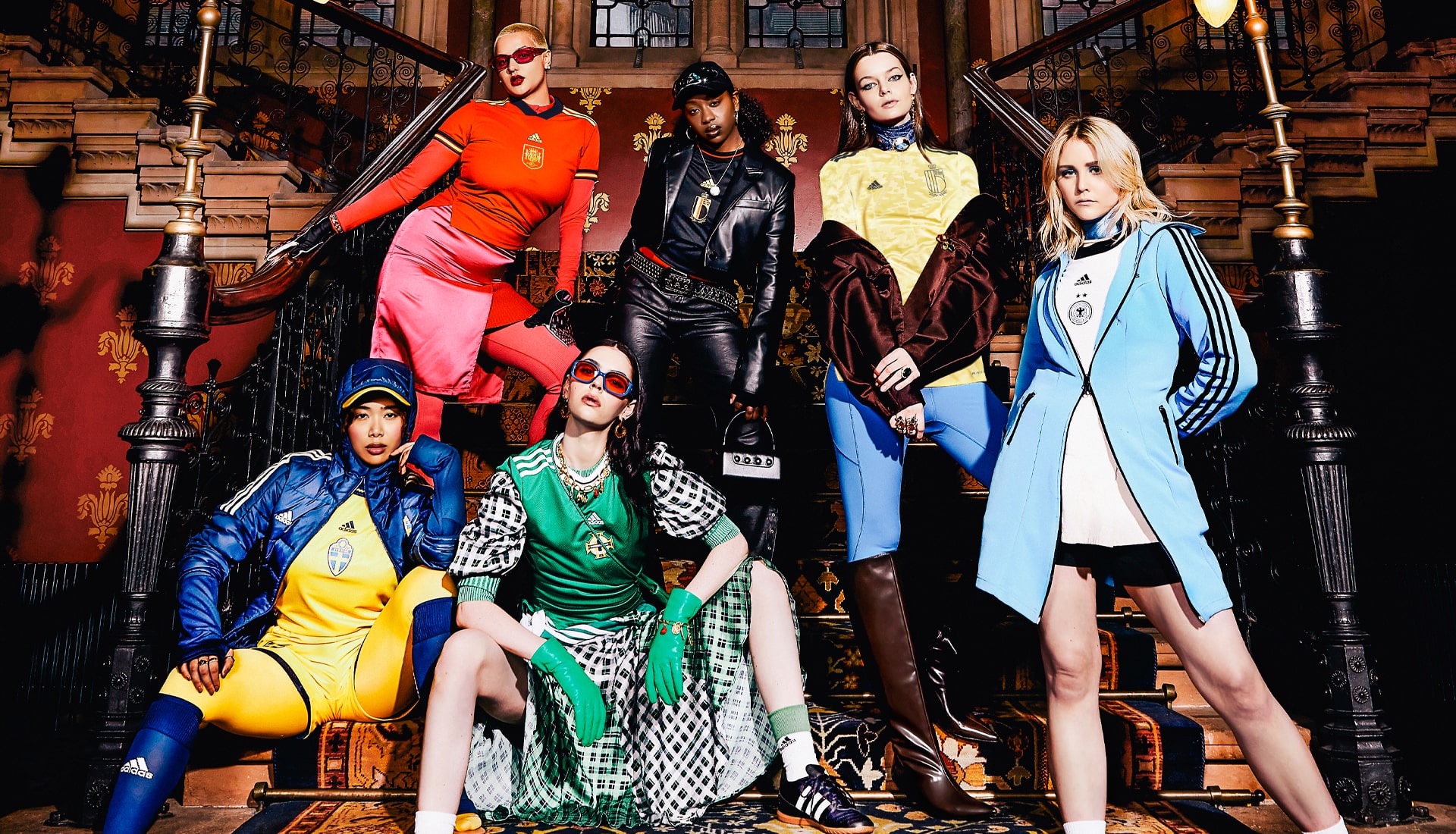
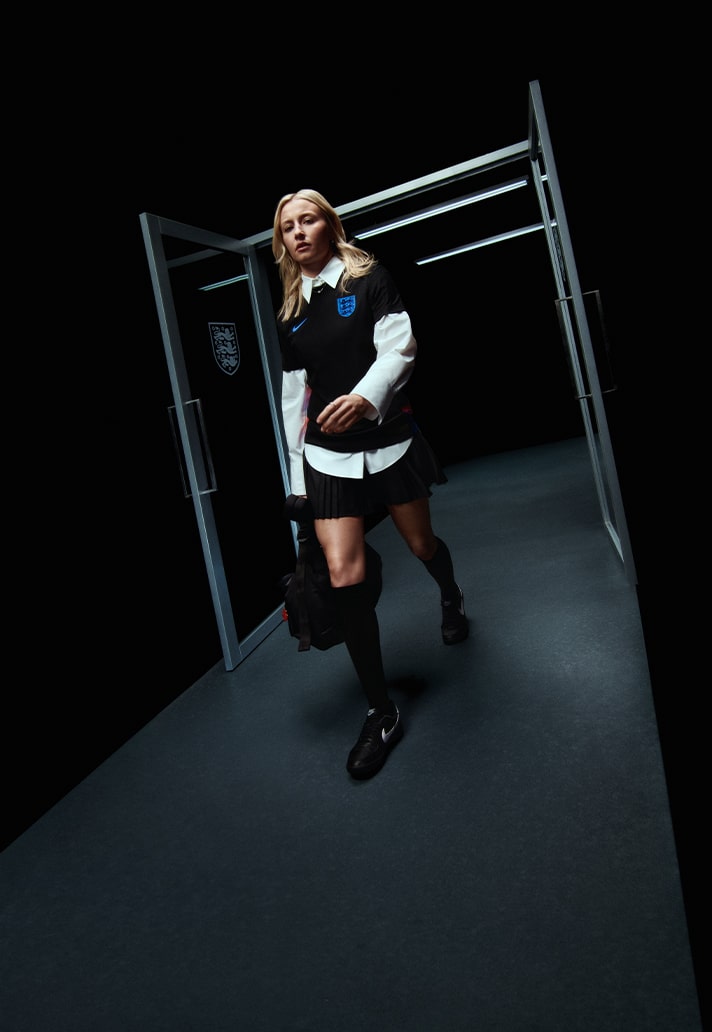
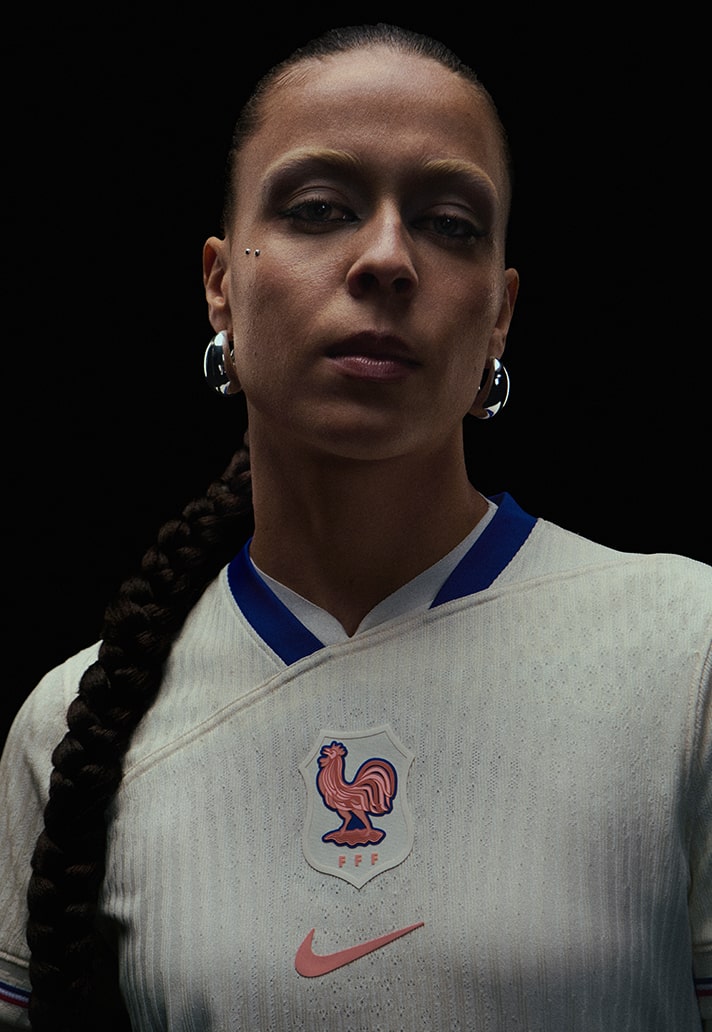
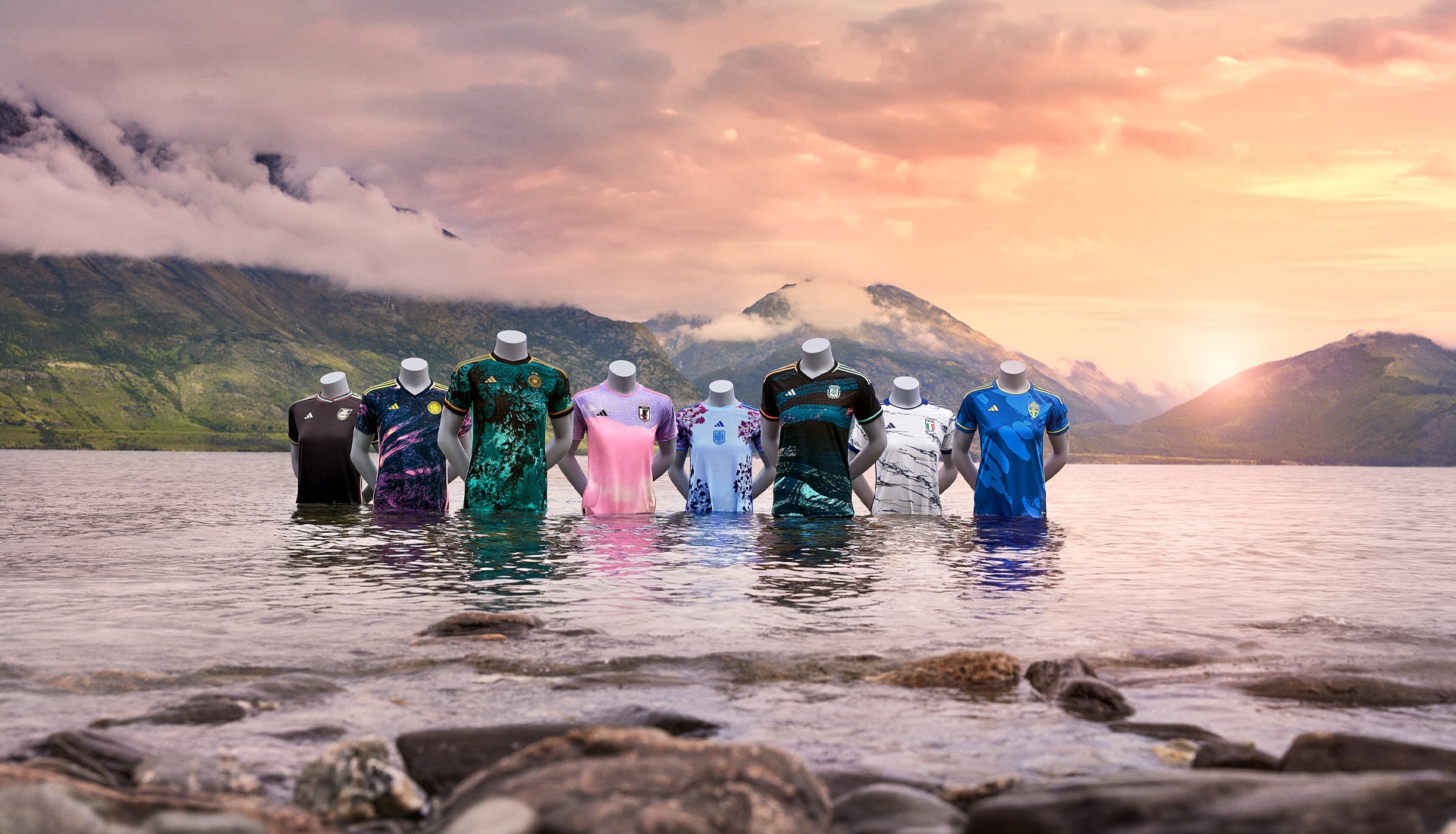
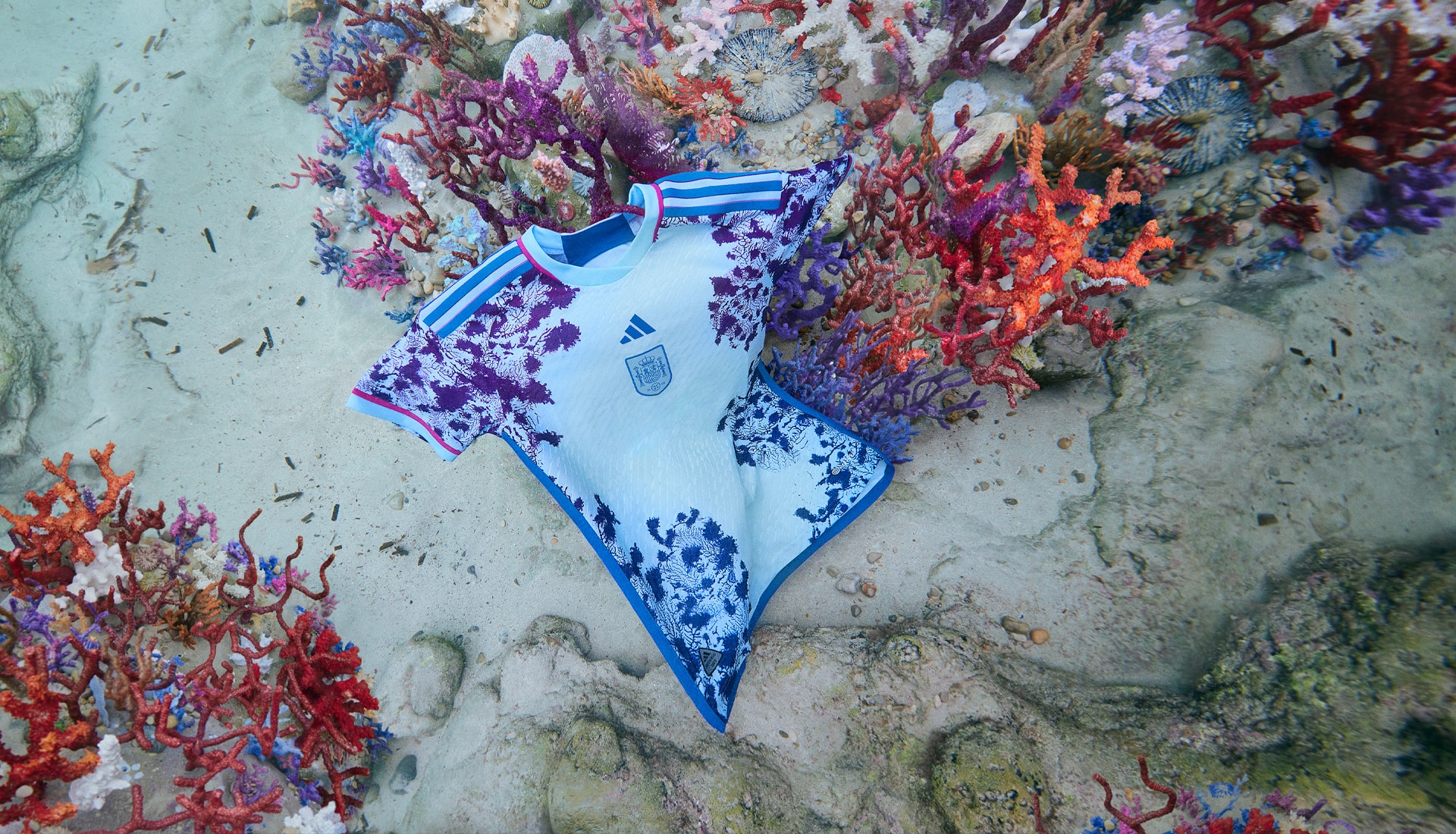
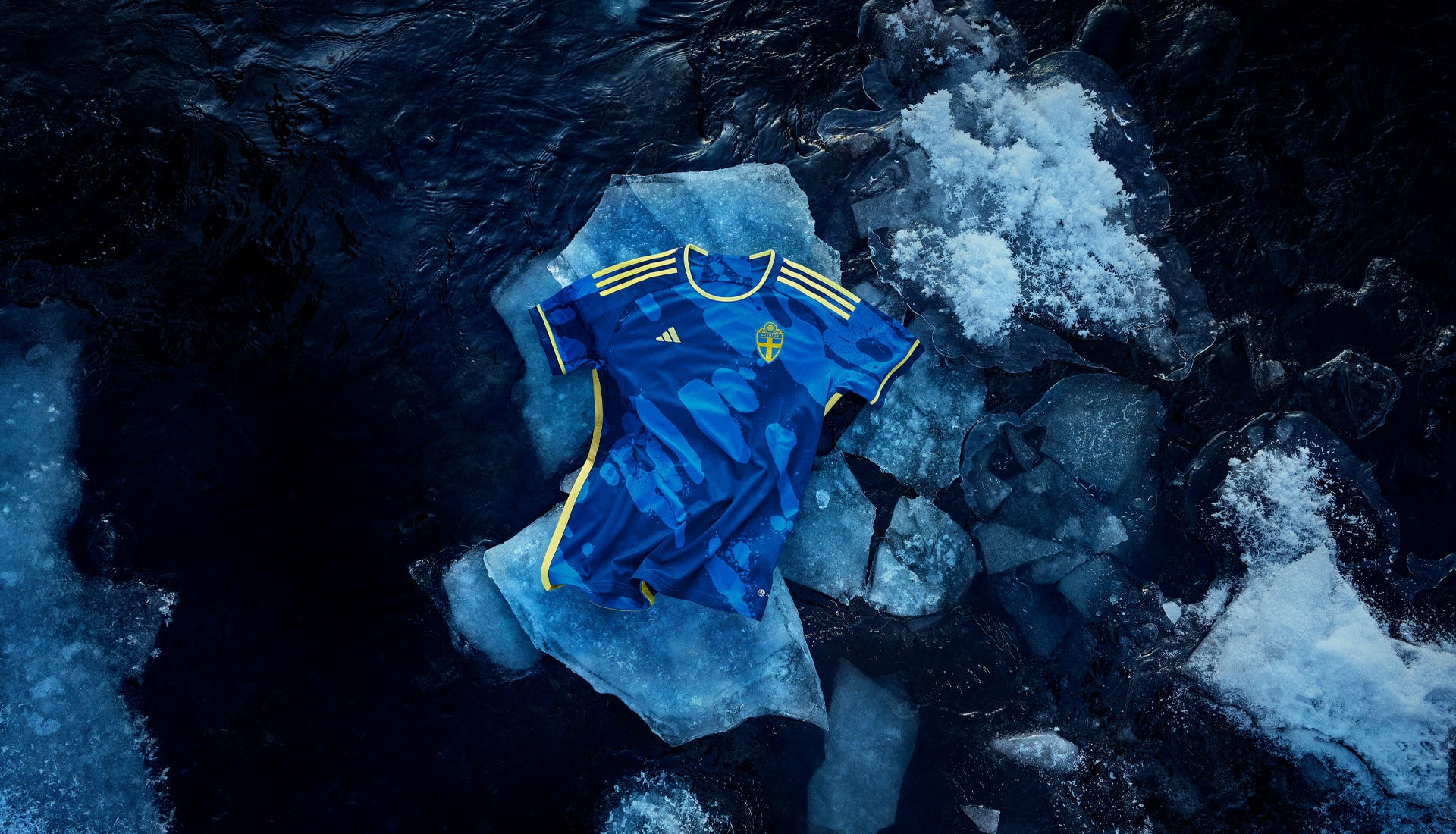
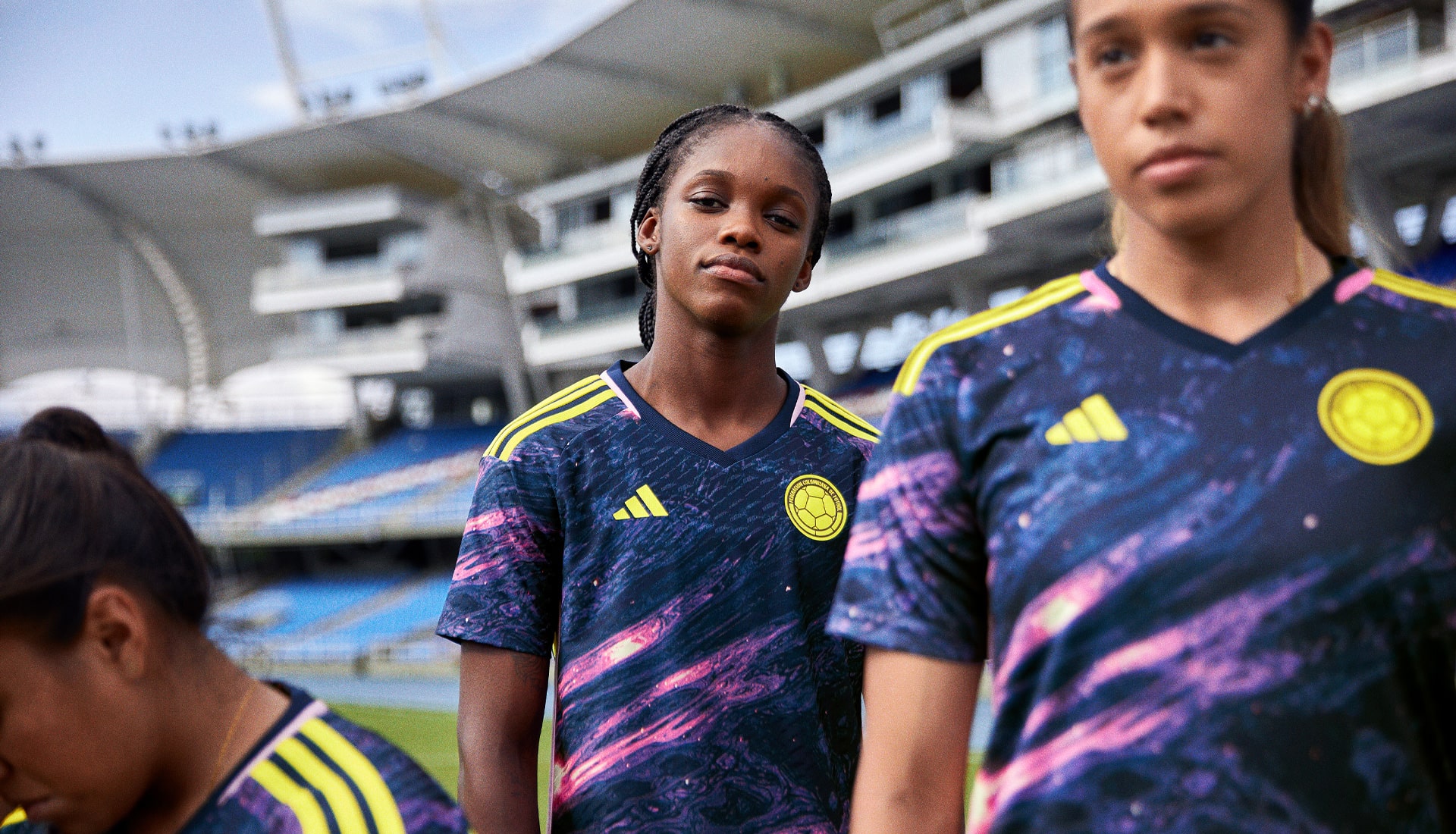
Take adidas’ 2025 WEURO 6-team range inspired by artistic movements from each country, with the pattern of Sweden’s gradient blue home jersey paying homage to Swedish abstract female artists like Hilma af Klint. Or Italy’s soft mint green away which served as the first non-white away jersey in the Italian federation’s 128-year history. Or take Nike, who, for the same tournament, flipped the English script by introducing a black away for the first time in the history of both the Lionesses and the Three Lions. (In 2023, the women's usual white home shorts were also replaced with a dark blue version due to period concerns). Or Nike’s away kit for the French women, which introduced a rarely seen before asymmetrical split collar.
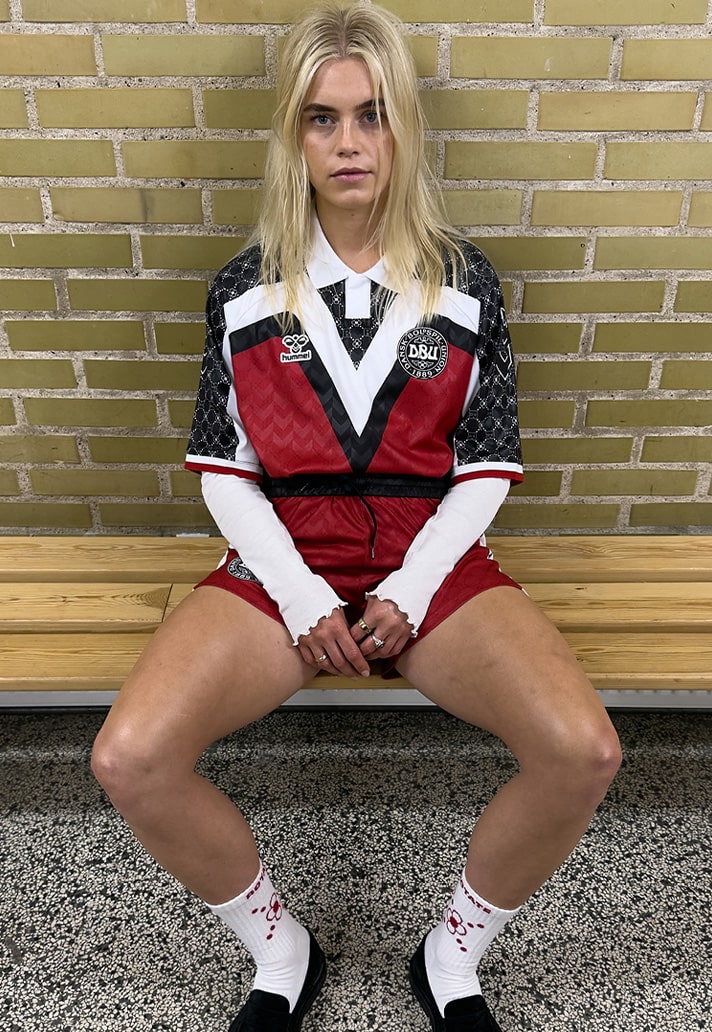
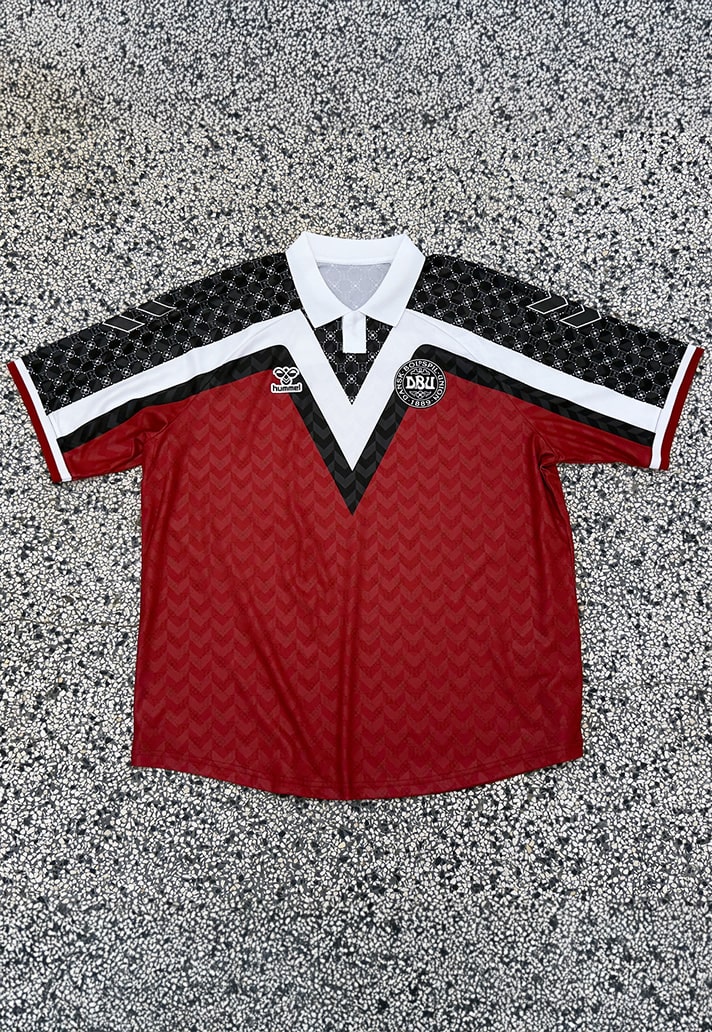
Or take the female designers now flexing their football jersey muscle: In 2023, British-Jamaican menswear designer Grace Wales Bonner set a new bar for putting the fashion in football when she linked up with adidas and the Jamaica Women’s and Men’s National Team to create kits and an off-pitch collection that were as much (beautiful) lifestyle items as performance wear. But she simultaneously set a new bar for women's teams being taken seriously in both the football and fashion space. In 2025, hummel tapped into the solid Danish women’s fashion tradition – and football’s ongoing love affair with fashion in general – by collaborating with popular Danish womenswear brand Rotate on a limited edition national jersey and lifestyle collection. The jersey became one of the most popular jerseys in the history of all Danish national jerseys comparatively, selling out within a month.
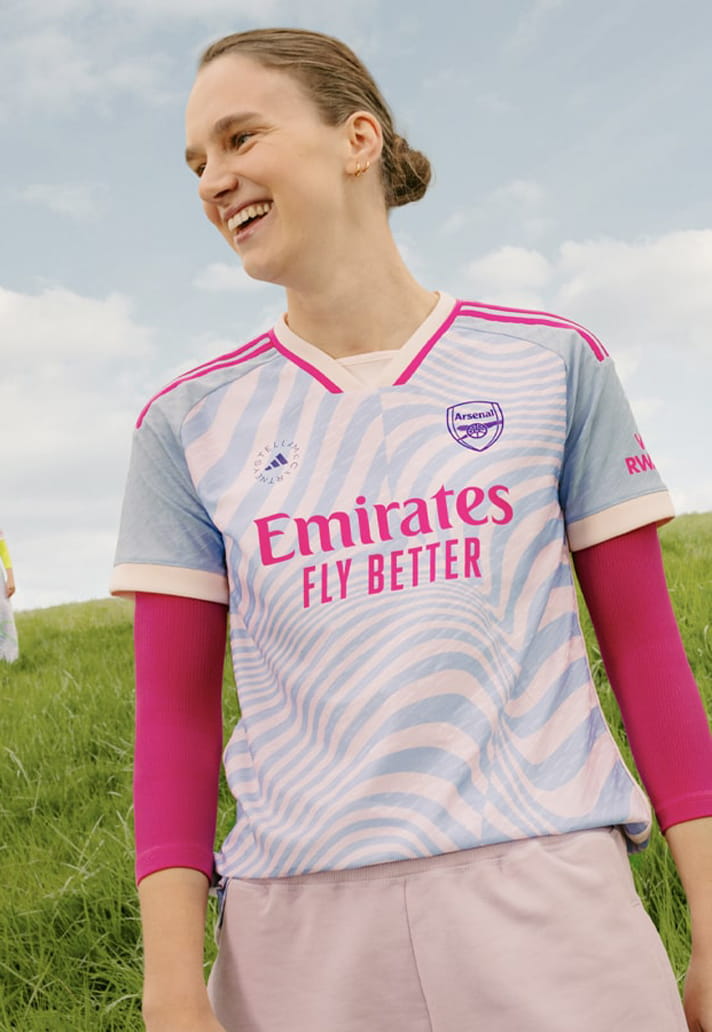
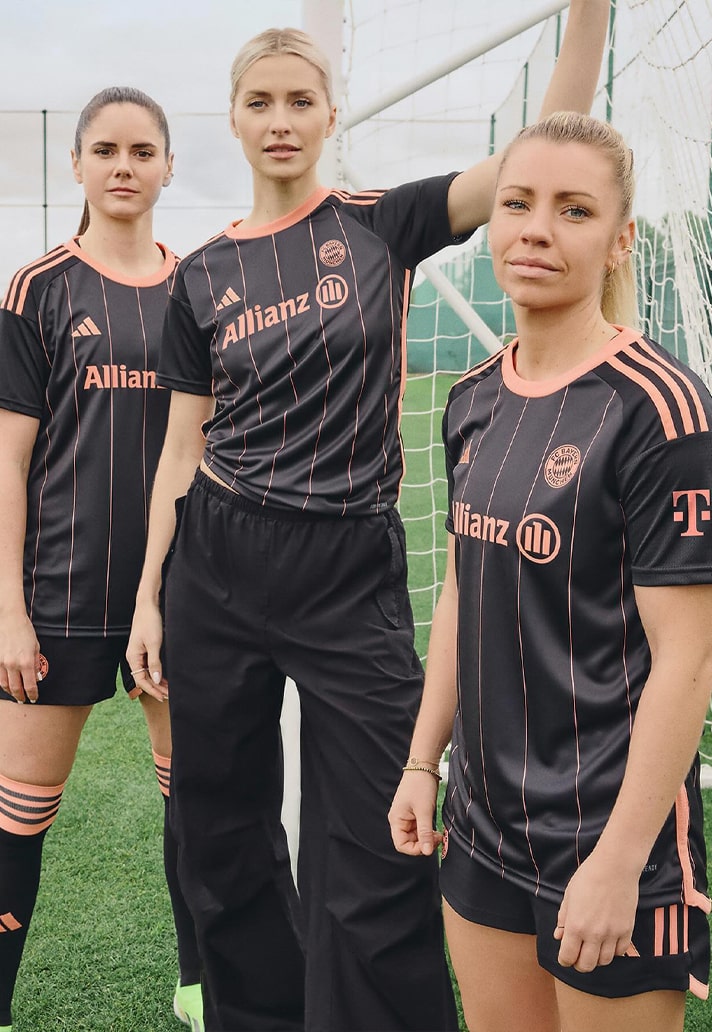
At club level, while women’s bespoke jerseys are now standard for independent women’s clubs like London City Lionesses, FC Como Women, and American NWSL clubs, most major clubs with both a women’s and a men’s side still stick to a shared visual identity. Under the header ‘one club mentality’, the colourway and design are identical while only the fit and sometimes the sponsors will differ. However, some teams are now dipping their toes in the bespoke women’s pool. Arsenal and adidas set the precedent in 2023 when launching the first ever bespoke kit for Arsenal Women, a striking limited edition halo pink and glow blue away, with Stella McCartney. Bayern München followed suit in 2024 when launching a limited edition FC Bayern Frauen jersey with influencer and designer Lena Gercke and adidas – the first bespoke jersey in the 54-year long history of the women’s team. For the 25/26 season, Polish Legia Ladies launched bespoke home and away jerseys, the first women’s team jersey ever produced by adidas in Poland. Legia Ladies have just put a home and away jersey for the current 26/27 season on the market.
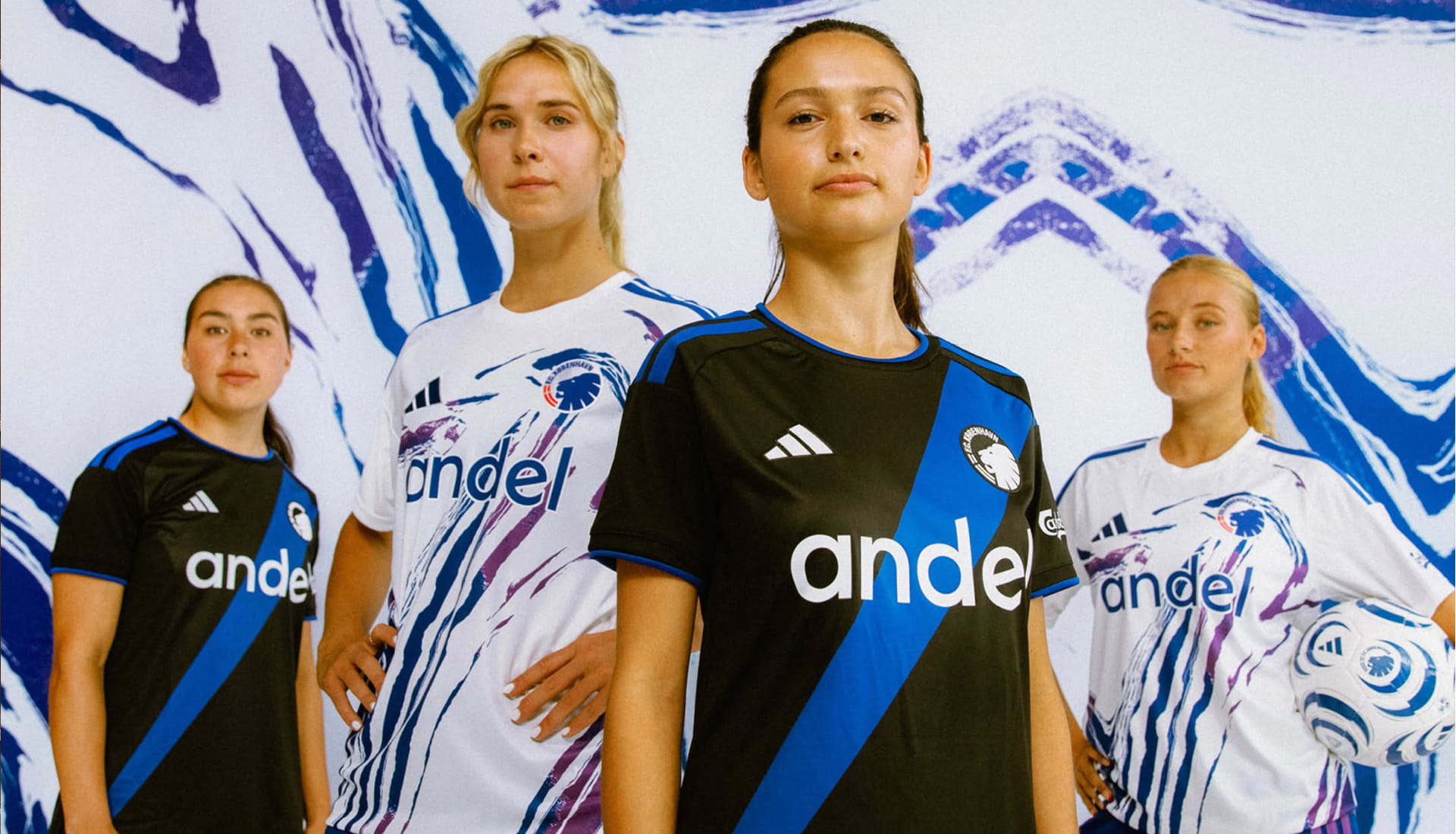
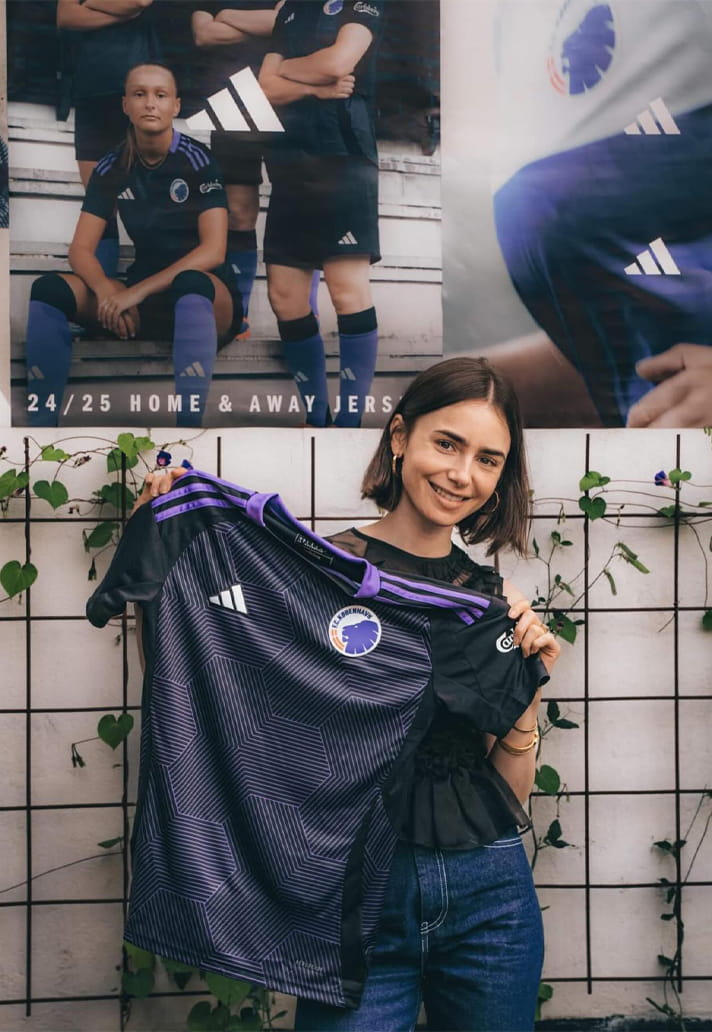
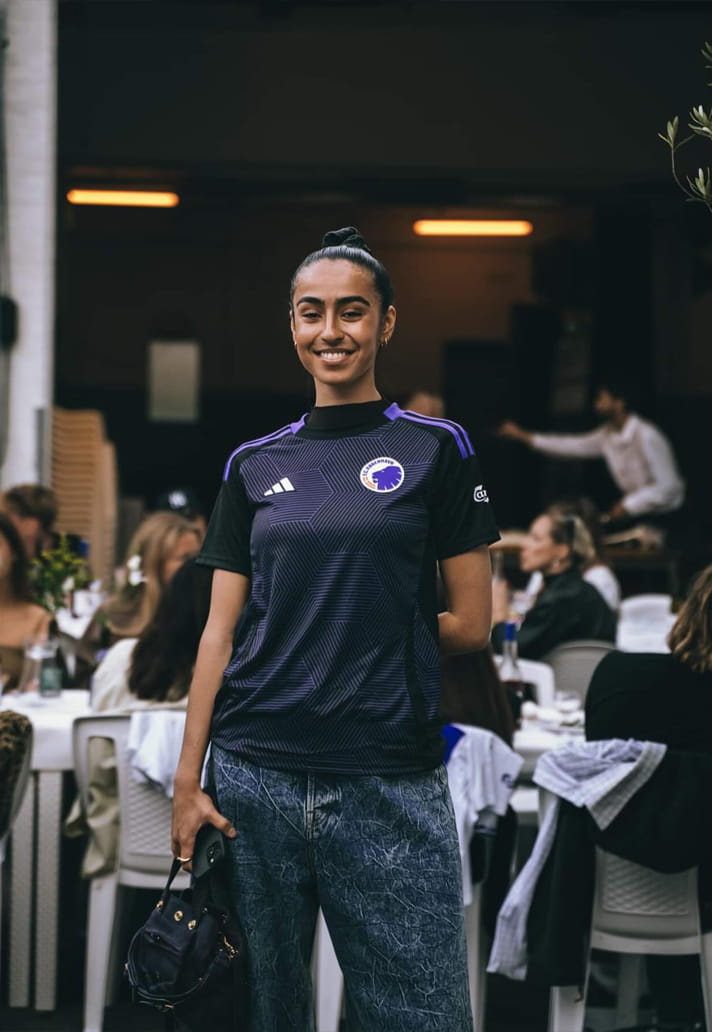
Danish side FC København (FCK) and adidas went all the way in 2024 when they decided on creating bespoke home and away kits for their women’s team in the same breath the team was launched. A move rarely seen from any other club in Europe at the time. Though FCK Women started out in the third tier, their inaugural jerseys sold the equivalent of a mid-tier men's team in the best Danish league. With the team impressively having already been promoted to the best league for the current 26/27 season, the sales of their newly released jerseys are bound to spike.
Because women have historically largely played in smaller sizes or slightly altered iterations of men’s jerseys, this new women’s jersey space seems to be one of future-forward experimentation. While men’s jerseys on both club and national level are currently drenched in nostalgia – most notably through sartorial nods to designs and triumphs of the 1990s – women’s football has very few things to be nostalgic about. Not that women’s jerseys aren’t influenced by fashion’s current obsession with everything 90s – take the distinct 80s-90s retro feel of the aforementioned Wales Bonner Jamaica collection – but any sartorial nod to a previous jersey will overwhelmingly be a nod to a design and template developed exclusively with a man in mind.
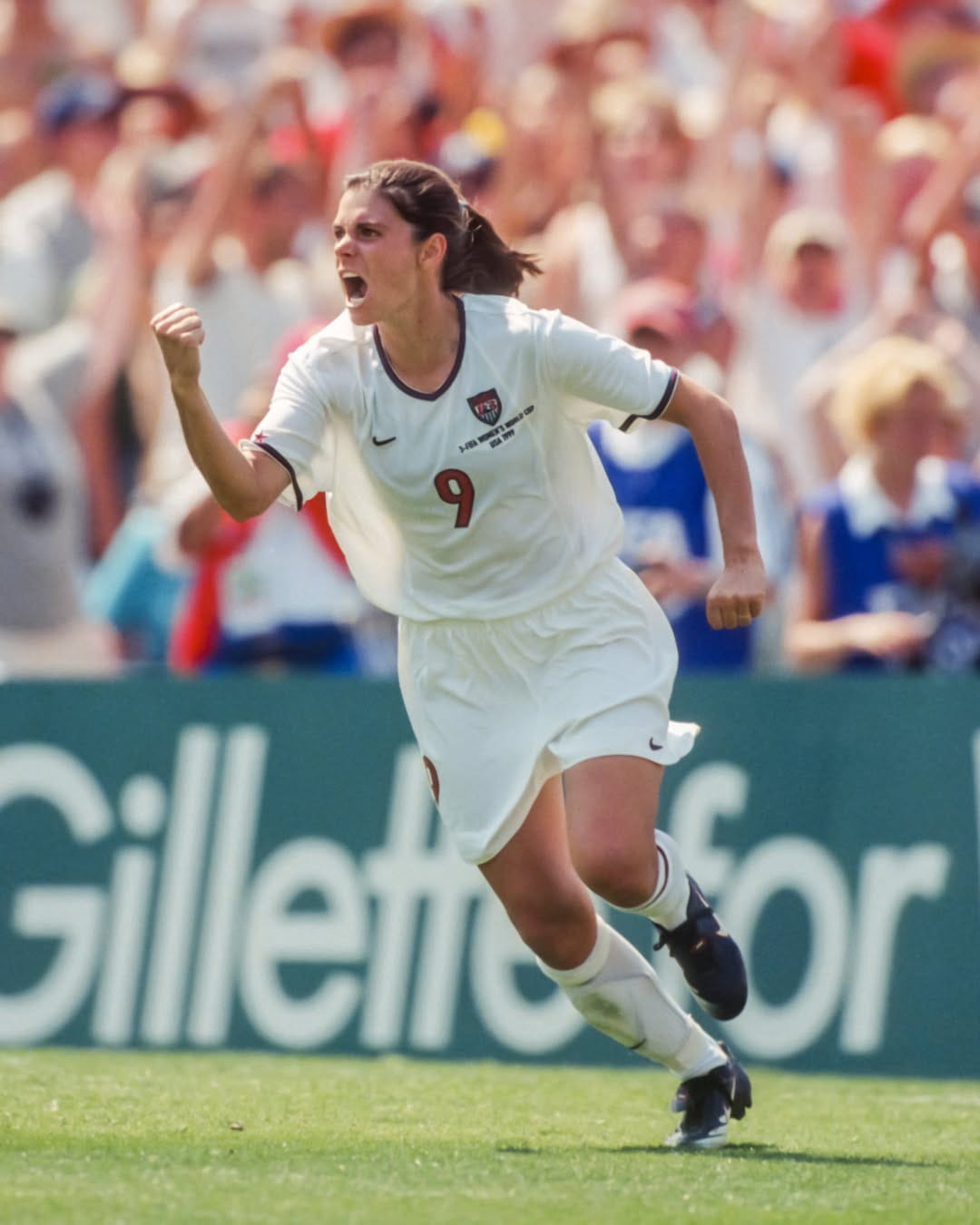
Similarly, it’s not that women’s jerseys don’t have their own design history and iconic moments attached to them. The USWNT's oversized all-white kit for the 1999 World Cup final springs to mind, with a tiny Mia Hamm drowning in white fabric and Brandi Chastain famously taking her jersey off in celebration of her deciding goal on penalties. Though the color application and tournament detailing on the jerseys were created specifically for the women’s team, the template was a standard, loose-fit men’s template assigned to the women, the jersey reaching icon status in part because of its almost comical fit and the fact that Chastain took it off. (Interestingly, when Nike made their first bespoke USWNT women’s kits for the 2019 World Cup, the home jersey paid homage to the 1999 iteration through the all-white colorway and striped sleeve cuffs. Now it just came in a much more fitted version, created specifically with a woman’s anatomy in mind). Meanwhile, this new class of bespoke women’s jerseys becomes a canvas for creating a whole new language that points to a different future where women – players and fans – feel seen and included.
”Most women’s teams want to write their own story and not just be a part of a men’s team’s history built on traditions that they haven’t been part of creating”, explains Jonas Skovborg Johansen, Sponsorship Marketing Lead of Danish sportswear brand hummel about why they got into the women’s jersey market.
hummel has over 60 years’ experience with creating men’s kits for clubs and federations around the globe, and they are long-time sponsors of the Denmark Women’s and Men’s National Team. In 2019, they and the Danish Football Association launched their first ever bespoke national women’s kit in close collaboration with the players themselves. hummel is currently working on the launch of the jerseys for the upcoming 2027 Women’s World Cup in Brazil, for which Denmark has already qualified.
”It’s still implicit that when you do a top-10 roundup of ’the best jerseys in the history of football’ that you’re referring to men’s jerseys. And most of us would be able to say which ones are in the top-3 in our sleep. Women’s jerseys are still not part of that conversation or get that same kind of check-ins generally. Instead, the women’s jersey space is still a bit like the wild west. There are no fixed rules yet. But that’s what makes it fun”.
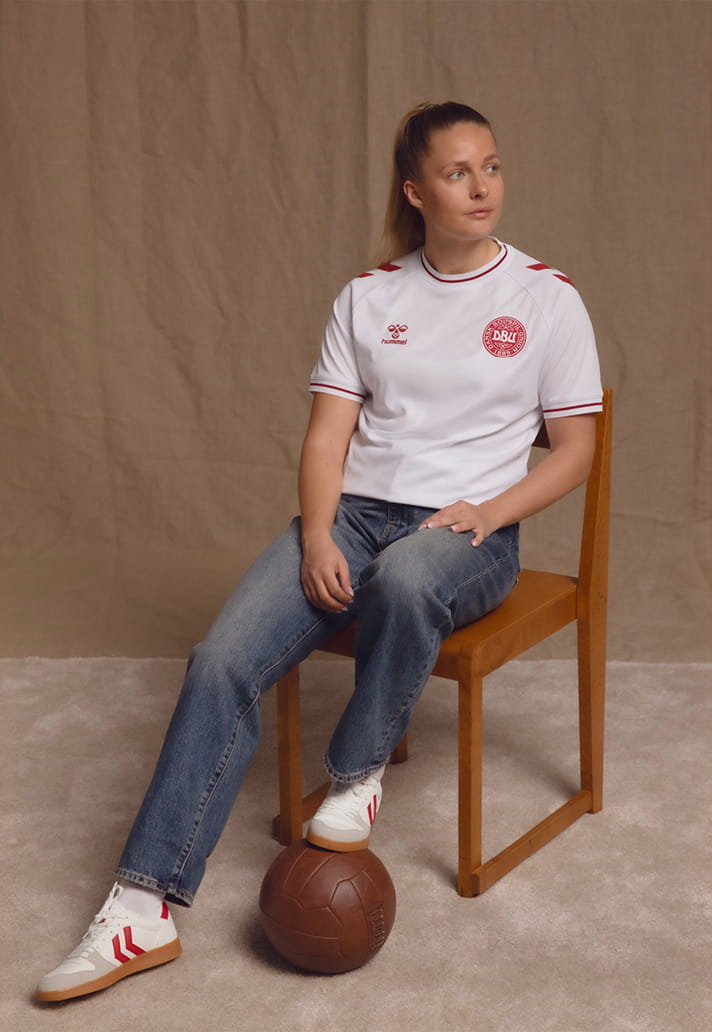
According to Johansen, both the lack of fixed rules and design history provides freedom to go in new design directions. For the Denmark Women’s National Team’s 25/26 home and away jersey, hummel replaced the traditional bright red color of the men’s jerseys with a softer burgundy, and added delicate detailing like a collar and a softer tone of white. ”The jersey ventures into fashion territory, and I’m not sure we would be able to go there in the same way with the men’s kit”, he says, adding that the players were ”really happy” with the result.
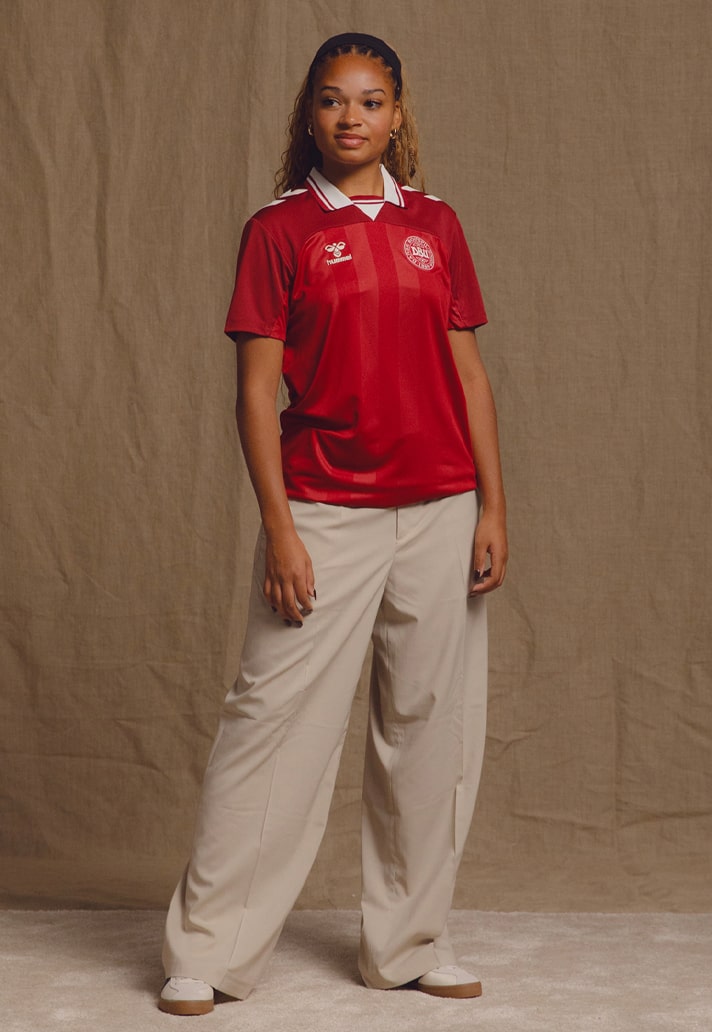
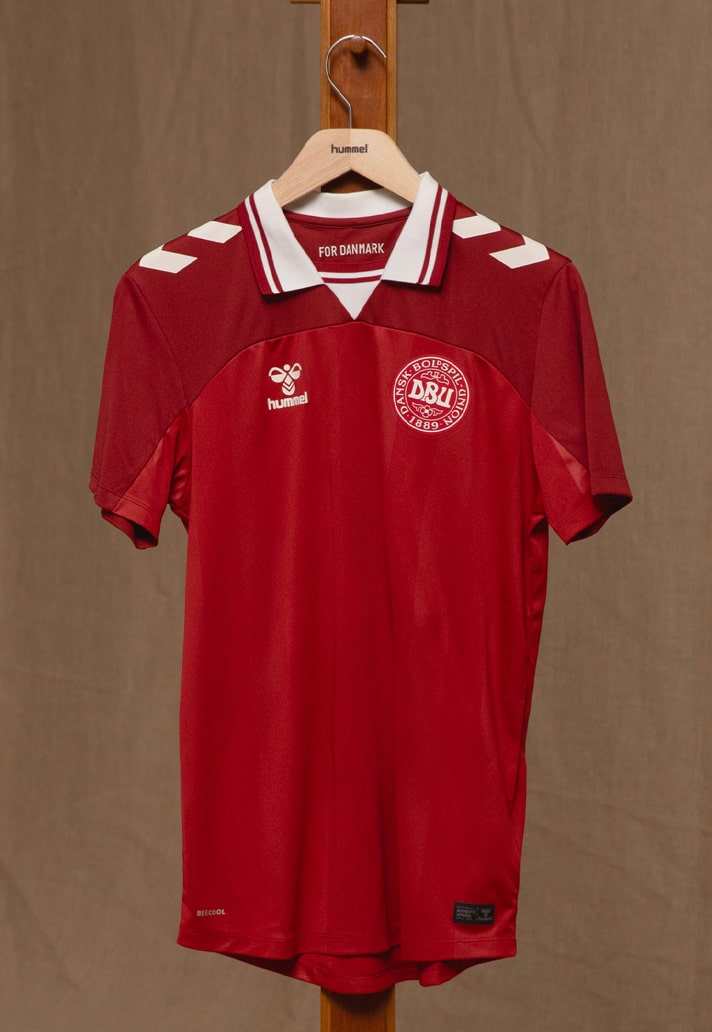
”Previously, the only way to show support for Denmark in the stands as a woman was to put on a men’s jersey, whether it fit or not, or whether you liked the design or not. I think it’s refreshing for a lot of female supporters to be able to put on a jersey they might actually think looks good. The fact that it symbolises the women’s team only adds to the appeal”, explains Johansen, suggesting that the design freedom in the women’s jersey space might mesh better with the current explosion in football jerseys serving as lifestyle items.
According to Johansen, the design freedom is even more pronounced in North America, where hummel is providing the six teams in the Canadian Northern Super League with kits for the current, inaugural 26/27 season and forward:
”Their franchise concept on both the men’s and women’s side, where you’ll design jerseys for the whole league, makes it a jersey design playground. If you add a freer design direction on the women’s side, and the fact that North America doesn’t have the same design restrictions as in Europe, you are really able to rethink what a jersey is supposed to look like. You have the opportunity to express something that points to something culturally significant beyond the pitch.” Vancouver Rise FC’s jersey, inspired by the city’s Central Park and Swangard Stadium by night, nods to local history and introduces a floral pattern unthinkable on most home jerseys anywhere just a couple of years ago.
The pioneering spirit of the design direction in the women’s jersey space also manifests in how women's jerseys are received:
”There is a completely different open-mindedness when we launch a women’s jersey. There’s no semi-conservative attitude towards what a jersey is ’supposed’ to look like, ’because that is how it looked 50 years ago, and this is the wrong colour blue’. I say that respectfully, because it’s the same conservatism that keeps us in business. But it’s just refreshing to work with an audience that does not see limitations, but instead embraces the ways a football jersey can also look”.
Some might object that creating separate men’s and women’s jerseys can muddle a nation or club brand. ”It’s a classic and ongoing discussion we have with both national and club teams. But when we asked the Danish women about their preferences, 10 out of 10 wanted their own jersey. That kind of shuts down any discussion. If they wanted the same kit as the men, then we’d have a discussion about that”.
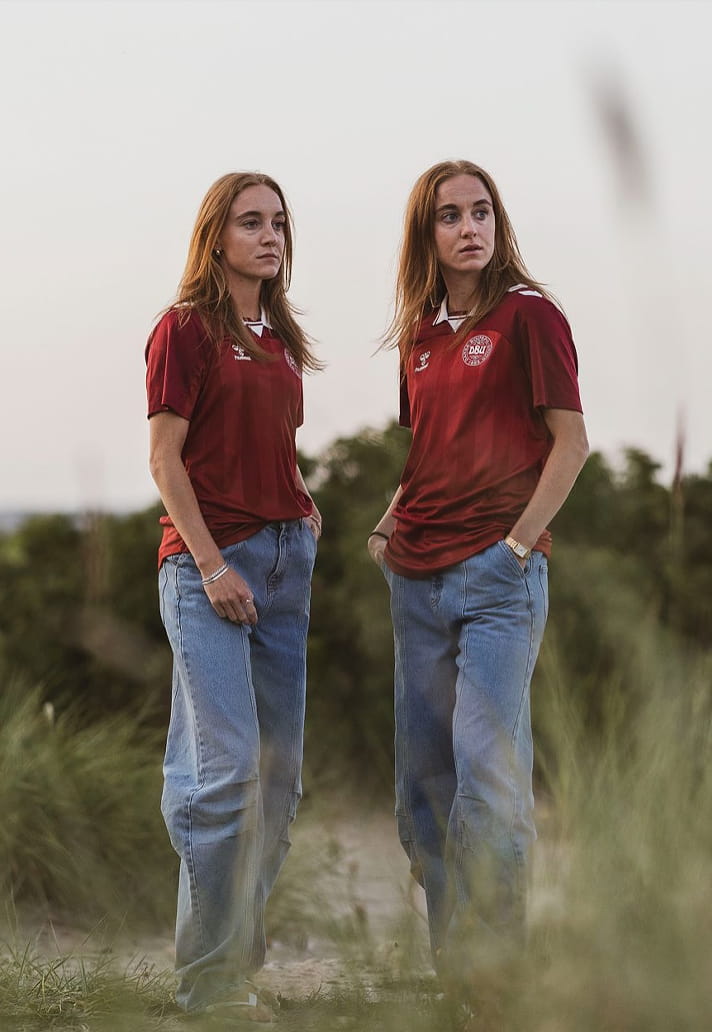
For Danish FCK, often referred to as ’the biggest club in Scandinavia’, there was never really any doubt that they wanted to offer their women’s team and fans bespoke kits when the team launched in 2024. You might say they arrived late, but they arrived in style. Most notably, purple was added to the traditional blue and white colour palette of the club, and the team has a separate front-of-shirt sponsor and lifestyle partner.
”From the beginning we wanted to create an independent FCK storyline for the women’s team. The women are part of the overall club story, but we want them to have their own identity – expressed through the jerseys as one of the most vital identity markers”, says Mads Jefsen, Marketing Director for FCK.
Like hummel, FCK was aware that introducing a whole new design language might ruffle some fan feathers.
”There was a risk that some fans would object that the jerseys didn’t signal ’one club mentality’. But with the lion on the chest (the FCK crest, ed.) and a clear FCK dna preserved in the jersey design, we decided that ’one club mentality’ is the women’s team having their own design language and being able to write their own story”, explains Mikkel Grove Lindsted, Commercial Director for FCK, and adds:
”The choice is also rooted in how we want to embrace our fans. The women’s team wouldn’t be able to tell their own story if they stepped on the pitch for their first match in 2024 in a men’s home jersey referencing 1994”.
Several clubs and even brands outside the footballing industry have knocked on FCK’s door, wanting to know how they are building a clear, independent identity for the women’s side while still being true to the overall club brand. ”I recently had lunch here in Copenhagen with a Director of an English WSL team. She bought a women’s away and a men’s away. She wanted physical proof that the men’s and women’s team can play in different jerseys,” says Grove Lindsted.
A common scepticism surrounding the women’s jersey and merchandise conversation is if any of it even sells. The answer is a resounding yes. Rather, there is a gaping gap between supply and demand.
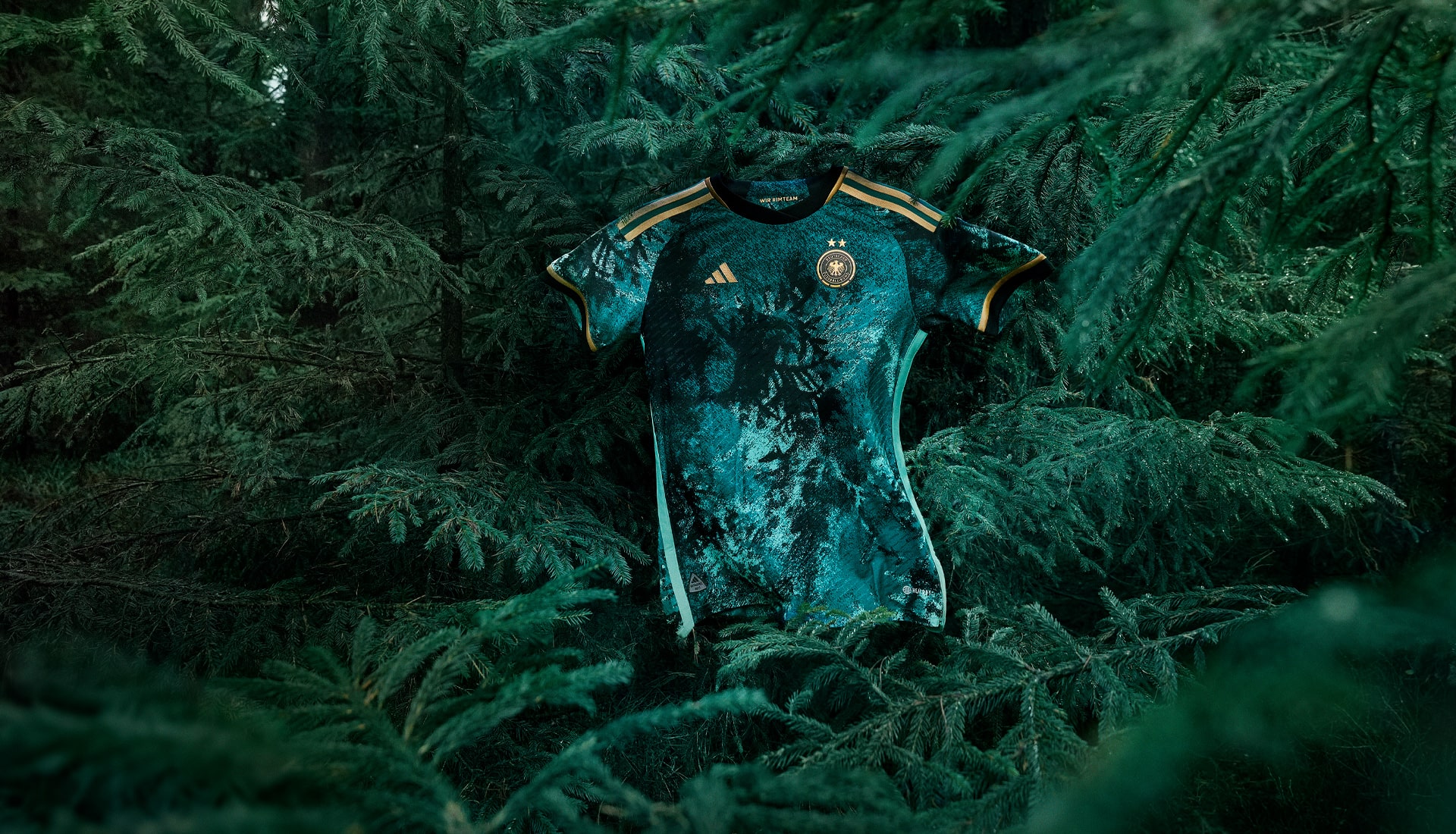
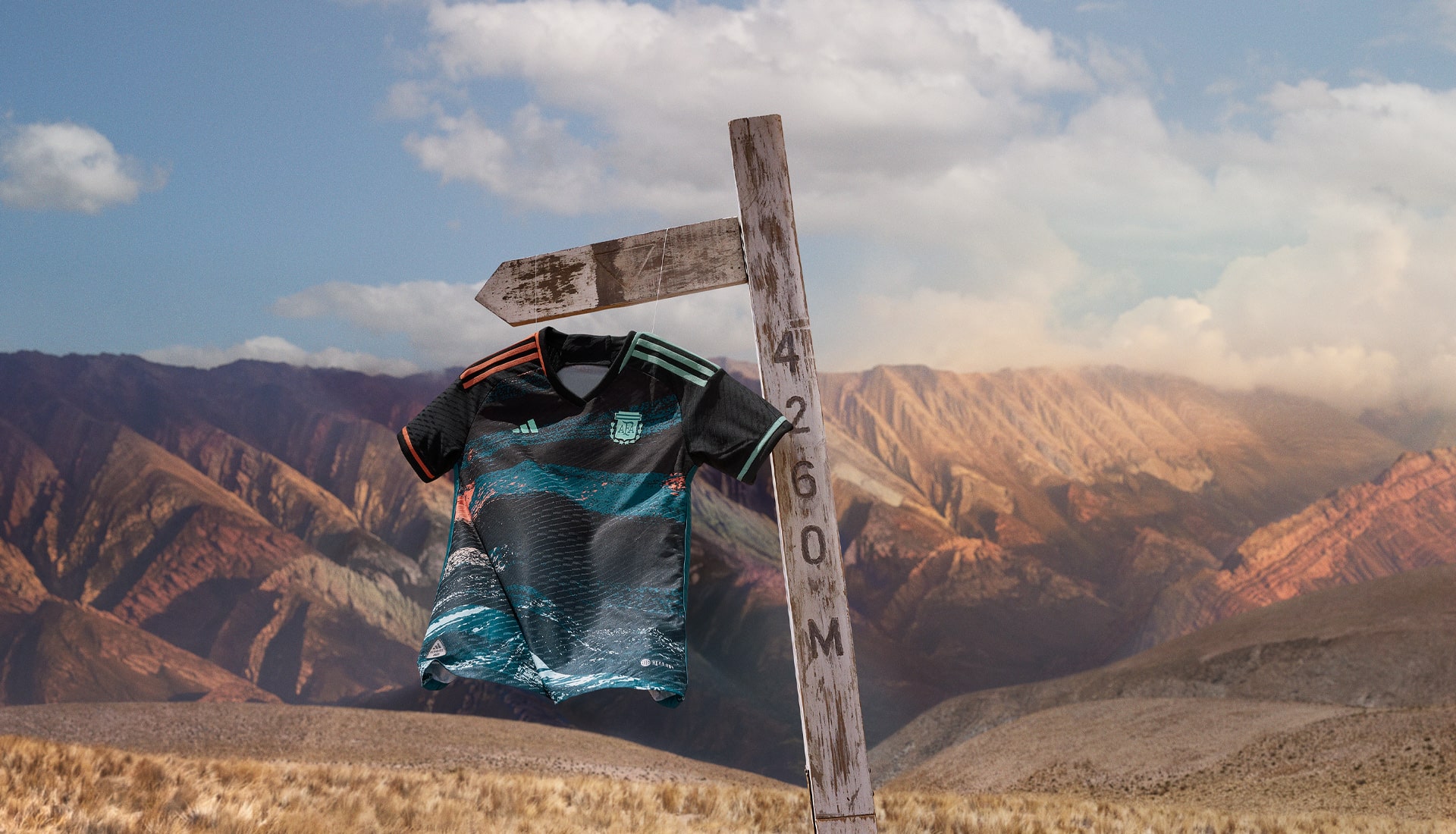
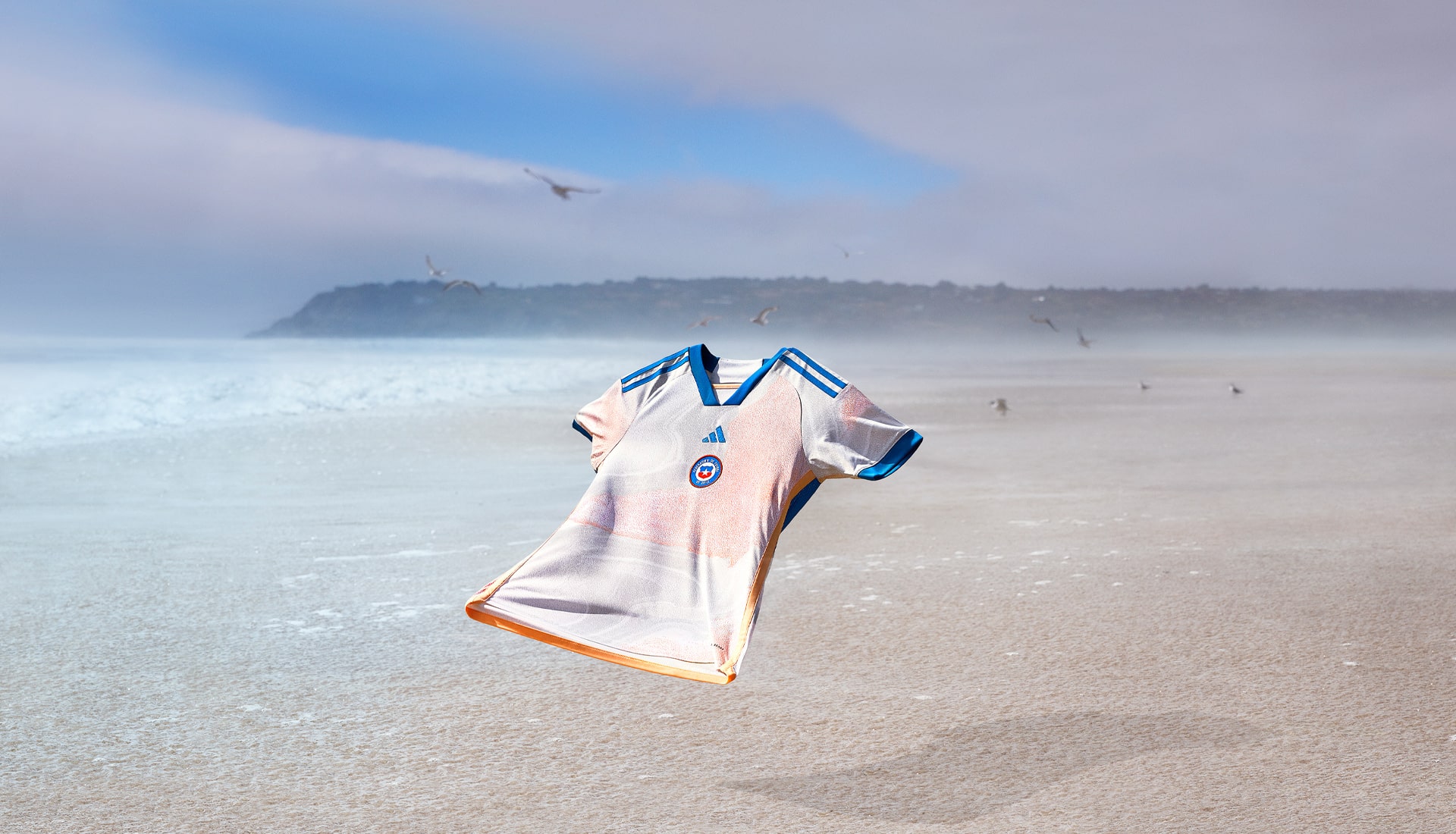
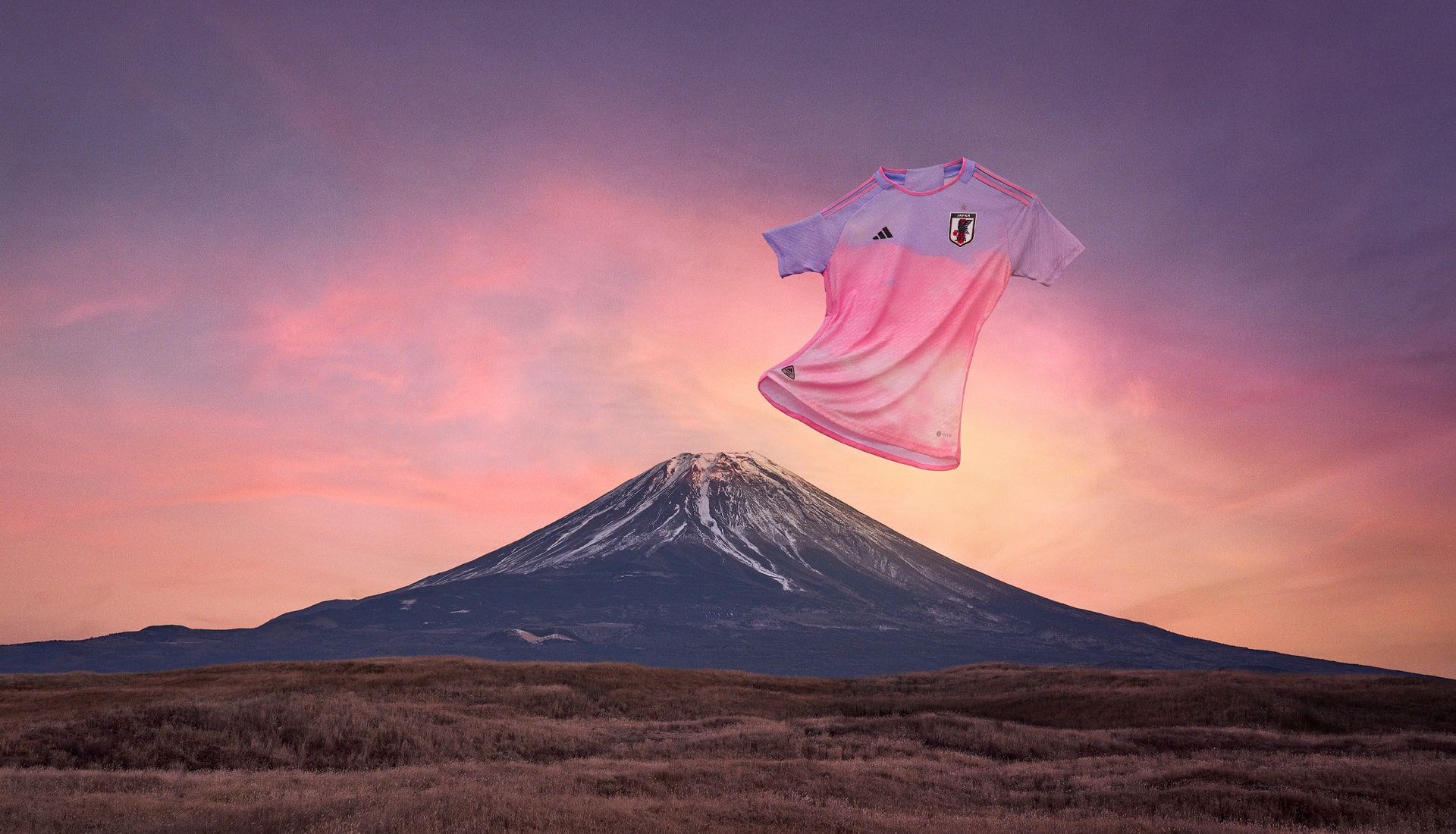
According to a 2024 report by Klarna and Sports Innovation Lab, with the global boom in women’s sports fandom, the women’s sports merchandise market is now valued at $4 billion per year, but remains largely untapped: eight out of 10 fans of women’s sports would buy more merchandise if a wider variety of options and styles were available, and retailers carry one piece of women’s sports apparel for every 9 items made for men. Many will remember the 170,000-strong petition for Nike to put Mary Earps’ 2023 World Cup England goalkeeper jersey on the market. It’s also quite telling that it wasn’t until this summer that the first physical store in the world dedicated exclusively to women’s football apparel, Foudys in Manchester, opened. Founded by Helen Hardy, Foudys started out as an online retailer for women’s football merchandise in 2020 as a reaction to the dearth of options for women’s sports fans.
And some more revealing data: In the UK alone, women’s football jersey sales went up 17% in 2024 (more than double the rate for men’s jerseys); women’s sports fans are extremely loyal consumers – for instance, 67% will buy merchandise even though they’ve never been to a game; And finally, in an unprecedented global financial power shift, women are set to control more money than ever, $31.8 trillion in global spend, within the next five years, making women equipped to put their money where their interests lie like never before.
Everything seems to point to this being the perfect moment in time to give any lingering conservative attitudes towards women on and off the pitch a redesign.