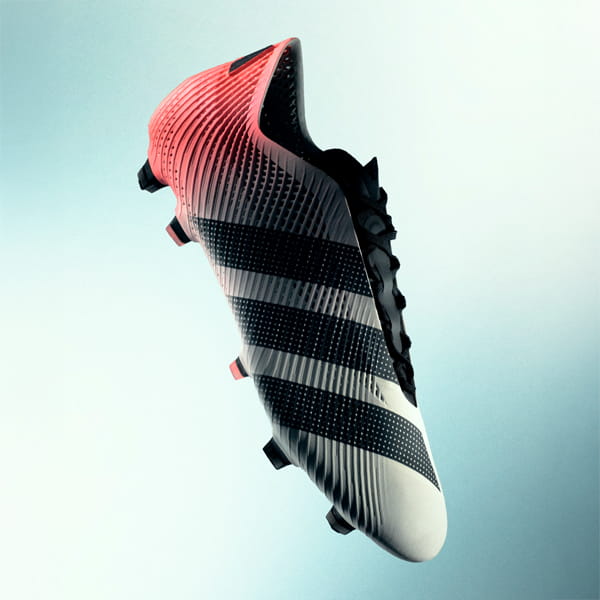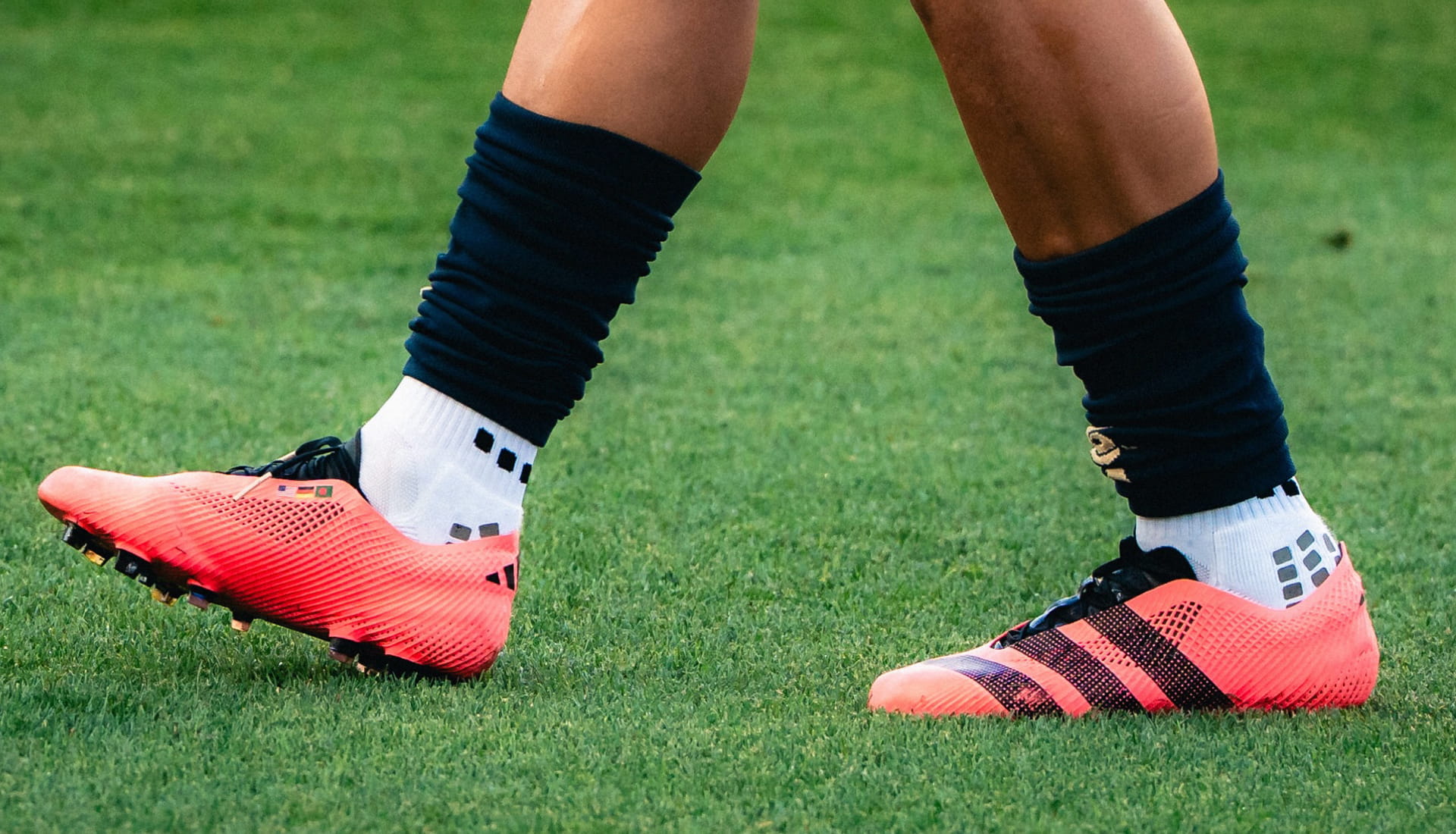


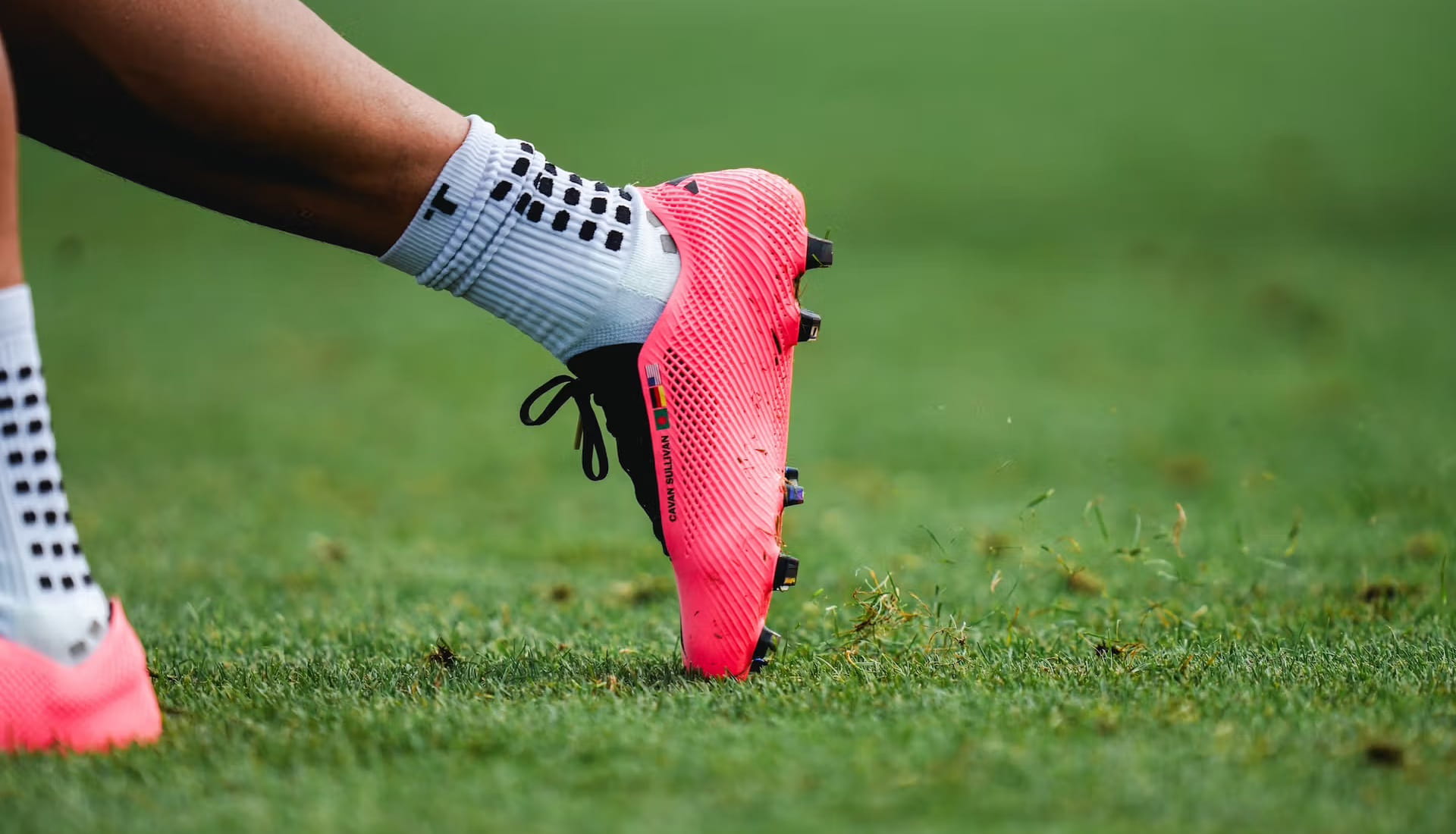
23 July 2026. Philadelphia Union's young prodigy, Cavan Sullivan, makes history, becoming the first player to wear a fully 3D-printed football boot in a professional match. On the surface, it's a landmark moment for football footwear innovation. But look a little closer and it raises a much bigger question: does this signal the beginning of the end for football boots as we've always known them?
For decades, the football footwear industry has operated on a relatively simple model. Brands design a boot, factories manufacture it at scale, players choose from a selection of options, and consumers buy into the same product. Even when elite athletes received bespoke modifications, custom lasts and personalised tweaks, the underlying process remained largely unchanged.
What adidas' Project R.A.P. introduces is something fundamentally different.
Elite footballers have always worn custom boots. That's not new. What is new is the possibility that customisation itself becomes the product.
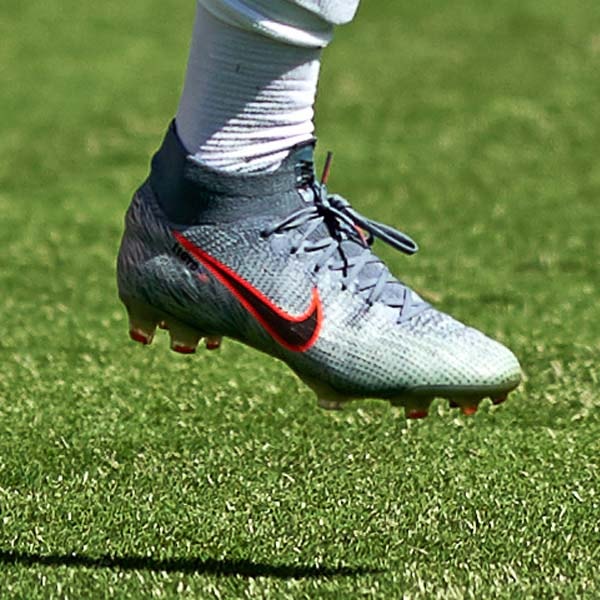
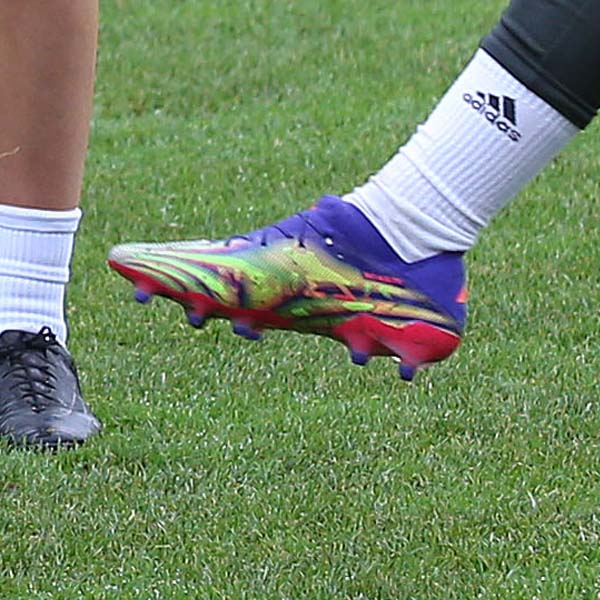
For the last three decades, football boot culture has revolved around shared icons. Everybody wanted Beckham's Predator. Everybody wanted CR7's Mercurial. Everybody wanted Messi's F50. The appeal wasn't solely rooted in performance technology. It was the connection to the players who wore them. The dream was simple: wear what your heroes wore.
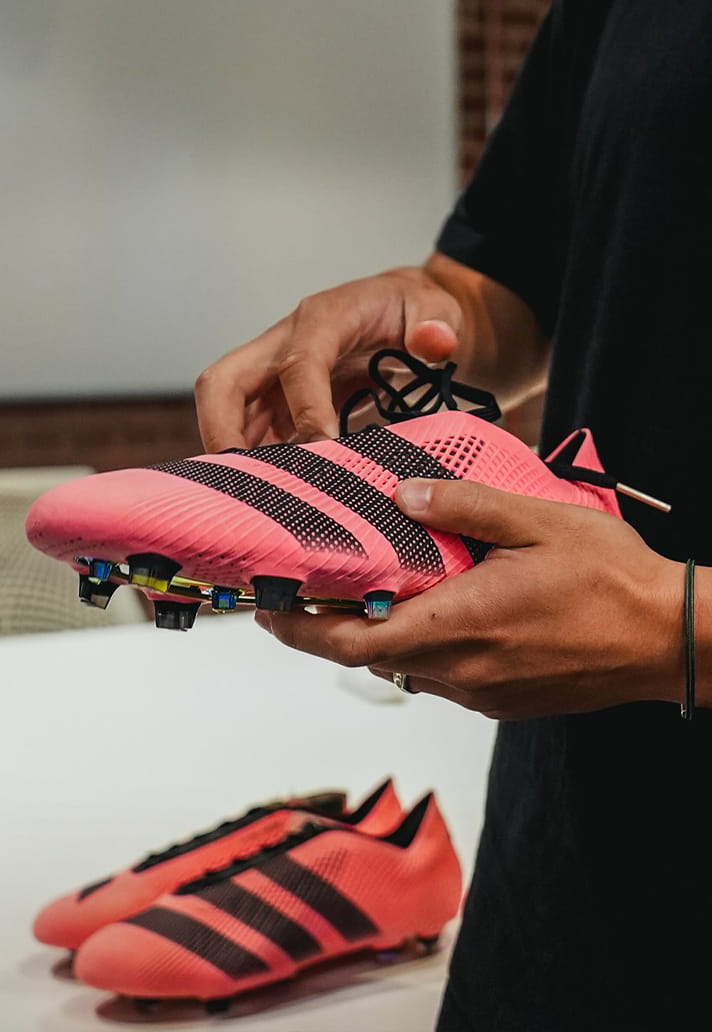
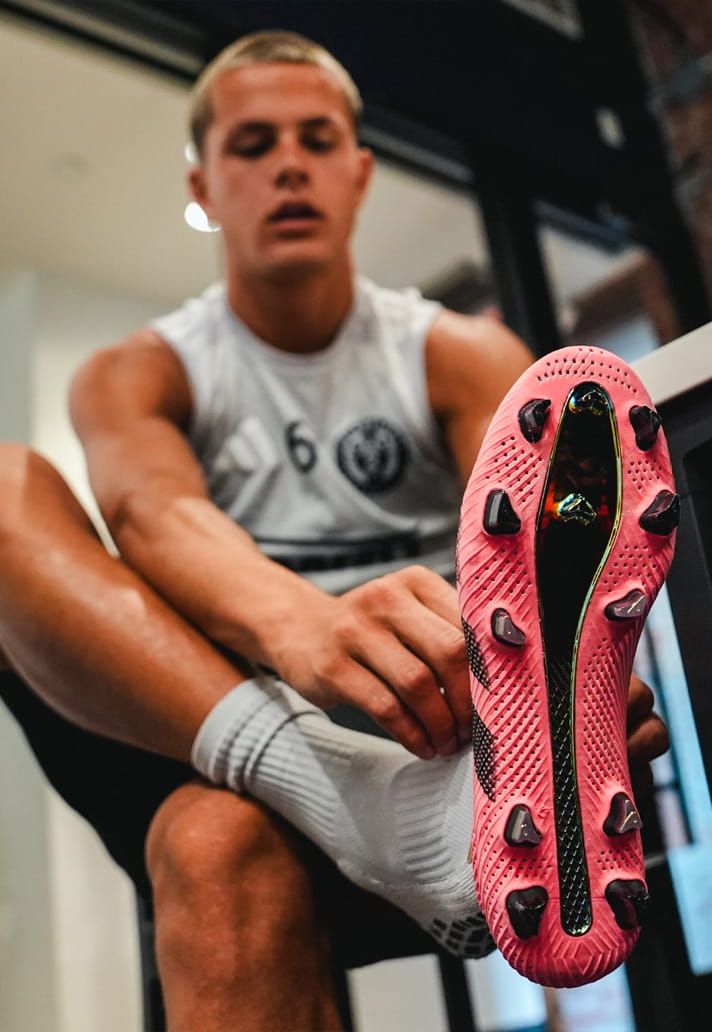
But if 3D manufacturing opens the door to truly personalised boots, what happens to that culture? What happens when the aspiration is no longer to wear their boot, but a boot created specifically for you? That shift alone would represent one of the biggest cultural changes football footwear has ever seen.
The starry-eyed 10-year-old watching Cavan Sullivan against the New York Red Bulls may still dream of becoming the next superstar. But in the future, they may not dream of wearing the same boots as him. Instead, they may dream of owning a pair designed entirely around their own feet, movement patterns and playing style. And if that happens, what becomes of football's iconic silos?

Photo by Jeremy Criden

Photo by Jeremy Criden
Imagine a future where a player walks into an adidas store, has their feet scanned, undergoes a biomechanics assessment, and receives a boot generated specifically for them. What exactly are they buying? A Predator? An F50? Or simply an adidas football boot built around their own personal data?
Traditionally, the industry's biggest products have been defined by shape, technology and identity. In a bespoke future, the defining characteristic becomes the individual athlete. Suddenly, the star of the story is no longer the boot. It's the wearer. That's both a slightly uncomfortable prospect and an incredibly exciting one.
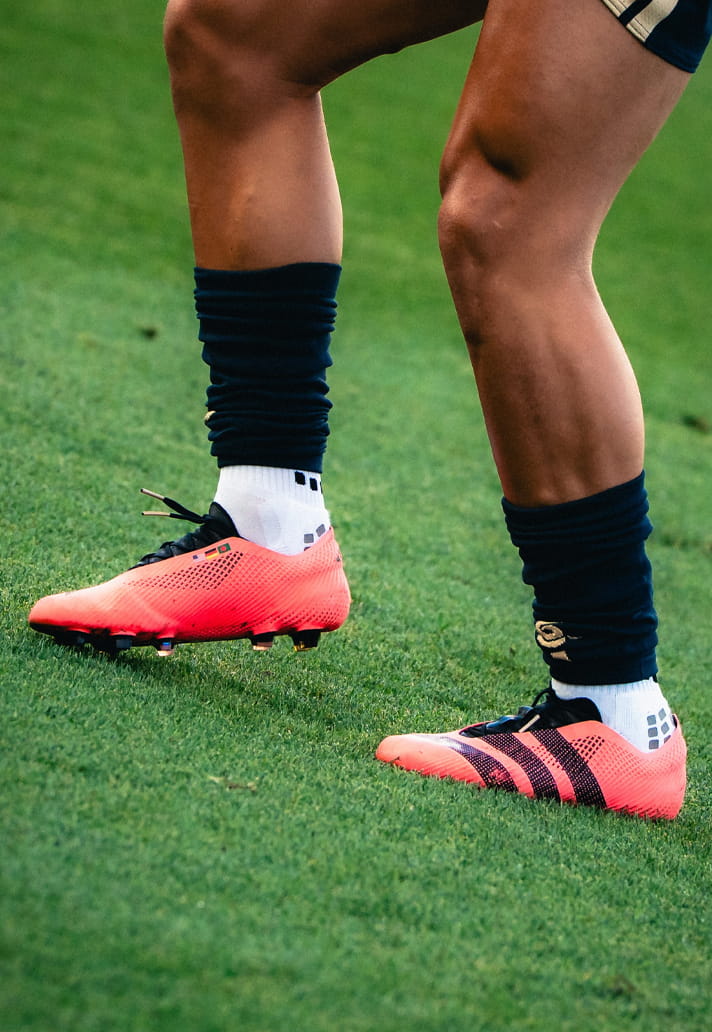
Photo by Jeremy Criden

Photo by Jeremy Criden
The excitement comes from what 3D manufacturing potentially unlocks. While elite athletes have enjoyed personalised footwear for years, personalisation at scale has always been restricted by manufacturing realities. Producing unique boots for a handful of sponsored stars is achievable. Producing unique boots for millions of consumers is another challenge entirely. Or at least it was.
3D printing changes the equation. For the first time, the industry can begin to imagine a future where mass production and personalisation are no longer opposing concepts. Instead of creating one boot for millions of players, brands could potentially create millions of boots for individual players. That's not simply a new product, it’s an entirely new manufacturing philosophy.

Photo by Jeremy Criden
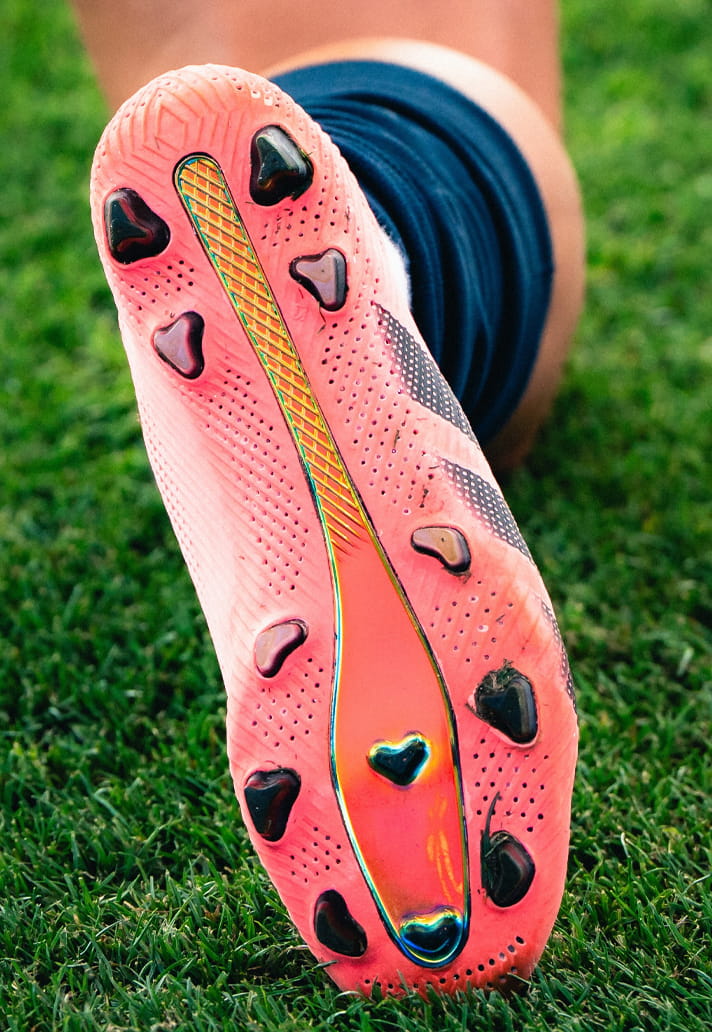
Photo by Jeremy Criden
The implications stretch even further when you consider how football boot culture currently operates. The industry runs on launches. New silos, new generations, new colourways, remakes and innovations fuel anticipation throughout the year. But what happens when the boot becomes digital-first? What happens when a player's foot data exists as a living file that evolves over time?
Instead of replacing a boot every 18 months, perhaps that file simply updates. A pressure point resolved here. Additional support added there. A redesigned structure created around changing performance needs. The future starts to look less like seasonal product drops and more like software updates.
For brands built on blockbuster launches, that's a radical prospect. And for consumers, it raises questions about whether some of the shared culture surrounding football boots could be lost in the pursuit of individualisation.

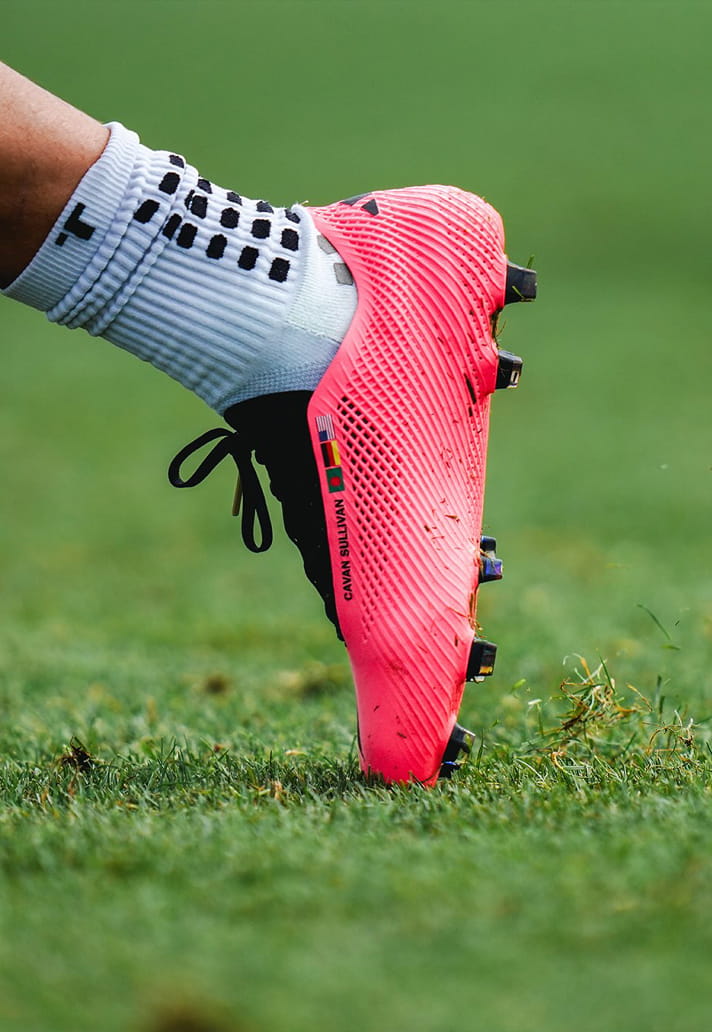
Yet perhaps the most fascinating question concerns aspiration itself.
Football boot culture has always been driven by imitation. Kids, and plenty of adults for that matter, have always wanted to wear what their heroes wear. Project R.A.P. suggests a future where the ultimate football boot isn't somebody else’s. It's yours.
That's a fundamental shift because, suddenly, the rarest football boot in the world isn't a limited-edition release. It isn't a player exclusive. It isn't a sample that never made it to retail. It's a one-of-one.
History will remember Cavan Sullivan as the first footballer to wear a fully 3D-printed football boot in a professional match. But the significance of that moment may extend far beyond a single MLS appearance.
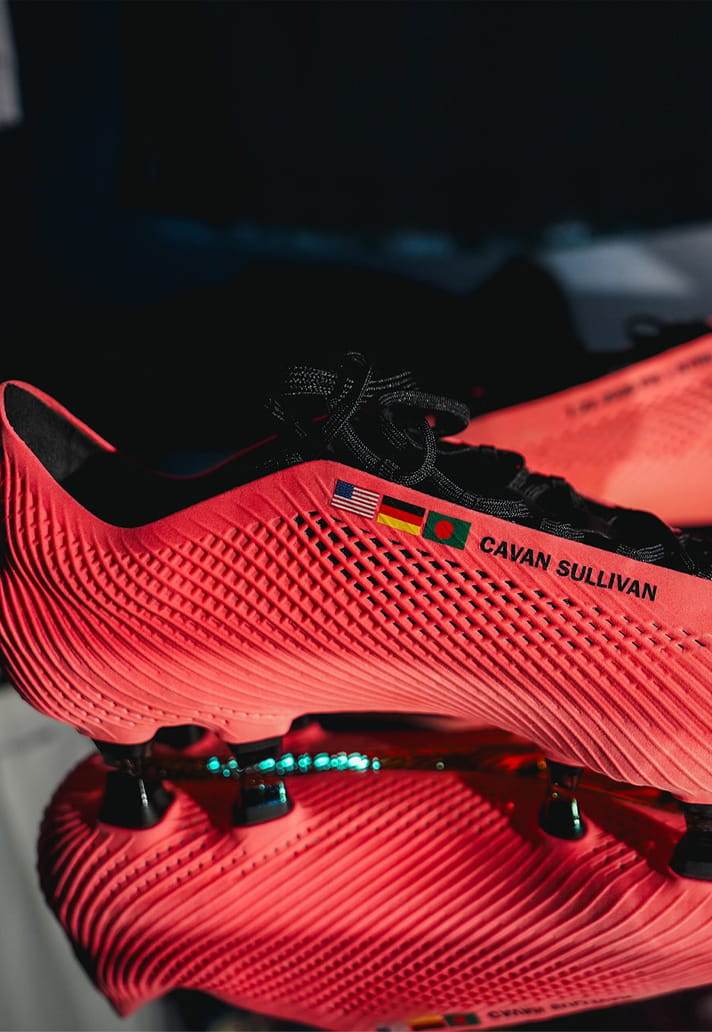

For more than a century, football brands have built products for the many before adapting them for the few. Project R.A.P. hints at a future where that process is reversed, where the individual athlete becomes the starting point rather than the end point.
If adidas can make bespoke manufacturing scalable, then this isn't simply the arrival of a new football boot, it's the beginning of an entirely new way of thinking about football footwear. Is that a bit scary? Sure. But it’s also incredibly exciting.
Select photography by @j.c_creative