A few years ago, suggesting that Skechers might become a serious football brand would have sounded utterly ridiculous.
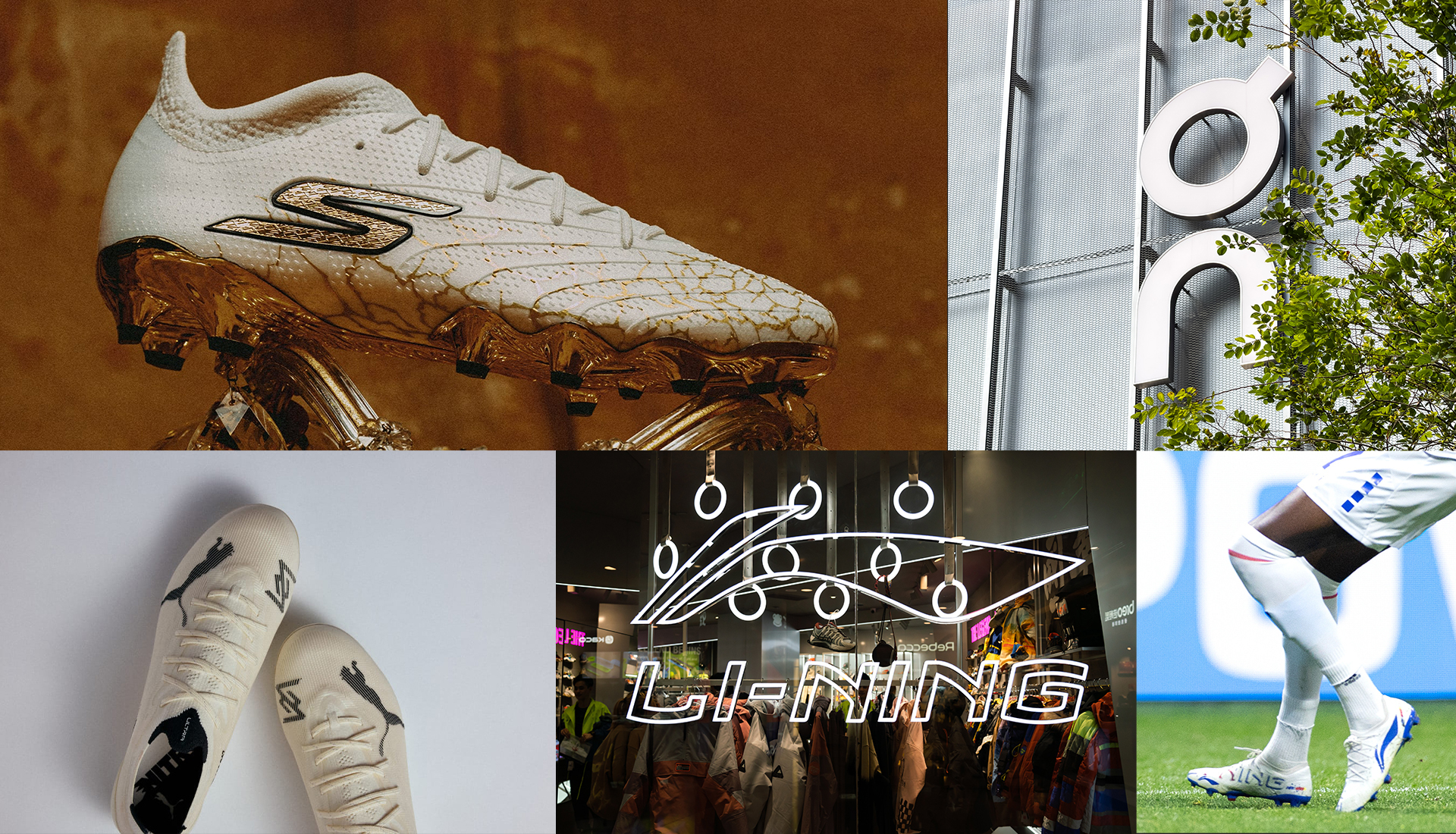
Then, in 2023, it launched a football boot and Harry Kane was wearing it. The product was good, it looked good and, naturally, people bought it. Then, almost overnight, Skechers became a part of the furniture of a professional football pitch.
The important part of the Skechers story – aside from the fact that it took them a lot of graft to get to where it now is – is the proof that football’s notoriously difficult-to-open front door wasn’t as firmly locked as everyone thought. As SoccerBible wrote at the end of last year, the brand went from wildcard outsider to credible football operator in the space of two seasons.

Now it’s worth asking who follows them, because there are signs everywhere that a new generation of sportswear brands are beginning to circle.
On is the obvious one. The Swiss company has spent the past decade turning funny-looking running shoes into one of the most desirable sportswear businesses on the planet. It passed CHF 3 billion in annual revenue in 2025 and is still growing quickly, while expanding well beyond the category that made its name.
Tennis, training, apparel, fashion collaborations and athlete partnerships are now all part of the On universe. In the first half of 2026 alone, its apparel sales grew more than 46 per cent. Football has been getting closer, too.
Back in 2022, when On became an off-pitch footwear partner of FC Basel, co-founder Olivier Bernhard laughed off the idea of making football boots. Three years later, the brand signed Barcelona and Switzerland midfielder Sydney Schertenleib as a Training and Lifestyle ambassador.

This summer, with rumours swirling around Kylian Mbappé’s future with Nike, On was suddenly being spoken about as one of the companies pursuing the Frenchman.
Of course, that doesn’t mean an On football boot is waiting to be unveiled, although it does mean that the idea of which no longer sounds entirely silly. That – mostly thanks to Skechers – is where things have changed.
For years, becoming a football brand meant behaving like a football brand. You needed boots, years of development, players to service, clubs contracts and a distribution network DHL would be proud of. The likes of Nike, adidas and PUMA had built infrastructure extraordinarily difficult to replicate.
That hasn’t disappeared, you just no longer necessarily need to attack all of it at once. Take Represent 247, for example.
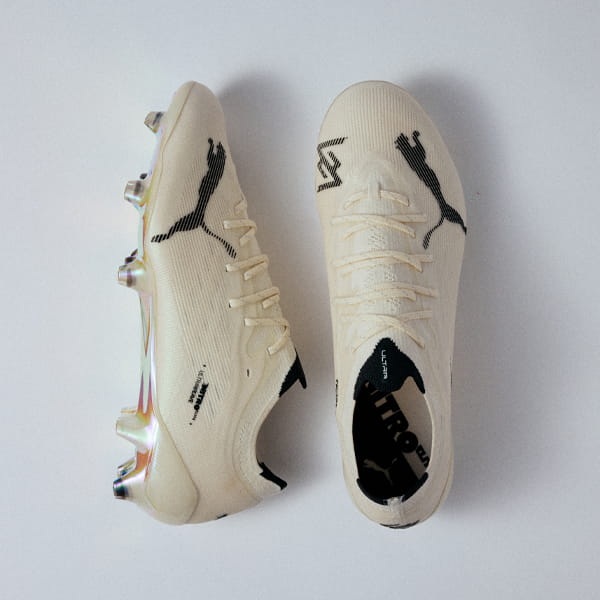
Its latest collaboration with PUMA sees the British lifestyle brand apply its own design language to the ULTRA NITRO 7, fronted by Cody Gakpo. It is 247’s first football boot, arriving after performance-running projects with PUMA and several years of Represent playing with football references elsewhere in its universe. PUMA supplies the technical machinery, while 247 supplies a different audience, aesthetic and cultural point of view.
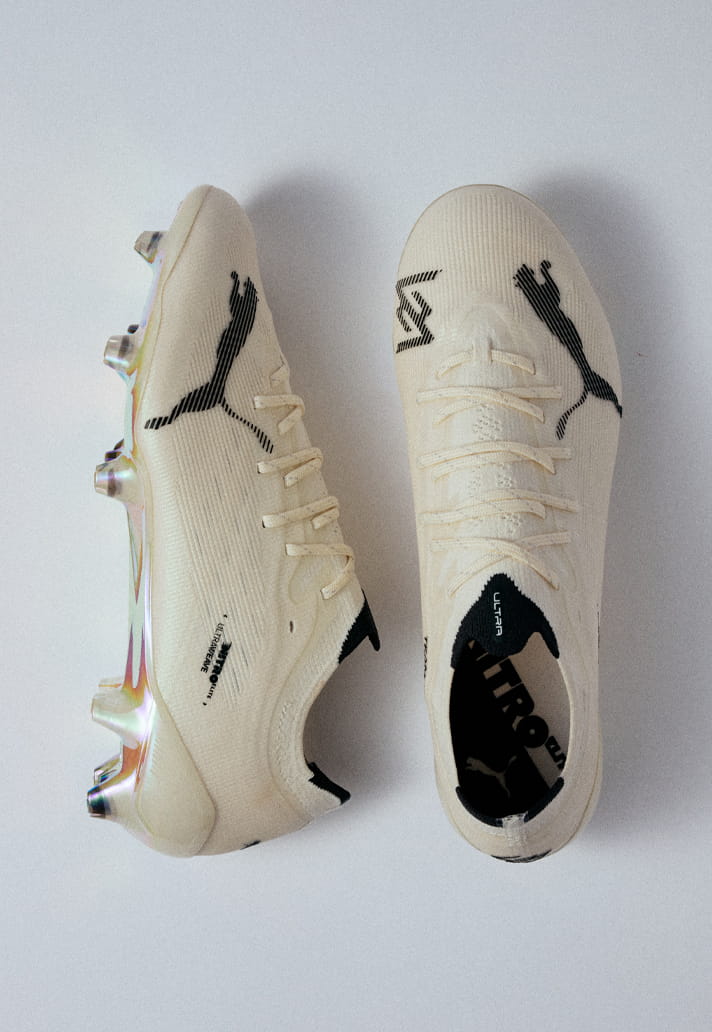
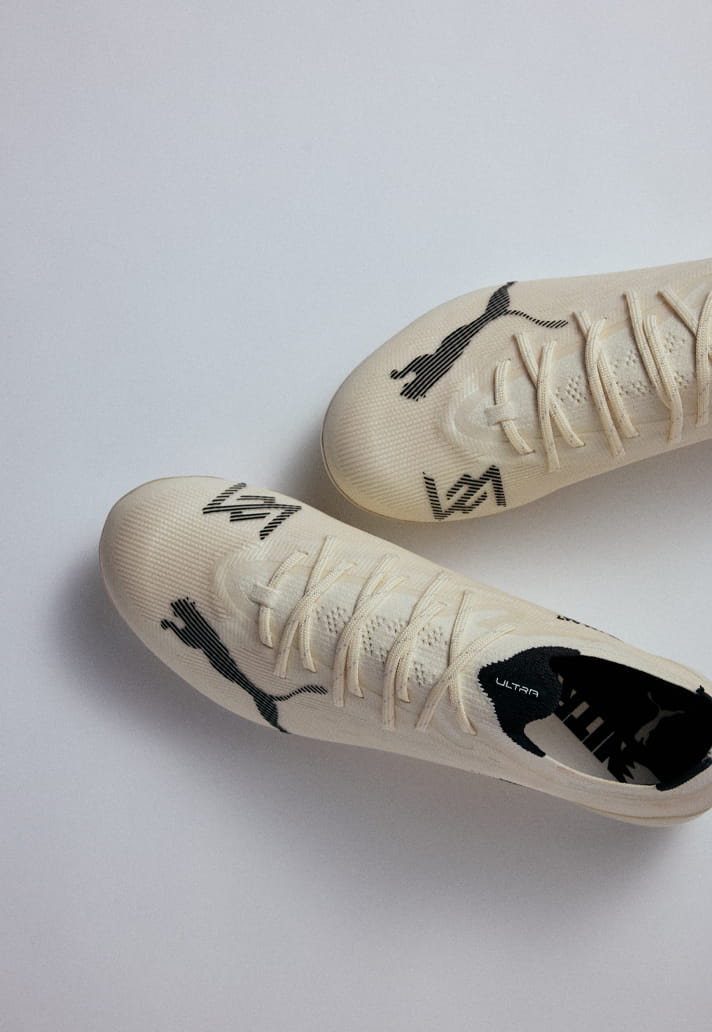
For me, this was a reminder that the next challenger brands, whoever they may be, might not look anything like Skechers. Some will make boots, some might design kits, while others could sign players for their training and lifestyle wardrobes. It’s important to remember that in 2026, football is much bigger than just a matchday product.
Increasingly, players are arriving at stadiums like models rolling up to a runway show. Clubs are releasing lifestyle collections, fourth kits and limited-edition collaborations with a plethora of fashion mainstays.
Take lululemon, for example. A move into football, at this stage anyway, is purely speculative, but the infrastructure around it is becoming easier to imagine. The company has moved deeper into elite sport through tennis and Formula 1, dressing the likes of Frances Tiafoe, and working with Lewis Hamilton on performance product.
Alo and Vuori occupy a similar territory. Neither needs to imminently announce a £250 speed boot to matter to football, as both already represent a generation of performance-lifestyle businesses that understand athletes are as valuable off the pitch as they are on it.

Vuori has already moved from athleisure into genuine competition product through its partnership with tennis player Jack Draper, while brands across this category are increasingly using elite athletes to establish credibility with consumers.
Then there are the names Western football tends to overlook.
Li-Ning – the major Chinese athletic apparel and footwear brand – was briefly dragged into the Mbappé conversation this summer, although the they subsequently denied any involvement.
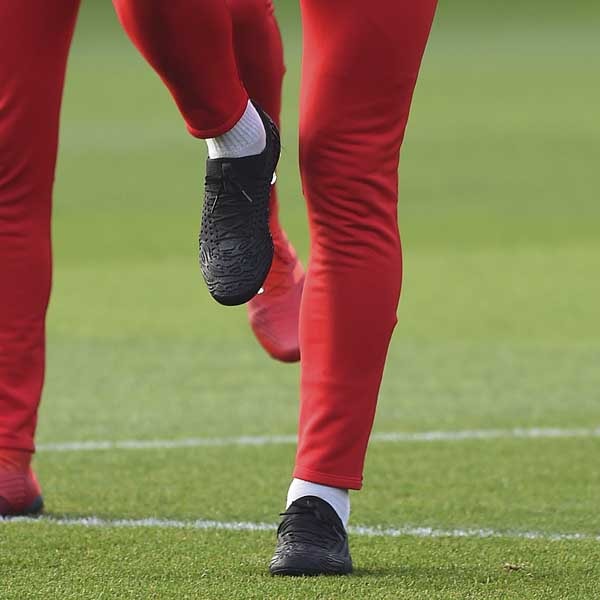
But dismissing Li-Ning altogether would be a mistake. Last year it generated $29.6 billion in revenue and already has a football footprint in China, supporting youth tournaments and developing its own Fengrui football boots, worn by Cape Verde international Willy Semedo at this summer’s World Cup (below).
Zoom out slightly further and the scale of Chinese sportswear becomes even more obvious. ANTA Sports generated $43.51 billion in revenue in the first six months of 2026 alone and, in January, agreed to acquire a 29.06 per cent stake in PUMA for €1.5 billion. The idea that the future of football sportswear will be decided between the same European and American names in the same way it always has been starts to look outdated.

In a similar vein to the world of running – where challenger brands have virtually levelled the playing field – none of this means the likes of Nike, adidas and PUMA will disappear – it just means they won't be overpowering. Their advantage remains enormous, with decades of technical knowledge, iconic product franchises, player relationships, club contracts and a level of football-specific infrastructure challengers cannot simply buy overnight.
And Skechers is evidence that even with serious investment, breaking football takes time. Yet the interesting threat isn't necessarily another company becoming a member of a new "big boys", it’s football becoming too fragmented for a big boys to matter quite as much.
That's why the Mbappé rumours have been so fascinating. Whether he actually leaves Nike for On, lululemon or anyone else is almost secondary. The fact those names can now be mentioned tells you something has already shifted. Skechers showed that an outsider can get in, while Represent is proving that you don’t necessarily have to get in through the front door per se.
And somewhere out there, another brand is probably looking at all this very intently, and wondering why it couldn't be next.