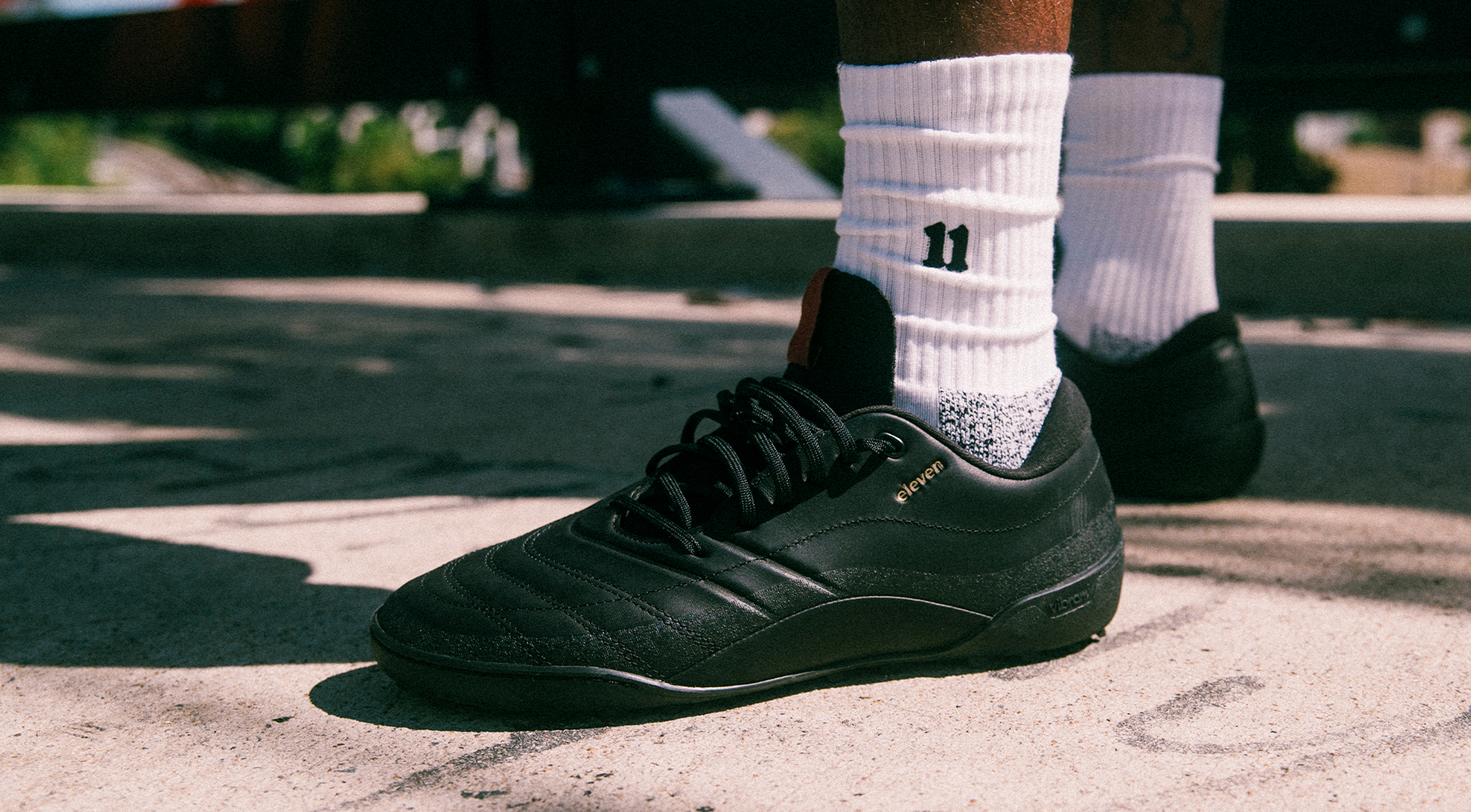
“There’s a lot of shouting with boots in the space,” says Ben Chehebar. “We didn’t want to add to that noise.” Spend any amount of time looking at football boots right now and you’ll understand what Chehebar, the founder and creative director of Eleven, means.
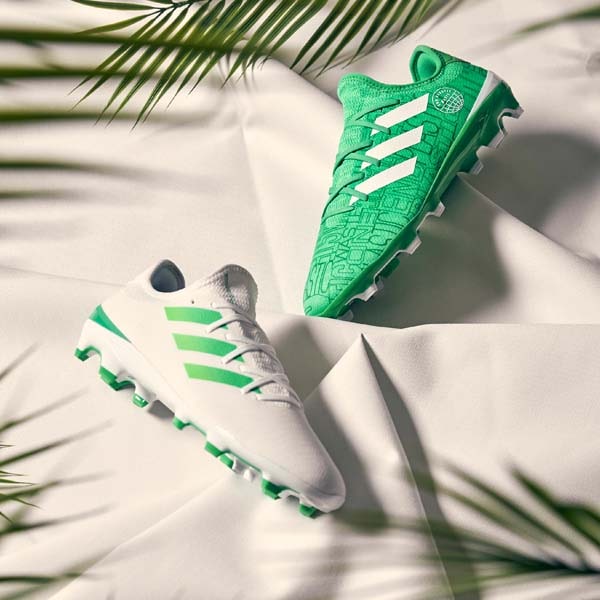
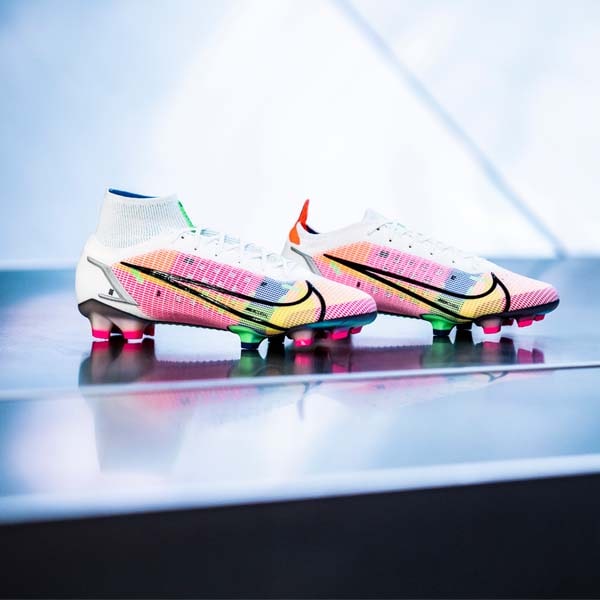
The category is saturated with speed systems, grip technologies, engineered uppers, laceless constructions, featherweight chassis and proprietary terminology. New models arrive, then new colourways, then slightly altered versions of those models.
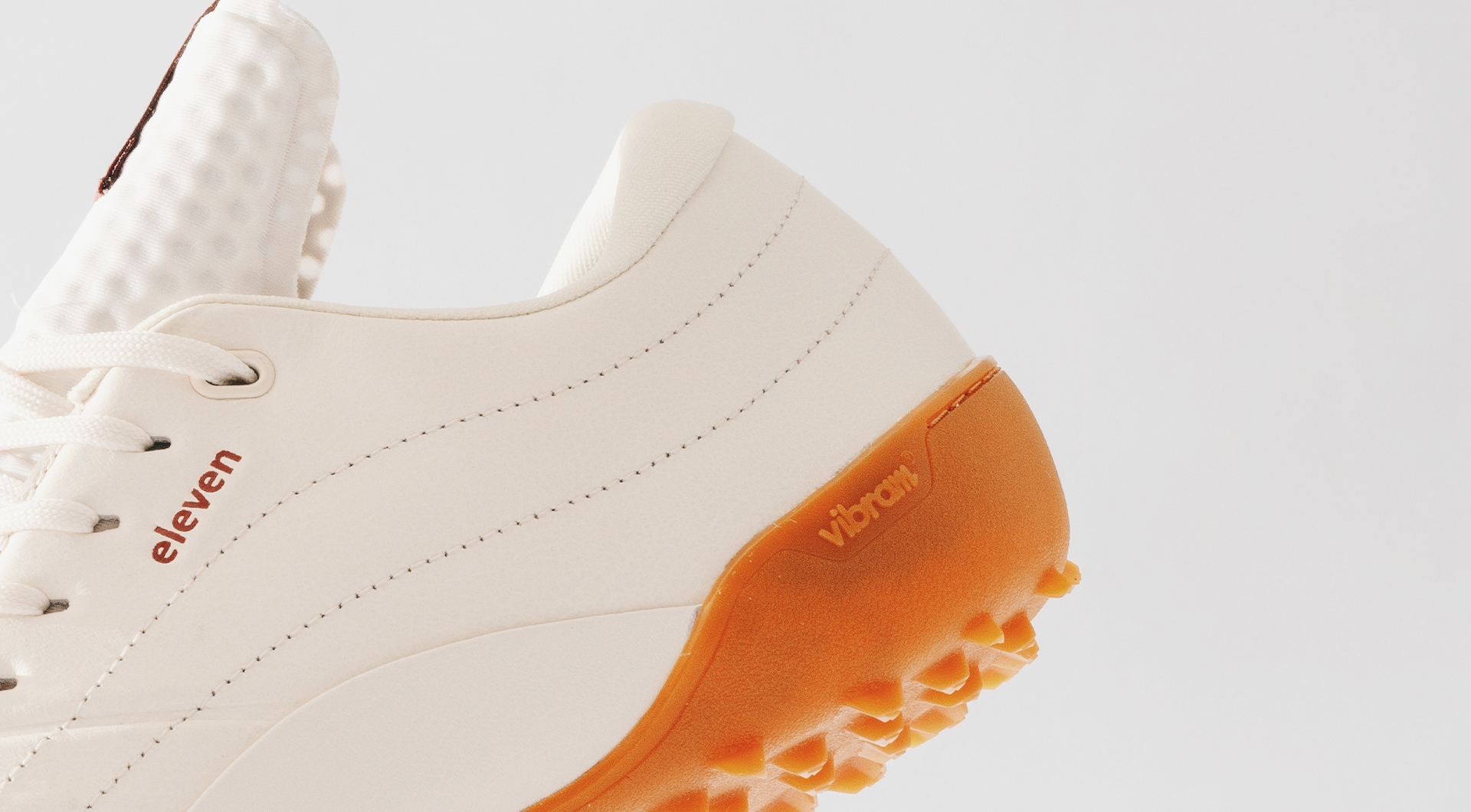
Eleven, the independent US-based football boot brand, is interested in something quieter. That means fewer products, better materials and more consideration.
“We focused on making the best boot we could, with the best materials, and letting that stand on its own,” Chehebar tells me. “Our vibe is deliberately understated as a way of purposefully trying to be different from the other brands.”
Admittedly, that might sound like classic challenger-brand positioning and I would’ve called it so were it not for Chehebar’s background. Founded in 2024, Eleven wasn’t conceived by someone observing football footwear from the outside, Chehebar has been thinking about how boots are made for the best part of 15 years.
Growing up in New York, football was simply part of the furniture. Chehebar played alongside his two older brothers, his dad coached, and his Manchester-born mother made sure United were the family team.
The boots themselves, though, weren’t objects of worship. “I wouldn’t qualify as a ‘boot nerd’,” he admits. “I’ve never been a collector and can’t rattle off the different generations of the Mercurial.”
What interested Chehebar was how physical things worked: materials, construction, and engineering. At university, one of his senior engineering projects centred on developing technology specifically for football boots. Then, not long afterwards, a cold email to adidas’ Innovation Team turned into a job.
Then, somewhat unexpectedly, he left footwear behind. More than a decade in technology followed, but the idea of creating his own football boot company never entirely disappeared. When Chehebar eventually reached a point where he could reconsider what the next phase of his career looked like, he returned to the thoughts he’d had as a student.
“Eleven has been a long time coming,” he says. “It just felt like the timing was right. Sort of a ‘now or never’ moment.” The timing was interesting for another reason, too. While football remained controlled by its handful of enormous footwear manufacturers, other sports were beginning to prove that scale wasn’t the only route to relevance.
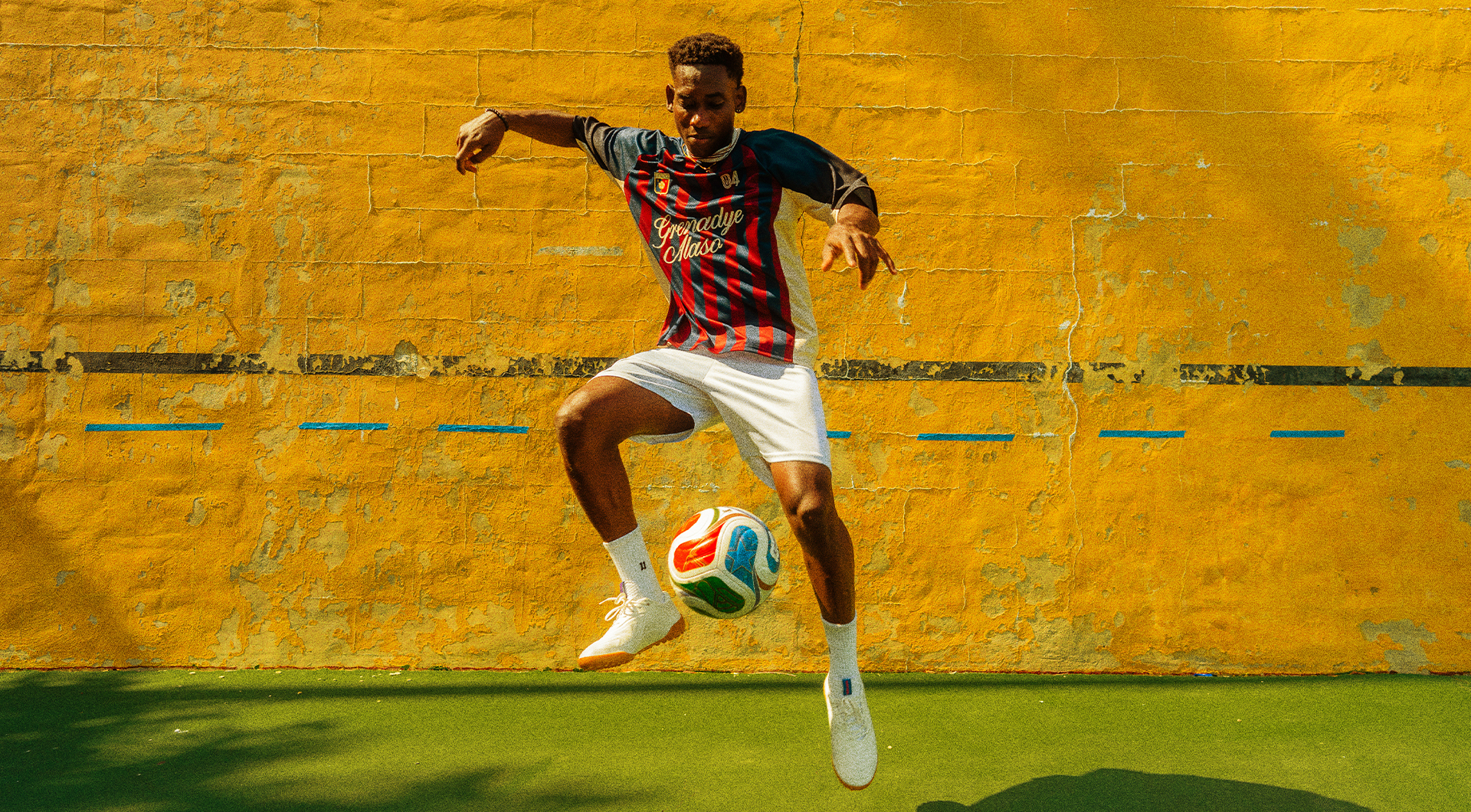
Running produced start-up brands with highly specific aesthetics, fiercely loyal communities and enough product credibility to influence companies many times their size. Football hadn’t really had an equivalent. “There are so many incredible challenger brands popping up in other sports,” continues Chehebar. “But football hasn’t had that same moment. There was the opportunity.”
But where do you begin when Nike, adidas and PUMA have decades of research, athlete relationships and marketing budgets behind them? Not, apparently, by trying to make the lightest boot on Earth.
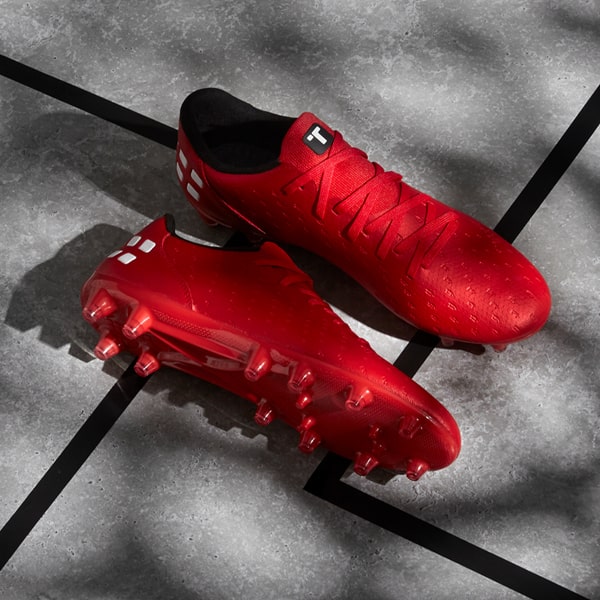
Chehebar and designer Tom Rushbrook instead started with artificial turf, an area where Chehebar felt the existing options were surprisingly poor. The thinking behind the TF1 – Eleven’s first boot – was almost unfashionably practical: real leather, a comfortable shape, a substantial feel underfoot and a product designed for footballers who wanted to continue enjoying football without their feet paying for it afterwards.
“There was a void for the older players playing on hard turf, who have a nostalgia for kangaroo leather and just want to be comfortable on the pitch,” he says. Then comes the line that perhaps best explains Eleven’s first product: “Less about looking the fastest, more about building a beautiful boot that helps players keep playing.”
Football footwear has spent decades associating performance with aggression, and being faster, lighter, sharper, and more explosive. The visual language follows suit. Boots increasingly look as though they should be travelling at 100mph while stationary.
Eleven’s TF1, however, does not. Its simplicity is intentional, though Chehebar is careful not to turn that into some sweeping rejection of modern footwear. He has previously described frustration with tight, synthetic boots, but now admits the reality is more complicated.
“I might have put my foot in my mouth on this one,” he laughs, noting with some amusement that Eleven’s forthcoming TF2 will itself use a synthetic upper. “What I’ve learned from Eleven is that there’s no single boot that will work for every player.”
It’s important to understand that Eleven isn’t anti-technology. Far from it, as it happens. The TF1 introduced a drop-in midsole to football footwear and future models will lean further into engineering.
Instead, Chehebar appears more interested in questioning the automatic assumption that more technology equals a better product. “The biggest thing is how the boots make you feel. Specs and tech can make players feel higher performing, and perception can go a long way in performance.” Others just want their boots to feel good.
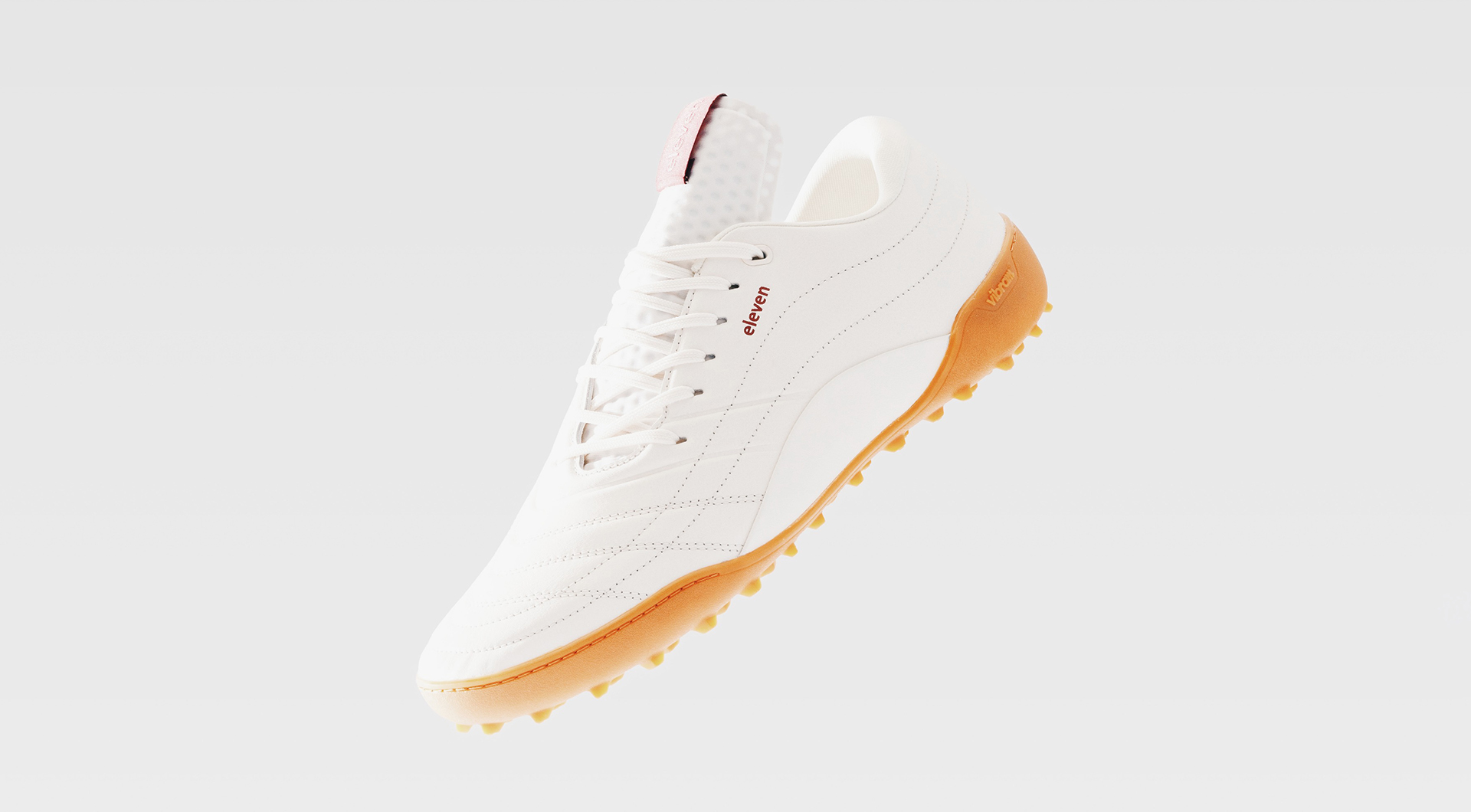
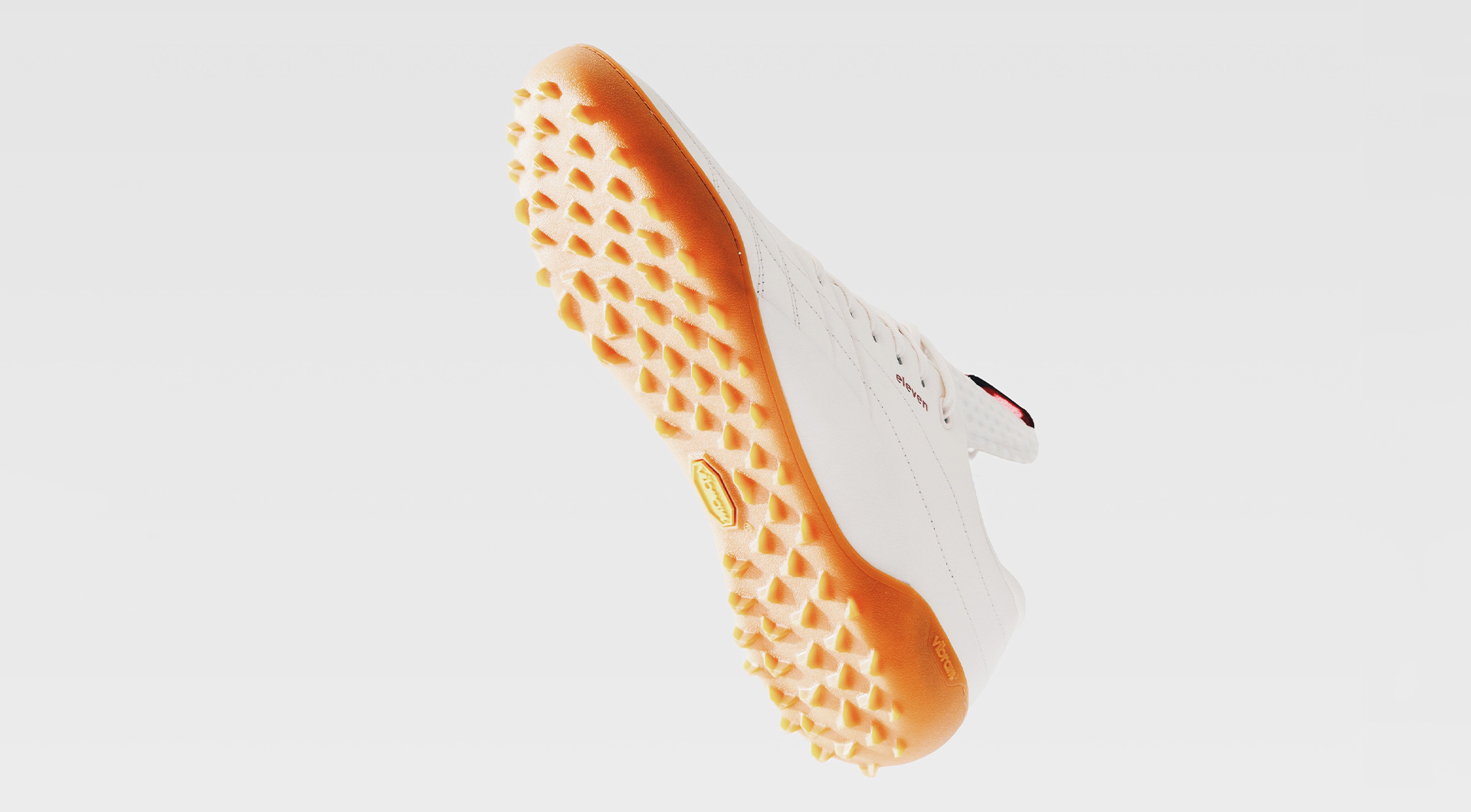
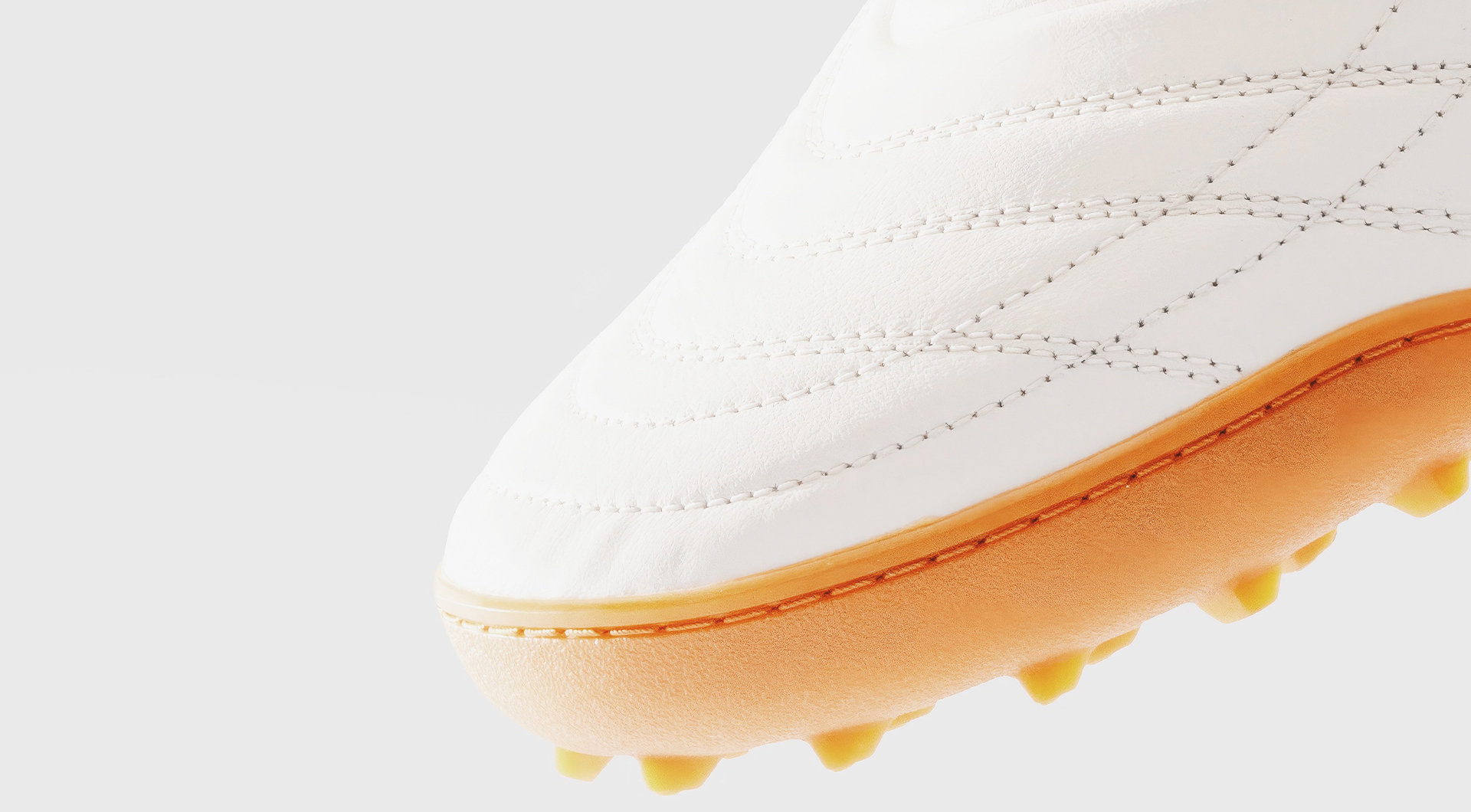
Eventually, Eleven intends to cater for both. Its “1” products will represent what Chehebar calls its “craft” side; the “2” line will be more engineered. It’s a small product architecture, and that’s the point.
One of Chehebar’s biggest frustrations with football footwear is not a lack of product, but precisely the opposite. “There are just way too many products on the shelf without clear differentiation,” he says. “It’s confusing to the consumer.” And the clutter doesn’t stop at product.
There is also football’s dependence on superstar endorsement: the familiar model of putting the newest boot on the feet of the world’s most famous player, building a campaign around them and hoping some of the magic transfers at retail.
Eleven does not have that luxury. Which, at this stage, might actually be useful. Instead, Chehebar has made himself unusually visible. Development is shared publicly, prototypes, decisions and mistakes become part of the story. When somebody buys a pair, they’re sent a link to his calendar and invited to have a conversation.
“These [chats] are the most fun,” he says. “They help tie customers to the brand.” Could Nike technically do the same? Of course. Would an email inviting you to schedule a 20-minute call with Nike’s lead designer after buying a pair of Tiempos feel quite as natural? Probably not.
That intimacy is one of the privileges of being small. The challenge will be keeping hold of it as Eleven becomes big. And Chehebar very much wants it to become big. “We want to build the most respected football brand in the world,” he declares. “Which will mean competing head-to-head with all the big guys.”
This is where Eleven becomes more interesting than a nice leather boot with an independent logo. Chehebar isn’t interested in creating a permanently niche brand for people who enjoy telling their five-a-side teammates that they discovered it first. He wants Eleven to challenge the incumbents while refusing to imitate them.
What that looks like in five years is still being worked out. There will be more technology, sure, and there will be different kinds of boots. There will presumably, if everything goes well, be considerably more customers.
But Chehebar keeps returning to a few principles: fewer products, obsessive development, word of mouth and innovation that actually earns its place.
He also believes football is overdue something genuinely new. There have been better materials, clever constructions and impressive refinements, he says, but no truly seismic technological change in boots since Flyknit arrived in football in 2014.
That leaves Eleven in a curious position. Its first act is built around restraint, while its long-term ambition requires disruption. Perhaps those two things aren’t contradictory.
At a moment when football brands seem locked in a race to release more, explain more and sell more, there is something radical about beginning by editing. Strip away the unnecessary products and the noise, do away the assumption that innovation needs to look complicated. Then make the boot good enough that people notice anyway.
Ask Chehebar how he’ll know Eleven has genuinely changed football footwear and, after all the talk of engineering, culture and challenger brands, his answer is considerably simpler: “When we go from the hunters to the hunted.”
You can keep up to date with everything Eleven via the brand's website https://elevenfootball.com/