Amadora is not the Lisbon you see on postcards. It sits on the capital’s edge: dense, diverse and shaped by generations of families arriving from across three continents.
It is also home to one of Portugal’s most culturally interesting football clubs.
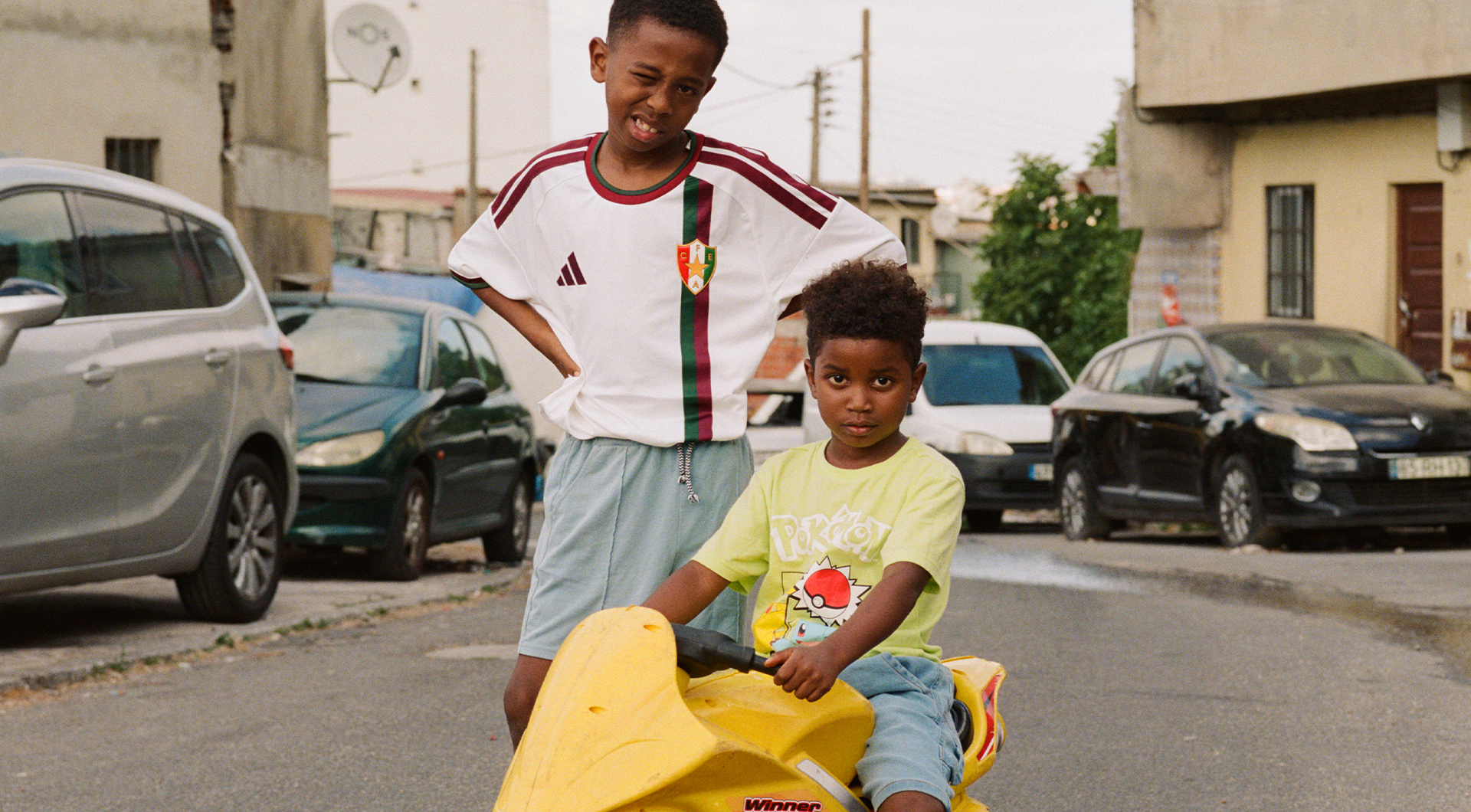
So, when Estrela da Amadora set about unveiling its first kits with adidas, it decided against the usual routine of players, studio lighting and solemn expressions. Instead, it went outside. Created under the banner Por Uma Cidade – For A City – the campaign was shot entirely across Amadora by sports culture studio SOCIETAS and photographer Valentin Russo.
“The process didn’t begin with the question of how to present a football shirt, but with how to tell the story of Amadora,” SOCIETAS co-founder Yasar Ceviker tells me. “Our ambition wasn’t to create another conventional football campaign. We wanted to approach it almost like a documentary, an honest portrait of a city.”
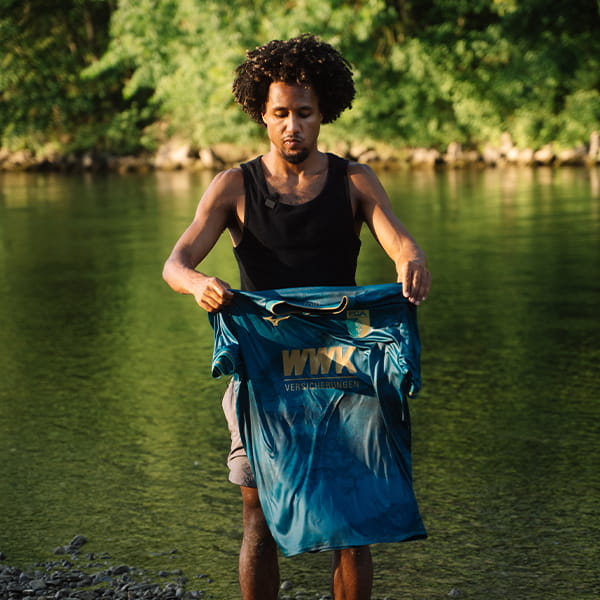
That approach meant no professional models and no attempt to polish Amadora. Instead, dozens of residents were photographed in the places they occupy every day.
There is Nuno Baessa, pictured inside the café his family opened in Reboleira in 2008. Mr Fernando, who was born in Cabo Verde and has lived in Portugal for 44 years, appears behind the counter of the grocery shop he has run for four decades. Gerson Correia is photographed at his cousin’s barbershop in Venteira.
“Casting would have given us faces that look right,” continues Ceviker. “We wanted faces that are right.”


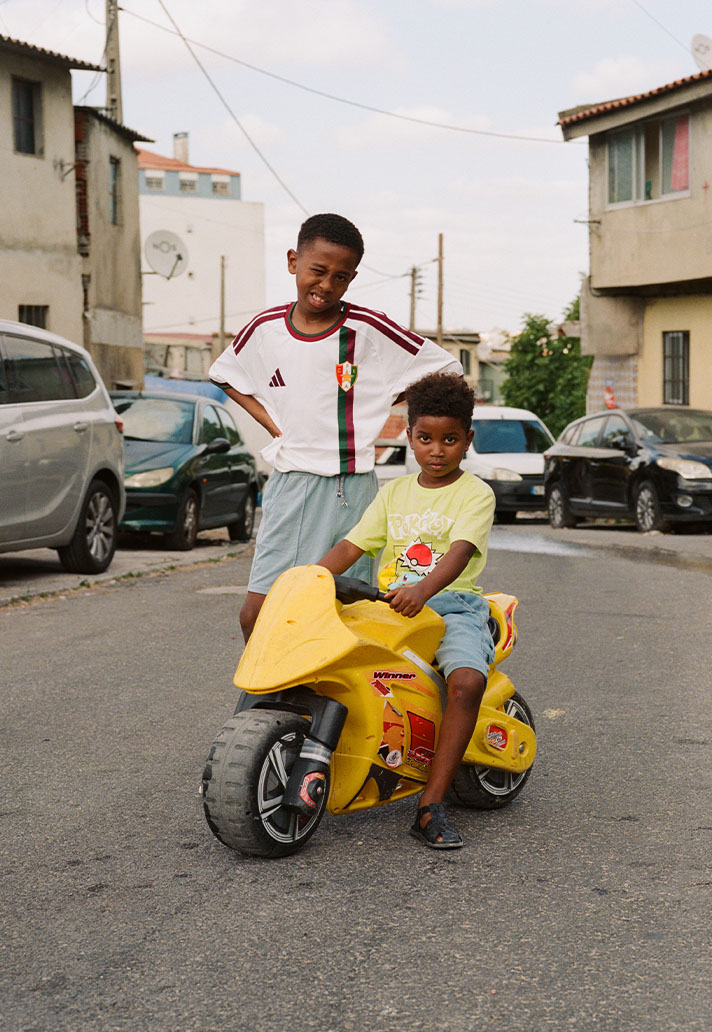
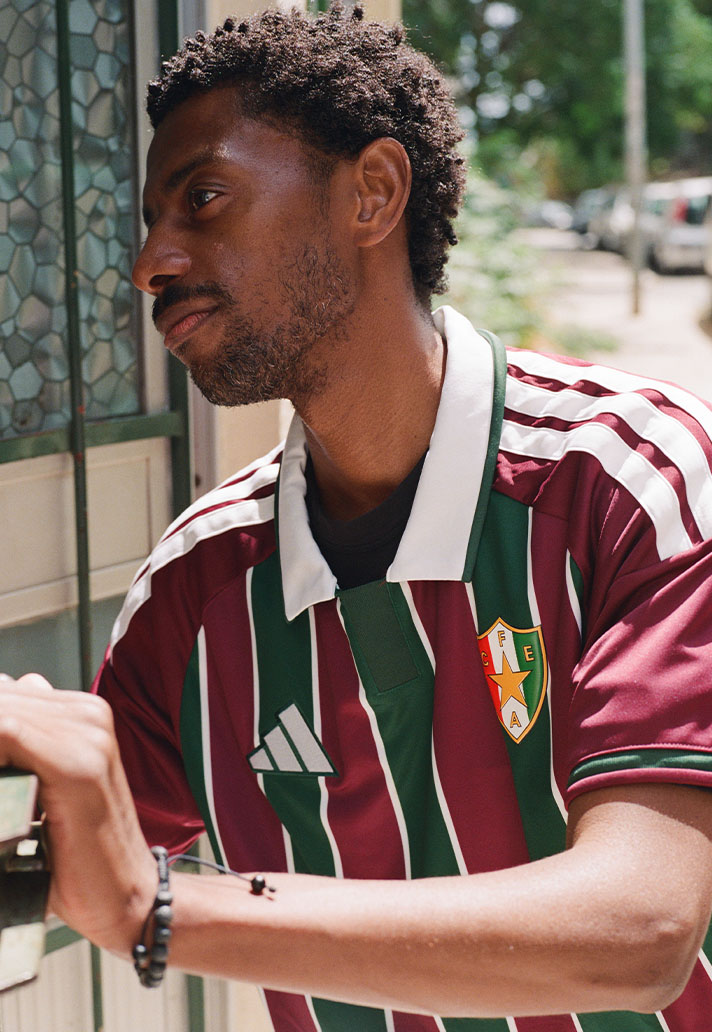
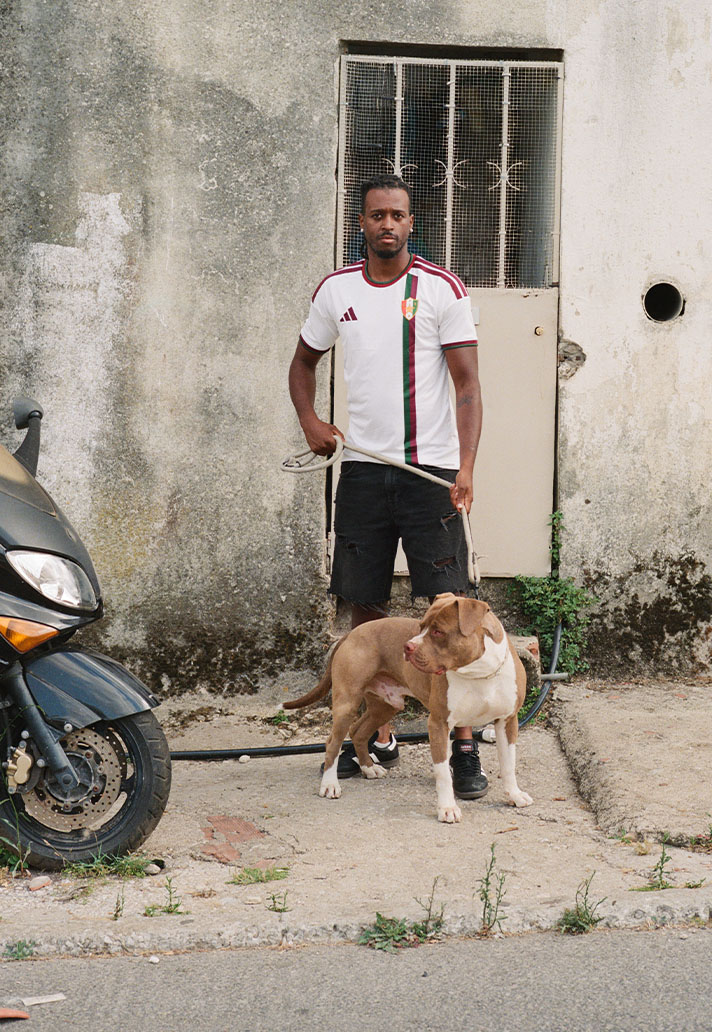
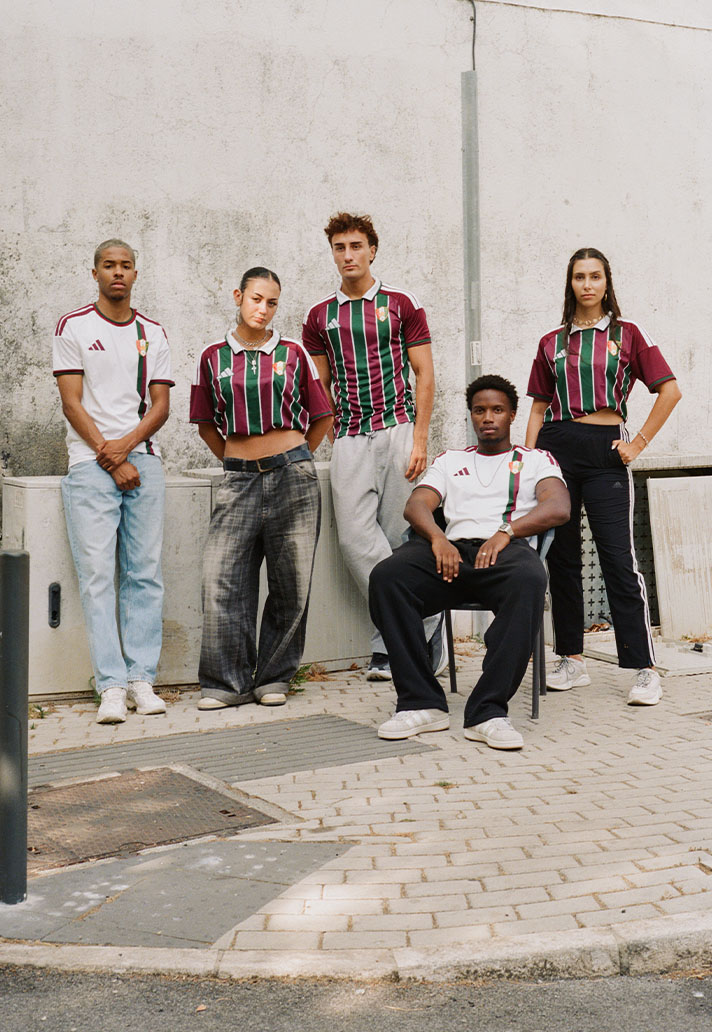
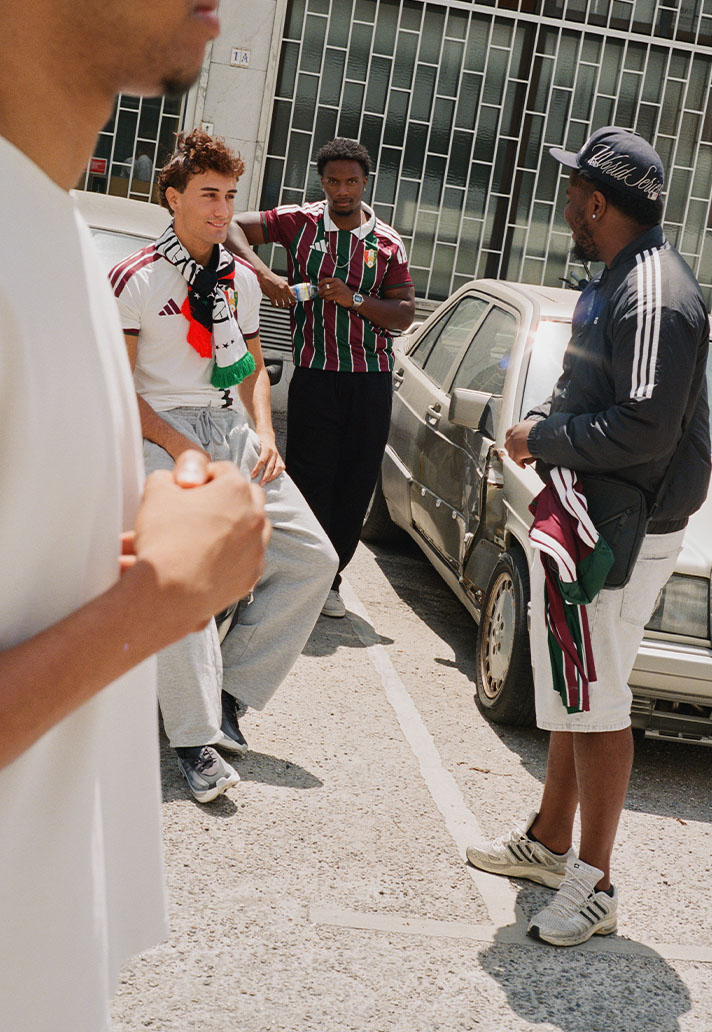
The campaign does not just place Estrela’s new shirts on local people, it presents those people as the reason the shirts matter in the first place. “Their expressions, their body language and their relationship with the places around them are real,” Ceviker continues. “Nobody is performing. They are simply at home.”
The kits themselves mark the beginning of Estrela’s new partnership with adidas while bringing back details associated with the club’s past. A high-necked tricolour collar returns, alongside the familiar burgundy and green that have defined previous eras.
Ceviker describes the relationship between adidas’ Three Stripes and Estrela’s tricolour identity as a “subtle dialogue” between the club’s future and its history.
“The shirt carries Estrela’s heritage through the tricolour collar and the return of the burgundy and green, while the campaign shows where that identity lives today,” he says. “The shirts reference Estrela’s past, but the people wearing them represent the club as it exists today.”
Russo photographed the entire project on analogue film, giving the images a grainy, intimate quality that suits the documentary approach. It also forced the team to slow down. “You don’t just press the shutter a hundred times and hope for the perfect frame,” says Ceviker. “Every image is considered. You’re much more intentional because every frame matters.”
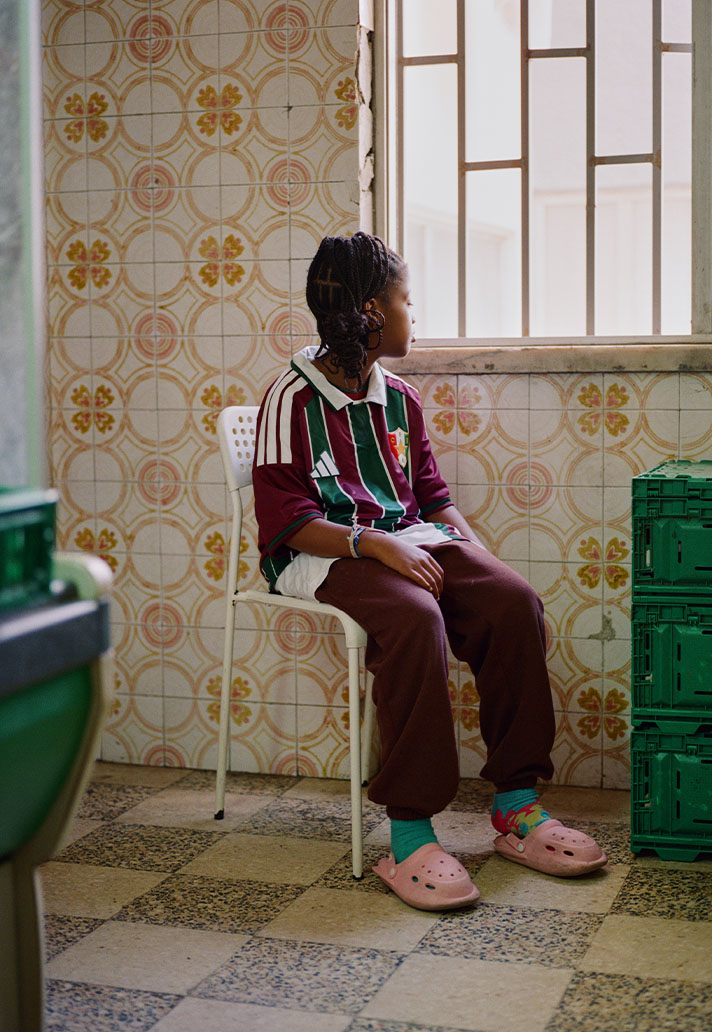

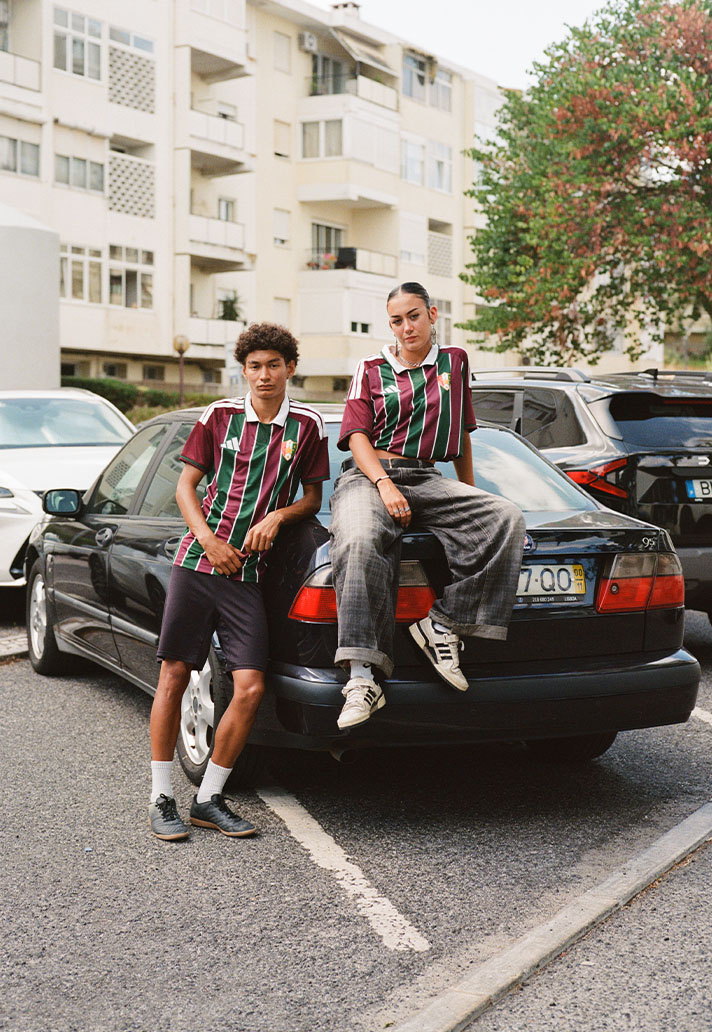
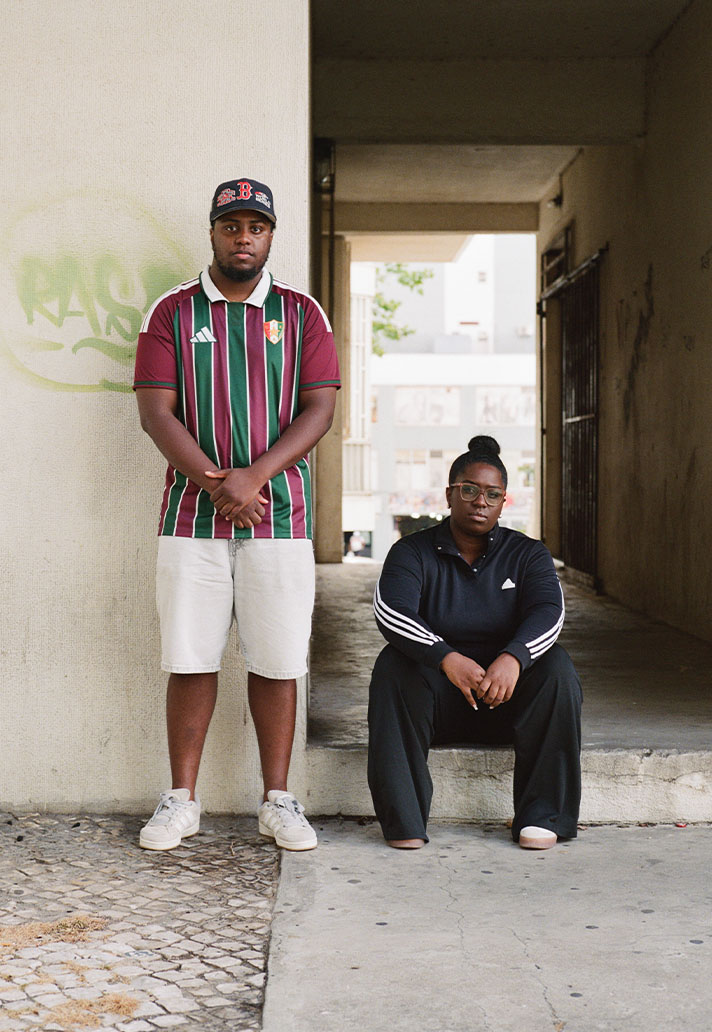
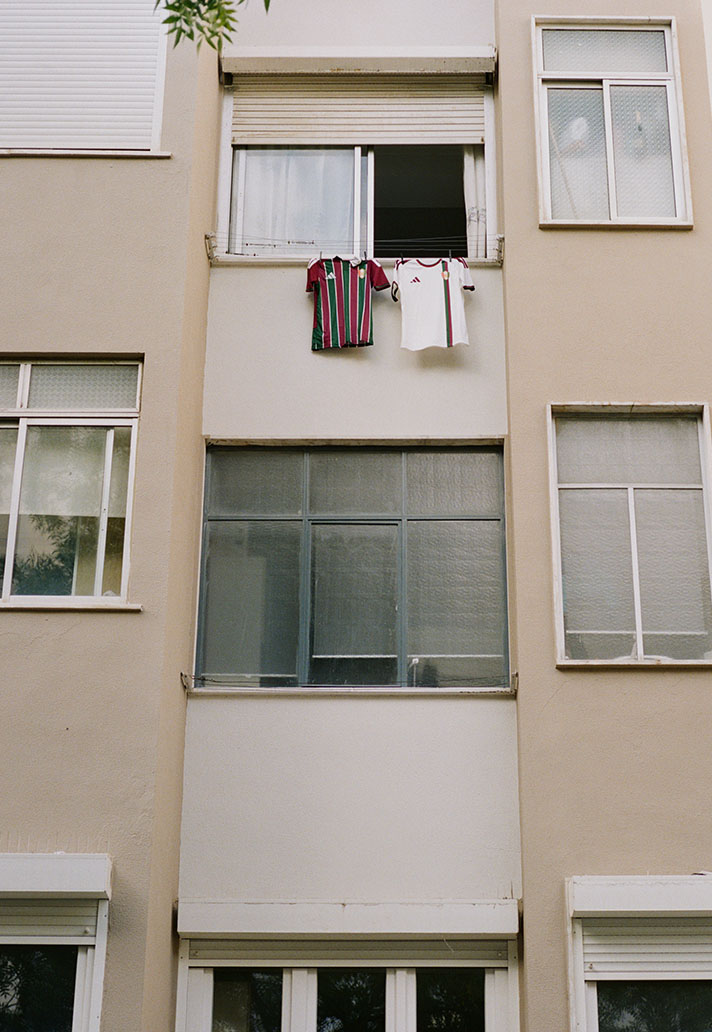

That sense of restraint is visible throughout. There are no artificial backdrops, elaborate narratives or attempts to make the shirts feel more significant than the people wearing them. The imperfections of the film, the familiarity of the locations and the residents’ natural presence do the work instead.
Point is, For Uma Cidade does not look like any other kit launch and it does not feel as though it could have been produced anywhere else. Estrela da Amadora has unveiled its first adidas collection by returning to the colours of its past and placing them firmly within the city as it exists now. The shirt carries the heritage, while Amadora keeps it alive. It's simple really.